
Order Luca Takeout or Delivery
Luca Photos




LUCA ATMOSPHERE


You might also consider


More like Luca
Recommended Reviews - Luca
Start your review...

Reviews With Photos

Would be 3.5 stars if possible. My boyfriend and I dined at Luca with another couple for Denver restaurant week. The set menu we felt had great options and the value was good for what we were getting. I am a bit of a hard critic when it comes to Italian food, and I would say some of the dishes we had were amazing, like the bolognese (to die for) and the Buratta stuffed chicken, but some of them were just very average. While I enjoyed the food and we absolutely loved the drinks we tried, I do not think the food is quite worth the price tag on a regular night without the deal we got. I would return for restaurant week again or if they have happy hour or something along those lines. The service was good, a bit slow at times but not surprising as it was extremely busy. The ambiance is nice but nothing overly special.


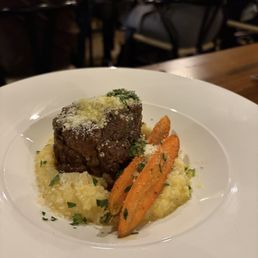
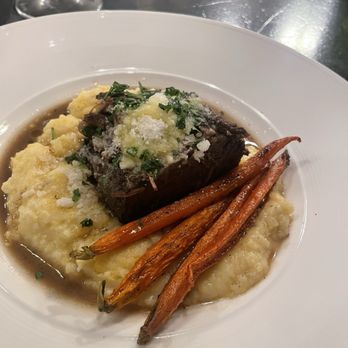
We went mid December and had an amazing time! Start to finish it was a great experience! I LOVED the welcome drink of Prosecco! This place is cute, tiny, but has lovely Italian charm! Our waitress was so nice and friendly - I wish I remembered her name. For appetizers- we got the meatball and the mussels. The mussels in the butter garlic sauce were phenomenal! The table bread with butter was good, a little dry. The meatball was tender and yummy!! The scallops were amazing!! The bed of gnocchi was very undercooked unfortunately :( My husband had the braised short rib with polenta! It was very tasty! For dessert we just couldn't decide (me - I couldn't decide) between the olive oil cake and the tiramisu. My husband ordered the chocolate torte. I told the waitress to surprise me. She ended up bringing both! Sadly both of them were not very good. The tiramisu was kinda chunky and just didn't have the right texture. The olive oil cake was dry. The chocolate torte was delicious!!! I have been wanting to go here for years and I'm so glad it delivered!


Had a wonderful time at Luca! The service was great and we received complimentary champagne and cookies just for stopping by. It's an intimate space and feels warm and welcoming inside. The food was very flavorful, especially the ravioli. However, the portion sizes were pretty small for the price. My husband and I were both still hungry when we left after having bread, a shared appetizer, an entree and a cookie.


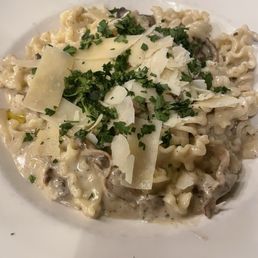
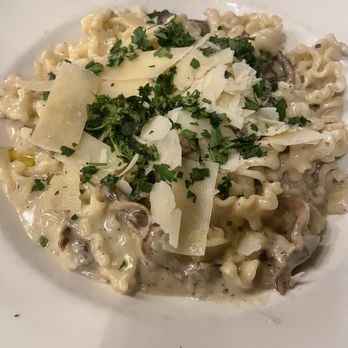
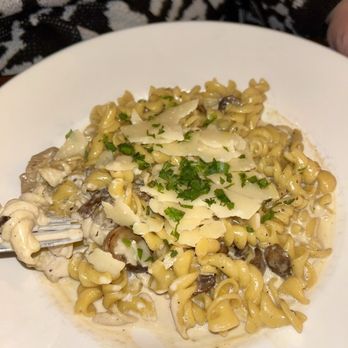
I stumbled upon Luca by accident while trying to make a reservation somewhere else--and honestly, thank the food gods I did. This place is a gem I somehow missed, even though I've driven by it a million times. We did the $75 Chef's Tasting Menu, and I truly mean this: not a single dish missed. The portions were generous, the flavors were dialed in, and everything--from appetizers to dessert--was a total win. Here's what we had: * House Burrata - The gold standard. Creamy, fresh, and paired perfectly with grilled garlic ciabatta and tomato conserva. * House Cured Salumi - A fun and flavorful mix of meats, spicy gnocco fritto, and a seasonal mostarda. * Roasted Eggplant - Mozzarella, San Marzano tomato, Calabrian chili crunch... like an Italian hug. * Wild Mushroom Fusilli - Truffle oil + creamy parmesan = heaven. * Braised Short Rib - Fall-apart tender and served over dreamy polenta. * Carne Pizza - Topped with spicy sausage, meatballs, and smoked ricotta. Totally indulgent and worth it. The cocktails and dessert were just as strong--no weak links here. Vibe check: The space gives old-school Italian with just the right touch of elegance. Service was top-notch--welcoming, informed, and genuinely kind. Pro tip: Go for the Chef's Tasting Menu. It's the best way to try a variety of dishes without having to make tough choices--and you'll walk out full, happy, and already plotting your return.


Excellent Italian dinner in Denver! Great service; all the staff is welcoming and friendly. Their "have you dined with us before" spiel gives useful info such as Luca makes cured meats and pastas in house. There is a good amount of complimentary treats during the meal: bubbly, bread with lard + olive oil dip, and hazelnut mousse! Some of our favorites of the night: - house meatballs (antipasti) - quattro formaggi manicotti - lobster fra diavolo - double chocolate torta (that cherry amaretto is such a good pairing!) The lobster fra diavolo is spicy (that Calabrian chile!) and so so good!! I notice the reviews mention the CHP (basically their 22% service charge that's automatically included in the bill). It is mentioned on the menu, so diners know beforehand.


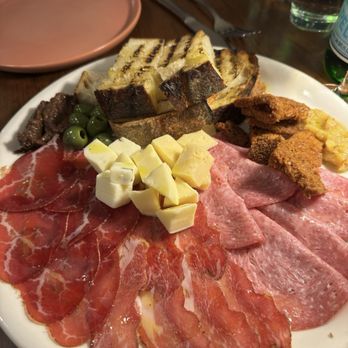
We tried Luca last night and opted for their "Dinner for Two" tasting menu at $80 per person. Unfortunately, it was one of the most underwhelming tasting menus I've ever had -- especially for the price point. The courses felt random and not well-curated for a high-end Italian restaurant. We were served a few slices of pizza, a basic charcuterie board, a white-sauce pasta, and then, surprisingly, fish to finish. Nothing really stood out in terms of flavor or presentation. For a bill that ended up being over $200, the value simply wasn't there. If you go, I'd skip the chef's tasting menu entirely and just order individual entrées, I imagine those are probably a better representation of what they do well. The only redeeming part of the evening: the espresso martini was gas. Beyond that, I wouldn't recommend the tasting menu.


Absolutely amazing! Would go back anytime. We went during restaurant week and got to try so many things and was not disappointed by any dish. We would order everything we got again! PEI Mussels: Roasted Garlic Butter, Lemon, Grilled Ciabatta. Cooked perfectly with such a flavorful yet light sauce. We were licking the bowl clean! It paired so nicely with the complimentary focaccia we received... which also by itself was so soft and addicting. Roasted Eggplant: Fresh Mozzarella, Calabrian Chili Crunch, San Marzano Tomatoes. Had great contrast among flavors and textures. The egg plant was also perfectly cooked and not overcooked like most places. Rigatoni Bolognese: Pork, Veal, Beef, San Marzano Tomatoes and Grated Parmesan. SO MUCH DEPTH AND FLAVOR. Maybe one of the best bolognese we've ever had and we've been to Italy... I also appreciate the wider pasta shape (cooked al dente like traditional pasta, but may be a touch too hard for some). Gnocchetti: Basil Mint Pesto, Ricotta and Hazelnut Gremolata. Also one of the best pasta dishes we're ever had. The bright pesto flavors paired so nicely with the nutty notes of the Gremolata. Both pasta dishes were licked clean. Truly always thinking about both. Burrata Stuffed Chicken Parmesan: Wood Grilled Broccolini, Ricotta, Pomodoro. Chicken was not dry, but Broccolini was a little burnt for our liking. Risotto alla Milanese: Wood Fire Roasted Trumpet Mushrooms, Grilled Leeks. The risotto was cooked perfectly, but I wish there was more parmesan melted in within the sauce to create more saltiness. Personal preference of course, but I would have loved more grilled leeks and more of a roast on the mushrooms. Loved the pairing of each ingredients though. Chef's Salumi and Formaggi: freshly cut salumi, three different cheeses including a truffle cheese, and fresh ciabatta... nothing to complain about. Butterscotch Pana Cotta: initially tasting, the butterscotch was a little too strong for our liking, but we got used to it. We definitely needed something refreshing to eat alongside it since it was so rich, so the pistachio ice cream was a nice addition


My family came here on a recommendation and I was super impressed! The food was delicious--especially the wild mushroom fusilli. The service was great and the atmosphere was really cute and cozy. All of the complimentary items really added a nice extra touch. I will definitely be back.


High quality and great good, was very impressed with the pasta and service. Would recommend.


I ordered here from DoorDash and food did take a bit to arrive but was well worth the wait! The mushroom pasta reminds me of the one you can get at the milk market. It's truffley, creamy, and packed with flavor. Would 100% order again!


Knew we wanted to have a nice Italian dinner when visiting the Denver area and was suggested Luca. You do have to put a card down when making a reservation for if you bail but if you're serious about food that's not an issue. We arrived a little early but once we did we were quickly seated at our table. Our waiter even poured us all a complementary glass of Prosecco for everyone in our party of 4. We started looking of the menu and had to order a drink. I went for the Monster Mash I mean come on that name. It is also made with Wild Turkey 101 so it was calling my name. It was also very tasty. We also of course had to have appetizers. We went with a classic for us that being the House Burrata and had to get the Short Rib Pizza since we love Short Ribs and if you're pulling it on pizza I gotta give it a try. They started us off with some of their fresh bread which was soft and warm. Plus the Olive Oil/butter dip was great! The House Burrata was very good. Fresh Garlic Rubbed Grilled Ciabatta was amazing a paired so well with the Burrata and the Tomato Conserva, a must get. I will say though we were let down by the Short Rib Pizza. The pieces of Short Rib were very tiny and also seemed dried out. I was also just lacking flavor. A swing and a miss for us. For my entrée I ordered the Crab Agnolotti which comes in a fresh Cream Sauce. I mean Crab and Cream Sauce it was basically calling my name. Once the Crab Agnolotti came out it did look like a small servicing with only 7 Crab and Ricotta but this dish was very rich and was only able to finish by letting other try it. I will say it was very good and the tomato's in it were great too. This was for sure a great dish and one you don't come across often. We had a nice night at Luca and would for sure come back. Just a reminder though they do have a 22% CHP charge so if tripping well isn't for you then maybe this isn't the right place.


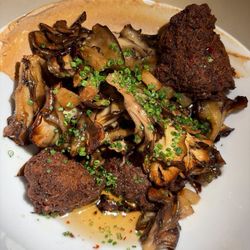
Luca feels like institutional decay disguised as refinement. Somewhere around the gummy mushroom pasta and the grainy polenta underneath the short rib, I realized I was not having an expensive dinner at a great Italian restaurant. I was watching a restaurant visibly coast on an old reputation during a $450 night out. And once you see it at Luca, you cannot stop seeing it. The evening actually started with promise. The radicchio salad was one of the better things we ate all night. Bitter greens, spice, texture, contrast. It had energy. More importantly, it tasted contemporary. Alive. Like somebody in the kitchen still understands that Italian food is supposed to balance bitterness, acidity, restraint, and texture instead of simply delivering expensive heaviness to affluent diners sitting in dim lighting. Then the burrata arrived and the evening drifted backward again. The cheese itself was genuinely delicious. But the accompanying bread felt greasy, limp, and careless, like an afterthought attached to a dish nobody in the kitchen has seriously reimagined in years because burrata reliably sells itself. That realization kept repeating throughout the meal. The mushroom fusilli looked exactly like upscale Italian restaurant pasta has looked for the last fifteen years: creamy sauce, mushroom richness, parmesan shards, carefully rustic curls of pasta arranged to signal luxury comfort food. But the actual experience was aggressively salty, gummy, and heavy in a way that became too much halfway through. The dish felt assembled from memory. A reproduction of what sophisticated pasta is supposed to be. Then came the short rib. Honestly: what year is this plating from? Braised short rib over polenta with carrots and jus could still work if approached with confidence and skilled execution. Instead, the polenta was grainy and dull rather than lush and creamy, which made the entire dish feel dated. Not classic. Not timeless. Just old. And that is when the restaurant itself showed its age. Luca could use its own cosmetic surgery. Drop ceilings. Tired decor. A dining room that feels barely maintained rather than refreshed. The kind of space that only knows how to dim the lights anymore. The room was not full when we were there, and the energy matched the food: expensive, muted, and lifeless. Luca has a little Miss Havisham about it: still dressed for dinner, still guarding the old rituals, while the dust gathers. Even the bathroom somehow reinforced the point. The sink was on one wall. The paper towels were awkwardly positioned behind you on another. The trash can sat between the urinal and stall in exactly the place a person would collide with it. And I did. It sounds minor until you realize that this is exactly how the entire restaurant feels: designed long ago, never reconsidered, and now surviving only through habit and reputation. The frustrating part is that the service staff itself was not the problem. They were warm, authentic, and trying hard. Which made the evening feel sadder. They felt like musicians continuing to play while the ship quietly took on water. By the end of the meal, especially once the mandatory 22% "Creating Happy People" surcharge appeared on the check, the entire experience crossed from disappointing into insulting. And then the final insult is the phrase itself: "Creating Happy People." That phrase irritated me more than almost anything else all night. Because by that point the disconnect had become impossible to ignore. Luca no longer feels deeply invested in hospitality, pleasure, or contemporary dining culture. It feels invested in maintaining the appearance of importance. That is the real problem here. Complacency. Expensive complacency. Denver has better Italian restaurants. More alive ones. More self-aware ones. Restaurants still participating in the present tense. Go to Barolo Grill or Tavernetta instead. Both understand that refinement alone is not enough. A restaurant at this level should feel alive. Luca does not. read more



Cute spot for sure. Now I give credit for one of the best brussels ceasar salads I have had in a long time. The spicy crisps on top were delicious and were a perfect compliment. We ordered the Rabbit, it was tasty and the lasagna which fell below expectations. I know they make their pasta in house which is awesome, but it was just ok. Very small portion size (it appears larger in the photo) for the price point. Now one thing I do not agree with is the automatic 22% added to the bill which our server stated was shared with everyone which led us to believe he expected more tip to be added. We normally start out with a 20% tip and it can go up from there but I have yet to go to a restaurant where I felt service and food warranted a 30%+ tip and we have eaten all over the world some places did deserve a 25% or more but this was not such a place. read more


Would be 3.5 stars if possible. My boyfriend and I dined at Luca with another couple for Denver restaurant week. The set menu we felt had great options and the value was good for what we were getting. I am a bit of a hard critic when it comes to Italian food, and I would say some of the dishes we had were amazing, like the bolognese (to die for) and the Buratta stuffed chicken, but some of them were just very average. While I enjoyed the food and we absolutely loved the drinks we tried, I do not think the food is quite worth the price tag on a regular night without the deal we got. I would return for restaurant week again or if they have happy hour or something along those lines. The service was good, a bit slow at times but not surprising as it was extremely busy. The ambiance is nice but nothing overly special. read more


10 months ago
We went mid December and had an amazing time! Start to finish it was a great experience! I LOVED the welcome drink of Prosecco! This place is cute, tiny, but has lovely Italian charm! Our waitress was so nice and friendly - I wish I remembered her name. For appetizers- we got the meatball and the mussels. The mussels in the butter garlic sauce were phenomenal! The table bread with butter was good, a little dry. The meatball was tender and yummy!! The scallops were amazing!! The bed of gnocchi was very undercooked unfortunately :( My husband had the braised short rib with polenta! It was very tasty! For dessert we just couldn't decide (me - I couldn't decide) between the olive oil cake and the tiramisu. My husband ordered the chocolate torte. I told the waitress to surprise me. She ended up bringing both! Sadly both of them were not very good. The tiramisu was kinda chunky and just didn't have the right texture. The olive oil cake was dry. The chocolate torte was delicious!!! I have been wanting to go here for years and I'm so glad it delivered! read more


8 months ago

Had a wonderful time at Luca! The service was great and we received complimentary champagne and cookies just for stopping by. It's an intimate space and feels warm and welcoming inside. The food was very flavorful, especially the ravioli. However, the portion sizes were pretty small for the price. My husband and I were both still hungry when we left after having bread, a shared appetizer, an entree and a cookie. read more


30 days ago

I stumbled upon Luca by accident while trying to make a reservation somewhere else--and honestly, thank the food gods I did. This place is a gem I somehow missed, even though I've driven by it a million times. We did the $75 Chef's Tasting Menu, and I truly mean this: not a single dish missed. The portions were generous, the flavors were dialed in, and everything--from appetizers to dessert--was a total win. Here's what we had: * House Burrata - The gold standard. Creamy, fresh, and paired perfectly with grilled garlic ciabatta and tomato conserva. * House Cured Salumi - A fun and flavorful mix of meats, spicy gnocco fritto, and a seasonal mostarda. * Roasted Eggplant - Mozzarella, San Marzano tomato, Calabrian chili crunch... like an Italian hug. * Wild Mushroom Fusilli - Truffle oil + creamy parmesan = heaven. * Braised Short Rib - Fall-apart tender and served over dreamy polenta. * Carne Pizza - Topped with spicy sausage, meatballs, and smoked ricotta. Totally indulgent and worth it. The cocktails and dessert were just as strong--no weak links here. Vibe check: The space gives old-school Italian with just the right touch of elegance. Service was top-notch--welcoming, informed, and genuinely kind. Pro tip: Go for the Chef's Tasting Menu. It's the best way to try a variety of dishes without having to make tough choices--and you'll walk out full, happy, and already plotting your return. read more


2 months ago


Excellent Italian dinner in Denver! Great service; all the staff is welcoming and friendly. Their "have you dined with us before" spiel gives useful info such as Luca makes cured meats and pastas in house. There is a good amount of complimentary treats during the meal: bubbly, bread with lard + olive oil dip, and hazelnut mousse! Some of our favorites of the night: - house meatballs (antipasti) - quattro formaggi manicotti - lobster fra diavolo - double chocolate torta (that cherry amaretto is such a good pairing!) The lobster fra diavolo is spicy (that Calabrian chile!) and so so good!! I notice the reviews mention the CHP (basically their 22% service charge that's automatically included in the bill). It is mentioned on the menu, so diners know beforehand. read more


1 year ago
We tried Luca last night and opted for their "Dinner for Two" tasting menu at $80 per person. Unfortunately, it was one of the most underwhelming tasting menus I've ever had -- especially for the price point. The courses felt random and not well-curated for a high-end Italian restaurant. We were served a few slices of pizza, a basic charcuterie board, a white-sauce pasta, and then, surprisingly, fish to finish. Nothing really stood out in terms of flavor or presentation. For a bill that ended up being over $200, the value simply wasn't there. If you go, I'd skip the chef's tasting menu entirely and just order individual entrées, I imagine those are probably a better representation of what they do well. The only redeeming part of the evening: the espresso martini was gas. Beyond that, I wouldn't recommend the tasting menu. read more


3 months ago

Absolutely amazing! Would go back anytime. We went during restaurant week and got to try so many things and was not disappointed by any dish. We would order everything we got again! PEI Mussels: Roasted Garlic Butter, Lemon, Grilled Ciabatta. Cooked perfectly with such a flavorful yet light sauce. We were licking the bowl clean! It paired so nicely with the complimentary focaccia we received... which also by itself was so soft and addicting. Roasted Eggplant: Fresh Mozzarella, Calabrian Chili Crunch, San Marzano Tomatoes. Had great contrast among flavors and textures. The egg plant was also perfectly cooked and not overcooked like most places. Rigatoni Bolognese: Pork, Veal, Beef, San Marzano Tomatoes and Grated Parmesan. SO MUCH DEPTH AND FLAVOR. Maybe one of the best bolognese we've ever had and we've been to Italy... I also appreciate the wider pasta shape (cooked al dente like traditional pasta, but may be a touch too hard for some). Gnocchetti: Basil Mint Pesto, Ricotta and Hazelnut Gremolata. Also one of the best pasta dishes we're ever had. The bright pesto flavors paired so nicely with the nutty notes of the Gremolata. Both pasta dishes were licked clean. Truly always thinking about both. Burrata Stuffed Chicken Parmesan: Wood Grilled Broccolini, Ricotta, Pomodoro. Chicken was not dry, but Broccolini was a little burnt for our liking. Risotto alla Milanese: Wood Fire Roasted Trumpet Mushrooms, Grilled Leeks. The risotto was cooked perfectly, but I wish there was more parmesan melted in within the sauce to create more saltiness. Personal preference of course, but I would have loved more grilled leeks and more of a roast on the mushrooms. Loved the pairing of each ingredients though. Chef's Salumi and Formaggi: freshly cut salumi, three different cheeses including a truffle cheese, and fresh ciabatta... nothing to complain about. Butterscotch Pana Cotta: initially tasting, the butterscotch was a little too strong for our liking, but we got used to it. We definitely needed something refreshing to eat alongside it since it was so rich, so the pistachio ice cream was a nice addition read more




My family came here on a recommendation and I was super impressed! The food was delicious--especially the wild mushroom fusilli. The service was great and the atmosphere was really cute and cozy. All of the complimentary items really added a nice extra touch. I will definitely be back. read more


3 months ago

6 months ago
High quality and great good, was very impressed with the pasta and service. Would recommend. read more


1 year ago
I ordered here from DoorDash and food did take a bit to arrive but was well worth the wait! The mushroom pasta reminds me of the one you can get at the milk market. It's truffley, creamy, and packed with flavor. Would 100% order again! read more


1 year ago

Knew we wanted to have a nice Italian dinner when visiting the Denver area and was suggested Luca. You do have to put a card down when making a reservation for if you bail but if you're serious about food that's not an issue. We arrived a little early but once we did we were quickly seated at our table. Our waiter even poured us all a complementary glass of Prosecco for everyone in our party of 4. We started looking of the menu and had to order a drink. I went for the Monster Mash I mean come on that name. It is also made with Wild Turkey 101 so it was calling my name. It was also very tasty. We also of course had to have appetizers. We went with a classic for us that being the House Burrata and had to get the Short Rib Pizza since we love Short Ribs and if you're pulling it on pizza I gotta give it a try. They started us off with some of their fresh bread which was soft and warm. Plus the Olive Oil/butter dip was great! The House Burrata was very good. Fresh Garlic Rubbed Grilled Ciabatta was amazing a paired so well with the Burrata and the Tomato Conserva, a must get. I will say though we were let down by the Short Rib Pizza. The pieces of Short Rib were very tiny and also seemed dried out. I was also just lacking flavor. A swing and a miss for us. For my entrée I ordered the Crab Agnolotti which comes in a fresh Cream Sauce. I mean Crab and Cream Sauce it was basically calling my name. Once the Crab Agnolotti came out it did look like a small servicing with only 7 Crab and Ricotta but this dish was very rich and was only able to finish by letting other try it. I will say it was very good and the tomato's in it were great too. This was for sure a great dish and one you don't come across often. We had a nice night at Luca and would for sure come back. Just a reminder though they do have a 22% CHP charge so if tripping well isn't for you then maybe this isn't the right place. read more



1 year ago
Recommended by a friend, and it did not disappoint! The food was incredible -- you're welcomed with a cute glass of champagne when seated and a little personal focaccia served with olive oil butter for dipping. Our server overheard us debating between two dishes and surprised us with a complimentary extra dish so we could try both. Such a thoughtful touch! I truly can't recommend this place enough. Wish I took pics of the food, but we devoured it read more

3 months ago

1 year ago
Chicken Parmigiana was charred in places, chewy, and generally underwhelming. Spaghetti was overcooked and sauce just meh. read more


A friend of mine had recommended Luca, and I'm so happy I finally made it out here. I really enjoyed everything we ordered -- especially the scallops. The service was great, and it was a good spot for a fun catchup with my friend. Drink: Fig cocktail (rum, fig, balsamic reduction, lime, mint, and soda water) Food: Shaved Brussel Sprouts Caesar Wild Mushroom Fusilli Scallops with risotto read more


1 year ago

9 months ago

Really enjoyed Luca but it wasn't quite the fine Italian dining I was hoping for. The ambiance feels more like family style Italian but the prices don't. I really enjoyed splitting the lobster pasta and margarita pizza and the complimentary bubbles but would opt for a different option. Our server was good but was subbing in from a sister restaurant and wasn't as familiar with the menu. Overall I enjoyed my food and dining experience. read more


1 year ago
Tried this spot during Denver Restaurant Week and was genuinely impressed. The chicken parm was crisp, cheesy, and full of flavor. The gnocchi was excellent--and I'm usually pretty picky. The prix fixe deal was surprisingly generous. Cozy, local Italian vibe with a solid wine and cocktail selection. Definitely a place I'd come back to outside of Restaurant Week. read more


1 year ago

1 year ago
Luca is such a cute spot and great for a date night. They greet you at your table with champagne. The lights are dim and it has a really cute vibe. We sat at the bar. Restaurant was busy, it was a Friday evening. I forget the name of the pizza we got but it was delicious, and so were the drinks! Joseph was our bar tender and was so friendly and knowledgeable about the food/drink menu. read more


5 months ago

3 years ago
Mixed feelings about this place. We came in with a group of 10 on a Saturday night and despite having reservations, they still seated us 15-20 min late. Not the biggest deal and understandable given our group size and the size of the restaurant overall. Luca has a cute, cozy feel with dim lighting and candles so I liked the ambiance! They also started us off with a welcome toast of champagne which was nice. I ordered the lobster fra diavolo and the luca salad. The pasta was probably the highlight of the meal, with freshly made pasta in a delicious sauce. There were only a couple pieces of lobster which seemed a bit sparse considering the dish was $30+ but I overall liked the dish. The Luca salad was not worth it imo - paid ~$12 for a small plate of arugula, lemon vinaigrette and some Parmesan. My partner got the margherita pizza which honestly was not great and on the saltier side. About halfway through our meal I ordered a glass of wine and someone else in our group ordered a second drink, which never ended up coming out so we decided to just have them cancel it since everyone had finished their food. They then proceeded to try to bring out our drinks on two occasions despite us requesting to cancel/ already trying to close out. Also not the biggest fan of their auto "CHP" fee (basically a 22% auto tip) due to their low key passive aggressive wording lol "if you don't support pay equity you can request to have this removed"?? I'm fine with paying higher menu prices, a 20% auto tip for our group size would have been expected, but just the wording around this rubbed me the wrong way. Overall, cute Italian restaurant with a nice ambiance and solid pasta dishes but the service with the prices they were charging was a bit lacking. read more

6 months ago

1 year ago

3 years ago
I ordered the Pappardelle Bolognese and the sauce was tasty. The portion was very small and the pasta didn't taste like fresh pasta. I couldn't tell the difference between this fresh made pasta and dry pasta. I had higher expectations and expected to taste like fresh pasta I had at the Eataly chain. My friend ordered the Lobster Fra Diavolo which was also small with 6 pieces. read more

8 months ago

Simply terrific! I am not going to say this is the best Italian I've ever had but it is in the top ten and it's not ten. We made a reservation for a Friday night, we were a party of four. When we showed up we were sat right away with zero wait. We were brought a complimentary glass of Prosecco which was delicious, a bit on the sweet side. For the table we ordered the short rib pizza and burrata. The burrata was delicious and the pizza was good it just wasn't packed with tons of flavor or short rib. I would definitely suggest the burrata it, I believe, had a light honey drizzle on it that added depth to the flavor and the crostini's were crisp but not hard. My main entree was definitely the star of the show, I got the Wild Mushroom Fusilli it was heaven in every bit and everyone agreed it was the best dish at the table. I was very filling so I had to take some to go but it holds up and reheats very well. Couple of things to note: -there is a 22% CHP fee added to bills -there is a pay parking lot next store -you put your card down for reservations -they offer a fresh bread and incredible spread (butter like) that is also made fresh read more


Came here for an anniversary knowing it would be an absolute hit. We tried the newer menu option of a chef's tasting and put our full faith in the wonderful people behind Luca to surprise us with each course. I've done chef-tasting menus in the past and this one was incredible they didn't skimp on the food! Our jaws were continuously dropping with the gorgeous presentation and vast array of wonderful flavors in each dish. The branzino was excellent and a favorite we did not expect with crispy skin and a vibrant chimichurri. As always the house-made burrata was a favorite and house-cured meat was incredible. No complaints about any of the dishes and the service was wonderful. Can't wait to return soon to my current favorite spot in the Denver area. read more

Page 1 of 11
More info about Luca

Ask the Community - Luca
Do they have happy hour now?
I haven't been back since restaurant week but their website says they do have happy hour in the bar area only (and that's a small area) Mon-Wed 3-6, Thurs. 3-close, Friday 3-6, and Saturday 12-6.
You might also consider












Why does Yelp recommend reviews?
34 reviews that are not currently recommended
The reviews below are not factored into the business's overall star rating.
3 years ago

11 years ago
3 years ago

2 years ago

8 years ago

13 years ago

11 years ago
9 years ago

13 years ago

13 years ago
5 years ago

13 years ago

13 years ago

13 years ago

13 years ago

13 years ago
11 months ago


13 years ago

14 years ago


