
Laliguras Bistro
Order Laliguras Bistro Takeout or Delivery
Laliguras Bistro Photos


Business Info
Laliguras Bistro Popular Dishes
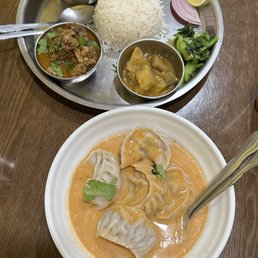


LALIGURAS BISTRO ATMOSPHERE


You might also consider


More like Laliguras Bistro
Recommended Reviews - Laliguras Bistro
Start your review...

Reviews With Photos


Tried and trusted thali spot that I've been frequenting since I transplanted to NY. Food is tasty and they have the classic thali assortments. Small, no frills restaurant but the flavors hit the spot. Can't go wrong with a chicken thali and the portion is great- always lasts me two meals. They also accepted Zelle payments the last time I was there.


This wasn't my dish but this meal really was one of the best meals I've had out in New York. I got the fish curry Thali. It was free refills for the lentil and all vegetables. I don't know what they put in their lentil side dish but it brought tears to my eyes. They also played great music that added to the lovely and homely ambience. I would go back for this many times. Highly recommend.
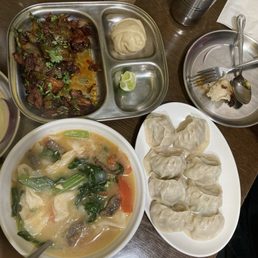

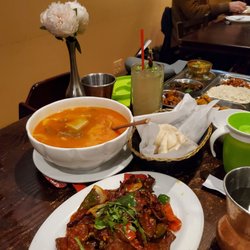
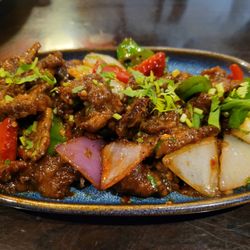
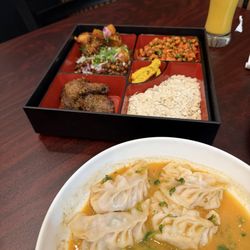
One of many Nepalese spots in the neighborhood that many locals frequent! The chicken chilly here is incredibly flavorful and one of my favorites. Beef in the thenthuk is a bit jerky like but the soup itself is warm and hearty. Cannot go wrong with the momos either An authentic spot with comforting and homey food


One of our favorite spots for lunch in the weekend. We have been frequenting this place for over a year. MoMo, tali, mango lassi and everything else.... Super duper yummy and most importantly the prices are really good with the amount of foods and taste. Can't wait to go there again.


Best veggie momo in Jackson Heights! It was recommended by an acquaintance and I'm so glad I tried it. I got the veggie momo twice during my trip and it was consistent. I tried steamed as well as jhol and both were good. If you're looking for veggie momo, look no further. I'm definitely coming back. The service was pleasant as well.


Been coming here for years - thalis are always delicious and their momos always hit the spot. The owners are super nice and even offered us a sample of new desserts from a nearby bakery!


Quality of their fish thali has gone down slightly but it's still a legit place to get Nepali food that keeps the simplicity at heart , try it and thank me later. Update, we just found out that Bikram is now gone, which is likely why the quality of the food has gone down. This is always a bummer, but understandable, still a legit Nepali restaurant.


It's definitely a hole in the wall Nepalese restaurant so if you EVER come around Jackson Heights, don't miss this little gem. Been here twice, and it didn't disappoint. The best part was the free refills of all the side dishes. The owner was very nice and patient with us in explaining what some dishes on the menu were, although limited in english. (Only downside the second time here was the chicken and be here was tough...but that's on us for ordering the pan fried chicken)


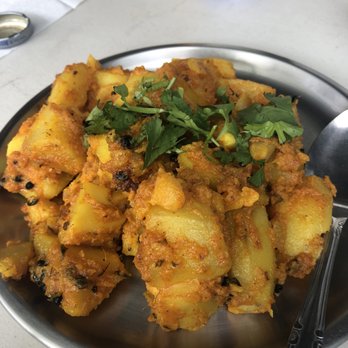
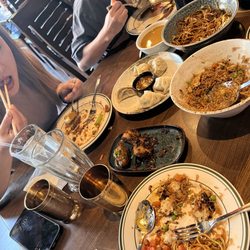
My friend and I came here for a late lunch on a Saturday afternoon while in Queens. It was around 3-3:30pm when we came in. I picked this place as my friend had never tried Himalayan or Nepalese cuisine before, and I hadn't eaten this sort of food for a long time. The restaurant is small and no-frills, with some indoor seating available. The staff were happy for us to sit inside, but they also had a small outdoor seating area which we chose to sit at. There seemed to be only one man taking orders. He brought us menus and water right away and then came back soon after to take our food orders. They have a lot of options on the menu, especially vegetarian options. We ordered a plate of steamed vegetable momos to share, as well as a potato dish which I forgot the name of. My friend had the vegetable thali for her main dish, while I had the vegetarian samayabajee. The samayabajee was very interesting. It contained flattened rice, which seemed like uncooked rice had been flattened. It had no flavor and was very crunchy. The entire platter had a lot of crunchy textures, including some sort of pine nuts and chickpeas. I enjoyed it a lot. My friend's vegetable thali tasted more like something you could find in an Indian restaurant, although she said the flavors were very different. Her dish contained some steamed greens, and several different lentil dishes alongside rice. The momos were delicious. I've had momos on several different occasions and they are one of my favorite things to eat when it comes to Himalayan cuisine. The restaurant also had two different sauces placed on the table that we tried them with; one was very spicy, and one was nutty. Both were delicious. We ended up having a lot of food left over, while the price of everything was a bargain. We ended up paying only $30 altogether for everything we ate and had food to take home. I'd definitely come back to this restaurant if I'm craving Himalayan food in the future.


Kant spoke of the categorical imperative with regard to the philosophy of morals. I speak of the categorical imperative with regard to the food at Lali Guras, i.e. if you are (1) in Jackson Heights and (2) are hungry, then you MUST visit Lali Guras to gorge your wanting stomach with the riches of this restaurant. The staff here are friendly, the ambience is nice, but most importantly the food is delicious and the prices are excellent. We ended up ordering too much food, because the portions were larger than anticipated considering the prices: - Steamed beef momos ($5) were VOLUPTUOUS and TENDER. Extremely satisfying. - Pork thenthuk ($6) was MASSIVE and RICH. Very filling. - Beef choila thali ($9) was SUCCULENT and VARIED, as it included an assortment of little dishes of goodies. At one point I was even offered free refills on a few of the items! Not sure if this is standard, but this has never happened to me at a restaurant and was deeply appreciated. If you like Nepali/Himalayan food and are in Jackson Heights, Lali Guras is the natural choice.


Raymond and I visited Jackson Heights to check out the Momo crawl, and we instantly decided not to do it. We didn't really want to pay $10 each for a passport and then wander around to different restaurants to wait half an hour and pay $1 for a momo each - so we decided to check out one of the many Tibetan restaurants in the area. I had no idea that there was such an abundance of Tibetan food here, and we stumbled upon Lali Guras. It is totally a hole in the wall restaurant - no frills, just simple, cheap, and authentic food. Okay, I can't say for sure that it's authentic, but all these reviews seem to indicate that it is and the flavors were really different from anything I've had. The servers were speaking in a language that I've never heard, and the food was bold and unapologetic. + Steamed pork momos ($5) - 5/5 - We got 8 large momos for $5! This completely validated our decision to not participate in the momo crawl because we got to enjoy our momos comfortably. Raymond and I have both had momos (him at another Tibetan restaurant, me at the World Fare) but have never liked them all that much. These were great - large soft dumplings with a firm skin that supported tasty, flavorful filling. I would highly recommend these momos. I didn't even need any of the accompanying sauce to enjoy them. + Fish thali ($10) - 5/5 - I'm giving this a 5/5 because I 100% recommend the vegetarian thali LOL. Turns out the fish thali is just the vegetarian thali + a bowl of fish curry. I am generally not a fan of fish curry for textural reasons, so disregard my thoughts on the fish. I think it was well-flavored; I just didn't wanna eat the fish. The daal was wonderfully smoky and flavorful, and we both loved it. The saag was sauteed simply with some light sauce (reminiscent of Chinese flavors, but a little different), and we also loved the way it complemented the daal. The other dish was a bit sour and not to our taste, but those other two were real hits. To our surprise, the server came around giving us refills of the vegetarian stuff! SUCH an amazing deal. I was thrilled. And also totally stuffed. + Beef chilli ($11) - 2/5 - I was really excited for this, especially after it came out because it looked SO GOOD. My mouth watered at the smell and appearance, and then I bit into the beef. Umm, what? It was really tough and I was confused and sad because this had so much potential. Raymond then told me that the yak that he had tried at the other Tibetan restaurant was also similarly tough and stringy, and mentioned that traditional Tibetan food is cooked in at a high altitude, which means it's hard for water to boil. This entree led us down on a rabbit hole in which we read articles and articles on Tibetan food, and we learned a lot culturally. So overall this was a good experience :p + Mango lassi ($2.50) - 5/5 - Very normal mango lassi (aka excellent as always) but for like half the price at most places I go. :D Overall, I would totally recommend Lali Guras as a painless introduction to Tibetan food, but probably avoid the beef chilli.


It's small and not the fancy one but the food is delicious and great portions for their price. What's more, you can ask for extra portions of the items in Thali with no additional charge. Staff members are friendly. If you aren't into spicy food it might be a bit too spicy but I love spicy so it's just perfect. I wish the place would be more spacious and clean but overall I'd love to come back again.


Tried the Momo soup here and it was great, just what I was looking for at that moment. I enjoyed it so much that I walked out to meet a friend at a station and we went back there because I recommended him to try it. The service was quick and good as well, and they have a window bar seating, which is great if you are solo. read more


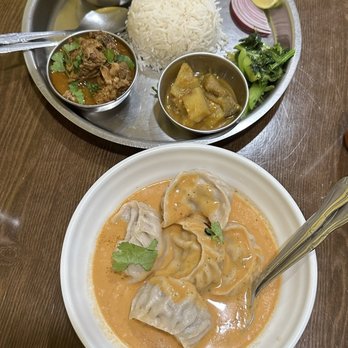
Walked in at 6:30 PM on a Saturday and there was no wait. Jhol beef momo was awesome. Also tried the goat thali with rice - loved the eggplant and greens in particular. They come around to give you free refills of the veggies and lentils, which is a nice touch. Will try fried momos next time! read more

8 months ago
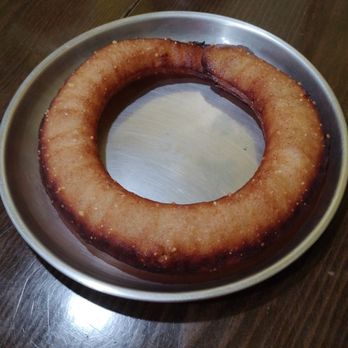
My friends who used to live really close to here (now they live still pretty close but slightly farther) recommended this place and they have yet to lead me astray so far. They got the thalis which looked good, but my friend said she also really liked the samyabajee which has more crunch and texture, so I got the bhutan one (I think I was told this was goat head but I can't remember, so feel free to double check). This was soooo good, I would absolutely get this again. It is a bit spicy so just keep that in mind, but so good. We also got jhol momos and sel roti. I could personally probably skip their jhol momos (I've had better at another spot / I think I liked the other stuff we ordered better), but the sel roti was good and yummy especially since it's been years since I've had it. Highly recommend this cozy, delicious restaurant with lovely staff. read more




Tried and trusted thali spot that I've been frequenting since I transplanted to NY. Food is tasty and they have the classic thali assortments. Small, no frills restaurant but the flavors hit the spot. Can't go wrong with a chicken thali and the portion is great- always lasts me two meals. They also accepted Zelle payments the last time I was there. read more


9 months ago
This wasn't my dish but this meal really was one of the best meals I've had out in New York. I got the fish curry Thali. It was free refills for the lentil and all vegetables. I don't know what they put in their lentil side dish but it brought tears to my eyes. They also played great music that added to the lovely and homely ambience. I would go back for this many times. Highly recommend. read more


One of many Nepalese spots in the neighborhood that many locals frequent! The chicken chilly here is incredibly flavorful and one of my favorites. Beef in the thenthuk is a bit jerky like but the soup itself is warm and hearty. Cannot go wrong with the momos either An authentic spot with comforting and homey food read more
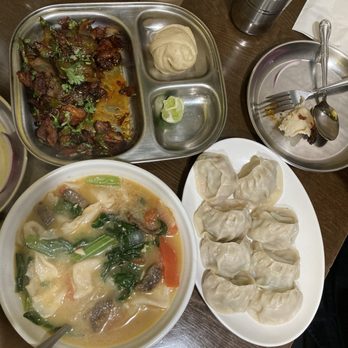

One of our favorite spots for lunch in the weekend. We have been frequenting this place for over a year. MoMo, tali, mango lassi and everything else.... Super duper yummy and most importantly the prices are really good with the amount of foods and taste. Can't wait to go there again. read more


2 years ago
Best veggie momo in Jackson Heights! It was recommended by an acquaintance and I'm so glad I tried it. I got the veggie momo twice during my trip and it was consistent. I tried steamed as well as jhol and both were good. If you're looking for veggie momo, look no further. I'm definitely coming back. The service was pleasant as well. read more


3 years ago
Been coming here for years - thalis are always delicious and their momos always hit the spot. The owners are super nice and even offered us a sample of new desserts from a nearby bakery! read more


1 year ago

5 years ago
Quality of their fish thali has gone down slightly but it's still a legit place to get Nepali food that keeps the simplicity at heart , try it and thank me later. Update, we just found out that Bikram is now gone, which is likely why the quality of the food has gone down. This is always a bummer, but understandable, still a legit Nepali restaurant. read more


It's definitely a hole in the wall Nepalese restaurant so if you EVER come around Jackson Heights, don't miss this little gem. Been here twice, and it didn't disappoint. The best part was the free refills of all the side dishes. The owner was very nice and patient with us in explaining what some dishes on the menu were, although limited in english. (Only downside the second time here was the chicken and be here was tough...but that's on us for ordering the pan fried chicken) read more

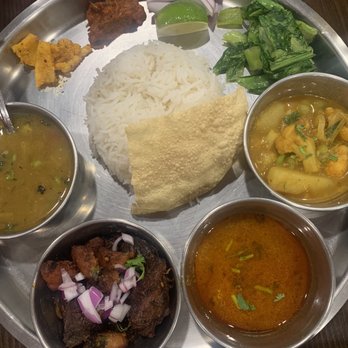


My friend and I came here for a late lunch on a Saturday afternoon while in Queens. It was around 3-3:30pm when we came in. I picked this place as my friend had never tried Himalayan or Nepalese cuisine before, and I hadn't eaten this sort of food for a long time. The restaurant is small and no-frills, with some indoor seating available. The staff were happy for us to sit inside, but they also had a small outdoor seating area which we chose to sit at. There seemed to be only one man taking orders. He brought us menus and water right away and then came back soon after to take our food orders. They have a lot of options on the menu, especially vegetarian options. We ordered a plate of steamed vegetable momos to share, as well as a potato dish which I forgot the name of. My friend had the vegetable thali for her main dish, while I had the vegetarian samayabajee. The samayabajee was very interesting. It contained flattened rice, which seemed like uncooked rice had been flattened. It had no flavor and was very crunchy. The entire platter had a lot of crunchy textures, including some sort of pine nuts and chickpeas. I enjoyed it a lot. My friend's vegetable thali tasted more like something you could find in an Indian restaurant, although she said the flavors were very different. Her dish contained some steamed greens, and several different lentil dishes alongside rice. The momos were delicious. I've had momos on several different occasions and they are one of my favorite things to eat when it comes to Himalayan cuisine. The restaurant also had two different sauces placed on the table that we tried them with; one was very spicy, and one was nutty. Both were delicious. We ended up having a lot of food left over, while the price of everything was a bargain. We ended up paying only $30 altogether for everything we ate and had food to take home. I'd definitely come back to this restaurant if I'm craving Himalayan food in the future. read more



6 years ago

Kant spoke of the categorical imperative with regard to the philosophy of morals. I speak of the categorical imperative with regard to the food at Lali Guras, i.e. if you are (1) in Jackson Heights and (2) are hungry, then you MUST visit Lali Guras to gorge your wanting stomach with the riches of this restaurant. The staff here are friendly, the ambience is nice, but most importantly the food is delicious and the prices are excellent. We ended up ordering too much food, because the portions were larger than anticipated considering the prices: - Steamed beef momos ($5) were VOLUPTUOUS and TENDER. Extremely satisfying. - Pork thenthuk ($6) was MASSIVE and RICH. Very filling. - Beef choila thali ($9) was SUCCULENT and VARIED, as it included an assortment of little dishes of goodies. At one point I was even offered free refills on a few of the items! Not sure if this is standard, but this has never happened to me at a restaurant and was deeply appreciated. If you like Nepali/Himalayan food and are in Jackson Heights, Lali Guras is the natural choice. read more


Raymond and I visited Jackson Heights to check out the Momo crawl, and we instantly decided not to do it. We didn't really want to pay $10 each for a passport and then wander around to different restaurants to wait half an hour and pay $1 for a momo each - so we decided to check out one of the many Tibetan restaurants in the area. I had no idea that there was such an abundance of Tibetan food here, and we stumbled upon Lali Guras. It is totally a hole in the wall restaurant - no frills, just simple, cheap, and authentic food. Okay, I can't say for sure that it's authentic, but all these reviews seem to indicate that it is and the flavors were really different from anything I've had. The servers were speaking in a language that I've never heard, and the food was bold and unapologetic. + Steamed pork momos ($5) - 5/5 - We got 8 large momos for $5! This completely validated our decision to not participate in the momo crawl because we got to enjoy our momos comfortably. Raymond and I have both had momos (him at another Tibetan restaurant, me at the World Fare) but have never liked them all that much. These were great - large soft dumplings with a firm skin that supported tasty, flavorful filling. I would highly recommend these momos. I didn't even need any of the accompanying sauce to enjoy them. + Fish thali ($10) - 5/5 - I'm giving this a 5/5 because I 100% recommend the vegetarian thali LOL. Turns out the fish thali is just the vegetarian thali + a bowl of fish curry. I am generally not a fan of fish curry for textural reasons, so disregard my thoughts on the fish. I think it was well-flavored; I just didn't wanna eat the fish. The daal was wonderfully smoky and flavorful, and we both loved it. The saag was sauteed simply with some light sauce (reminiscent of Chinese flavors, but a little different), and we also loved the way it complemented the daal. The other dish was a bit sour and not to our taste, but those other two were real hits. To our surprise, the server came around giving us refills of the vegetarian stuff! SUCH an amazing deal. I was thrilled. And also totally stuffed. + Beef chilli ($11) - 2/5 - I was really excited for this, especially after it came out because it looked SO GOOD. My mouth watered at the smell and appearance, and then I bit into the beef. Umm, what? It was really tough and I was confused and sad because this had so much potential. Raymond then told me that the yak that he had tried at the other Tibetan restaurant was also similarly tough and stringy, and mentioned that traditional Tibetan food is cooked in at a high altitude, which means it's hard for water to boil. This entree led us down on a rabbit hole in which we read articles and articles on Tibetan food, and we learned a lot culturally. So overall this was a good experience :p + Mango lassi ($2.50) - 5/5 - Very normal mango lassi (aka excellent as always) but for like half the price at most places I go. :D Overall, I would totally recommend Lali Guras as a painless introduction to Tibetan food, but probably avoid the beef chilli. read more


3 years ago
It's small and not the fancy one but the food is delicious and great portions for their price. What's more, you can ask for extra portions of the items in Thali with no additional charge. Staff members are friendly. If you aren't into spicy food it might be a bit too spicy but I love spicy so it's just perfect. I wish the place would be more spacious and clean but overall I'd love to come back again. read more


6 years ago
Really wanted to try Nepalese/Himalayan cuisine and found this gem near Roosevelt Ave! A quick 5-7 minute walk from the train station. They have outdoor seating yay! We ordered Tingmo, steamed beef momo dumplings, and chicken thila with rice. The Tingmo is a steamed bun, great for dipping into curry! The steamed beef momos were delicious! It is their version of a dumpling, but the inside is a bit more crumblier. The Momos were VERY juicy and flavorful. Highly recommend. Chicken thila with rice was so so flavorful. The curry chicken was spicy but not overwhelming, the lentil soup was refreshing, and the cumin vegetables gave it all a nice balance. They also replenish your rice & side dishes upon request. Would definitely come back! read more


4 years ago

4 years ago


My experience at Lali Guras was marred by the fact that I don't believe we ordered the right things - because we'd already stopped by for something small at a different restaurant on the way and only wanted appetizers, we didn't actually try any of the big set meals that looked quite delicious. Instead, we got the sel roti (kind of tough, and not very flavorful), the chicken momos (good, but I forgot there would be cilantro in them, which I dislike), and beef empanadas to go. The filling was fine, but the pastry exterior was also pretty tough and not very flavorful. However, I will say that the service was excellent; I accidentally left my card at the restaurant and they had it ready for me when I realized it was missing and came back to grab it. If I'm back in the area and feeling like Nepalese on a bigger appetite, I'd definitely give this place another chance. read more


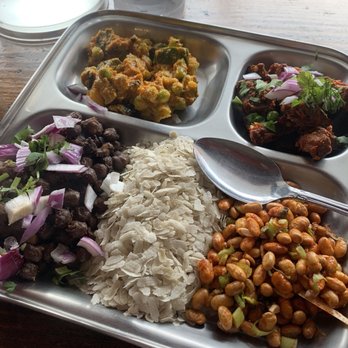

I have no basis with which to review Nepali food as I'm not familiar with the culture, but I came with my partner who woof'd there for 6 months and has become quite attached, so we came to relive some of his memories. My review is purely based off of the taste, service, aesthetic, and feel. Upon entering and looking at the tables/seating, I was reminded of every other South Asian cafe I'd been to in Sri Lanka and in the Middle East - shoddy glazed wobbly tables, metal dishware, stale chairs with no bendability and that seem toy-like in weight - my kind of place. Water in pitchers and sauce is left on tables to be shared, just like in traditional SEAsian eateries. The service was attentive, coming around for extra rice and side-dishes when they saw we were almost done. We started off with the selroti - a mildly sweet rice-dough fried ring which was nice to start, and received out mango lassi and chia (chai tea) shortly after, accompanied by chicken momo (dumplings). The mango lassi was superb, but the chia wasn't sweet enough for my liking - it could have used some more condensed milk. It was good but tasted more savoury/umame than I would have liked. The chicken momo's had a great thin skin to them and the meat was very tender and succulent. Mixed with the orange dipping sauce, I could see myself eating it every day, which my partner used to do in Kathmandu. I'm sure Western foreigners would eat this right up since they're supremely fascinated by dumplings. For our main entree, I had the chicken main dish thali. The rice, daal, veggies and fried chip were great. The meat I didn't care for so much - dried red pieces of chicken without much flavour. I can't quite pinpoint it, but something elevated my sweat glands and overtook me in spicyness - the mango lassi certainly helped with this, but I was left panting. To speak of the service, the wait-staff was overly attentive with extra fixings - rice and side dishes, but they were a bit absent when it came to receiving the check, which I guess is a cultural norm (not pressuring customers with the bill). Overall, I enjoyed our meal and was thoroughly stuffed, but I can't see myself having this too often as there's a surprising amount of food that puts you in a coma. read more


7 years ago


6 years ago

Place low key slaps. Excellent place to get good authentic food. The plating is on the exotic side. Loved all the food combined, it makes for the perfect taste. Would come here again and order more. The momo's are juicy and good, the food just downright flavorful. read more


Jackson Heights is like a Little Nepal and there are many Nepali restaurants to choose from right near the Jackson Heights Metro. I decided on Lali after reading the rave reviews for their goat thali. Phenomenal food! Authentic in comparison to Nepali food in CA. The majority of the diners are Nepali so you know you've come to a good spot. I wanted to try something new that I can't find easily back in CA and went for the vegetarian Thenthuk and the vegetarian momos. This is a lot of food for one person. The soup comes steaming hot. The soup may contain simple ingredients but the white radish, onions, tomatoes, and thick hand pulled wide rice noodles are beyond flavorful. This soup is just what you need when you are feeling sick,miss home cooked food, or after being out in the cold. The broth is light, yet well flavored by the radishes and mustard greens. This dish reminded me of one of my favorite Indian dishes, radish sambar. The hand pulled noodles are the same type you find in Korean kalguksu aka hand cut noodle soup. I am so so glad I went for the vegetarian and not the added meat versions, as I was able to really taste all of the main base ingredients. The steamed vegetable momos were amazing. 8 on a plate and you have an option to put the traditional spicy tomato sauce. The sauce had a surprising nice little kick to it. I was expecting the usual filling of potato and cabbage, but Lali's has mustard greens, potatoes and cauliflower. Healthy and light. I look forward to eating at Lali's again. Oh, if I only didn't want to try some of the other surrounding Nepali/Bhutanese restaurants! If you are in the Jackson Heights area, or need a reason to be there, the mouthwatering food is well worth a trek. read more


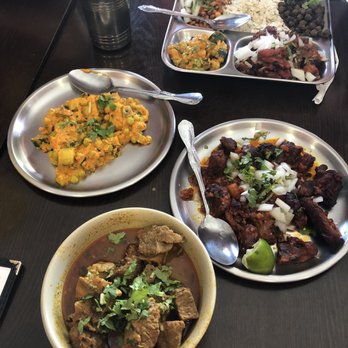
Food was too spicy for my taste The meats were spicy I ordered the mango lassi and a big tray dish (chicken thali?) that was good. My favorite was the steam bun, simple and sweet. 3.7/5 It was open on a Saturday morning for brunch so that was nice. It had enough space for 7 people so that was cool. We wanted to be indoors cause it was so hot outside The service was nice! There was clean bathroom. Price was around $12 It was near the trains in Jackson height! read more



10 years ago
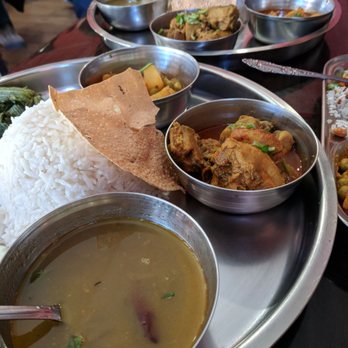
I'm up to trying different types of food & my friend told me about this place so I give it a try. Its my first time trying nepalese food & didn't really know what to expect. When we got there I observed that the place is so aromatic from the herbs they use for cooking. It has this strong smell. Not really the type of smell that I want but I just thought I might like it since they have good ratings. Place is small with a few seating. I got the mango lassi $2.50 for drink. For food we got the beef momo $5 & the chicken thali $8. Surprisingly I love it! It was delicious. The beef momo is semilar to a fried dumplings. Its crispy outside with that tender juicy ground beef inside. They have this hot sauce thats perfectly good for this! The huge place of chicken thali is everything! It has 3 different types of food, its this beans soup, the curry chicken & curry potatoes with big portion of rice. Omg! Its very tasty & flavorful! Food can be shared for 2 to 3 people. They offer free refills on everything! Rice & those 3 sides! Service is great! Very attentive. Food is cheap. We paid less than $20 for everything. While doing this review I'm still thinking how good the food is! I wanna go back right now! Yup, thats how good it is. read more


8 years ago
Great authentic restaurant, my family seemed to be the only non-regular diners in this Himalayan/Nepalese Restuarant - just what we had hoped! Everyone was so friendly and the waitress seemed to know all the diners, except us. But she made us feel right at home - she answered all of our extensive questions, explained things about the food we didn't even ask, (but wanted to ask). Place was clean, small but not cramped, and nicely decorated. The food was delicious & flavorful - not too much oil or hot spice- she was careful to explain certain dishes were indeed spicy and we guaranteed her it was okay with us! I forgot to take a picture of the appetizers because they were so good we ate them before I could take pix. We had a potato salad which was cold and we asked for regular spice - wow! it was amazing! had cucumbers in it & other authentic spices - a real treat. Portions are filling and generous! Veggie Momos were delicious! filled with spinach, carrots, onion, potato and other veggies - (not like veggie dumplings at other places filled with mostly cabbage) these were really filling - 8 pieces for $5!! We had Syabhaley (a fried patty filled with beef) that was out of this world! the beef was seasoned so beautifully and the dough was good enough to eat by itself - but together - quite yummy. I only gave 4/5 stars because I had the beef "chilly" (their misspelling) and the beef strips were tough - but the flavor and presentation was fabulous. Price was inexpensive IMO - we ordered way too much food and too home enough for lunch the next day! read more


6 years ago

My guy & I don't have experience with this type of food. I had momos before, but that's about it. We really didn't know what we were ordering, but we were feeling adventitious. We also don't love spicy food. Having said all that, we really enjoyed our dinner. The staff is very nice (they don't really seem to understand English %100 but that didn't bother us) the food was spicy for us, but still had a really good flavor. We loved the soup. We will definitely go back. Best of all was the price. So affordable to say the least. read more
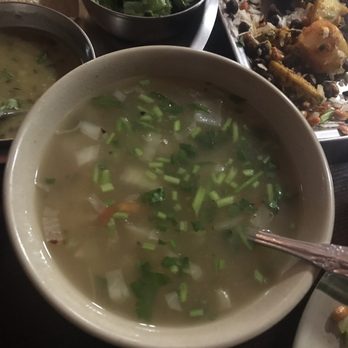


Came here a few times in the last few months and glad to say it's still amazing. The thalis and the thukpa are hearty, warm, balanced orchestrations of spice and loving effort poured into a meal. Can't wait to come back again soon. Love this place! read more


I was so turkey and mash potatoed out after 3 nights of thanksgiving celebrations, my beau and I craved food from the motherland badly. So we planned a day in Queens and after many recommendations from friends and family FINALLY came to Lali Guras. I was stoked. We got the plate of samaybajee with khasi ko Bhutan (basically a fried goat gizzards dish that is eaten as an appetizer). They have options for chicken chili and other meats, too. The plate was amazing. It also included sadeko bhatmas (marinated soy nuts), kakra ko achar (spiced cucumber salad), beans, chieura (crispy flattened rice). Samaybajee is an appetizer loved by Nepalis and found at pretty much any Nepali party/celebration. We then each had a thali that was phenomenal. They come around and ask if you want more rice, lentils, meat, or vegetables. The achaar was great, the greens were delicious and reminded me of home, and the chicken curry was on point. The restaurant is simple and dishes out fantastic Nepali food for a very affordable price. Since the majority of the upstairs was filled with Nepalis including myself, you know it's legit!!!!!!! Ambiance is average, service was fine when we were there. You won't get checked up on, but just flag 'em down and they're happy to help you! read more


Page 1 of 7
More info about Laliguras Bistro
3763 76th St
Ste A
Jackson Heights, NY 11372
Directions
(718) 424-0017
Call Now
Order Takeout or Delivery
Start Order
Full menu
Hours
Payment methods
Food & Alcohol
Indoor Amenities
Outdoor Amenities
Other Amenities
More Info
Health Score
Ask the Community - Laliguras Bistro
You might also consider



















Why does Yelp recommend reviews?
16 reviews that are not currently recommended
The reviews below are not factored into the business's overall star rating.

11 months ago

8 years ago


9 years ago

11 years ago

7 years ago

10 years ago

11 years ago

4 years ago
7 years ago
14 years ago
8 years ago
13 years ago
12 years ago
12 years ago


