
E-Mo Photos


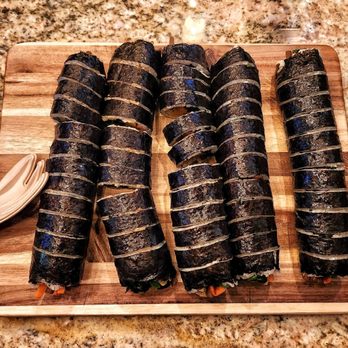

E-Mo Popular Dishes
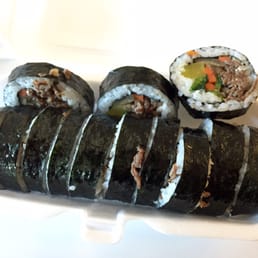





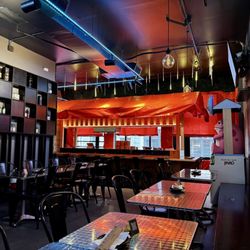
E-MO ATMOSPHERE


You might also consider


More like E-Mo
Recommended Reviews - E-Mo
Start your review...

Reviews With Photos


TLDR: If you are looking to grab something in K-Town that is fast/filling, E-Mo is a solid choice. Spicy tuna and if you can handle the spice, spicy chicken. This little shop has been around for awhile. I was in a rush and needed something filling that I could have quickly. What better than gimbap. Arguably quicker than the line at Woorijip. Got the spicy tuna and spicy chicken. Spicy tuna had a nice ratio and crunch with the veggies. Spicy chicken was definitely on the hotter side but enjoyable enough. Grabbed a corn tea to wash it all down. A decent choice if you're in the area but on the pricier side and cash only.


Here's your polished, structured version while keeping your tone and enthusiasm: I really don't have anything bad to say about E-Mo Kimbap. Every time I'm near K-Town, this is my go-to spot for kimbap. It honestly feels like a comforting break from all the commercialization and big franchises around the area--like a small business that still feels homemade, and I'm more than happy to pay cash only for it. Food: 5/5 My usual order is either the beef kimbap or the eel roll, and both are consistently great. It's surprisingly hard to find good eel, but theirs always hits the spot. What I really appreciate is how light and clean the food feels afterward--I never feel bloated or heavy. You can literally watch them make everything fresh right in front of you, which makes it feel even more satisfying. The rolls are super fresh: the rice is well-seasoned, the seaweed has that perfect crispness, and the sesame oil ties everything together in such a simple but intentional way. It's just really good, straightforward food done right. Service: 4.5/5 The service is very simple and efficient--in the best way. You place your order, and it's ready within minutes. It's not a sit-down, lingering kind of place, which is exactly the point. The team is quick, friendly, and keeps things moving smoothly. Vibe: 5/5 This is a true grab-and-go spot, and it excels at that. There's something refreshing about how no-frills it is in a neighborhood that's otherwise very busy and commercial. It feels like a hidden gem that prioritizes food over anything else. All in all, I absolutely love this place. It's fresh, consistent, affordable, and intentional in the best way. It's my perfect K-Town stop when I want something quick but comforting, and I'll definitely keep coming back.


Delicious. Fat rolls. Cash only. Hole in the wall. No sitting. A bit pricey but it's a fat roll

I love this place and must stop by if I'm in the area!! The best gimbab!! Cash only though!!


Excellent. Tiny takeout shop for made-to-order kimbap. Service is quick enough but there might be a wait during lunch or dinner rushes I guess. Good portion for the price, would make for a hearty meal. Solid ingredients all around, protein and a mix of veggies all seasoned well without being overpowering wrapped with a thin layer of rice and seaweed. Easy recommendation if you're in the mood for kimbap.
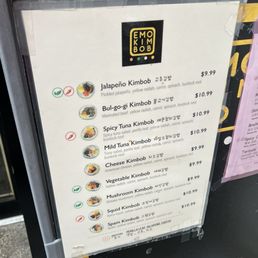

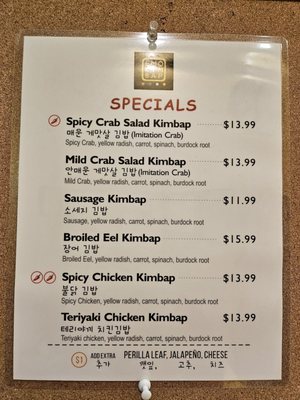
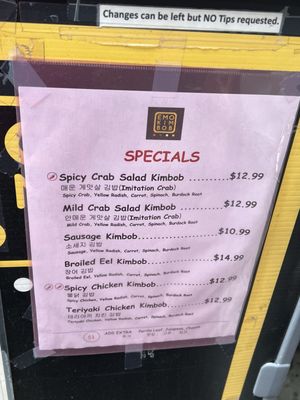
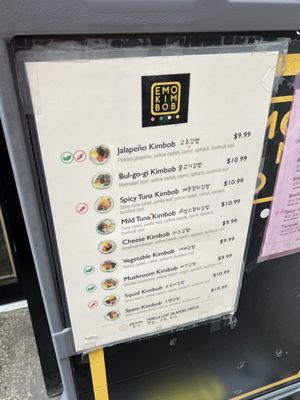
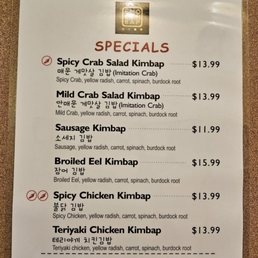
EMO Kimbop is a tasty to-go kimbop shop, located in the heart of Koreantown. They have an extensive menu of their regular and special kimbops with different fillings - We decided to order: +the Bulgogi Kimbob - filled with marinated beef, yellow radish, carrots, spinach, and burdock root +and, a Spicy Crab Salad Kimbob - one of their specials; this was filled with spicy crab, yellow radish, carrots, spinach, and burdock root WOW - both kimbops were extremely tasty and well-made; everything was seasoned perfectly and just so flavorful! They are more on the pricier end, but great for snacks or a meal to go before a trip! The owner is a husband-and-wife team, and all kimbops are made-to-order! Such a gem! +delicious kimbops +friendly owners & service


Spicy tuna kimbab for $13! This is a very good for a quick grab and go snack. They make every kimbap to order! CASH ONLY!


A little mom-and-pop spot tucked away in K Town, known for their gimbaps! It's on the pricier side but the food is very fresh and made to order. The spicy crab and eel is my go to! FYI - it's cash only!


Food: This place specializes in kimbap. They offer a wide variety of kimbaps including vegetarian and non vegetarian options. Their kimbaps are made fresh. I would recommend getting the spicy squid. The kimbap is so fresh and delicious here and much better than kimbap from other places in ktown. This place is cash only. Service: Staff are friendly and welcoming. Ambiance: This is a very small storefront in the heart of ktown with no seating. Overall, I would highly recommend this place!


Still cash only! Very small place, no seating area, order and leave. Try for yourself and you decide. I have been to this place many times before and was surprised I never wrote a review. It's been 1-2 years since I've been here so take this with a grain of salt. Stopped by and was picking up a quick lunch item. The prices went up by $2 and more ingredient options available. I decided on a mushroom kimbob ($10). The kimbob was warmish and they didn't have the miso soup anymore unless they ran out and I misunderstood that day. The kimbob didn't taste the same as it used to. In the past, I couldn't get enough of the mushroom in equally cut sizes. I miss the elderly woman making the rolls and soup.


CASH ONLY, but a very convenient and quick spot to pick up food on the go! I prefer E-Mo over other places in ktown.


9 years ago
11 years ago
19 years ago

14 years ago
12 years ago
9 years ago
14 years ago
11 years ago
9 years ago

14 years ago

12 years ago
15 years ago

15 years ago

12 years ago
11 years ago
12 years ago
12 years ago
17 years ago
16 years ago
14 years ago
12 years ago
12 years ago
11 years ago
10 years ago
13 years ago
12 years ago
11 years ago
More info about E-Mo
2 W 32nd St
New York, NY 10001
Koreatown, Midtown West
Directions
(212) 594-1466
Call Now
Hours
Payment methods
Food & Alcohol
Indoor Amenities
Outdoor Amenities
Other Amenities
From the Business
Ask the Community - E-Mo
Is this place permanently closed?
I'm super hungry and I wanna fill up. How much kimbob should I order for myself?
One is already filling! But if you're super hungry, I recommend getting two MAX
You might also consider
















Why does Yelp recommend reviews?
17 reviews that are not currently recommended
The reviews below are not factored into the business's overall star rating.

17 years ago


17 years ago
7 years ago
14 years ago

14 years ago

5 years ago

13 years ago

11 years ago

9 years ago
11 years ago
10 years ago

8 years ago

10 years ago
12 years ago

11 years ago
17 years ago


