
Order Dimitri's Restaurant Takeout or Delivery
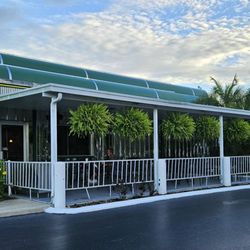
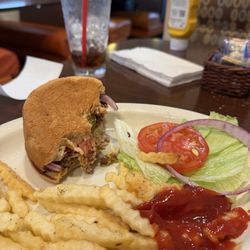
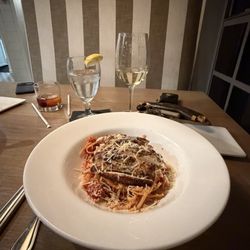
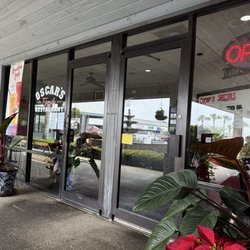
Dimitri's Restaurant Photos


Business Info
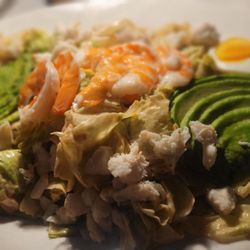
Dimitri's Restaurant Popular Dishes


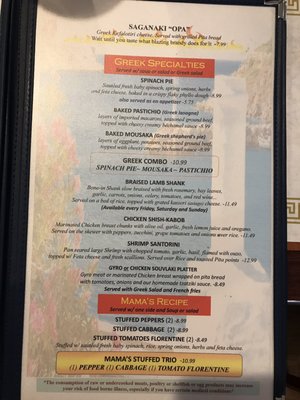


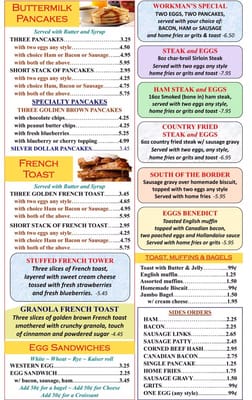

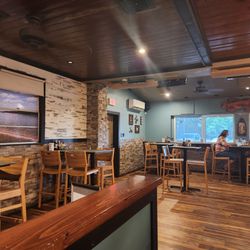
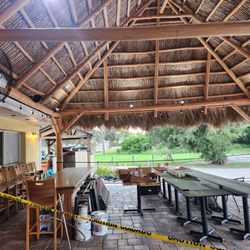
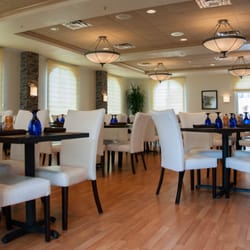
DIMITRI'S RESTAURANT ATMOSPHERE


You might also consider


Recommended Reviews - Dimitri's Restaurant
Start your review...

Reviews With Photos

We ate at DIMITRI's Restaurant and had a great experience. My wife ordered the Caribbean tacos and they were excellent. I had a bowl of French onion soup, which was very tasty, along with the patty melt and a side of sweet potato fries. Everything was cooked perfectly and full of flavor. Amber was our waitress and she was very attentive, polite, and genuinely nice. My wife asked for tiger sauce for the sweet potato fries--Amber hadn't heard of it before, but she graciously checked with the kitchen and had the cook mix some up for her. That extra effort really stood out. The food was excellent, the service was excellent, and the prices were very reasonable. We'll definitely be back.


Great food, great staff and great atmosphere. Every time we eat here it is delicious. They have formal dining, a pizza place and a bar all in one building. We usually choose the dining area because it is quieter but the Back Alley Bar is a fun atmosphere with great music. Not a huge fan of their pizza but it is pretty good still.


What a mouthful! The actual name of this joint is Dimitri's Restaurant, Pizza Kitchen and Its 5 O'clock Somewhere Bar. It's been around for many years and it's a family run complex of three attached places with a common parking lot. I've been to all three places several times and I gotta say, my fellow Yelpers cumulative rating of 3.5 stars is spot on! I've had some three-star experiences but also several 4-star ones. It's wildly popular. Today I was in the restaurant for breakfast. It's a diner atmosphere with an exceptionally large American style menu. I was seated immediately, and my server appeared with a menu within a minute. I had my drink in another minute. I had my meal about five minutes after I ordered it. While I was eating, my server checked on me twice. What's not to like! I ordered a Meatlovers Omelet with Home Fries and Wheat Toast. With the drink It cost about ten bucks. The omelet was done nicely and packed with meat so the carnivore in me was satiated. The home fries were not too greasy which I appreciate. The toast was fine with plenty of butter. Soooo, I'm in and out in about 30 minutes with a full belly and a smile on my face!


11 years ago

6 years ago

10 years ago

9 years ago

9 years ago
7 years ago

11 years ago

13 years ago
I have been here for breakfast and lunch. Their food is fresh and pretty decent. They serve my favorite biscuits and gravy over any other place in the area. You will hear that they serve breakfast all day, but let my experiences tell you to beware. The first time I tried to get breakfast after 11 they told me there was no gravy available. Okay, so I got lunch. The second time I called beforehand and asked the owner if they would have gravy after 11. He answered that they would because they serve breakfast all day. So we go... I get there and the waitress informs me yet again, no gravy. I explained how we had called beforehand to make sure. She walks away from the table and never comes back until our food arrives. What I received was not their normal gravy... To this day I still have no clue what it was. I asked to speak to the owner. We spoke and I informed him about my last two trips for breakfast after 11. He didn't make us pay for anything and was very pleasant and apologetic. So the warning to all my yelpers!! Do not go here for breakfast after 11. read more


9 years ago

12 years ago

9 years ago

10 years ago

9 years ago
8 years ago

11 years ago

10 years ago
Really happy that I found this place. Was in Sebring for a Golf trip this past weekend and was staying at the Kenilworth lodge and I walked over here for Breakfast. I was there first thing when the doors opened. I was seated right away at the bar. Within a couple minutes I had a water and coffee right in front of me. Then menu is not overwhelming, but everything looked good. At this time I went with the South of the Border. Basically Biscuits and Gravy, homefries, and topped with eggs. You need good Gravy to make it in the Breakfast biz in my opinion and this place has it. Took no longer then 8 minutes for my food, my water and coffee never went dry, and the Ladies working at the time were excellent. When I was on my out the place was starting to get packed. Just seeing that I knew I made a good choice coming here. Also received 10 percent off of my bill since I was staying next door the staff told me about it. When I come every year for golf this place will be a must for me. read more


10 years ago

9 years ago

9 years ago

12 years ago
7 years ago
7 years ago

9 years ago

10 years ago
8 years ago

10 years ago
8 years ago
7 years ago
8 years ago
9 years ago
5 years ago
8 years ago
8 years ago
8 years ago
8 years ago
8 years ago
8 years ago
11 years ago

10 years ago
8 years ago
More info about Dimitri's Restaurant
2710 Kenilworth Blvd
Sebring, FL 33078
Directions
(863) 385-7323
Call Now
Visit Website
https://www.dimitrisrestaurant.net
Full menu
Hours
Payment methods
Food & Alcohol
Indoor Amenities
Outdoor Amenities
Other Amenities
More Info
Health Score
Ask the Community - Dimitri's Restaurant
You might also consider


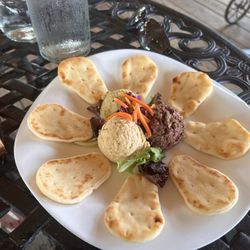


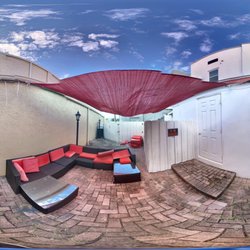















Why does Yelp recommend reviews?
15 reviews that are not currently recommended
The reviews below are not factored into the business's overall star rating.


4 years ago

2 years ago
9 months ago
7 years ago
11 years ago
3 years ago
2 years ago
6 years ago

10 years ago

1 year ago
8 years ago
8 years ago

11 years ago

4 years ago


