
Uzuki Photos



Business Info




UZUKI ATMOSPHERE
What's the vibe?

You might also consider


More like Uzuki
Recommended Reviews - Uzuki
Start your review...

Reviews With Photos


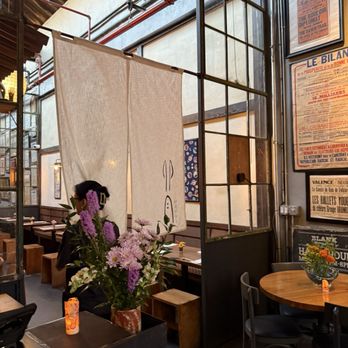
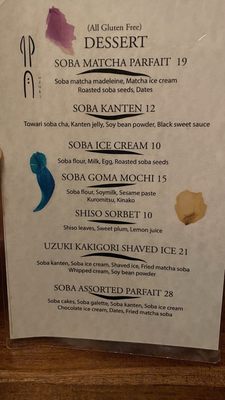
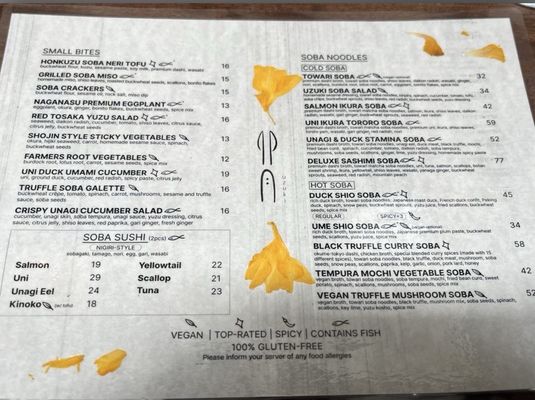
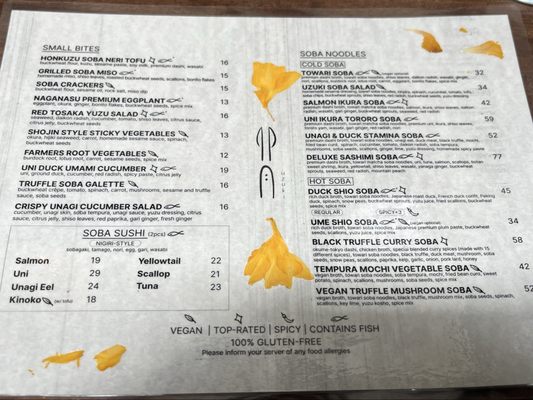
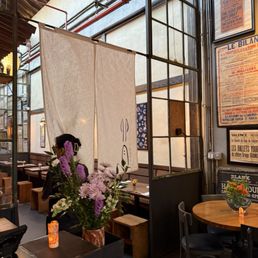
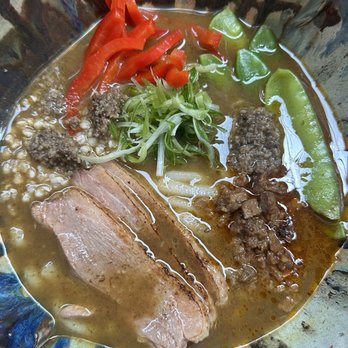
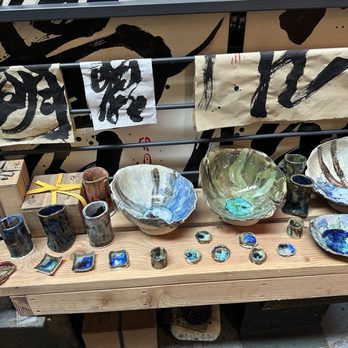
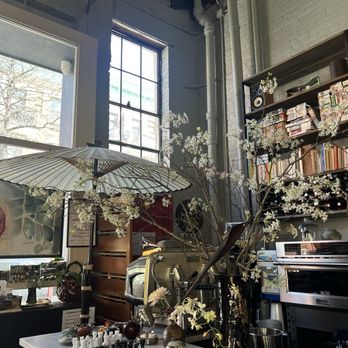
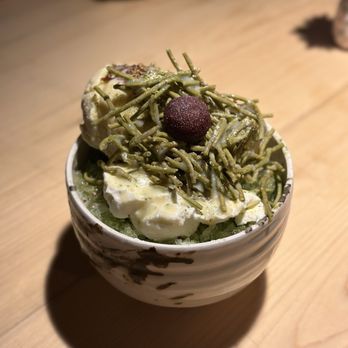
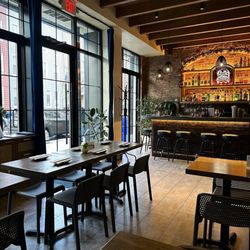
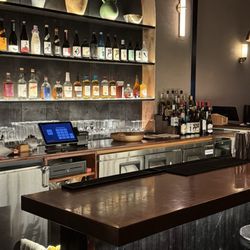
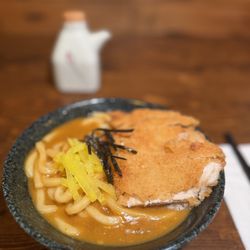
We made a reservation at 3PM because there was a notation on Resy that typically they only reserve limited seating for walk in. However when we got here it was rather empty and there were maybe 4-5 parties. I think the lack of people only added to the ambiance as it felt quite relaxing and calming in the restaurant. I absolutely love how the restaurant is decorated. There's so much sunlight that pours in from the ceiling windows and it looks like the most cozy Japanese store. It genuinely feels like a dream inside compared to the outside bustling streets of NYC. For small bites we tried the honkuzu soba neri tofu ($17.00) which I believe they make in house. It is so unique from the slight sweetness and the way it almost melts like mochi. The fresh wasabi on top and the dashi complement the tofu wonderfully. My sister and I got two completely different dishes: salmon ikura soba ($45.00) and black truffle yakuzen curry soba (sub udon noodles) ($58.00 + $3.00). The salmon ikura soba was cold and refreshing on a hot day. While the black truffle yakuzen curry soba was perfect comfort food for a bad day. The waitress suggested I substitute the soba for the udon noodles and it was definitely a great decision. The udon noodles were so chewy and paired perfect with the curry flavors. For dessert we opted for the shiso sorbet ($10.00) and soba ice cream ($10.00). I think the shiso sorbet is definitely an interesting taste, it's tart and definitely a palate cleanser. However I think the star was the soba ice cream as it was so creamy and buttery. To top it off all the plates they use are apparently made by the chef which I feel makes you appreciate the meal even more as a whole. I would definitely make another stop when I'm back in town. :)


Fantastic experience, amazing and authentic Japanese food! Staff is very attentive and extremely nice. The food is certainly on the pricier side but it is absolutely worth it. Our food was served quickly and the salmon soba tasted absolutely amazing and super fresh! The ambiance was upscale and quiet as the restaurant seems very cozy. Ever since visiting Japan a few years ago my husband and I are always on the hunt for great authentic Japanese restaurants and this is one not to miss.


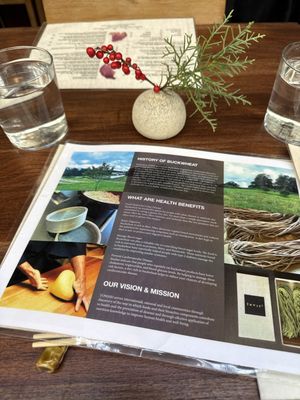
Delicious food! I loved all the information that was provided to learn more about the ingredients as well. We tried the uni soba and thought the amount of uni was great. All the side dishes and toppings really made the eating experience good. What stole the show though, was dessert. Our server recommended adding the ice cream to the mochi and she was absolutely right and wonderful for making the recommendation!


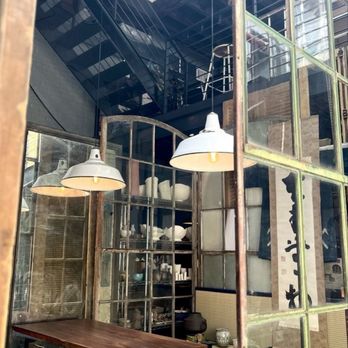
Setting price aside for a second - 10/10 experience. The interior is spacious with huge ceilings and different vintage items as well as pottery. There is a private tatami-style room... wonder how you get lucky enough to get seated there. The food was excellent. The hot duck soba noodles hit the spot on a cold late November evening for me. The 3 types of duck meat were tender and the duck broth was so flavorful and clean. The salmon cold soba broth, which my partner ordered, would have been great for a hot summer day. This place is friendly for vegan and gluten-free diets, given the restaurant uses buckwheat flour for everything. Now... factoring in the price - yes, it's a place you to go when you splurge once in a while or if you have a special date night/special occasion (or... more often, if you have that kind of money). But it will be worth it!
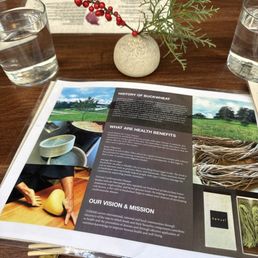

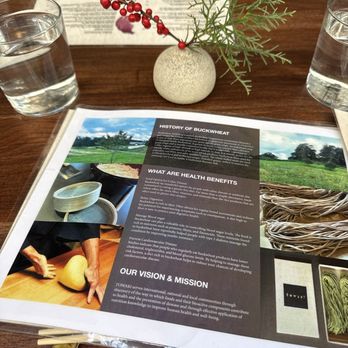
Ambiance: This spot is honestly my new fav soba place! The ambiance is 10/10 I feel like I'm in just a zen place. Great place to catch up with friends. Service: The service is amazing and warm Food $$: The food is pricer but so worth. The salmon was so fresh and the description of each soba is made with such detail. Audience: Solo Trip [X] Family Friendly [ X] Friends [X] Date Spot [X] Recommendations/tips: I highly recommend checking this place out!


Such a beautiful interior here at Uzuki. I got the black truffle curry soba entree and it was phenomenal. So much flavor and it was perfectly balanced all in an amazing broth. Servers were fantastic. Will undoubtedly be back here again.


Best soba I've ever tasted in nyc. The vibes in the restaurant were immaculate - very cool, chic, cozy. Service was good!


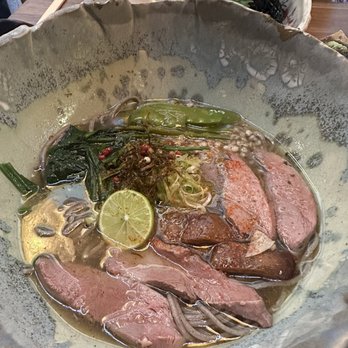
I tried the duck soba at Uzuki and was really impressed! The broth was flavorful, and the tanginess from the lime complemented everything perfectly. The duck breast was cooked tender as well. I also got to try some salmon soba, and surprisingly, the raw salmon paired nicely with the noodles The soba itself is more soft than chewy, which I think is just the nature of buckwheat noodles. One downside: it's definitely on the pricey side, and the portions aren't huge. Still, the ambiance was cozy, and I loved their dinnerware


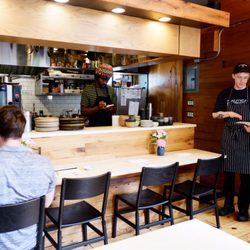
Positives: the service, flavor, and ambiance created by the gorgeous restaurant interior. My friend and I came here for an early dinner and were immediately in love with the space. We chose to sit at the bar and were able to watch the dishes be prepared, which was fun as well. Both cold and hot sobas were so delicious. Both had a light umami flavor while not being overwhelmingly salty, and I thought the cold soba specifically had a great depth of flavor I couldn't get enough of. At 6:30 the space was largely empty, but by 7:30 it was pretty crowded so I definitely recommend making a reservation just in case. Bonus: 100% gluten free, allergen conscious. As a celiac diner, this restaurant was perfect in terms of catering to my needs. The servers and staff were diligent and careful with my other allergies too, and were able to modify the uni cucumber dish to have uni on the side for my friend (which was fantastic without the uni, and according to my friend delicious with it too). In terms of anything less than positive, I wasn't a huge fan of the soba sushi. The combination of the buckwheat, egg, and fish wasn't my favorite in terms of texture, and overall I found the flavor lacking. Additionally, the noodle texture was a bit inconsistent, though I wasn't too bothered by it because the flavor was fantastic. The pricing is really what made me waffle on the rating - for what you get, it's quite expensive to find here. I definitely wouldn't come here all the time due to the pricing - but for a great vibey night or experience, I'd definitely make this a special occasion restaurant.
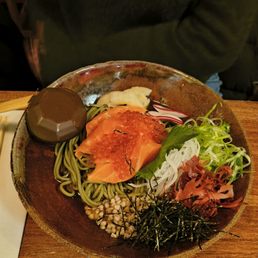

I had heard such rave reviews about this place and was honestly just a bit disappointed. I ordered the very popular duck shio soba, and it just wasn't to my liking. The soup base was super acidic with nothing to balance it out. The duck meat was good, but it was hard to enjoy with the soup biting at me. The noodles were fine, but I thought they were a bit overcooked as they were a little soft. Maybe I should've tried a different dish, but for me, the price point vs the experience was not it for me.


The place really makes you feel as though you have been transported to Japan with its calm presence. We were able to walk in without having reservations. There is a small lounge and bar area when you walk in plus two separate eating areas and a private room in the back. We ordered two dishes to share: one hot/ one cold. They were both delicious and different enough from one another. The authentic soba noodles are made in house. The cold Salmon Ikura Soba with the sweet dashi was my preference. The Duck Shio Soba was served hot and came with 3 different preparations of duck. The two entree bowls were more than enough food, we could have easily shared one. Presentation is well thought out with the fresh ingredients being strategically placed for viewing. The food is presented in these gorgeous works of art one of a kind dishes that the owner/chef makes there. They are available for sale along with other pieces of his in the back of the restaurant. Our waitress was so informative and attentive. She really guided us on what to have. I can't wait to go back and try something else.


Maybe I just didn't order the correct dish, but I was underwhelmed after hearing all of the excitement around this restaurant. The starters were good (eggplants and daikon salad) with a very mild seasoning. The stamina soba, however, tasted salty and the mish mash of the toppings didn't quite make sense to me. We got the parfait and the shiso sorbet, both very good. The parfait is big and easy to split and the shiso sorbet was perfectly tangy. They also really advertise when dishes are gluten free, and it gave the impression that they were attempting a healthier approach but in doing so compromised the taste.


An amazing meal! Started off with the crispy cucumbers salad and Neri tofu - this was interesting very nutty tasting like peanut butter. Then for entrees- definitely recommend the hot duck soba and then the salmon ikura was refreshing. These flavors are unique, nothing I've ever had before. For dessert there was the fried soba noodle with two ice creams scoops & small Japanese pastries, very delicious. The staff was very friendly and attentive, decor eccentric. It is on the pricier side but overall it was a unique experience for me.


Grabbed a last-minute reservation for a Friday night and had a wonderful meal here. Salmon ikura soba was fantastic, but the duck shio soba was the star - broth was unreal. Naganasu premium eggplant was good too. Shiso sorbet was a great ending! 5 stars for the duck shio alone. Space is also soooo cool. I'm not the first to point it out, but yes it took me back to Japan in here. Pricey but worth it. read more


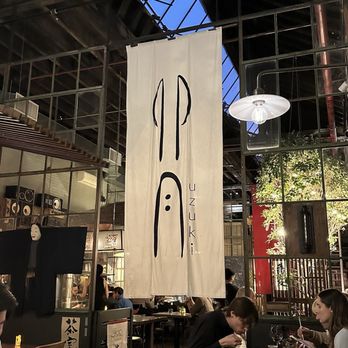

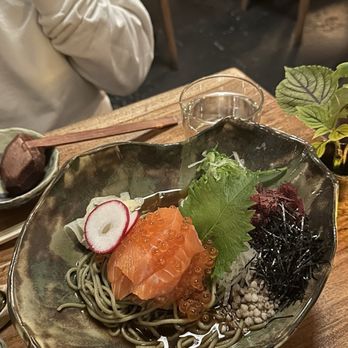

This restaurant transports you back to japan. The food is also extremely delicious, super underrated spot imo! And I would definitely recommend sitting counter so you can see the chefs prepare food in front of you. The appetizers shone here - the salad was so refreshing with an abundance of flavors and textures from the eel and the crispy eel skin, and the chicken yakitori was some of the best I ever had. The chicken was extremely juicy and there were also so many veggies!! For the soba, I preferred the cold soba (more refreshing). The duck soba was also not bad but the broth was extremely lime forward and the duck was a bit tough. Overall though the texture of the soba was cooked perfectly though. The interior is so zen and peaceful and intimate, and service was great! read more

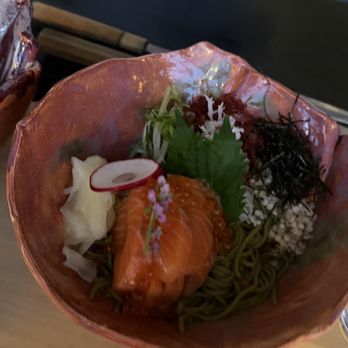


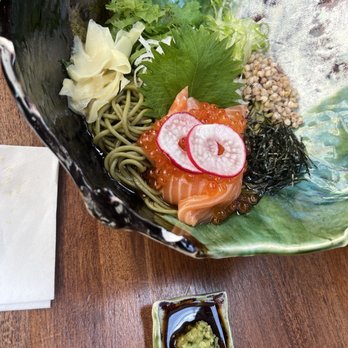
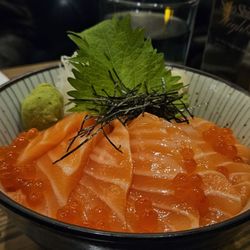
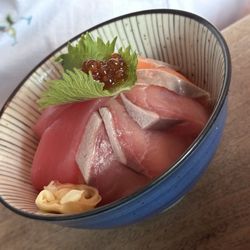
Walk into a transformed warehouse decorated with so much unique art and displayed with massive, colorful handmade ceramic bowls. A pricy but worthy experience + Salmon ikura soba ($45): matcha soba in a citrusy tangy broth with thick salmon pieces, ikura, beet, green onions fingers sprouts and side of wasabi cucumber soy. Heavenly combination for a warm day (10/10) + Duck shio soba ($47): 3 differently cooked duck, very savory compared to the salmon (7/10) read more

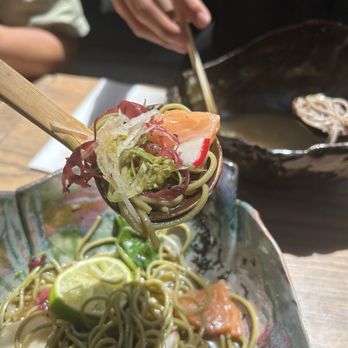


We made a reservation at 3PM because there was a notation on Resy that typically they only reserve limited seating for walk in. However when we got here it was rather empty and there were maybe 4-5 parties. I think the lack of people only added to the ambiance as it felt quite relaxing and calming in the restaurant. I absolutely love how the restaurant is decorated. There's so much sunlight that pours in from the ceiling windows and it looks like the most cozy Japanese store. It genuinely feels like a dream inside compared to the outside bustling streets of NYC. For small bites we tried the honkuzu soba neri tofu ($17.00) which I believe they make in house. It is so unique from the slight sweetness and the way it almost melts like mochi. The fresh wasabi on top and the dashi complement the tofu wonderfully. My sister and I got two completely different dishes: salmon ikura soba ($45.00) and black truffle yakuzen curry soba (sub udon noodles) ($58.00 + $3.00). The salmon ikura soba was cold and refreshing on a hot day. While the black truffle yakuzen curry soba was perfect comfort food for a bad day. The waitress suggested I substitute the soba for the udon noodles and it was definitely a great decision. The udon noodles were so chewy and paired perfect with the curry flavors. For dessert we opted for the shiso sorbet ($10.00) and soba ice cream ($10.00). I think the shiso sorbet is definitely an interesting taste, it's tart and definitely a palate cleanser. However I think the star was the soba ice cream as it was so creamy and buttery. To top it off all the plates they use are apparently made by the chef which I feel makes you appreciate the meal even more as a whole. I would definitely make another stop when I'm back in town. :) read more




6 months ago
Fantastic experience, amazing and authentic Japanese food! Staff is very attentive and extremely nice. The food is certainly on the pricier side but it is absolutely worth it. Our food was served quickly and the salmon soba tasted absolutely amazing and super fresh! The ambiance was upscale and quiet as the restaurant seems very cozy. Ever since visiting Japan a few years ago my husband and I are always on the hunt for great authentic Japanese restaurants and this is one not to miss. read more


Delicious food! I loved all the information that was provided to learn more about the ingredients as well. We tried the uni soba and thought the amount of uni was great. All the side dishes and toppings really made the eating experience good. What stole the show though, was dessert. Our server recommended adding the ice cream to the mochi and she was absolutely right and wonderful for making the recommendation! read more


Setting price aside for a second - 10/10 experience. The interior is spacious with huge ceilings and different vintage items as well as pottery. There is a private tatami-style room... wonder how you get lucky enough to get seated there. The food was excellent. The hot duck soba noodles hit the spot on a cold late November evening for me. The 3 types of duck meat were tender and the duck broth was so flavorful and clean. The salmon cold soba broth, which my partner ordered, would have been great for a hot summer day. This place is friendly for vegan and gluten-free diets, given the restaurant uses buckwheat flour for everything. Now... factoring in the price - yes, it's a place you to go when you splurge once in a while or if you have a special date night/special occasion (or... more often, if you have that kind of money). But it will be worth it! read more


Ambiance: This spot is honestly my new fav soba place! The ambiance is 10/10 I feel like I'm in just a zen place. Great place to catch up with friends. Service: The service is amazing and warm Food $$: The food is pricer but so worth. The salmon was so fresh and the description of each soba is made with such detail. Audience: Solo Trip [X] Family Friendly [ X] Friends [X] Date Spot [X] Recommendations/tips: I highly recommend checking this place out! read more

6 months ago
Such a beautiful interior here at Uzuki. I got the black truffle curry soba entree and it was phenomenal. So much flavor and it was perfectly balanced all in an amazing broth. Servers were fantastic. Will undoubtedly be back here again. read more


1 year ago

2 months ago


I tried the duck soba at Uzuki and was really impressed! The broth was flavorful, and the tanginess from the lime complemented everything perfectly. The duck breast was cooked tender as well. I also got to try some salmon soba, and surprisingly, the raw salmon paired nicely with the noodles The soba itself is more soft than chewy, which I think is just the nature of buckwheat noodles. One downside: it's definitely on the pricey side, and the portions aren't huge. Still, the ambiance was cozy, and I loved their dinnerware read more


Positives: the service, flavor, and ambiance created by the gorgeous restaurant interior. My friend and I came here for an early dinner and were immediately in love with the space. We chose to sit at the bar and were able to watch the dishes be prepared, which was fun as well. Both cold and hot sobas were so delicious. Both had a light umami flavor while not being overwhelmingly salty, and I thought the cold soba specifically had a great depth of flavor I couldn't get enough of. At 6:30 the space was largely empty, but by 7:30 it was pretty crowded so I definitely recommend making a reservation just in case. Bonus: 100% gluten free, allergen conscious. As a celiac diner, this restaurant was perfect in terms of catering to my needs. The servers and staff were diligent and careful with my other allergies too, and were able to modify the uni cucumber dish to have uni on the side for my friend (which was fantastic without the uni, and according to my friend delicious with it too). In terms of anything less than positive, I wasn't a huge fan of the soba sushi. The combination of the buckwheat, egg, and fish wasn't my favorite in terms of texture, and overall I found the flavor lacking. Additionally, the noodle texture was a bit inconsistent, though I wasn't too bothered by it because the flavor was fantastic. The pricing is really what made me waffle on the rating - for what you get, it's quite expensive to find here. I definitely wouldn't come here all the time due to the pricing - but for a great vibey night or experience, I'd definitely make this a special occasion restaurant. read more


9 months ago
I had heard such rave reviews about this place and was honestly just a bit disappointed. I ordered the very popular duck shio soba, and it just wasn't to my liking. The soup base was super acidic with nothing to balance it out. The duck meat was good, but it was hard to enjoy with the soup biting at me. The noodles were fine, but I thought they were a bit overcooked as they were a little soft. Maybe I should've tried a different dish, but for me, the price point vs the experience was not it for me. read more
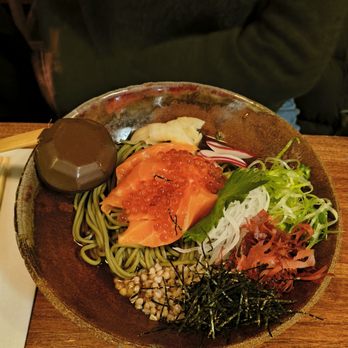


The place really makes you feel as though you have been transported to Japan with its calm presence. We were able to walk in without having reservations. There is a small lounge and bar area when you walk in plus two separate eating areas and a private room in the back. We ordered two dishes to share: one hot/ one cold. They were both delicious and different enough from one another. The authentic soba noodles are made in house. The cold Salmon Ikura Soba with the sweet dashi was my preference. The Duck Shio Soba was served hot and came with 3 different preparations of duck. The two entree bowls were more than enough food, we could have easily shared one. Presentation is well thought out with the fresh ingredients being strategically placed for viewing. The food is presented in these gorgeous works of art one of a kind dishes that the owner/chef makes there. They are available for sale along with other pieces of his in the back of the restaurant. Our waitress was so informative and attentive. She really guided us on what to have. I can't wait to go back and try something else. read more




Maybe I just didn't order the correct dish, but I was underwhelmed after hearing all of the excitement around this restaurant. The starters were good (eggplants and daikon salad) with a very mild seasoning. The stamina soba, however, tasted salty and the mish mash of the toppings didn't quite make sense to me. We got the parfait and the shiso sorbet, both very good. The parfait is big and easy to split and the shiso sorbet was perfectly tangy. They also really advertise when dishes are gluten free, and it gave the impression that they were attempting a healthier approach but in doing so compromised the taste. read more


An amazing meal! Started off with the crispy cucumbers salad and Neri tofu - this was interesting very nutty tasting like peanut butter. Then for entrees- definitely recommend the hot duck soba and then the salmon ikura was refreshing. These flavors are unique, nothing I've ever had before. For dessert there was the fried soba noodle with two ice creams scoops & small Japanese pastries, very delicious. The staff was very friendly and attentive, decor eccentric. It is on the pricier side but overall it was a unique experience for me. read more


5 months ago
huge fan of this chef and his work in every aspect from the soba to his handmade ceramic bowls and small platters. every nook of this place is insanely beautiful and a very intentional space. presentation of the soba was wild. i almost shed a tear by the end of my meal. the duck was so soft and tender, the ratio of soba to duck was perfect and they don't skimp out here. i hope to try more of their items the next time i'm back. read more


Dropped by for lunch on the weekend and it wasn't too busy at all. The interior is gorgeous and spacious and the ceramic they use is truly a work of art. I got the hot duck soba, which was delicious - broth was flavorful, duck was tender, the bites of yuzu was refreshing, and I liked the addition of buckwheat seeds. We also got the matcha soba parfait which was great. I just docked a star for the price - I hadn't looked at menu prices in advance and was shocked to see the duck soba was $42 (the matcha parfait was $19). Food was good but you're definitely paying for ambiance. read more


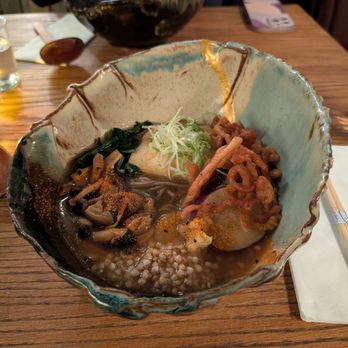
Pricey, but great execution. I had the tempura mochi soba. I loved the large variety of toppings - pickled veg, mushrooms, greens, barley, fried tempura bits, and the large fried mochi cake in the center. The broth was wonderfully complex even for being vegan - savory and just a bit sweet. I sprung for a bit of the pepper paste on the side, which really added a nice pop. The noodles were a bit soft for my taste, but that's probably just a function of the buckwheat in the noodles. Everything was beautifully presented in the unique bowls. It's expensive at $42 before taxes and tip, but worth a try at least once. read more

1 year ago
This place is pricy but the food is delicious and they're celiac safe. I was also super happy to see vegan options. The soba noodles are made of buckwheat so they're naturally gluten free. very yummy! read more


1 year ago
Uzuki is a hidden gem in Greenpoint! The airy, sun-filled restaurant was such a beautiful place to eat on a summery afternoon. My friend and I decided to share two small plates and a main: - Uni Duck Umami Cucumber ($19) - Crispy Unagi Cucumber Salad ($16) - Salmon Ikura Soba ($42) Both small plates were refreshing apps to snack on throughout the meal. The uni was specifically flown in that morning from Maine! We especially loved the unagi skin and glazed tempura pieces in the cucumber salad. The salmon Ikura soba was a lovely bowl of noodles - a work of art! It came with 6 slices of salmon and tasted so soft and fresh. The soba is homemade in house. It wasn't as chewy of a texture given that it's gluten-free, just an FYI! I will say for two people, this was not enough food, but we were a bit mindful of budget since this already came out to a subtotal of $77. I would recommend that people order two mains and share an app instead. Highly recommend for a cute date / friend spot! We came on a Sunday at 1pm and there was still plenty of open tables. read more


2 months ago
I had a truly great experience here. Entering the restaurant, I was pleasantly surprised by the interior as I have never seen a restaurant like that. It was so artsy, cozy and welcoming. The owner of the restaurant welcomed us in. A very nice lady who explained to us what the dishes were, and gave us good recommendations as well. The food took awhile to come, but it was worth the wait. You could taste the freshness of the soba in the Duck Shio Soba dish and the Nerj tofu was one of a kind. The texture and taste was much different from regular tofu and the sauce complimented the tofu piece we got. The dessert was also a unique dessert that I have never tried before and was definitely satisfied trying it. It had a nice sweetness and the flavors all went well together. Highly recommend these dishes and the restaurant. read more


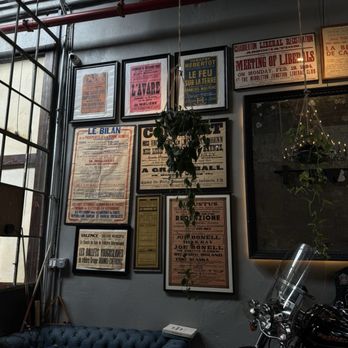


I love buckwheat soba, and I wanted to try Uzuki ever since I heard about their fresh 100% buckwheat noodles. Buckwheat gets so brittle, it's very hard to find any places in Asia that used 100% buckwheat to make their noodles. The shop is beautiful, with coat rack in the back (thoughtful) and little display of pottery. There was a cellist at the front of the restaurant halfway through our meal. The waitstaff checked on us every other minute. It had all the qualities of an elevated dining experience. We had some veggies in sesame sauce as appetizer. It was good, but personally I would have preferred less sauce especially since the okra made the whole thing feel sticky and heavy. I had the cold soba with uni and ikura. The noodles were so elastic, which I was shocked by. They didn't impart a lot of buckwheat flavor, but it was a nice texture against the sweet and salty cold broth. The uni tasted creamy. I have had fresher, but I understand they are harder to come by in New York. In any case, it was a generous amount of uni and ikura. Personally, I needed the wasabi but not the grated yam. I forgot the name of the sake we got, but we got it cold and it was like a lovely refreshing white wine, very fruity and floral. Overall, the restaurant was very aesthetic and carefully crafted, though I wish the buckwheat flavor shined more through the meal. read more


This place is incredible - truly a hidden gem. The space feels like a little Japanese oasis with handmade soba noodles and super fresh ingredients. The chef seems really cool and passionate - not only is the food extremely thought out, but they also make their ceramics at the back which is so impressive! read more


7 months ago
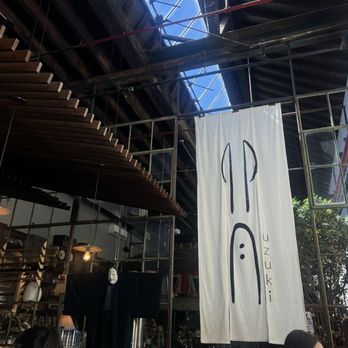
10/10 experience! My friend and I were in awe of how beautiful and open styled the place was. The owners artistry and vision was clear to see! The food was so yummy and we ate it very quickly (a sign of fantastic plates). Definitely will be coming back! Need to buy one of the bowls the soba was served in - so beautiful! read more






2 years ago
Food 10/10 Came across this space on a Saturday evening in Greenpoint and was absolutely blown away by almost every single bite. Albeit a bit pricey, this cute spot served some killer tofu, soba, and kakigori. The tofu was slightly sweet and had some beans mixed in, came in a slightly sweet sauce, and the texture was just out of this world. Creamy and soft, rich and delicate at the same time. The warm sobas I think could be skipped, but that's because I love the chew when it's cold soba way more. The duck soba was good, had great flavor and duck, but I just didn't like the noodles as much. The uni soba, on the other hand, was an absolute bowl of perfection. Very generous Atmosphere 10/10 Very zen interior, we snagged a "bar" seating, so it was pretty cool to see the different dishes getting assembled in front of us. The bowls are all incredibly beautifully irregular and one of a kind, and it turns out there's a pottery studio in the back where an artist creates them. I wanted one but then found out each bowl was like $600 so that did not happen. Service 10/10 Great service, everything came out pretty quickly, and just a good experience overall. read more


1 year ago
Important to note that this place opens at 12pm on weekdays!! Not 11:30am as on Yelp or 11:45am as on their storefront. We ended up waiting half an hour, so they gave us a tofu dish as thanks for waiting. Initially they included this in the final bill. Only when we pointed it out after we paid, we were refunded and paid a second time with a discount. We realized after we left that this meant we had to pay tax and tip for this dish that we never ordered. Tip is one thing but not sure where the tax for that is going. We also received the wrong appetizer even after they came back to our table to double check our order. We ended up just accepting what they gave us because we didn't want to cause a hassle, but this also raked up the price that we were originally planning the meal to be--and caused some disappointment since I couldn't get the dish I wanted. As for the food, the tofu dish was unique and tasty; the salmon in the salmon ikura soba was very fresh. But I don't think either is worth the price point. The salad soba I had when I first came here was very memorable, but the price rose quite a bit from the already high price point a year ago, such that now it's pretty exorbitant. As a soba lover, I'd say get your traditional soba elsewhere. The entrees worth trying here are the unique ones, namely the salad soba which actually tastes better than the salmon ikura bowl. Otherwise, the atmosphere is great. I love the interior and the ceramics are beautiful. My impression of the place overall dropped from when I first visited, though. The place is also basically empty during weekdays lunch, which explains why they don't follow the earlier open time. read more



Admittedly my standards are high for soba. The best bowl I ever had was served with ice cubes on a horrifically hot summer day in Kyoto near the famous Philosopher's Path walking trail. It was unbelievably refreshing, especially with the texture of some minced daikon. I have hoped to recreate some semblance of that experience at soba shops in the US but so far to no avail. I at first was optimistic here at Uzuki - the homemade tofu and grilled soba miso hit on flavor notes I didn't know existed. But the cold soba itself didn't do much for me either in terms of the noodles or the broth. It is a beautiful space and the ceramic dishes are incredible, but I remain on the search for that ephemeral zaru soba! read more


5 months ago

Fancy, yummy, and beautiful soba!! The yuzu salad was actually so unique, refreshing, and yummy. It had a variety of textures and was a bigger portion than I expected. Everything was very filling as the portion size was generous. I could tell that they prepared each dish with careful thought and consideration. I loved each bowl/dishware as they were all unique and made the food look even more delicious.. heard they are made by the chef himself! Overall, loved the vibe, food was beautiful, and left feeling full but clean/light thanks to the soba being 100% buckwheat and gluten free (: read more


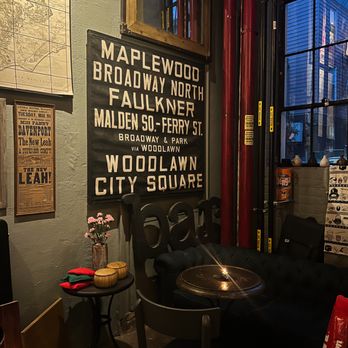


Uzuki is a super unique Japanese restaurant that focuses on delivering the best soba possible in handmade ceramic ware. The restaurant is intriguing and a bit whimsical, as it half feels like a traditional Japanese restaurant but the setting is a ceramic warehouse. Decorations are almost "steam-punk" in style. Service at Uzuki was great! Overall, the servers were incredibly attentive and helpful in explaining the menu. Speaking of the menu, it contains a lot of, guess what, soba. We shared the Duck soba and salmon ikura. Overall, both were great but I thought the salmon ikura was especially memorable. The cold dashi mixed with the raw salmon was incredibly refreshing on a hot summer day. While Uzuki is certainly expensive, I think it's worth a stop, at least for the novelty of the concept. read more


1 year ago
very good soba with high-quality ingredients! the truffle galette came with buckwheat crepes that were delicious (albeit a bit hard to pick up the vegetables with). the towari soba was super refreshing on a hot day. the broth did get a bit salty towards the end, but i thoroughly enjoyed this meal! the interior is so beautiful, and the dishes were served on the most gorgeous pieces of pottery that i have ever seen! read more


Loved it! The space has this open airy and industrial feel. The bowls and cups are all made by the owner. They're all very beautiful. Everything tasted great and refreshing especially the desserts. It was truly a perfect meal on a hot summer day. Deluxe Sashimi Soba: The matcha soba was chewy and sashimi was fresh. Would recommend. Ume Shiso Soba: Very well balanced. The citrus flavor of the yuzu made this dish stand out. Also, duck fat just makes everything good. Would recommend. Shiso Sorbet: Very refreshing. Would recommend. Shaved ice with Soba Ice Cream *seasonal*: This is my favorite! I love all the different textures and flavors. The crunchiness from the fried soba noodles, chewiness from the jelly , and creaminess from the soba ice cream and soba cream. Would recommend. read more


I have been wanting to visit Uzuki for a while. Place is very nice. You will first encounter some jazz at the front space. If you want, you can just order wines and drinks cuz their live shows are amazing. But I am hungry that day, drinks are not gonna be enough. So soba next. We didn't make reservation so we ended up sitting in the counter. Menu is short but soba will be the main theme. I have order salmon ikura and my friend ordered duck shiso. Both are great. It is some of the best duck I haven't eat for a while. Ice cream is amazing too. If you like unique flavor, try their shoved ice. Oh, there is also a ceramic place in the back where they homemade their places and bows. It is so artistic that I wanted to buy one. Overall, place is amazing. Great vibe for a Friday night. read more


2 years ago
Great calming bathroom to prepare myself to eat my $45 udon. I like the grey walls it gives nice texture and the nice atmosphere. Toilet 6.5/10 Toilet sittability 7/10 read more


Page 1 of 2
More info about Uzuki

Uzuki Reviews in Other Languages
Ask the Community - Uzuki
You might also consider

















Why does Yelp recommend reviews?
5 reviews that are not currently recommended
The reviews below are not factored into the business's overall star rating.

4 months ago

5 months ago
3 years ago

7 months ago

4 months ago


