
UnWine on Almeda Photos


Business Info


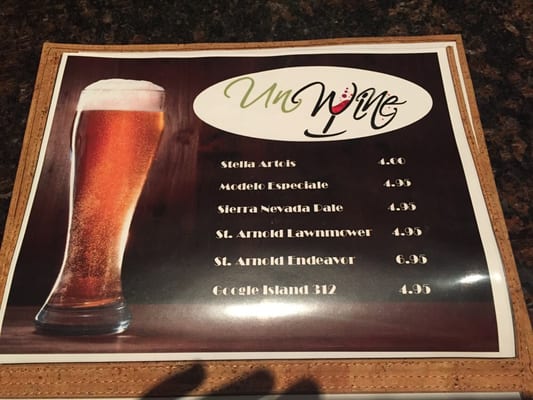


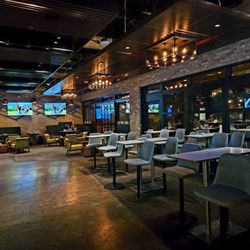
UNWINE ON ALMEDA ATMOSPHERE

You might also consider


More like UnWine on Almeda
Recommended Reviews - UnWine on Almeda
Start your review...

Reviews With Photos


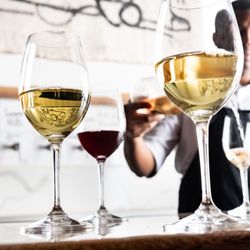
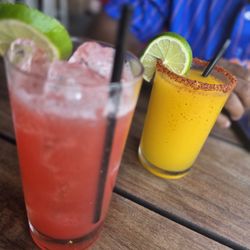
It was my first time visiting with some girlfriends on a Saturday night at 7:30 pm. The area was pretty busy with many other businesses. Parking was very limited so we parked on the street. The moment you enter, the owner makes you sanitize your hands and she never missed anyone who came. The sitting area downstairs is small and casual. There is an upstairs sitting area too. The owner was helpful in providing information about wine and mimosa options. We decided to start off with the quesadilla, which was really good so we ordered a second order. My friends enjoyed their drinks which included a red wine and lavender mimosa. It didn't feel overly crowded which was nice to actually relax from a long week and catch up with friends.


UnWine was such a wonderful place to kick off your evening or weekend. The owner, Shearone, was very welcoming and gave great suggestions on wine and bites for us to eat! I definitely suggest this place for those who are lush, like myself, and prefer not to be in a crowded place. UnWine has a wide range of wines that you can choose from. This place is perfect! Bianca


I came with a group on a Wednesday night. They had live music on the rooftop and we were told it usually cost $20 to go up but we were given a special of $10. Majority of people in the group chose not to go the the roof due to the cover. I peaked upstairs at the end of the night and it is a cute spot. There were several employees taking orders and bringing our drinks out. They were really sweet and I appreciated the service. However, only the lady I assume was the owner could actually pour our drinks and check us out. This meant that it took a long time to get drinks and check out. I'm not sure why the other employees weren't trained and/or trusted to do something simple like check us out. It led to a lot of confusion and the owner kept getting side tracked when her familiar customers came it. It honestly felt like we were put on the back burner. With improvements such as more people able to check customers out and pour wine, I'm sure UnWine could go up in stars! The potential is definitely there.


Such a cute little hidden jewel! The owner and proprietor is absolutely amazing and so knowledgeable about different wines. I was invited here on a date and I'm obsessed with this place. I was privy to trying the house sangria which has hints of hazelnut and Cocoa. For a sexy vibe and amazing playlist you have to try this grown and sexy establishment!


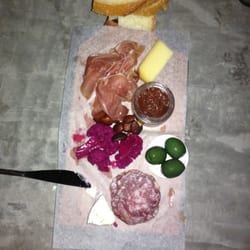
Unfortunately mediocre. I'm not sure if it was for Covid or what, but the food was really underwhelming. Cheese / charcuterie plate was grocery store quality and the sausage quesadilla didn't have enough flavor. Wine was ok, but we just ordered Meiomi, which you can get from the grocery store too for 1/3 of the price. Beautiful patio and nice people, so it's a real shame.


Another great wine bar of Houston! Their food might be one of the best among them all. The owner is very nice, knowledgeable and goes the extra mile to make sure you are satisfied. She has a great wine selection that comes in as well!


1 month ago

2 months ago

10 months ago
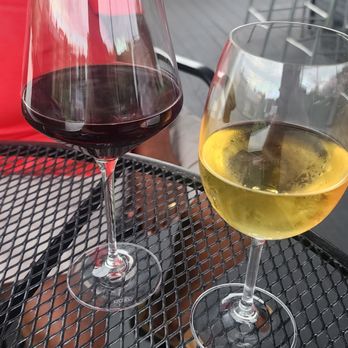
Loved the roof top seating, could enjoy a nice glass of vino and a cigar. If you are not a wine drinker, the owner, who was very pleasant, would ask what is your drink of choice and would suggest a wine similar to your palate. It may be more economical to purchase a bottle of wine, rather than order by the glass, but that is your choice. There is also downstairs indoor seating as well as sidewalk, seating, but the upstairs view was the best. read more
7 months ago
Went to Unwine on Almeda with a group of dear friends. Shearone far exceeded our expectations! The wine was exquisite and the charcuterie board(s) just kept coming. We expected wine and light bites and walked away with an experience that we won't soon forget. Get to Unwine, you will thank me!!! read more


7 months ago
1 month ago

It was my first time visiting with some girlfriends on a Saturday night at 7:30 pm. The area was pretty busy with many other businesses. Parking was very limited so we parked on the street. The moment you enter, the owner makes you sanitize your hands and she never missed anyone who came. The sitting area downstairs is small and casual. There is an upstairs sitting area too. The owner was helpful in providing information about wine and mimosa options. We decided to start off with the quesadilla, which was really good so we ordered a second order. My friends enjoyed their drinks which included a red wine and lavender mimosa. It didn't feel overly crowded which was nice to actually relax from a long week and catch up with friends. read more


6 months ago
10 months ago

UnWine was such a wonderful place to kick off your evening or weekend. The owner, Shearone, was very welcoming and gave great suggestions on wine and bites for us to eat! I definitely suggest this place for those who are lush, like myself, and prefer not to be in a crowded place. UnWine has a wide range of wines that you can choose from. This place is perfect! Bianca read more


I came with a group on a Wednesday night. They had live music on the rooftop and we were told it usually cost $20 to go up but we were given a special of $10. Majority of people in the group chose not to go the the roof due to the cover. I peaked upstairs at the end of the night and it is a cute spot. There were several employees taking orders and bringing our drinks out. They were really sweet and I appreciated the service. However, only the lady I assume was the owner could actually pour our drinks and check us out. This meant that it took a long time to get drinks and check out. I'm not sure why the other employees weren't trained and/or trusted to do something simple like check us out. It led to a lot of confusion and the owner kept getting side tracked when her familiar customers came it. It honestly felt like we were put on the back burner. With improvements such as more people able to check customers out and pour wine, I'm sure UnWine could go up in stars! The potential is definitely there. read more


6 years ago

Such a cute little hidden jewel! The owner and proprietor is absolutely amazing and so knowledgeable about different wines. I was invited here on a date and I'm obsessed with this place. I was privy to trying the house sangria which has hints of hazelnut and Cocoa. For a sexy vibe and amazing playlist you have to try this grown and sexy establishment! read more


2 years ago
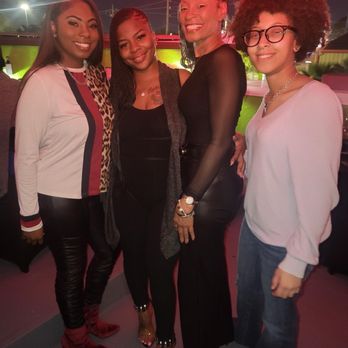
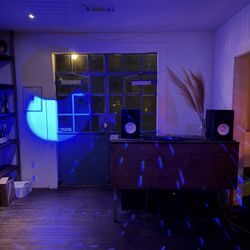
Me and my daughter celebrated our birthday at UnWine. Beautiful atmosphere and amazing food. We had the rooftop view, private DJ, and champagne to celebrate a wonderful birthday with family and friends. read more






3 years ago

6 years ago
Unfortunately mediocre. I'm not sure if it was for Covid or what, but the food was really underwhelming. Cheese / charcuterie plate was grocery store quality and the sausage quesadilla didn't have enough flavor. Wine was ok, but we just ordered Meiomi, which you can get from the grocery store too for 1/3 of the price. Beautiful patio and nice people, so it's a real shame. read more


4 years ago
Another great wine bar of Houston! Their food might be one of the best among them all. The owner is very nice, knowledgeable and goes the extra mile to make sure you are satisfied. She has a great wine selection that comes in as well! read more


4 years ago

4 years ago

7 years ago
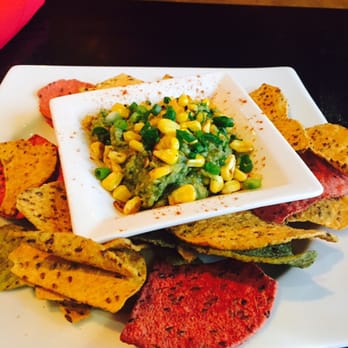
Great spot! I loved the ambiance and the owner was so welcoming. The wine that was suggested was pretty good as well. I also had a spinach dip that was to die for!!! My only complaint was the rooftop deck was closed, because the owner thought it was too cold outside. It was only in the 50s & maybe investing in some heat lamps would be a good idea, because sitting on the roof, sipping wine & listening to music would have been great!! I will definitely be back!! read more


2 years ago

6 years ago
2 years ago

6 years ago
Had a great time with my best friend at Unwine. Wish we would have come here before dinner. Had a delicious South African Pinot North, coffee, and dessert. Check it out if you are in the area. read more


5 years ago

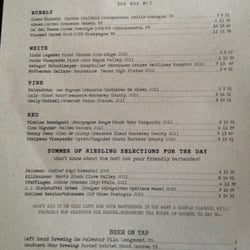
Nothing warms my heart more than supporting black owned businesses. UnWine on Almeda is a chill, wine bar with an amazing roof top patio, yummy wines and delicious food from Chef Chase. The prices are affordable and the assortment of wine is unmatched with other wine bars in the area. FOOD Marinated Kale Salad Artichoke, Collard and cheese dip - Made just like spinach and artichoke but with collard greens and 6 different cheeses. These items received 10 starts.. they were delicious. BEVERAGES Ask for Sha-Ron if you're unsure of what wine to purchase. She's a second level sommelier and very knowledgeable about UnWine's selection. I always go RED, very deep, bold red. Pura8 Cabernet Sauvignon is a perfect choice on any day. read more


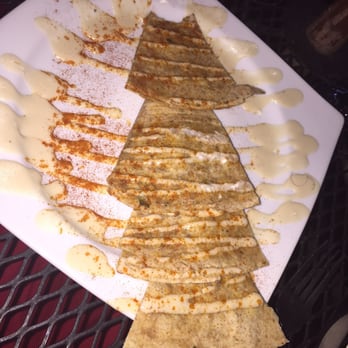
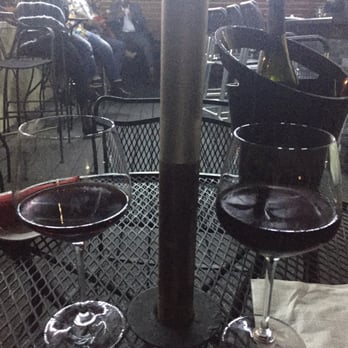
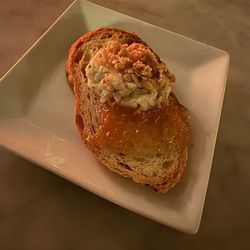
Dine at Unwine! This place is FABulous with a capital FAB. It's cute and quaint downstairs & upstairs is rooftop dining. The owner, Mr. McQueen is very personable & takes time out to greet every customer who comes in. He came to our table twice to make sure we were enjoying our dining experience. The Food: delicious and unique. I mean my plate was so clean it looked like I licked it after the meal. I didn't but I sure used my quesadilla to gather every bit of balsamic drizzle on my plate because it was that good! The Wine: I'm literally in love. We ordered a bottle of Pinot Noir and got a sample of the Port. Next time I will order the Port. Gonna try something new each time. Do yourself a favor & experience UNWINE ON ALMEDA! It's great for date night or girls' night out. read more


7 years ago
We love to try different Wine Bars and this was simply amazing. Tammy is definitely a wonderful addition to the business. She had right on time suggestions for first timers such as a ourselves. We enjoyed the Duo ON Almeda cheese board. Super yummy. The atmosphere was laid back and mind calming. Try it out. We will definitely be back. read more


7 years ago
Thoroughly enjoyed the atmosphere and ambiance. The customer service was great, the food was delicious, and the wine was superb. I'll be returning! read more


7 years ago

Great customer service food, good wine selections and the food is flavorful and fun. On select nights there is have live music R&B, jazz. it's an intimate setting with patio seating, which will be great in the Spring. read more

3 years ago

7 years ago
Very chill and laidback atmosphere. McQueen and Tammy were very warm and welcoming. Came out for a girls night, enjoyed two glasses of wine suggested by Tammy. Also ordered the two meat cheese board, which was very tasty and fulfilling. We will definitely be returning soon. Enjoy! read more


7 years ago

9 years ago
My husband and I came out and finally joined the fun with Charlie and La Tribu. We were instantly greeted with a smile by Mr. McQueen. We chatted and he came by with high recommendations for both food and drinks. After much time trying to finalize our order (because we wanted one of everything) we decided on the Big O and Veggie flat breads. Holy moly!! So delicious! We danced the night away in the cute little venue and will be back for not only the delicious eats but for the amazingly great service! read more

7 years ago
4 years ago

8 years ago
This quaint little wine bar is amazing. Great atmosphere with the background music and a bartender that makes great wine suggestions out of your usual wine comfort zone. McQueen is extremely knowledgeable and a great conversationalist. He is also an expert on cigars and apparently real estate. Today they have Houston Sauce outside catering the food vibes and I'm just excited to be here as a tourist in Houston. read more


Page 1 of 3
More info about UnWine on Almeda
4420 Almeda Rd
Houston, TX 77004
Museum District
Directions
(832) 804-9506
Call Now
Visit Website
http://unwineonalmeda.com
Full menu
Hours
Payment methods
Food & Alcohol
Services
Indoor Amenities
Outdoor Amenities
Other Amenities
From the Business
More Info
Health Score
UnWine on Almeda Reviews in Other Languages
Ask the Community - UnWine on Almeda
Review Highlights - UnWine on Almeda
You might also consider
















Why does Yelp recommend reviews?
7 reviews that are not currently recommended
The reviews below are not factored into the business's overall star rating.
11 years ago

10 years ago

9 years ago

8 months ago

9 years ago

11 years ago
9 years ago


