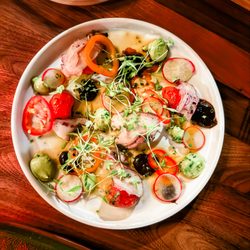
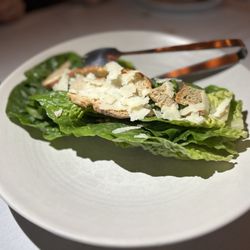
OTOKO Photos


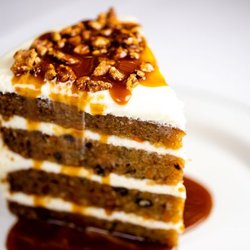
OTOKO Popular Desserts




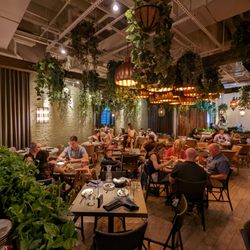
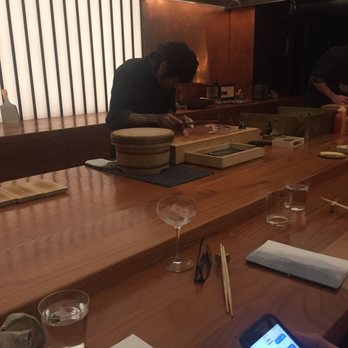
OTOKO ATMOSPHERE


You might also consider


Recommended Reviews - OTOKO
Start your review...

Reviews With Photos
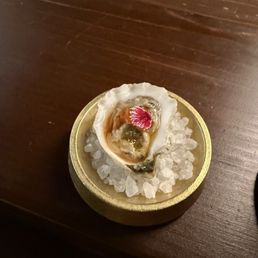

We were running late due to traffic and I appreciate how accommodating they were. It started off really nicely. The first few dishes were delicious and the sushi was high quality and I thought the flavor profile was interesting. But it was unbearably cold to the point I couldn't enjoy my food and couldn't wait to leave. Dishes also tasted similar and became repetitive to me (sour & salty). Dessert was really good though


One of the best omakase spots in Austin, paired with some of the best cocktails and inventory of Japanese whisky at Watertrade (WT), makes this spot one of my favorite places in the city. My partner took me here for my birthday last year, so this is a late post, but one of my favorite ones! ---- Review Summary Pros: - Speakeasy-like bar (WT) - Separated spaces (WT/Otoko) - Full bar and incredible inventory - Fresh sushi - Validated parking (hotel) Side Notes: - Make reservations in advance - Closed Sun/Mon - 12 seater omakase What We Got: - 20 course omakase - Sake and wine pairing ---- Detail Review Design/Space: You walk upstairs from the SoCo Hotel's ground level and get to the entrance to Otoko/Watertrade. Once you enter the space, you are greeted by a speakeasy-like Japanese bar (WT) with every Japanese whisky you can think of, and Otoko is hidden away to keep both spaces separated but connected. When you walk into Otoko, it's bright enough, and the space has items from Japan that make you feel you are in a modern timewarp of something from back in the day, yet in a modern 12-seater space. Food/Drinks: They should have received a Michelin star at this location for what they offer the city. It ranks high against the other Michelin spots I've visited from SF to NYC. Drinks: Japanese-based old-fashioned cocktails are one of my faves, so we started with a Goma Fashioned and a Nine-Tailed Fox, both incredible. We then waited for the omakase to start and had the wine and sake pairing. Pace yourself because we got LIT, haha. There were pairings we never saw before, and I don't know if it was because we were getting tipsy, but everything felt balanced with the sweet to savory. Food: The fish wasn't overly sized as some spots in Austin, and the rice was perfect. Fresh sushi flew in, from the uni from Hokkaido to the tuna selections; every bite was delicious. I wish I remembered which was which, but I put my phone down after a moment to relish the moment. The presentation of each dish is gorgeous as well! Staff: Knowledgeable and friendly. I love that they knew different whisky histories, from Japan to where the fish was flown in. Engaging in the science of what they do so well perfectly enhanced the overall experience. Opportunities To Improve: There is not much to improve here, but they could use glassware for OF drinks at Watertrade that feels more "elevated," such as Crate & Barrels Double OF Natala (it feels fancier, haha). ---- Overall Summary Watertrade is one of the best spots in Austin. If you haven't been, go. If you need a place for incredible cocktails, reserve it. However, if you can experience the omakase and Watertrade at once, do that, too. It was one of the most memorable experiences we've had to date, and we will be back again in 2025!


I would not be surprised if this wins a Michelin in 2026. The attention to detail in every dish with the quality of service makes this an easy win. Tucked behind the South Congress Hotel, it almost feels like a speakeasy. What I love is how they invite you for a drink before, either a sparkling wine or sake, while you wait for your turn to be taken into the official dinner space. I loved the contrast from the bar to the restaurant. I loved how the chefs take their work very seriously but are also very playful. I can't stand a stuffy room and this was quite the opposite. This is a must try if you're ever in Austin!


I've been to a few omakase places and this one is very unique from the rest.. it's fast paced but on everyone's speed limit.. the sake pairing was the best I've had! The bites were all unique .. less rice more flavor.. rock star staff.. you feel at home here.. the ambiance is like you're inside the mastermind chef Yoshi's mind! HIGHLY RECOMMENDED!


Unbelievable experience. Chef Yoshi is the man. Anyone who likes sushi needs to try this once in their life. Totally worth it. Every piece of sushi was packed with unique flavor and felt very intentional. The menu was pre selected. Ambiance was so cool. Definitely want to go back.


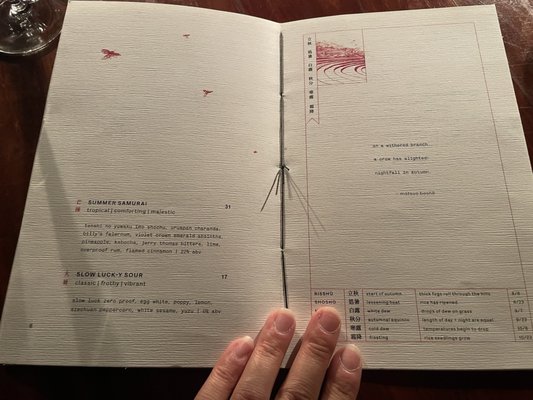
AMAZING experience! Made reservations for classic omakase on a Thursday evening. They contacted us frequently asking questions like names, allergies, and special occasions. Located in the South Congress Hotel, we first came to watertrade, a very cool Asian inspired bar where we got a toast of sake and tried some of the drinks from the menu. I recommend the Summer Samurai. We then went to the sushi bar Otoko which was super intimate and beautiful. Chefs carefully explained all courses and we got custom menus that described everything we got, from sushi to salads to tempura, everything was carefully and meticulously done to please us. Chefs were also super engaging in conversation and entertaining as well. Will definitely be back and well worth the price tag!


Otoko service was fantastic. The vibe was immaculate, decor, the music, personalized menus. Everything felt modern, a little alternative. We did miss the first course which I don't factor into our rating because that was on us for arriving late. Be sure to plan to arrive 15 minutes early to secure parking on the street or in a garage and find the restaurant which is in a courtyard and up a flight of stairs. The oyster and uni courses were the most memorable. The chef's special charred dish was a little too charcoal-y for our taste and the dessert was allergen friendly though that felt like it inhibited the texture. There were multiple pork/meat based dishes which was unique particularly the mushimono with fois gras and iberico ham. The salmon/leek soup shirumono was also a nice touch but a little sweet for my palette. The fish courses were all done well, but hard to name standout ones. It's clear that the menu is a brainchild of the chefs having done this creatively and in their personal style over many years. For the price point, we would likely opt for other omakases in Austin, but it was great to see this expression of art from Chef Yoshi and team


My boyfriend surprised me with this dinner for my birthday and it was phenomenal! 10/10 experience on food and service. It's very small and intimate but would highly recommend. Definitely on the pricier side but for a special occasion it's worth it. They personalize the menus and let you keep them. The food was high quality and delicious!! I'm still thinking about the wagyu and toro
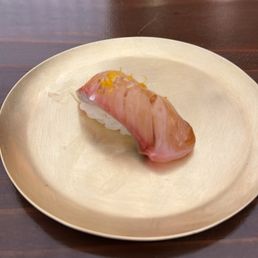

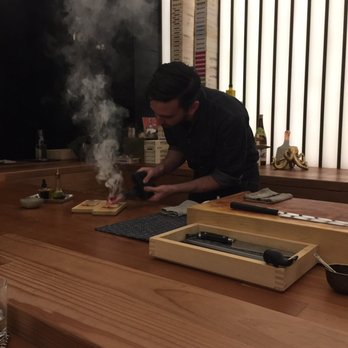
A decent attempt at omakase but falls short in a few areas. Perhaps I'm being a touch unfair, but I am comparing this to Michelin starred omakases I've had around the world. It makes an attempt but falls a bit short in the little things that make the difference. Generally the food was ok. Only stand out dish was the seared hamachi that uses the binchotan coal and sears the fish directly. However some feedback. Everything is too salty. Even the sushi is salted which is uncommon. Perhaps it's to suit local tastes. Sushi rice also was too loose and even though I was eating with my hands it felt like it was going to fall apart if I wasn't careful. The food comes too quickly as well. While that could be seen as good, I got the feel that it was pre-prepared too much. Would rather see it being made in front of me instead of having the next dish show up immediately after my prior dish was finished. The verbal presentations are also too rushed. It feels like they are rushing through their lines. Tough to catch it all and felt rushed. Refinements could be better. Mats wiped between dishes, making sure that the serving dish was always clean, little things lacked refinement. Location is beautiful as it looks like we are sitting in a light tunnel. Being located beside a cool bar is nice. Overall it's a reasonable attempt. But it could be done much better in my opinion.


This was an amazing experience if you love Japanese food. I took my boyfriend here for his birthday and we were blown away by the attention to detail in both the food and service. We arrived 30 minutes before our reservation and were seated at the bar next door to enjoy a welcome drink, and then we ordered a couple cocktails while waiting. The counter seating at the dinner was very intimate, and it seems they stagger the seating times so the groups next to us were ahead by a few courses. One of the other guests went out of her way to recommend we get the uni add on - we took her advice and were very glad we did! All the dishes were very flavorful, and seemed to be a fusion of traditional and modern. I loved the smokiness of the hamachi, and flavor of the foie gras chawanmushi was so savory. The menu was personalized with a birthday message and it was helpful to have so we could refer back to it while we enjoyed the dishes. We also got to keep it as a 'souvenir' which was a nice touch. Overall the pacing was good, the dishes were very unique, and I think it was great value for the price (we did the kaiseki-ryori). Would highly recommend for a special occasion!
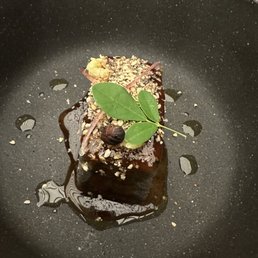

First Omakase and it was a great experience! My favorites are the nigiri with lemon/lime zest as well as the olive oil ice cream! So delicious!! Service is great-we have our chairs pulled out and the course ingredients are explained. They validate parking too! We start by toasting at the Watertrade bar (part of Otoko, but you may also come to just this separately), and then guided upstairs to enjoy 12 courses. Sushi shown in the Instagram reel in order @chelseatsushi: Escargot Lubina Kanpachi Jack's Point Oyster Hamachi Ocean trout Kamasu Hon maguro Madai White sea bass Hamachi Tofu Mushroom tempura Soy milk savory dish Olive oil ice cream


I got a recommendation to try this place from a friend at work. I've only been to one other Omakase place in Austin, but the friend who went here told me it was so good that if she only had one one meal left to have in Austin, she would come here. I made a reservation for the first Thursday of the month because that is the day that they do a discounted and shorter version of their traditional omakase so basically you get a 15 course meal,Including a "toast," or glass of wine or sake before the dinner starts for $200 (including tax and service charge). if you come on this Thursday. Otherwise I think it's a $200 before the tax and tip with a service charge for the regular 20 course menu. Overall, the vibes of this place are truly immaculate. I did go to the free toast before dinner which started at watertrade, the bar just outside of the restaurant itself. The low light vibes are very sultry and inviting, they also have some nice seating areas within the restaurant in addition to seating at the bar. The menu is fairly long, it also has a really cool seasonal theme to each of the cocktails, but you can order any cocktail at any time of year, regardless of whatever the seasonal theme was that inspired the cocktail. As for the service - it's really immaculate. I put in my reservation that I was celebrating the end of my second year residency, and literally every person on the staff went out of their way to wish me congratulations when I came for dinner, which I thought was such a nice touch. They also had personalized the menu to include a congratulations note on the back of it with my name and everything. The food itself was really phenomenal, there was a great variety and I certainly still left full even though it was a shorter course menu than the regular one. I also had a cocktail I ordered separately for $17, it was called the tongue cut sparrow, and it was always recommended to me by the bartender when I asked him for a drink that was a little bit sweet, but not too sweet. When we were back in the main area where the food is, there's only one single bathroom for use, but it's very clean and spacious. Overall, they do an excellent job with ambience here, you get exchange of your cutlery and plates in between courses, and you also get a warm damp towel to wipe your hands with in between some of the courses. I really appreciate the effort they made to provide a variety of different dishes, and of course, the effort that both the chef and the servers made to describe all the dishes and answer questions about it. I ended up meeting a guy at the bar who was really friendly and happened to order the sake flight add on, and he let me try his sake since I didn't buy it. The sake actually was really good despite the fact that I'm not a big fan of hard liquor - the third of three tastes a lot like Makgoli (Korean rice wine). Something to be aware of is that the parking is a little bit confusing; you should try to get into the hotel garage from Monroe Street as opposed to Milton Street. I had to circle after turning on to Milton and I was confused about it. You get validation on the ticket that you get from the garage entrance once you get inside in the restaurant. Basically they'll put a sticker on your receipt and when you're leaving, you scan the barcode on your original ticket and then scan the barcode sticker they give you to get out. In addition - the spots in the garage are pretty small. I parked in the farthest corner I could find and there was some old furniture there that was VERY difficult not to hit while getting into the spot... so that's not great but it's kinda the only option. One other thing is that the first Thursday of the month the other restaurant inside the South Congress hotel (Maie Day) hosts an event where people can come basically to drink and party with live music. Otoko had reached out to me by text telling me there was going to be an event, but I didn't realize it was going to be an event like that (it was QUITE crowded outside the restaurant). When I came out of Otoko from dinner, there were a lot of people dancing and partying kind of like in a club except it's outside in the courtyard of the hotel; it was quite loud throughout the whole time I was going in and out of the restaurant, but while you're inside the restaurant you actually don't notice it. They did have drinks outside at that event, but they were not for free so I didn't stick around. That said, the live did seem kind of nice. Overall, i had a really fantastic experience despite parking confusion and I would absolutely come here again if anybody invited me; however, I'll I won't be coming frequently just because of the price which is a little bit expensive. That said, for omakase it's really not that bad. Give it a try if you're in or around Austin!


I can't do 3.5 but would have graded it as such Otoko Omakase has its highs and lows. The service was a lowlight this time, lacking the attentiveness / friendliness you'd expect, and we felt rushed from dish to dish as if they wanted to get us out early. However, some of the bites were highlights, showcasing their potential. A high point is the personalized menu with the date you dined and the names of the people in your reservation, which is a very nice touch. I remember coming here 6ish years ago, and that was a far superior experience compared to our last visit. I really wanted to love it since I had fond memories but we've tried several omakases in Austin that provided an overall better experience. The menu is divided into sections and clearly identified, which is very nicely described. They start with a Zensai (appetizer), move on to sushi, mukouzuke (palate cleanser), yakimono (grilled, fried, or broiled), mushimono (steamed dish), agemono (deep fried), sirumono (soup), and kanmi (sweets). I'm glad it was described in the written menu because we really didn't get the full experience of a well-explained dish during dinner. If you haven't been, it's worth a visit with a few tips in mind: Try their small omakase offered every first Thursday to avoid a big investment. Note that parking in the lot comes with a hefty charge, so street parking might be more economical. Don't miss the welcome drink - the vibes & ambiance in the welcome lounge is a good experience.


4 years ago


6 years ago

3 years ago

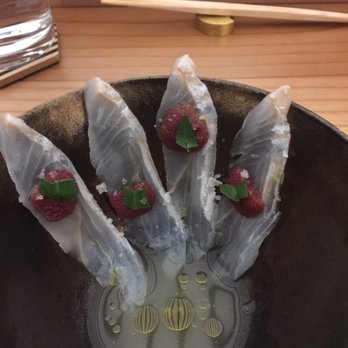
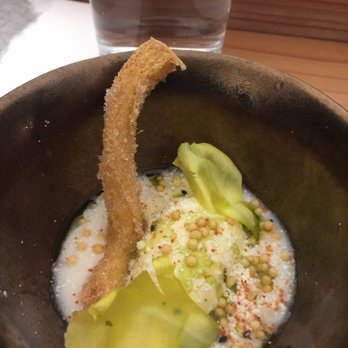
When you walk in to this restaurant, you have to take a minute to just notice how great everything looks, even in the dark. The bar is gorgeous, drinks surprisingly affordable for how nice this place is, and you really feel like this is an experience crafted for -you-. When you're beckoned into the dining room, it's a visual experience. The whole focus is the "kitchen" area in front of you, and HUGE, lit stripes all around. We went on a Saturday, so we had tons of food that wasn't sushi. I'll apologize for my photos - I ate all the sushi so quickly that I never got a picture of any of it. Chef Yoshi was a delight. The essence of Japanese meets Austin, his killer tats and passion for food made for an amazing combo. My eating partner and I got the best seats in the house, right in front of the chef, and got to watch him slice fish with his long sword (ok, knife) with amazing precision, speed and delicacy. He started us out with some jelly fish and a TINY, flash-fried crab that you ate whole. You come to a restaurant like Otoko to get your boundaries pushed, so we took a leap and were pleasantly surprised at how delicious it was. After that, every dish seemed super approachable. Chef Yoshi is super into this special brand of rock salt - he places a tiny bit on each dish. I loved it - I think the salt emphasized the flavors and added a tiny, pleasant crunch to everything we had. The sushi was my favorite, SUPER fresh fish, but we one of the last dishes we had was this amazing sweet-salty mango and shrimp dish - I could've eaten 8 portions of it, it was SO refreshing. We were able to talk a LOT to the chef, and he told me that he just put things on his menu that he, himself, wants to eat. I get you, Chef Yoshi. I do. If I was richer, I'd be here more often. Expensive, but worth the price. read more





5 years ago

5 years ago

8 years ago
Superb quality of fish and superb creativity and execution. This is a tough one for me as It is hard for me to point something that makes me not give this place a 5 star rating. The use of olive oil to top the nigiri is genius and ballsy at the same time and I loved it. There were some dishes that blew my mind and some that should have been omitted in my opinion to secure a perfect impression on the diners and in this case myself. I love creative menus/ chefs that ho against the status quo and the mediocre play it safers, but chef Yoshi almost pushed it too much like in his last dessert which was a uni horchata ice cream topped with chipotle wasabi crickets. It was delicious in the most bizzare way, but wish I would have gotten some more predictable and delicious dessert to finish my meal. The use of printed diner names on the menu is a 3 michelin star move and I respect it and appreciated it A LOT!!! This place deserves 3 michelin stars way more than Atelier Crenn ever will (it sucks). read more

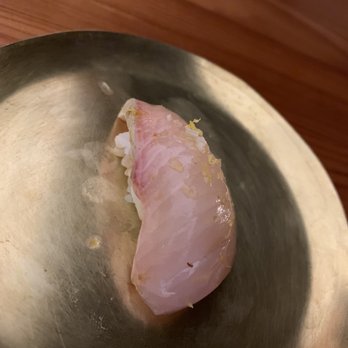


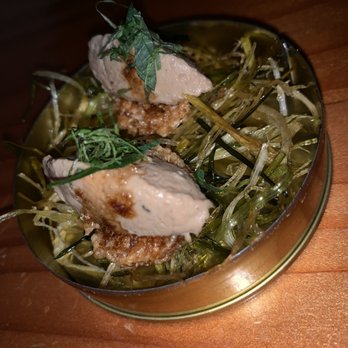


A solid four stars for the food, but a five star total experience. Just let the yuzu & rock salt flow and enjoy the show. If Uchiko is your Mercedes and Soto the Lexus, Otoko is that bright & shiny Aston you whip out for special occasions. It's all prix fixe, Wednesday is strictly sushi, and Thursday through Saturday have less sushi but interesting kaiseki fare. You make resos online, and brace yourself for the total amount you'll prepay. I was here on a Wednesday, and Chef Yoshi must be slicing around 400 pieces of fish those nights. That's gotta be a workout. And you'll be doing your 23 reps at a pretty rapid pace. What made it a five star experience for me is its sense of exclusivity: Otoko only seats twelve, it's hidden in the SoCo Hotel, and the parking perks & mystery bar make it that much more special. Chef Yoshi may come across as Austin hip & cool - gotta love the body art - but I'm watching him watching us discreetly after each presentation, and he's pretty serious about your response. You will get to "oh & ahh" a lot here. And during the entire time, I had to discreetly soundhound each La Femme & Black Angels track playing in the background, just to know what it was. C'mon, name me all the places you know where Jiro does Austin. Then put Otoko on your list. read more


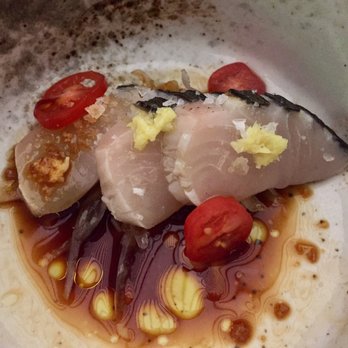


5 years ago
literally so incredible. quality of fish wise this absolutely beats probably anything else you can find in this city, and the experience itself felt a lot more special since there were so few people in the omakase room at a time. at $200ish per person its definitely a splurge, but if you're ever able to get a reservation absolutely go!!! want to come back to try the small bites at watertrade and will definitely be signing up for another omakase reservation when possible. wish i also took a pic of the menu bc i have no idea what any of the fish we ate were called lol but it was all SOOOOO good read more


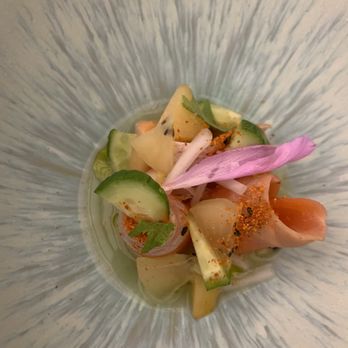

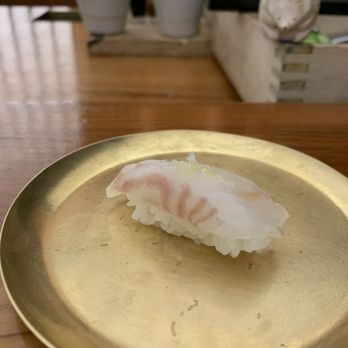


4 years ago

10 years ago
In my initial review, I said, "I'd love to see what Yoshi would do with a 20-course nigiri-only omakase in this kind of setting." Well, he now does sushi nights on some Wednesdays, and that's more or less what I was asking for. Preface: I believe Otoko deserves the highest marks regardless of which menu you purchase. This update will only evaluate how the value of the sushi night compares to the value of the normal menu, and to the city's other premium sushi omakase, Kyoten Sushiko. The menu isn't all nirigi. It starts with an uncharacteristically rich miso soup from the normal menu, followed by a bowl of Japanese pickles, also from the normal menu, but with octopus mixed in. Then comes a flight of 14 nigiri pieces (and an oyster) rather than the normal menu's shorter 8-piece flight (also with the oyster). It's followed by 3 composed sashimi-based dishes, then 3 pieces of 2 different traditional-style rolls, and finally, a fruit dessert. In both cases, the sushi flight began with the same 4 items and ended with the same 3. In the middle, instead of clam and masaba, I got 8 new pieces. The menu essentially trades a number of composed dishes of various cooking styles for 6 more nigiri pieces. On this occasion, the composed sashimi dishes were: * clam with dragon fruit * sea bass with sugar snap peas, mint, and frozen grape tomatoes * binchotan-seared hamachi slices (from the normal menu) The rolls were hamachi & scallion and uni & cucumber, both excellent (particularly the latter). The dessert, a mixture of Japanese pears and peaches, was also a delight. If you've had the normal menu first, this menu brings 3 themes to mind: * Yoshi's philosophy on nirigi, since there is more of it * the quality and variety of the composed dishes, since there are fewer of them * whether the extra $50 (plus tax and service) represents a good trade-off Yoshi uses citrus juice, oil, or zest on many pieces to add acidity. The way he applies and incorporates it is skillful and thoughtful, but it serves much the same purpose that a stronger vinegar presence in the rice serves in more traditional nirigi. He also puts big salt crystals on many pieces, which I enjoy. It's essentially a salinity substitute for stronger rice seasoning and the consistent application of nikiri (soy sauce cut with sake and / or mirin). Yoshi does apply nikiri to several pieces, but he sometimes adds salt crystals even to these. The trade-off is that the rice itself isn't as integral as it traditionally is, and the flavor profile of each piece is more finicky and lively depending on when each element hits your tongue; your taste buds go on more of a journey and encounter more surprises. Rarely (if ever) does Yoshi serve a piece of nigiri with fewer than 3 toppings or garnishes (often more). So you'll like the difference if you enjoy the "perfume" sensation of citrus zest, for example, but not if you don't like the presence of citrus tang. And you may or may not like the crunch of salt crystals and the concentrated bursts of saltiness they provide rather than a more uniform seasoning. Ultimately these matters are a question of personal preference. My main concern is the way the menu differs from the other high-class sushi omakases I've eaten and loved. There are no gunkanmaki pieces; Yoshi serves his even his uni unbounded. There is no mini-flight of bluefin tuna cuts (I don't require this, and I prefer not to eat bluefin at all unless it's sustainably caught, but it undeniably adds a degree of luxury to a meal of this nature). There is no use of heavier tsume glaze because there is no cooked eel, which the sauce is made from. There is a dearth of shellfish (in this particular menu, only the hotate): no shrimp or prawn(!). And there were no vinegar-cured pieces like saba or kohada (I lamented the absence of the masaba from the normal menu). And, finally, there is no tamago finish, which is often regarded as the single most reliable measure of a sushi chef's talent. I did enjoy getting to taste a greater variety of high-quality seafood in Yoshi's signature style (particularly the scallop, octopus, and halfbeak), but I don't feel it expanded the overall spectrum of texture and flavor variety on offer in a way that would have justified the higher price point. And the quality and variety of the composed dishes made me miss the greater number of those found in the normal menu. I'm glad I tried this menu, and if it evolves in the future to be more like what I'm looking for in a sushi omakase, I might give it another try. I just feel that the normal menu is both the better value and the optimal way to experience the best of what this restaurant has to offer; the smaller sushi flight it includes is an adequately-sized sample of Yoshi's talents and a respectable "greatest hits" representation of the longer menu. The normal menu is what will keep me coming back regularly. For now, if I want a sushi night, I'll go to Kyoten Sushiko. read more


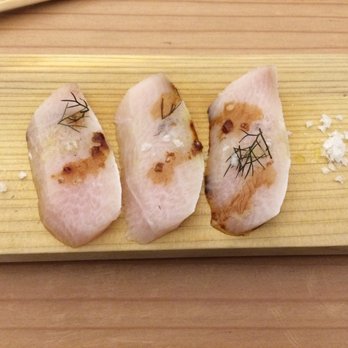


4 years ago
While the sushi and the majority of the dishes were excellent, at least on the evening when I had the omakase, I found several of the dishes too salty. In particular, the wagyu and the hamachi dishes from the Yakimono course were so salty that I had to gulp down a couple of glasses of water to get my palate cleansed for the next course. Initially, I thought maybe it was just me, but a family of 3 who were dining next to me felt the same. Likewise, 2 of the 3 wagashi were also super salty, making us wonder why the chef had used such a salty miso as a topping for the mochi. Anyway, the highlight of the meal for me were the Tasmanian trout and the escargot, which were not only creative in the way they were prepared but also flavorful. read more
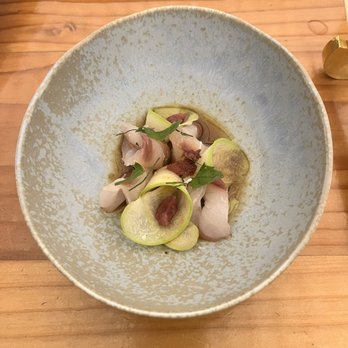


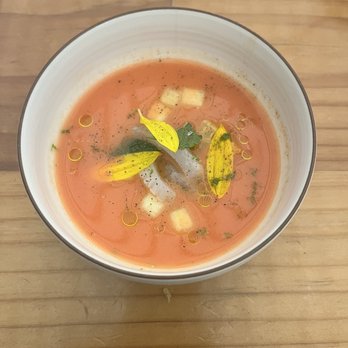

9 years ago
Delicious tempura, pieces were very clean and buttery. Miso soup was just OK. Sashimi apps were amazing. Yes- they did use a lot of sea salt, but it actually brought out the sweetness and tartness of other components u wouldn't of noticed on the plate. Everything was presented beautifully, tweezerfied-style. Dessert could've been better, I'm not a fan of dense donuts. Overall good food for value and effort. Only gripe was would be that the last seating near the back kitchen door was quite loud. Second half of my dinner all I could hear was dishes being washed and sink water running- the sound of kitchen cleaning. Wish we could've sat closer to Yoshi. The Old Fashion from the bar was impeccable. read more


This was quite a dining experience. The restaurant only seats 12 persons at the counter and in the entire space. This allows you to see how the food is prepared and to interact with the chefs and attendants closely. I definitely recommend the wine pairing with the course. I learned a few new ideas and enjoyed a beautifully prepared cocktail. Please see the pictures of the menu from our night. Also, our menu was printed with a personal message on the last page minus any honorific titles. The fish is flown in twice a week and the restaurant has a short weeks. So that means every couple of days. Everything was handled with care, detail, and careful execution. Service was attentive, courteous, and thoughtful. I am not writing much about the food. It is just really good and you can see from the pictures. You just have to go. Please be aware that it is an expensive meal and most likely reserved for special occasions. Otherwise, it is a pretty good reason to break into the college fund for a date night. read more


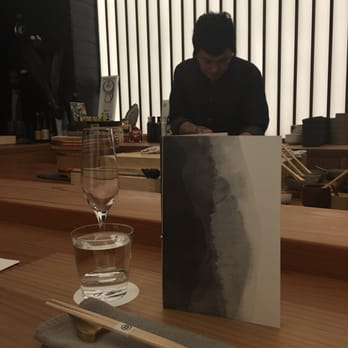

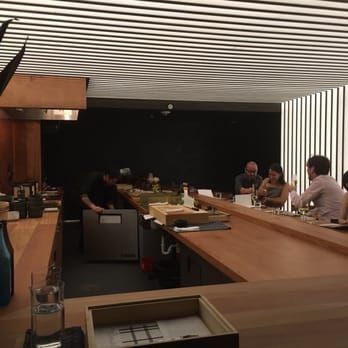


7 years ago

8 years ago

7 years ago
An incredible experience. I scheduled a reservation as a Christmas gift for my boyfriend. He loved it as did I - everything from the service to the food was fantastic. We went to Watertrade before meal for a drink - it's a cozy cocktail bar connected to Otoko. Once we were seated, I was blown away by the food. Chefs would give us a description of food we were about to eat which was fantastic. Food was AMAZING. We decided to do the wine pairing and glad we did! Definitely recommend! read more


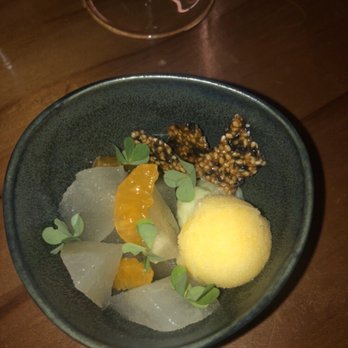


5 years ago

6 years ago


8 years ago

9 years ago
Gotta say this was one of the best Dining experiences I have ever had. From start to finish everything was perfect and I was actually upset when dinner ended. We started the night with drinks at the bar- the bartender knew her whiskey in and out and made a great mixed drink. When we walked in we were given a personalized menu of the courses we would be having from start to finish. The dining experience was incredible Chef Yoshi Okai was personable -explaining each dish as it was presented ( along with his sous chefs) and very funny. He also gave my brother some salt to take home after he inquired about it. I'll let the pictures do the talking- these were only some of the courses as I was excited to eat and forgot to take pictures. If your in Austin and can get a reservation- Go!! read more


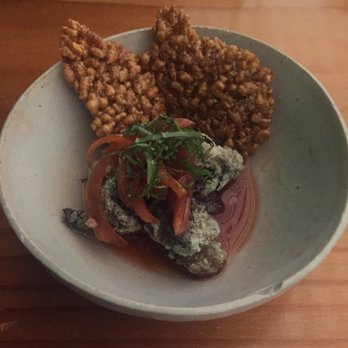

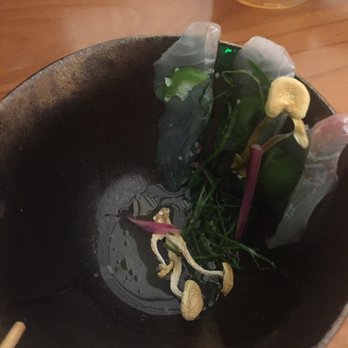
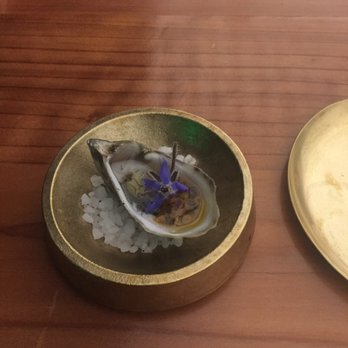


8 years ago


8 years ago
We went there for our anniversary and this place was great. It's expensive! But really great. Great food. Service. Ambience. Overall experience. But it is the most expensive meal you are going to have in Austin. Not much to say that has not been said in all the other reviews. 20 courses. They are small. You leave full. read more


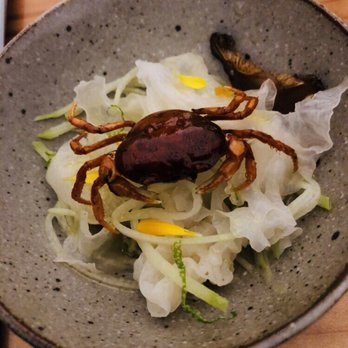


6 years ago

9 years ago
Houte cuisine at its best. The food and the service - We were spoiled.. thoroughly. Chef Yoshi, his sous chef and rest of the crew made the experience a one to rememner. Also if your have a natural aversion to crowed place, you will love the intimate setting. read more

7 years ago

We arrived early for our 9:30 seating and the hosts trapped in the small black torture chamber directed us next door to Watertrade where we had excellent cocktails. It was very loud but Bjorn, who was manning the entire bar and the cocktail pairings alone, was awesome. They actually rotate diners in every 30 minutes which is an interesting method. I imagine this is so the assisting chefs can work on the okazu for newly arrived guests as Yoshi tends to guests in the fish portions of their meal. Everything was delicious but nothing really stood out where I HAD to have it again. The saba with tamari was my favorite piece. The yakimono of hamachi was also delicious. I also enjoyed the red bean with strawberry ice dessert (I love a salty dessert). Use of familiar ingredients like achiote and nopales was great. Everything was impeccable and inventive with his promised "spin" on traditional Japanese food. There were 2 items I thought were too salty. Also, this is me being petty, but earlier they showed off a box of Hokkaido uni on social media, and when we received our uni they informed us that it was from Oregon. I asked if they ran out of the Hokkaido and he seemed to indicate so. I was sad. There were also times I was served my dish before my companion was served his. This isn't Jiro where timing is critical, so I think it would make for a better experience if diners eating together get their pieces together. It seems the considerate thing to do. I was also expecting more chatter from Yoshi. It might have been where we were seated (not directly in front of him) but I found it odd he only spoke to us when serving. One of the most enjoyable things about kappo-style dining is chatter with the chef. Probably because we were the last seating of the evening, but I found it odd he disappeared to the back with snacks for his staff without saying anything to the last 4 of us finishing up our meal. We essentially left an empty dining room with no farewell or thank-yous from the chefs, which seems essential to intimate counter-style dining. The design of the space is very striking when you enter. Then you sit down and start to notice small things that are off. The music is loud. And the end seams that meet on the striped light panels: this is where my designer OCD kicks in. When you start eating it suddenly becomes clear how out of proportion things are. The dining counter is too high for me (just shy of 5'7") and I'd think for most diners. My companion (over 6') didn't seem to mind but I've seen photos on social media of other diners, perhaps shorter than us, where the counter hits them inches below their collar bones. The depth of the counter is also too deep (both the prep side for the chefs and the guests' side). It was awkward for the chefs to serve you; they have to stretch (enough to where you notice) to place your food on the raised serving bar and then the diner has to reach out as well, just shy of an uncomfortable distance. I had to bring some of the deeper bowls near me as I couldn't see what was inside as the chefs were describing it. If you've ever dined at the counter at Qui, it's the same experience. The chefs are practically lying on the counter to get your food in front of you. Maybe it's a Hsu thing, as the tables at Sway are ridiculously large as well. You'll also notice at the ends of the counters (especially one end) the lighting is very dark as the light panel covers only part of the counter. There were no diners at the darker end so I'm not sure if there are lights they turn on that side when it is occupied, but it seemed too dark to dine in and I wouldn't want to sit there. I find it odd to not give every patron the same quality of dining experience (and light.) This might be because of lack of Japanese execution but similarly priced, high-end sushi counters in Tokyo pay attention to these details, which seem arcane to most but in the end add up to make a critical seamless experience. I am not one to choose a place because of service or atmosphere. I will eat at the diviest places with bad service, as long as the food is good. But at $300, I expect a very high level experience. I think it's possible to have the casual experience Paul is going for but still keep it high-level. I probably read too many articles building up to the opening, expected Tokyo-style finesse, and need to work on being more flexible with my expectations. But for such an intimate setting it didn't seem intimate to me. More attention from the chef would make the diners feel more special. However, because this is the first kind of offering in Austin that remotely resembles anything like this from Tokyo, I was pretty pleased and will come back seasonally sans alcohol pairing. Parking is free for 3hrs. A visit to Watertrade put us over so we had to pay $2 to get our car. You'd think spending over $600 in one night (more than a hotel room) that they could work out a deal with the hotel to give all Otoko diners free valet. read more
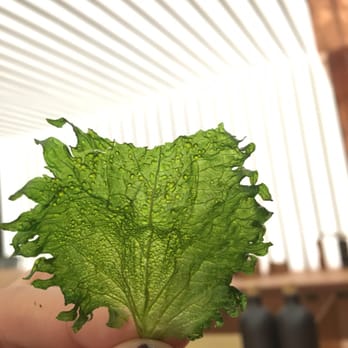


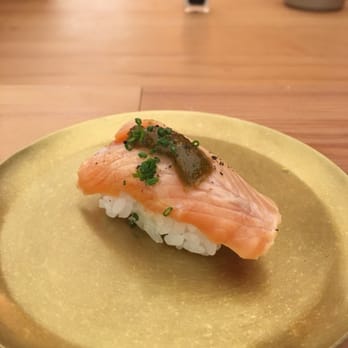
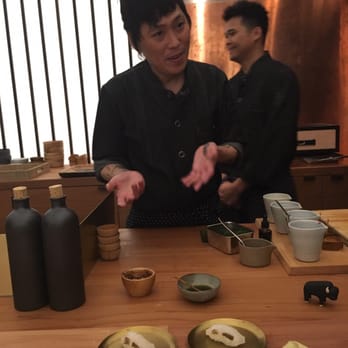

11 years ago
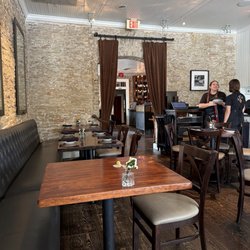
Going to Otoko is like going to improv. You walk up unmarked stairs into a dark entry way and then go left into the bar (Watertrade) or right into the elongated wooden, copper, burnt wood and white screened restaurant which seats twelve. Once seated, the 10-act show begins (Sakizuke, Zensai, Sushi, Mukouzake, Yakimono, Mushimono, Agemono,Shirumono, Muzumono and Kanmi). For the next several hours, you will laugh (at the stories), cry (over the beauty of each dish), and be astounded (by the variety of simple and fresh tastes). The cast at Otoko (Paul, Yoshi, Sam, Alex, etc.) become your best friends as they lead you through about 20 palate changes. And you make new ones talking to the people sitting next to you. This is not a sushi bar. Your only choice is omakase, which is why you go. I found this alone to be refreshing in today's world where I find it tiring to have to always choose. Since this is chef's choice and very much dependent on what's freshest and in season, one day's meal may differ than the next, so I can't recommend any particular dish, but I can say that it is all superbly fresh - the hamachi, saba, maguro, wagyu, kanpachi, uni, etc., right down to the henbit (the pretty foraged purple wildflower that's in season now) and micro cilantro blossoms. The sushi rice was perfection, combined with the subtlety of a spritz of meyer lemon, grilled king mushroom, matcha oil, 'YO'-shirodashi or whatever was so artfully chosen to enhance the dish while allowing the true flavor of the base ingredient to come through. It took my sushi palate to a new level - especially under Yoshi's amazing craftsmanship and creative style. I think that this memorable evening could only be possible under Paul's ability to bring this idea to fruition, gather together and work with a solidly-chosen team, and to deliver an imitimate dining event that is living art. Thank you, Paul. read more


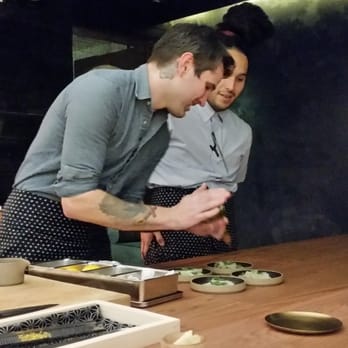

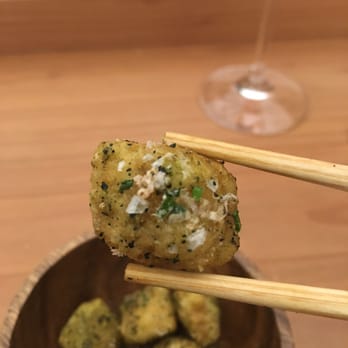
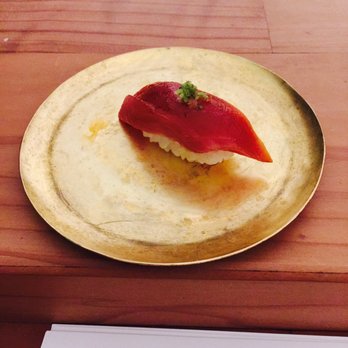
This is my first review in yelp. I really want to thank Otoko for this wonderful dinner. We tried a traditional sushi omakase-style dinner. It was amazing. The blue fin tuna was like melting in my mouth. Also the service was absolutely fantastic. We can't wait to try come back to try Kyoto-style . I will post some photos of my favorites in this experience . read more




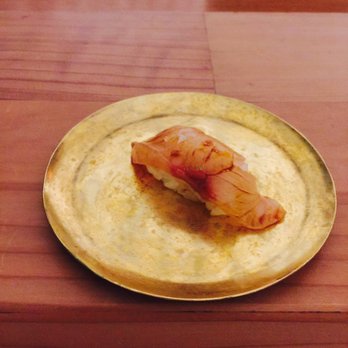

9 years ago
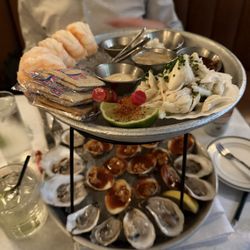
Chef Yoshi and his team knock it out of the park with this 20+ course Omakase dinner. Chef Yoshi is extremely knowledgeable in his craft and constantly has you in awe when you see and taste his food. His oyster dish is the best oyster I have ever had in my life. I seriously dream about eating at least a dozen of those bad boys. Just sit back and let the master get to work and enjoy your time there. read more
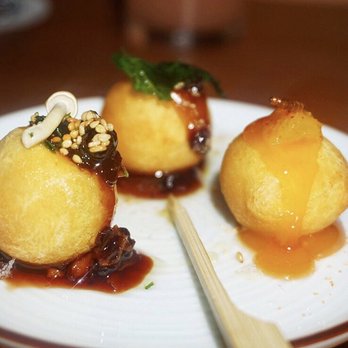


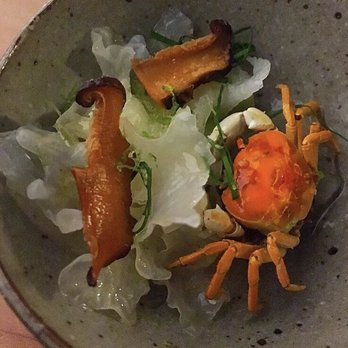
7 years ago
More info about OTOKO
1603 S Congress Ave
Austin, TX 78704
SoCo (S. Congress Ave.), 78704 (South Austin)
Directions
(512) 994-0428
Call Now
Visit Website
https://otokoaustin.com
Hours
Payment methods
Food & Alcohol
Indoor Amenities
Outdoor Amenities
Other Amenities
From the Business
OTOKO Reviews in Other Languages
Ask the Community - OTOKO
How many courses does the price Include? And is a drink included? Thanks!
A welcome drink is included (choice of sparkling wine, sake, of NA)
Does anyone know what the cancellation policy on buying pre-paid tickets for the Omakase is? I would be buying these for a surprise birthday celebration, but am unsure of his schedule. I would be able to cancel 10 days in advance. Thanks!
You can find the answer to that at https://www.exploretock.com/otoko/faq along with a host of other commonly asked questions!
I'd like to brine my Auntie to Otoko. Are the sushi bar chairs tall or standard chair height? (she can't handle tall bar chairs well.)
I love a good brine on my Auntie. She wouldn't taste the same without it.
The omakase menu price, does that include tip in price?
No, the tip is calculated on the side of the price. $150/200 for the ticket, then a percentage from that for tip.
Does anyone know the name of the table top grill they use at Otoko?
From what I remember it's not supposed to be an indoor grill that they have. They used charcoal I believe and it's not the normal charcoal, it's like a wood charcoal I think. I believe it's traditional Japanese grill and they have vent to suck up…