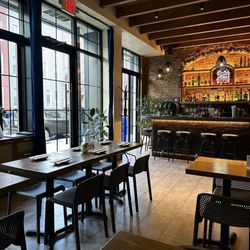
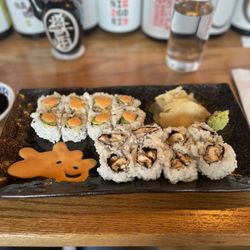
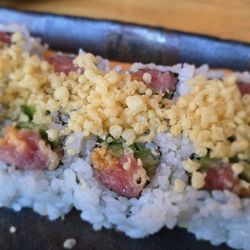
Oko Omakase Photos


Oko Omakase Popular Desserts


You might also consider


More like Oko Omakase
Recommended Reviews - Oko Omakase
Start your review...


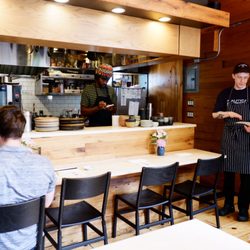
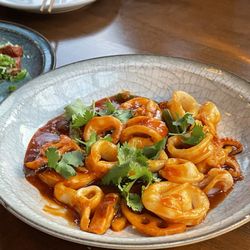
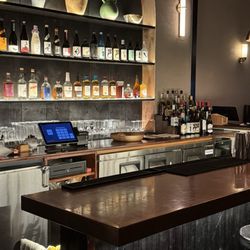
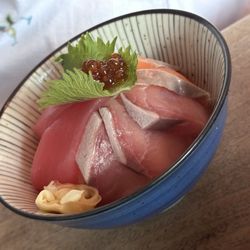
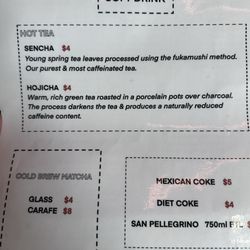
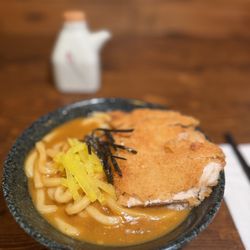
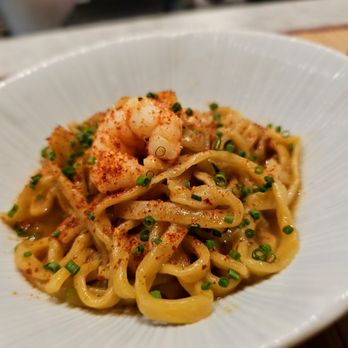
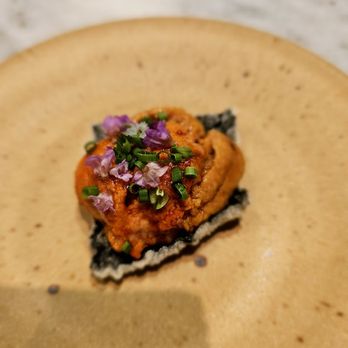
Short review: Unique tasty omakase from the folks behind Okonomi Market/YuJi Ramen serving seasonal sustainable fish from the North East primarily. Seasonal menu. 9 courses for $75 + tax/service fee (so $100 essentially.) Open Thursday to Sunday, this is a new BYO omakase with Korean influences from Daniel Lee. You can reserve on Resy ( https://resy.com/cities/new-york-ny/venues/okonomi-market ) The place is small having room for eight people and consists of 9 courses for $75 (or really eight as one course is tea essentially) or $100 including fees. This is one of the more reasonably priced omakase in the city and the food overall was outstanding. The menu is seasonal and based on the best fish from the attached market. Daniel was very friendly as was the other person assisting him (presumably his sous chef) answering questions and overall it was just a nicer atmosphere compared to most omakase. The menu essentially consists of of mix of cold dishes followed by a broth as an interlude and then cooked dishes so it's a little bit different but I welcome the changes. The first course was listed as Uni + Bulgak. This consisted of a small piece of Maine uni on top of seaweed cracker which is said bugak; a Korean word for deep fried vegetables (so in this case gim bugak.) This was tiny but delicious with the crunch being a good accompaniment. It was also on top of a cashew cream which added a touch of sweetness and I think there maybe was a bit of tare on there as well if I recall correctly. The second course was one of the prettier ones listed as Scallop & Radish, coconut, house kosho. The scallops in this case were diver and the radishes from Delaware marinated in sweet yuzu vinegar over a broth with said coconut and yuzu kosho. The scallops were plump and sweet with a good texture. And there was some sweetness as expected with a bit of sour spiciness from the kosho. This was excellent. This third course was listed as Swordfish, cucumber, miyeok, zaab. The swordfish from Massachusetts. This was over grated cucumber and seaweed (said myeok) with the other ingredients included some pickled shallots and a bit of maple syrup for sweetness. Said Zaab was the Thai mix of makrut lime leaves, lemongrass and a bit of Thai chili powder. The fish was perfect texture with some firmness and the slight sweetness paired well with the lime and other flavors. Very tasty as well. The course in-between the cold dishes and the cooked dishes was Mottainai Broth. That word simply means the concept of not wasting ingredients and this had a mix of fish bones and other parts cooked down for 16 hours along with ginger, garlic, white soy sauce, mirin, and salt. This was essentially a delicious slightly fishy warming palate cleanser and they could honestly sell this out the door during winter (they probably should.) The first of the cooked dishes was listed as Tilefish & Shiso, kimchi aioli, kkadugi. The fish came from Rhode Island and it was made Kombujime style; cured while pressed into kelp instead of being salted. This was served kushikatsu/deep-fried on a skewer but kept lighter with a beer batter and the batter completely lacked any oiliness. The fish was extremely tender on the inside with a bit of brightness from the shiso. The aioli added a bit of spiciness and the kkadugi/spiced pickled radish was refreshing. This could probably rival and beat any fish and chips in the city. The next was Hake, green garlic, asparagus, sansho. Listed as an early introduction to spring, the asparagus was from NJ and the green garlic from Lancaster and was made in multiple ways including a pistou among others with the hake being from Massachusetts. The fish again was very tender and this was likely the lightest dish with some fresh and herbal notes. Tasty though maybe my least favorite though it was a good idea to serve something more lightly flavored after the prior richer dish and before the noodles next. The next was Jjampong Mazemen, royal red shrimp. Said fresh shrimp are a rarity and they have a sweetness and bounciness to them unlike most other shrimp reminding me almost a bit more of a lobster. The broth was rich made from shrimp heads among other shellfish and was delicious though perhaps a little bit salty and the noodles were cooked perfectly. Very tasty. The dessert was Sake Kasu Frangipane, toasted rice ice cream, saengangcha. The almond cake had a good crust and wasn't overly sweet and the saengangcha; usually a Korean ginger tea with a bit of cinnamon was turned into a caramel. The ice cream was fine on top though a bit lacking in toasted rice/Nurungji flavor. The chef isn't a pastry chef but this was well composed dessert and a satisfying end even with the ice cream fault The final thing was Kettl's Soba-Cha. I like Kettl and while I prefer their matcha, their buckwheat tea is also tasty. Just a good thing to sip on while talking with the chef and not much else to say. Out of review room. Excellent. Mid 4. read more


2 years ago
TLDR: Probably one of the best tasting menus I've had recently. The perfect balance of fun, length, creativity, flavor (duh) and value. At just under $100 all-in with BYOB, find me a better place please. Think modern Japanese kappo style with a bit of Korean accents. I saw a thumbnail of mazemen while scrolling through IG one day and that's when I decided to track this place down. I love mazemen. They're open Thursday to Sunday and they do one seating per night. Oko is behind of the front of Okonomi Market (f/k/a Osakana). It is BYOB, they recommended champagne and chablis to pair best with the courses. That's exactly what we brought. It's a small counter with only 6 seats - so you get to mingle with your neighbors and it's a fun experience. If you like open kitchens and watching the craft that goes into your dishes, this is a great place. We've eaten a fair bit of tasting menus and nothing really seemed expected. It was all very new and some interesting flavor combinations. The first course for example, a black bass and radish sashimi dish. Bouncy texture fish, crunchiness from the daikon but plated like a rose on top of a coconut broth. So interesting. The tilefish and shiso served kushiyaki style was my favorite. You watch it get egg-washed, breaded and fried in front. I've had kushiyaki but never quite like this. Freshness from the shiso, nice white fatty fish. I am still thinking about this course. The spring hake with the peas and green garlic was great. I don't even particularly like peas but wow they were tasty. Really nice flavors and a very pretty dish. I won't spoil everything but the mazemen was fantastic. The noodles are chewy, bouncy, cooked along the shellfish juices. This was served with garlic scape and a perilla pesto. Topped off with a beautifully-seared scallop. I destroyed mine and my wife got full - so I got to eat hers too. Victory! I absolutely have been planning to come back because this was definitely a memorable meal for me. If you're in the area or are looking for a tasty menu without breaking the bank - this is a great option. Chef Daniel is very talented and a great host. read more


More info about Oko Omakase
290 Graham Ave
Brooklyn, NY 11211
East Williamsburg
Directions
(347) 844-9496
Call Now
Hours
Food & Alcohol
Outdoor Amenities
Other Amenities