Although our hospital stay was challenging, CHOC's nursing staff was truly exceptional. Their…read morecompassion, dedication, and attentiveness made our family feel heard, supported, and cared for. CHOC should be incredibly proud of its nurses. We also appreciated the welcoming environment, thoughtful amenities, and emphasis on caring for the whole child.
Unfortunately, our experience with several physicians was very different.
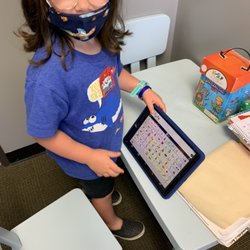
From the moment our daughter was admitted at 5 a.m., a resident physician suggested she was exaggerating her pain. Other physicians expressed similar concerns, and the hospitalist stated that because she was sitting in bed using her iPad and did not "appear to be in pain," she was fine. I explained that her baseline pain was significant and that distractions helped her cope. His response was that distraction was essentially all she needed after discharge.
This overlooked the physical manifestations of her pain, including two nights of crying and visibly shaking. I repeatedly explained that Tylenol, ibuprofen, heat, and ice provided no relief, while muscle relaxants helped only slightly. Despite this, my request for a pain-management consultation was denied.
Her pain significantly disrupted her daily life. She struggled to complete school days and frequently needed to come home. I repeatedly emphasized that we needed help managing her pain, but felt these concerns were dismissed.
The hospitalist initially took her symptoms seriously and ordered an MRI. However, once imaging returned normal, her persistent pain and unexplained urinary incontinence seemed to receive less attention. The daytime resident on Thursday and Friday was the only physician who consistently advocated for further evaluation, including specialist and psychological consultations. We were grateful for those efforts.
We fully supported the psychological evaluation and welcomed outpatient resources. However, I was concerned to see possible somatic symptom disorder documented in her hospital course. The DSM-5-TR includes persistence of symptoms, typically exceeding six months, as a diagnostic criterion, while our daughter had experienced pain for only three weeks. Although no diagnosis was confirmed, this reinforced our concern that her pain was being attributed to psychological factors without sufficient consideration of other explanations.
When discharge was discussed, I explained that our daughter had experienced her first night without physically shaking from pain. The hospitalist responded that she was "on the road to recovery." Despite ongoing symptoms, he felt GI and pain-management consultations were unnecessary and recommended addressing her unexplained incontinence outpatient.
I supported outpatient follow-up but remained concerned about her unmanaged pain. His recommendation was to continue Tylenol and ibuprofen for up to a month, despite my repeated explanations that neither medication worked.
At discharge, we received only one follow-up appointment and were advised to pursue physical therapy independently because obtaining care through CHOC would take too long. We also did not receive the psychological resources we had been promised.
After returning home, I reviewed her hospital course and was upset to find her pain described as "intermittent." This was inaccurate. She had experienced persistent pain for three weeks and was still sleeping upright in a hospital bed for relief.
Additionally, she was prescribed Flexeril 10 mg with instructions to split the tablets in half. The unscored tablets shattered when we attempted to split them, and our pharmacist advised contacting the hospitalist for a lower-dose prescription. This created another unnecessary challenge in managing her pain after discharge.
Ultimately, our daughter left CHOC with nearly the same level of pain she arrived with, no explanation for her incontinence, and no effective pain-management plan.
As a mental health professional, I am particularly concerned that her existing anxiety medication may have influenced how physicians interpreted her symptoms. Psychological factors can contribute to physical pain, but they should not automatically become the presumed explanation when imaging is normal. A child's ability to sit quietly, engage with an iPad, or briefly appear comfortable does not invalidate her reported pain.
We never expected every answer before discharge. We expected her symptoms to be taken seriously, an appropriate pain-management plan, and coordinated follow-up care. Instead, we repeatedly felt her pain was minimized or characterized as exaggerated.
While we remain deeply grateful to CHOC's extraordinary nurses and the physicians who advocated for our daughter, we cannot recommend CHOC's medical care based on how her hospitalization was handled. No child should feel that their pain must be visibly demonstrated at every moment to be believed.