
Order Great Wall Restaurant Takeout or Delivery
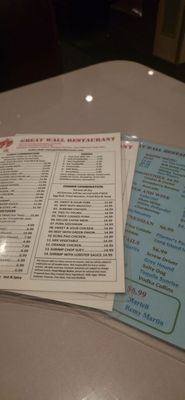
Great Wall Restaurant Photos




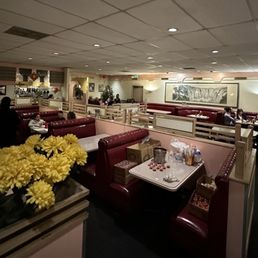
GREAT WALL RESTAURANT ATMOSPHERE

You might also consider


More like Great Wall Restaurant
Recommended Reviews - Great Wall Restaurant
Start your review...

Reviews With Photos


The people are so nice here; and they have nice deals for lunch and dinner. My daughter loves their orange chicken because the breading is super light; you can actually taste the chicken; and you get a lot!
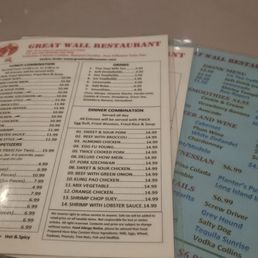

Seated fast. This is a long time visit for us. Many years we have come. Over the years it has declinded in the general area. The parking lot was dirty with lots of trash out front. Inside looks exactly the same as coming here as a kid. Major blast from the past. Egg drop soup and wonton soup are both amazing. The orange chicken has great flavor. Tastes like dark meat. Kung poa beef is good. Not spicy at all. The wontons,chips, egg rolls are my favorite!! Chowmein was ok. The star is the spicy mustard! Wow! Packs a punch! The service was fantastic. Everyone who took care of us today was so kind!

First time trying this place out. Won't be the last. Food was hot and fresh, and reasonably priced. Portions are also good in that regard. Combos are great with the steam or fried rice and soup. Tried also the paper wrapped chicken it was SO yummy. Didn't snag a picture of it because it was so good. Great appetizer. Thumbs up from me!! Update: tried the mapo tofu as well as some fried rice. The mapo tofu was definitely a bit lackluster in terms of what I was expecting: a traditional and spicy dish. However it was more of a firmer tofu in a savory brown sauce. No veggies or anything. I did ask for it without the pork though. So I'll take that into account. It was still good, however just not what I expected. Milk tea is the BOMB. Great original flavor you'd expect. Fried rice could be a little more flavorful, though. added a few of my own touches to it to give it that boost. I know what to order for next time!


4 years ago

2 years ago

3 years ago

5 years ago

4 years ago

5 years ago

4 years ago
2 years ago

6 years ago

4 years ago
3 years ago

6 years ago
Business owner information

V K.
Sorry Katie. Can you be more specific, what wrong with your order?

4 years ago

4 years ago
3 years ago
4 years ago
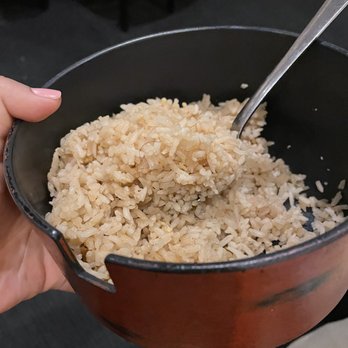
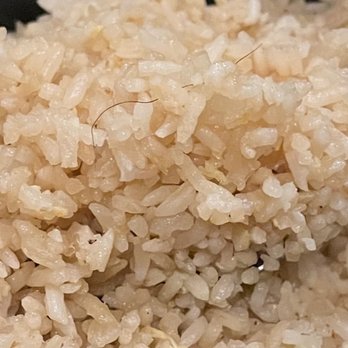
Disgusting place, there was a nasty hair in our rice and their solution for that was 10% off. It was so nasty, my dad and I went to the bathroom to throw up from how grossed out we were. read more
3 years ago

4 years ago

4 years ago

4 years ago

7 years ago

9 years ago
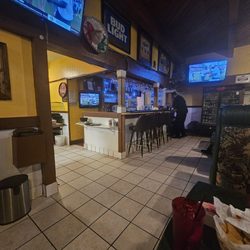
Really wish I could break this review into two parts because the service and prices are great. 5 stars. However... the food and restaurant itself, not so much. The restaurant is dated. Very dated. The decor is shabby and in need of a good cleaning. The dining area is dim. Worst of all, the booths are tiny! Average size people were having a hard time shoving themselves into the booths with bellies flopping onto the tables for larger folks. I say worst, but the floor may be a little worse. It's actually sticky. Highchairs would not even slide. They stuck. Best part about the food was that it's very affordable. The portions are generous and everything was hot and (except maybe the rice) tasted fresh. However, nothing was great. The highlight was actually the egg flour soup. It was served piping hot and had excellent flavor. I had almond chicken which had more water chestnuts than anything. And the hubby had kung pao chicken - nothing to write home about. But again, stellar service. We'll head back and give it another try just based on that. read more

5 years ago

7 years ago
2 years ago
3 years ago

7 years ago
Business owner information
V K.
Sorry to hear that, please call Kim at 6619423048. I want to hear…
5 years ago

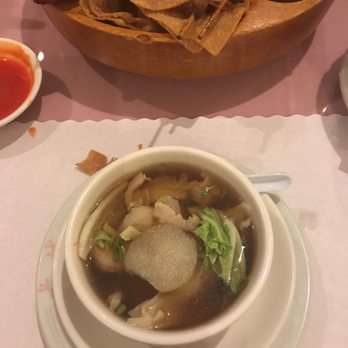
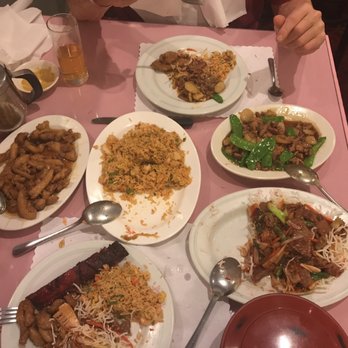
We began with the assorted appetizer and the wor wanton soup. The assorted appetizer was great had a little of everything. The soup was ok so I spices it up with red pepper. For our main course we had shrimp fried rice (decent), mangolian beef (also decent), pork with snow peas (good), orange chicken (it was not breaded like other places but it was good). One of us had a beer while the other had free hot green tea. With plenty left over for one more meal It was extremely affordable since the bill was $52 for al that food. read more

5 years ago

7 years ago
Business owner information
V K.
Hello Mr Nelson,…

7 years ago
4 years ago
5 years ago
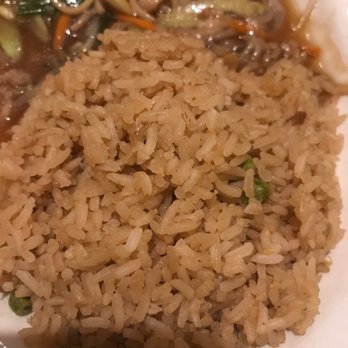
I'm eating lunch at the great wall and the fried rice has absolutely very little in it. It is just a giant mound of rice hardly with any peas, egg or carrots. Very disappointing and should not be called fried rice.... read more

7 years ago

4 years ago

6 years ago
Business owner information
V K.
Hello Chrissy,…

5 years ago

5 years ago
4 years ago
Business owner information
V K.
Hi Courtney,…
More info about Great Wall Restaurant
2001 W Ave J
Lancaster, CA 93536
Directions
(661) 942-3048
Call Now
Order Takeout or Delivery
Start Order
Visit Website
http://www.greatwalllancaster.com
Full menu
Hours
Payment methods
Food & Alcohol
Indoor Amenities
Outdoor Amenities
Other Amenities
From the Business
Ask the Community - Great Wall Restaurant
You might also consider



















Why does Yelp recommend reviews?
40 reviews that are not currently recommended
The reviews below are not factored into the business's overall star rating.
2 years ago


12 years ago

16 years ago

12 years ago
11 years ago

1 year ago
13 years ago
13 years ago

17 years ago

11 years ago

16 years ago

16 years ago
13 years ago
6 years ago
7 years ago

13 years ago
9 years ago

8 years ago
12 years ago


