
Willmore Wine Bar Photos


WILLMORE WINE BAR ATMOSPHERE

You might also consider


More like Willmore Wine Bar
Recommended Reviews - Willmore Wine Bar
Start your review...

Reviews With Photos
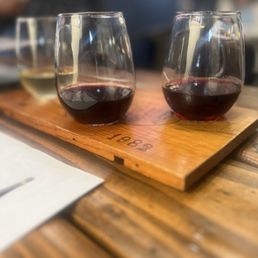

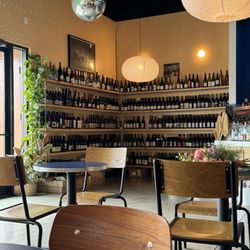
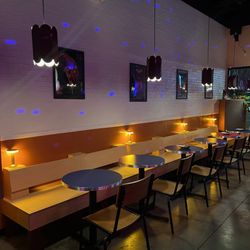
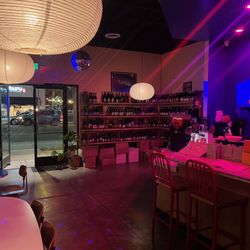
If you've ever watched the show "Cheers," this place will instantly give you those same welcoming, familiar vibes. It's a wine bar, and a really cool, cozy spot for grown folks to kick back and unwind. The space is small, but that only adds to the intimate ambiance. The staff--including the owners--are incredibly knowledgeable about their wines and happy to share their insight. Whether you're a wine connoisseur or just dipping your toes into the world of reds and whites, you'll feel right at home. They do serve food, and it was absolutely delectable--each bite thoughtfully prepared to complement the drinks. On some nights, they even have a live band playing near the entrance, adding just the right touch of energy and warmth. This is the kind of spot where you can settle in, sip slowly, enjoy good conversation, and feel like a regular--even if it's your first visit.


Went here for a holiday get together and it was awesome. I'm not too familiar with Long Beach bars, so I'm happy my friends planned something here. We had most of the back area for our group, and there were definitely other groups celebrating different things this night. It's a smaller wine bar, but it has a big heart. The wine selection is great and the bar tenders are very helpful. I highly recommend stopping in to Willmore Wine Bar for a glass or two.


I frequent this wine bar, sometimes with friends and sometimes by myself. On the occasions when I visited alone, I always ended up leaving with a new friend, thanks to the welcoming atmosphere. The regulars are incredibly friendly, and without any TVs, the space fosters great conversations. The staff--Ernie, Jessie, Ariel, and Mary in the kitchen--are amazing and truly enhance the experience. They also feature live music, and I recommend following them on Instagram to check out the monthly performance schedule. In addition to fantastic wine, food, and service, they offer wine tours throughout the year and monthly membership into their wine club. Parking is available both out front and in the lot next door.


First time stopping by and it's a 10/10. We were welcomed by Ernie (the owner) who helped us pick our drinks. I got a Nelsons Blood which was divine & some snacks on the side. Later on there was live music , which was amazing. Overall I will be back, and I'm so happy I came upon this place!


Local wine bar. Super friendly. Great live music. Ernie the owner is the best. He's welcoming and warm. Wine menu changes frequently so you can always try something new. They will often give you a taste before you order a full glass. Food isn't special but it's good and pairs great with wine. It's the kind of place you can go and have an intimate conversation or join in conversation with the people next to you. Love that we have this in Bixby Knolls.


Always a lively group and bartenders are soo helpful! Rather it's your first time or 18th time you feel as if you are home. On first Fridays they have live music!! Such a vibe!


Busy date night with my daughter. Cocktails, dinner and then a stop at Willmores to close out the evening. They have great snacks and desserts with a very helpful, knowledgeable and fun staff


3 years ago

4 years ago
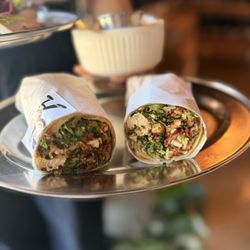
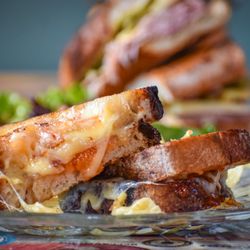
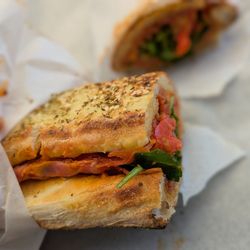
BEST PASTRAMI IN LONG BEACH!!! We have been coming here for years and to not recognize Chef Brian for his amazing food would not be doing Willmore Wine bar its justice. This is not only the best place to enjoy a glass of wine or beer but the pastrami has to be recognized. I have had my fair share of pastrami but to say this is the best I have tasted is an understatement. The quality of meat is naval cut so if you never have had then it will be a game changer for your pallet. Ernie and his staff will always have plenty to recommend and paired with Chef Brians food, FORGET ABOUT IT! Do your stomach a favor next time you crave a moist, juicy pastrami and stop in. I guarantee you will not be disappointed! read more


3 years ago

5 years ago
Had an amazing evening tonight with my daughter's at your establishment! It was our 1st time at Willmore Wine Bar which was suggested to my daughter from her friend David Michalik. I'm so glad because it was so much fun great atmosphere and the wine and cheese boards were delicious and so yummy. I tried cheese I'd never heard from sheep goat and cows and the salami was just as delicious partnered perfectly with assorted crackers yummy! The wine list is deliciously yummy with many choices. But most of all the customer service Ernie the owner and staff demonstrated should be applauded for their extra measure of care to assure my birthday celebration at Willmore was wonderful. I will surely be back again because this is truly a hidden gem a diamond in the ruff. If your in Long Beach in the Bixby Knolls area you should definitely drop bye!!! Thank you too the entire staff I had a great birthday Happy Birthday too me read more




3 years ago

3 years ago


3 years ago

3 years ago

8 years ago
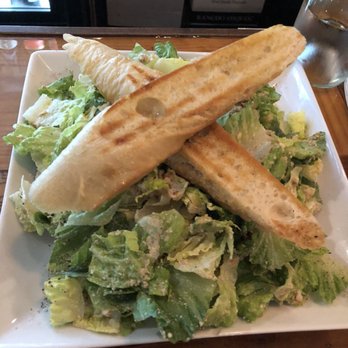
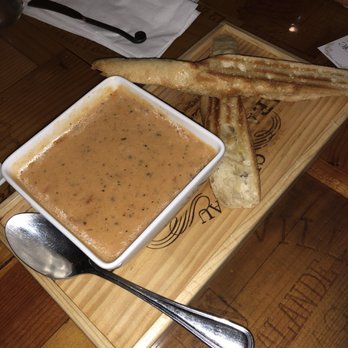
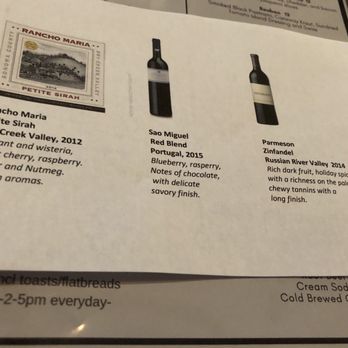
Lovely wine bar with live music. We went on a Saturday to hear some classical piano and were pleasantly impressed by the food and selection of wine. We'd be regulars if we lived closer! Loved the red wine flight so much that we ended up buying a bottle to go! Highly recommend for a date night with friends or significant other. read more



3 years ago

7 years ago


Felt like a wine and cheese night and the place had good reviews. Parking - Limited street parking in front and additional parking around walking distance. Venue - Nice chill little place with intimate feel. Place can get full easy so I would call ahead to see wait on weekends. Staff - The guys here are very cool and friendly giving you options on wines and opinions. Pricing - Very reasonable prices for the wines and appetizers with large portions. Will be back for sure and recommend it. read more


4 years ago

4 years ago

4 years ago
3 years ago
4 years ago

4 years ago

5 years ago

5 years ago

8 years ago
3 years ago

8 years ago


13 years ago
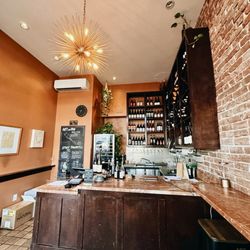
The Willmore Wine Bar is located across the street from Nico's Italian Restaurant just outside of the Virginia Country club area of Long Beach. Once you enter the establishment, it is very clean in its presentation with a nice bar area to sit at and relax. There is table space at the rear and north area of the bar which is nice if you order food. In the front area of the bar they have a player piano and a nice couch and table set-up. What I like about this place is they have an established rotation of guitarists, pianists, and other musicians that come in and play music for happy hour. A classical guitarist was playing during my visit. The staff (Kristin and Katie) is sharp and witty. With that said, your orders will be taken quickly with service provided promptly. I found the price structure reasonable, not to high. A nice menu is provided for customers which the food is prepared in a small kitchen. It shows that Willmore's management made a good planning effort when converting the previous business into the wine bar it is now. The last Thursday of the month Willmore Wine hosts Fred's Best Pizza to augment the wine bar culinary offering. As my dad always told me, more options are always better. When next in this neighborhood, I will stop by and check out the piano talent and have a nice glass of bubbly. I did not get a chance to ask Ernie the question I wished posed. However, it is a good bet that Willmore wine bar is a name sake reference to Willmore City. As long time residents of Long Beach can remember, Willmore City is basically what now is the downtown Long Beach redevelopment district and extensions up to Anaheim Street including Drake Park. This area included the Jergins Trust Building (present location of the Long Beach Convention Hall (demolished in 1988); the Heartwell building (present location of the landmark square), Security Pacific National Bank Building, (current location of the Federal Bar); and the historical Willmore building located at Cedar and 3rd street (current location of the La Traviata restaurant). Of course, most of the major buildings dotting the shoreline were built after the city of Long Beach incorporated in 1897. .... A bone for the history buffs ... Prior to Willmore City, the area was a Rancho granted to Manuel Nieto in 1784 from the Spanish territorial governor Pedro Fages. The Rancho was subdivided upon Manuel's death in 1803 of which his daughter Manuela (Maria) and husband Guillermo Cota inherited the subdivision of Rancho Los Cerritos. After Maria's pasing in 1837, the Rancho was acquired in 1844 from the Cota family heirs by John Temple and his wife Rafaela Coto (a second cousin to Guillermo). In 1827, John settled down in Rancho Los Cerritos. In order to court the attractive Rafaela Cota and to grow business relationships with the Spanish ranchers, John Temple converted to Catholicism and changed his name to Juan. He married Rafaela in 1830, fourteen years prior to acquiring the Rancho in 1844. He maintained ownership of Rancho Los Cerritos up until two month before his passing. John being of poor health and financially strapped sold the Rancho to the Flint-Bixby Company in 1866. Llewellyn and Jotham Bixby first were gold miners. They saved their profits and purchased farm and ranch lands in northern California. After purchasing Rancho Los Cerritos from John Temple, the Bixby brothers set out to expand their ranching operations in the south of which Jotham Bixby moved to Rancho Los Cerritos. Jotham Bixby encouraged his family members to help in the land acquisitions by leasing, then purchasing, Rancho Los Palo Verdes, and Rancho Los Alamitos during the 1870's. In 1880, Jotham Bixby tendered a lease with option to buy 4000 acres of agricultural land to William Willmore. Willmore City is born. Between 1880 and 1884, Willmore is not successful in promoting his city. In 1885 Long Beach Land and Water Company purchase the lease option from Jotham Bixby and renames the area Long Beach. In 1888, Long Beach is incorporated. The incorporation falls apart in 1896. This mis-step requires a 2nd and final incorporation in 1897. Jotham Bixby passes in 1916 while sons George and John manage the emerging real estate company through the first half of the century. One of the sales in 1913 of 16,000 acres brokered by George Bixby to New York financier Frank Vanderlip develops Harbor City. Vanderlip expanded his real-estate projects and developes the sheep grazing land to the southwest of Harbor City into high priced housing and horse ranching tracts. Rancho Palos Verdes, Palos Verdes Estates, Miraleste are part of these developments. Also notably, during the passing of Jotham Bixby, there still existed 3,500 acres from the original land grant to Manuel Nieto dating back to 1784. read more


4 years ago

9 years ago

9 years ago
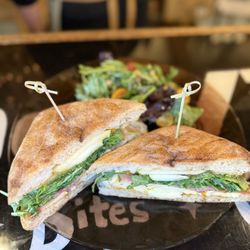
I love this place. The staff is friendly and they'll remember your name if you're a regular. I ended up coming back two days in a row after my first visit. I'm not a big wine aficionado but I like a glass or two. Besides their wine I'm in love with their honey fig panini and goat cheese and bacon flat bread which I swapped out for mozzarella cheese instead. I look forward to going back again. read more


5 years ago

10 years ago
Meh.... interesting that you can bring in your own food... Think maybe I will try it one more time only better prepared ;-) read more


12 years ago
The staff here is awesome! Our 2nd time here and love it. Our first time Billy and Ernie made our experience fabulous!!! And today on a Sunday afternoon, Ana has been fantastic! The locals psssssss awesome, I will def-recommend my friends and everyone I know to #WILLMORE !!! Thanks Ana for the excellent service!!! read more


I loved it! How nice to see a place like this in the hood. They have Silver Oak Cab by the glass. Outstanding selection of wines by the glass. Not a beer drinker... But, they have a large beer menu. I was there last night, which was the First Friday of the Month. They were very busy. Terrific service from Kate. Nice piano music.... All neighboorhood clientele.... A very nice mix of people. My compliments to the owners and staff! If you live in the area, wander over. You won't be disappointed. read more


3 years ago

14 years ago
Great little wine bar for Cal Heights and Bixby! The owner/sommelier, Ernie, is a very friendly guy. He definitely knows his wine, and keeps a wide selection. My one suggestion would be to add more to the charcuterie and cheese selection. Pate, french bread, tapenade, portuguese sardines, maybe a selection of chocolates for dessert... keep it simple, no cooking necessary. Cold tapas. I'm not much of a drinker and I am definitely not a wine connaisseur, but with enough finger foods I'd happily share a bottle with my wife and spend an evening at Willmore. read more


5 years ago
5 years ago

What a great little and classy, intimate wine bar. The service was great!! We were greeted by a great server behind the bar. She went over the wines and asked what we were looking for. The wine list was good with many different whites and reds. We got a few wine tastes provided with a little direction that we really felt good about.The pairings selection was good too. We really enjoyed the atmosphere and people that were here. Everyone was really nice and classy. I can't say enough about our server... She was the best.. I wish i could remember her name because she was great!! The bank came out about 7ish. They were really good to. This is a great place to visit and enjoy some wine for sure!! I would recommend Fillmore to everyone!!! read more


12 years ago
Willmore is an intimate setting which is perfect for lazy Monday afternoons where you just want to enjoy good tunes and have good wine with your best friend. They were out of a lot due to their recent Mardi Gras celebration, but made up for it by dolling up the flight choices. Groovy and chill atmosphere... Will be back.... read more


More info about Willmore Wine Bar
3848 Atlantic Ave
Long Beach, CA 90807
Directions
(562) 492-5951
Call Now
Hours
Payment methods
Food & Alcohol
Indoor Amenities
Outdoor Amenities
Other Amenities
From the Business
Ask the Community - Willmore Wine Bar
Does Willmore still offer brunch on Sundays?
Review Highlights - Willmore Wine Bar
You might also consider




















Why does Yelp recommend reviews?
18 reviews that are not currently recommended
The reviews below are not factored into the business's overall star rating.

1 year ago
2 years ago

2 years ago
14 years ago


9 years ago

13 years ago

11 years ago
9 years ago

10 years ago

12 years ago

5 years ago

14 years ago

13 years ago

12 years ago

14 years ago

14 years ago

14 years ago


