
Order Tolex African Grill Takeout or Delivery
Tolex African Grill Photos


Business Info
Tolex African Grill Popular Dishes


You might also consider


More like Tolex African Grill
Recommended Reviews - Tolex African Grill
Start your review...

Reviews With Photos


Great authentic food. My favorite African spot. The menu has variety. Service is great and the food is always hot and fresh! I order Togo this time. The establishment is small seating 5 tables max.

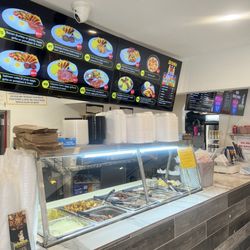
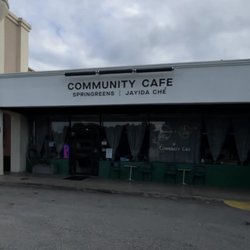
I'm an American of Nigerian descent, a local journalist, and a foodie. I had just about given up on Nigerian food in Atlanta. I've never been fond of my native cuisine. That's a confession. The cultural disconnect is real. I live four minutes away from Tolex. I drive by it every time I leave Pine Lake. I've been in this restaurant before, under previous ownership, and been disappointed. But I visited the home village in Imo State at Christmas for the first time in my life a few months ago, eating as much authentic Nigerian food as I could. And I wanted to compare notes. I'm glad I did. Tolex beat anything I ate in the village, and anything I had at the high-end restaurants in Abuja on the way home. Purists will hear that and argue that claim to death, of course. But the truth is, Nigeria is hurting right now and it shows up in the food culture. The quality of ingredients available in a market in Nigeria has deteriorated with the economy. People have been struggling to find enough to eat. Those conditions can shape the practices of a cook, and a real chef makes something work. Take that skill, and apply it to what can be obtained in an Atlanta-area farmers market - which is to say, absolutely anything - and you get Tolex. It is operating in the better traditions of Black American food, produced with ingenuity, well seasoned without a lot of flash. I ordered suya, which is traditionally a northern Nigerian dish, along with jollof rice and plantains. Suya is a simple dish - grilled meat prepared with a peppery spice that includes roasted peanut, garlic and paprika. Jollof rice is a spiced tomato dish omnipresent in west African cuisine. Plantains are universal. Each was perfect. Plantains done properly are actually hard to find in Atlanta. It an easy measure of the quality of a kitchen for me. If they can do plantains well, they should have the gear and skill to do other basics well. The suya was tender without being overdone, with an excellent spice blend. The jollof rice was flavorful and did not have unnecessary embellishments - everyone wants their jollof rice to be special, and invariably that ends up turning a simple dish into an overwrought, time-consuming error. Tolex is a hole in the wall at the end of a strip mall filled with ethnic African businesses that is likely to be overlooked by anyone who can't read Amharic or Somali. But the parking lot was full. So was the counter, with brown bags for takeout. This iteration of the restaurant appears to be surviving on a robust DoorDash business. The restaurant interior is what you'd expect in a strip mall: working class seating with a TV playing Burna Boy videos. Atlanta has had dozens of Nigerian restaurants open and close over the years. Many have been marketed as flashy, upscale "elite" establishments designed to project an image of success - Yahoo Boy aesthetics - while overcharging for average fare, counting on ethnic affinities to get them through without actually building those relationships. As I sat there, a parade of customers came through, most of whom were Nigerian, many of whom were familiar with the owner and the business. Tolex is the equivalent of the family restaurant in a Chinatown or Indian neighborhood that is primarily patronized by the diaspora community. And that might be why it works. Tolex is not cheap. But it's also not more expensive than any other decent restaurant on the east side. A plate, a drink and a side will set you back about $28 before taxes and a tip. So far, it's worth every penny.

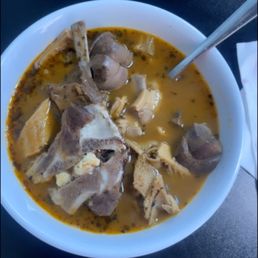

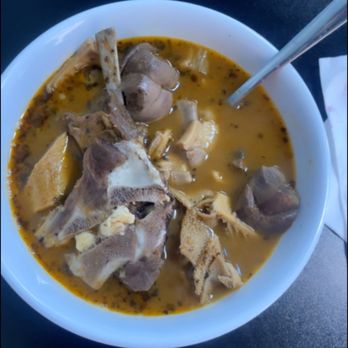
I walked into the building and it felt like home the owner Tolex and staff are so welcoming and then the menu tells you everything you need to know I ordered the goat pepper soup the asun egosi soup with foo foo and the beef suya with fried rice when I say I had sat there and enjoyed every bite of everything I have to come back and try everything the soobolo drink is superb and wines were amazing with this authentic food from the mother land I'm truly impressed and will be back


8 months ago
10 months ago

2 years ago
Great authentic food. My favorite African spot. The menu has variety. Service is great and the food is always hot and fresh! I order Togo this time. The establishment is small seating 5 tables max. read more

1 year ago
I'm an American of Nigerian descent, a local journalist, and a foodie. I had just about given up on Nigerian food in Atlanta. I've never been fond of my native cuisine. That's a confession. The cultural disconnect is real. I live four minutes away from Tolex. I drive by it every time I leave Pine Lake. I've been in this restaurant before, under previous ownership, and been disappointed. But I visited the home village in Imo State at Christmas for the first time in my life a few months ago, eating as much authentic Nigerian food as I could. And I wanted to compare notes. I'm glad I did. Tolex beat anything I ate in the village, and anything I had at the high-end restaurants in Abuja on the way home. Purists will hear that and argue that claim to death, of course. But the truth is, Nigeria is hurting right now and it shows up in the food culture. The quality of ingredients available in a market in Nigeria has deteriorated with the economy. People have been struggling to find enough to eat. Those conditions can shape the practices of a cook, and a real chef makes something work. Take that skill, and apply it to what can be obtained in an Atlanta-area farmers market - which is to say, absolutely anything - and you get Tolex. It is operating in the better traditions of Black American food, produced with ingenuity, well seasoned without a lot of flash. I ordered suya, which is traditionally a northern Nigerian dish, along with jollof rice and plantains. Suya is a simple dish - grilled meat prepared with a peppery spice that includes roasted peanut, garlic and paprika. Jollof rice is a spiced tomato dish omnipresent in west African cuisine. Plantains are universal. Each was perfect. Plantains done properly are actually hard to find in Atlanta. It an easy measure of the quality of a kitchen for me. If they can do plantains well, they should have the gear and skill to do other basics well. The suya was tender without being overdone, with an excellent spice blend. The jollof rice was flavorful and did not have unnecessary embellishments - everyone wants their jollof rice to be special, and invariably that ends up turning a simple dish into an overwrought, time-consuming error. Tolex is a hole in the wall at the end of a strip mall filled with ethnic African businesses that is likely to be overlooked by anyone who can't read Amharic or Somali. But the parking lot was full. So was the counter, with brown bags for takeout. This iteration of the restaurant appears to be surviving on a robust DoorDash business. The restaurant interior is what you'd expect in a strip mall: working class seating with a TV playing Burna Boy videos. Atlanta has had dozens of Nigerian restaurants open and close over the years. Many have been marketed as flashy, upscale "elite" establishments designed to project an image of success - Yahoo Boy aesthetics - while overcharging for average fare, counting on ethnic affinities to get them through without actually building those relationships. As I sat there, a parade of customers came through, most of whom were Nigerian, many of whom were familiar with the owner and the business. Tolex is the equivalent of the family restaurant in a Chinatown or Indian neighborhood that is primarily patronized by the diaspora community. And that might be why it works. Tolex is not cheap. But it's also not more expensive than any other decent restaurant on the east side. A plate, a drink and a side will set you back about $28 before taxes and a tip. So far, it's worth every penny. read more


2 years ago
8 months ago
2 years ago
We came here for vacation and tried this Nigerian restaurant for the first time!! Being Nigerian, I am picky but this food didn't disappoint at all!! We came back for second!!! We are at the restaurant and the owner were so nice!!! Food was generous!!! read more


2 years ago
I walked into the building and it felt like home the owner Tolex and staff are so welcoming and then the menu tells you everything you need to know I ordered the goat pepper soup the asun egosi soup with foo foo and the beef suya with fried rice when I say I had sat there and enjoyed every bite of everything I have to come back and try everything the soobolo drink is superb and wines were amazing with this authentic food from the mother land I'm truly impressed and will be back read more


2 years ago
3 years ago
I ordered my food for delivery and the food was good. The portion size was very small for the price I paid, though. I'm a bit disappointed by that. read more


3 years ago
The food and service was amazing! It was my first time there. The atmosphere was very welcoming and cozy! The server helped me decided what to try first and I have no regrets. I will definitely be back !! Thank you guys so much! Be Blessed!!! read more


3 years ago

2 years ago

3 years ago
3 years ago
3 years ago
3 years ago
Business owner information

Toyin O.
Thank you so much. We truly appreciate your support
Ask the Community - Tolex African Grill
You might also consider








Why does Yelp recommend reviews?
2 reviews that are not currently recommended
The reviews below are not factored into the business's overall star rating.

3 years ago
3 years ago


