
Kimura Photos



Business Info
Kimura Popular Dishes





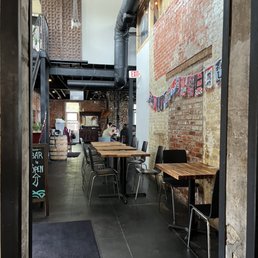
KIMURA ATMOSPHERE

You might also consider


More like Kimura
Recommended Reviews - Kimura
Start your review...

Reviews With Photos


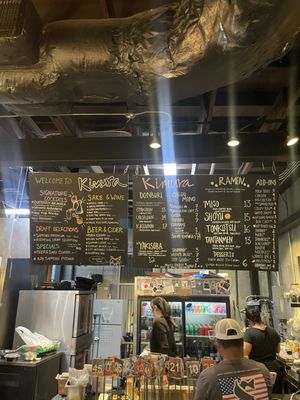
Midweek dinner out with the wife! The staff greets everyone as they enter or leave. The menus are up front where you order and pay at the register before finding a seat. We sat at the bar this time so we could see the chefs in action. It was cool hearing them coordinate orders and cooking. The music was light but nice. We ordered a tonkotsu ramen with grilled bokchoy add on and a tantanmen ramen with pork belly add on. For drinks, a butterfly bramble and shishito margarita (with accompanying waters, of course). Order number 10 was yonko luffy! The drinks came out first. I love butterfly pea drinks in general and this was no exception. The lime kept it refreshing with a mellow bite of alcohol. The shishito margarita had just enough spice to complement the tequila without being overpowering. Finally, the ramen! My wife enjoyed her tonkotsu ramen, but had a touch too much green onion. For the tantanmen, I had that first sip of broth (segregated from the pork by the toppings) and instantly thought "umami." That's always a bit hard to classify for me, but that broth really did it for me. I was hesitant to get the spicy ground pork because it's harder to scoop up, but that first sip made it worth it. And as the meal progressed, the spiciness of the pork seeped into the broth deliciously. The crunch of the bok choy was one of the reasons I got this dish; so good! The added pork belly was nicely charred and the fat melted in your mouth. I demoooolished that ramen. Perfectly full, not too much. Cheers!


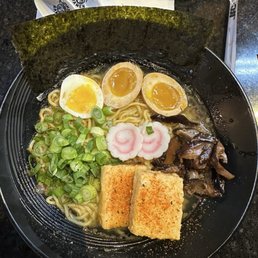
This place is right by my work, so was excited to try it out. The inside is really cute with lots of seating. You order at the counter and are given a number and take a seat. The offer lunch specials but I was craving the tonkotsu ramen. The broth was really savory and flavorful and the ramen came out quickly. It was really good food and a cute space. Only Reason I didn't give 5 stars was the egg was cooked a little more like a hard boiled egg, and the pork pieces were pretty fatty. But still really good. I'll definitely be back!

A hidden gem that exceeded every expectation! We were on our way to Fort Sam and randomly decided to stop here and I'm SO glad we did! From the outside, you would never know the incredible experience waiting inside. Once you walk through the doors, the atmosphere, service, and overall experience are completely different. It truly feels like a hidden gem! The food was absolutely incredible. This was the best ramen I've ever had, and every bite was better than the last. The customer service was fantastic, and everything about our visit was beyond what we expected. And if you go, don't miss the happy hour specials! They are amazing. But my favorite surprise was the Pink Package a sweet lychee, strawberry, and vodka drink. WOW! It was delicious and the perfect complement to the meal. This is definitely one of those places that I'll remember, and I can't wait to recommend it to friends, family, and anyone passing through the Fort Sam area. Absolutely worth stopping for. We found a hidden gem!


My friend told me about this place and I completely forgot, but I searched for a ramen place on Yelp that was closest to us and this came up and I am glad it did!!! My daughter was craving ramen so we both got the Tonkotsu ramen and I tried the Strawberry Matcha drink. They gave us a bokchoy appetizer with some garlic paste to try since it was our first time dining with them and it was good!!! Back to the ramen - the broth was sooo umami good and I truly enjoyed it! I would have to say it's the best one I've tried here in San Antonio! And I'm pretty picky with ramen because I grew up eating ramen in Japan. The matcha was good too! The design inside is nice and its very spacious. Love that they have a huge ramen bowl outside. This is now my go-to ramen spot and excited to try other things on their menu. Highly recommend!
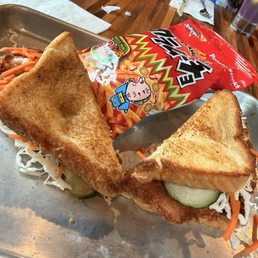

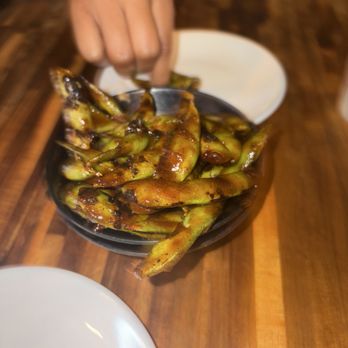
I went to Kimura with my daughter. Parking is limited, so be aware of that. From the outside, the restaurant gives a bit of an "hmm, maybe not" impression, but once inside I was pleasantly surprised. The space is clean, nicely decorated, and has a calm, welcoming atmosphere. We held the door open for a girl right behind us, who came across as a bit rude. I didn't think much of it until she ended up being the one taking our order. Her tone and demeanor felt off-putting, almost as if we were inconveniencing her. While ordering, she also corrected me while I was explaining menu items to my daughter, which felt unnecessary. Food-wise: * I ordered the Katsu Sando. They don't offer regular mayo... only spicy... so keep that in mind. It wasn't overly spicy and was actually really delicious. * My daughter ordered the Shoyu Ramen. It was good, but not something we'd order again. * We also ordered steamed edamame, which I always enjoy. I wouldn't give this place five stars due to the service, but I would come back, because they weren't all rude; likely with my other daughter, to try some of the other dishes that caught our eye. Hopefully next time we're made to feel a bit more welcome... unless kids aren't welcome and I missed that memo


This is the best Ramen I've had in SA. My hubby gets Tomkatsu ramen and was floored with it. We also partook in some great happy hour apps. The killer for me was the vegan ramen. These aren't usually very good. There's was fantastic! The mushrooms were seared in a brewed soy sauce. The broth was really rich. If you're dating a vegetarian or even want something different it's The Stuff.


The ambiance is stylish and artsy. Staff were helpful and kind and they have a great selection of food. I feel they should fix the entrance/order line as it causes somewhat of a jam when it gets busy. Not pictured are the charred and spicy edamame which was soooo spicy & tastes great. The charred flavor made this edamame different from others I've tried. The chicken in the shout ramen was juicy and the broth was delicious. I added some spice to it and it amplified the flavor.
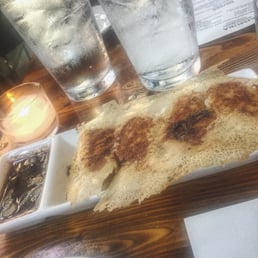

Bella, your warm and attentive service truly made us feel like royalty on Monday. Jen, we appreciated you taking the time to personally check on us and kindly let us know about the small delay with our meal. The new location was easy to find, with convenient parking and a peaceful, almost romantic atmosphere. We thoroughly enjoyed a quiet, relaxing lunch featuring delicious bowls of ramen and a tasty appetizer of chicken and shrimp tempura. We'll definitely be back to explore more of the menu! Highly recommended ~


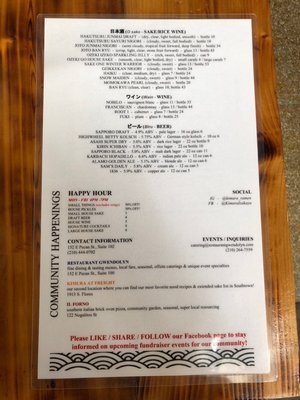
Came here for a friend's bday dinner. Got here right before happy hour ended @ 7 PM. Cocktails are only $5 and appetizers are a few dollars off menu price. Portions were surprisingly very big. You have to order up front as well but they give you a number and will bring your order out to you when ready. Gyoza and kara-age tasted great. Their ramen was just ok for me. Thought it lacked a bit of flavor and not as creamy or thick as your traditional Japanese ramens. Make sure you read the menu carefully because some orders don't come with meat and you will have to pay extra.


Me and my roommates saw there add for Miso-Monday on instagram. Everyone was so nice and recommended add-ons to my raman. They even gave us something extra to try! It was fun and relaxing place to eat. It was a great experience and they don't skimp on anything. We will definitely be back!


Amazing service and a welcoming staff. Cozy, relaxed ambiance that's great for date nights or family time. The food is consistently flavorful and delicious. I hate to leave such a good review since this is my favorite place, but they truly deserve it. I highly recommend!!! Side note: the photos don't do justice... I was hangry!


Somehow they managed to miss the mark on every single dish. All salt, no flavor. Best part of the meal were the karaage sauces...I wish I were kidding. The only redeeming parts were the good service (gave me complimentary edamame for it being my first time) and that the ambiance was nice. Otherwise avoid avoid if you're looking for good Japanese food
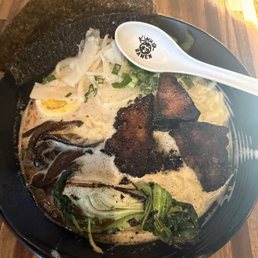

You absolutely must try the Pork Belly. The portion size is good, the flavor explodes in your mouth when you take that first bite. You will not regret this little spot. Clean with friendly servers and very chill ambiance. I stumbled in here on a Saturday and ordered to go. Came back on a Tuesday to check it out again. If you are a local then lucky you! If you are an out of towner then you must stop by. Definitely a hidden gem in sweet San Antonio, where you can always find good BBQ and fried Chicken. Come give it a try. You won't regret it.


6 years ago

7 years ago
6 years ago
My boyfriend introduced me to this place and I was so excited cause I love ramen and I had never been to a place that served real ramen before and let me tell you it was so delicious. The real thing that I unexpectedly fell in love with was their Katsudon. I've never had anything like it it's so amazingly tasty especially with their mushrooms (and i don't even like mushrooms but theirs are to die for)! I always beg my bf to go lol. The place itself is super cool. It's small but very cozy and they play good music too. My favorite place to eat downtown for sure! read more


10 years ago


9 years ago

7 years ago
Business owner information

Michael S.
Melissa, we are so sorry to hear this and are sure this was a…
5 years ago

6 years ago
8 years ago

8 years ago
This place is A-May-Zingggggg... I had a horrible work day, saw this place and decided to try something new vs typical fast food. My bartender Gabby was PERFECT... friendly, attentive, knowledgeable, and recommend an amazing drink, appetizer, and meal... all exceeded my expectations. And my water is charcoal filtered. This place is a gem. read more


Tried this place 2 mths ago & absolutely fell in love w/their food! Couldn't wait to come back & when I did make it back to SA this was my 1st stop! It is soooo delicious, flavorful & hearty! They definitely don't skimp on their ingredients & if it's not enough you can order extra. The pork shoulder is super tender & falls apart easily. I really wish we had something like this in the Rio Grande Valley! The downsides are parking, very limited seating, no sodas or regular tea & since my last visit everything went up $2-$3 (and they didn't update their prices on the menu or warn us so caught us a bit off guard). I'll definitely be back though on my next trip! read more


9 years ago
Business owner information

Pedro R.
Thank you so much for your feedback Felicia. I am truly sorry to hear…
4 years ago

9 years ago
The service was phenomenal and so was the food.I am speechless...the restaurant was small but exploding with potential.We had a conversation with the manager who came up to us too see how we were doing and you can tell they have a genuine passion for what they do. A wonderful way to experience trying something new. My time was well spent and i did not wait long at all. I would describe the whole thing as beautiful,bold and absurd. This was one for the books. read more
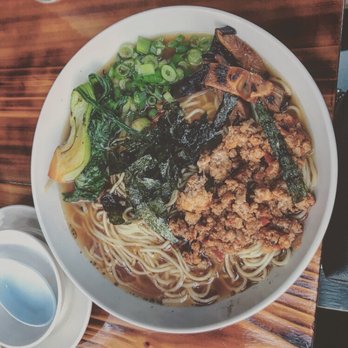


8 years ago
If you're downtown this is worth the stop. It's always busy, even during the week, however, we were able to get seated pretty quickly. The ramen is a balance of savory flavors coming from the broth recipe and other standard ingredients that include mushroom and egg. The serving size is reasonable and was filling. My only complaint is that there were no desserts! Also, the gohan rice was a little al dente. read more

Business owner information
Pedro R.
Wow. That is an outstanding photo you have taken of our food Daniel.…
5 years ago
5 years ago

8 years ago

10 years ago

7 years ago

7 years ago

8 years ago

8 years ago
The best ramen joint in San Antonio. I try every ramen place I can this is by far the best since moving from Houston. I wanted to drink the broth straight from the bowl. I had the tonkostu with braised pork belly 10/10 read more

Business owner information
Pedro R.
you are a 10/10 costumer, thank you!
4 years ago

9 years ago
8 years ago


9 years ago


7 years ago

I've hesitated to write this review as I feel my experience with Japanese food and in particular Kimura's namesake ramen, Tonkotsu ramen, will deter others from going and trying the food here. However, I have decided to give my honest opinion for one reason - when you advertise yourself as "authentic" and say things like, "we don't change the taste for American palates," you open yourself up to criticism if you fall short. Having spent nearly a decade in Fukuoka, Japan where Tonkotsu ramen originates, and having eaten the real deal literally hundreds of times in various stages of sobriety, I can say unequivocally that this is not proper Tonkotsu ramen. Notice I didn't say that it was bad ramen because it isn't as I enjoyed my bowl of ramen greatly. But when you go around claiming authenticity, you're eventually going to have someone call your bluff. The one defining factor that virtually every traveler has of authentic Tonkotsu ramen is the smell. When prepared properly, it smells... Bad. Like boiling the basketball team's socks after a double over-time. In fact, often you can smell Tonkotsu ramen blocks away. But this revulsion soon turns into a method of discerning the potential tastiness of the ramen. Prior to our ramen arriving we ate the cucumber sunomono. This wasn't bad. It looked the part and tasted fairly accurate to the real deal. We both remarked that it was a bit on the sweet side but this is within the scope of a chef's artistic license. In Japan I have had slightly sweet sunomomo but ordinarily it is not. The ramen at Kimura is the best bowl of ramen I have had in San Antonio. You can tell that the chef and staff put a lot of time and effort into their product. The broth was rich and rather deep in texture although on our visit a number of patrons were complaining that the broth was too salty, for which the server apologized. The noodles were probably the most authentic part of this dish. They were spot on in size and shape although they were a tad tough probably from the broth not being hot enough. Additionally, they were a tad sticky. This, in my expert opinion, is more than likely due to dropping in the ball of noodles without fanning them out. Also, the cooks need to make sure to use their saibashi (long cooking chopsticks) to separate the noodles as they cook. Oh, I forgot to mention that serving miso soup with ramen is a bit redundant and very uncommon in Japan. That being said, my wife and I enjoyed the miso soup very much. The ramen was esthetically pleasing. The various elements were there such as the chashu (pork), scallions, and nori (seaweed). In Japan, nori is never shredded in ramen but it is when put on top of zaru (cold) soba. Often the chef will just put a big old sheet of nori along the side of the bowl and extending out and up. Also, the fish cake, kamaboko, is never eaten in ramen in Japan but is eaten hot soba and udon. My Japanese wife said that while the kamaboko tasted good, presenting it in ramen is strange. Lastly, with regards to the Tonkotsu ramen I ate, the broth had a very strong bacon taste which seems to have come from the chashu which was not prepared in the traditional Japanese chashu method. It sure tasted good but authentic it was not. My wife, who is 100% Japanese, ate the miso ramen. She enjoyed the noodles, although they were a bit sticky like mine, but was taken aback by the shredded nori and komoboko in her ramen. Additionally, she stated that she could hardly taste any miso in her miso ramen. One other thing that we both agreed was not authentic is the boiled egg (ajitama). The egg in our ramen was just a plain old boiled egg with just a slightly cooked inner yoke, the way it should be. However, proper ajitama is prepared in the normal manner of boiling, but is then taken from its shell and placed in a bath of soy sauce, sugar, and mirin where it soaks up flavor for at least 24 hours. This also colors the outside and some of the inside a caramel color. Honestly, I'm split. On one hand, with no prior knowledge of ramen, I'd say this ramen was great. On the other hand, having eaten ramen multiple times each week for nearly a decade, I must address the claims of authenticity and say that it isn't authentic. As I've stated, I enjoyed the ramen personally and I think most others will as well; but when you get a Japanese customer in your shop you might not want to brag about authenticity. The Japanese are very proud of their food culture and have a difficult time acknowledging, for example, that a bowl of ramen is delicious if it isn't authentically Japanese. Another thought is that this ramen is over-engineered. Ramen is a simple food not meant to be froo-frooed too much. Great chefs seem compelled to mess with what is tried and true. This so often leads to a lack of authenticity and higher prices, the latter being one of the biggest complaints of Kimura. So, if you want a great bowl of noodles and do not care about au read more

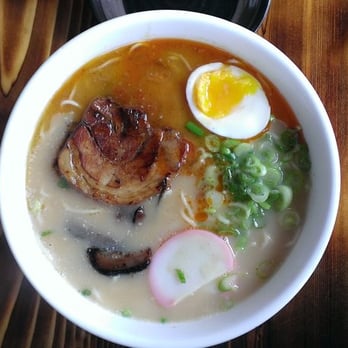

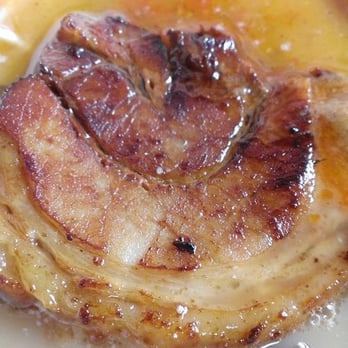
7 years ago
4 years ago
Business owner information

Kimura R.
Thank you, yes I mostly agree with everything you've said. There are…


13 years ago

12 years ago
Starting this review off with a confession: I watch television shows about food. Not necessarily cooking shows, but just shows about people eating food. After watching shows where Chefs David Chang, Anthony Bourdain, and Ivan Orkin describe Ramen like it was the best most complex dish in the world, and that Chefs in Japan can study for up to ten years to make the perfect Bowl of Ramen, I was like I'm going to Japan and I'm eating Ramen for lunch and dinner. Needless to say I was super excited to learn that there is a Ramen Restaurant right here in San Antonio. Before coming here, I was enjoying a conversation with some of the kitchen staff from Cured, and one of the best bartenders in San Antonio who asked me if I had been to Kimura, and after saying no I was told that the Chef Michael Sohocki is an artist and his attention to detail is unmatched by the other places around town serving up bowls of Ramen. After that conversation I made an excuse to leave and headed over Kimura. I was greeted by my waiter, and brought a bottle of tap water with a piece of burnt wood in it. I tasted the water and didn't notice any certain flavor, so I asked whats the deal with the burnt wood in the water, and it was explained to me that burnt wood can be used to filter water, so I essentially had a Britta filter without the big jug at my table. After doing a little googling I found that yes its true burnt wood can be used to filter water, but not by simply placing it in the water. So I guess its just there to look cool. All my questions about the menu were answered to great detail, everything from the source of the fish, to the off menu special. I felt confident ordering my first bowl of Ramen and was ready to have the experience. I started off with Unagi Nigiri, because I couldn't resist. It was served as an order of two pieces on a little plank of wood, (I guess they like to serve things with wood here) and was paired with a dipping sauce that the Chef made for me it was soy sauce and a mixture of other spices, the sauce itself was wonderful. It was two intense bites of an exciting explosion of flavors, I was actually taken aback and said, "What just happened?" "Should I order more?" I ordered the Miso Ramen with Pork. My server used a laser pointer to show me every component of my dish there were quite a few. As described on the TV shows I watched about Ramen, the noodles and the broth are the stars of the dish, and the rest are just the to compliment them. The Broth was great the noodles where the same texture that Ivan Orkin told me they had to be, I slurped them up, not caring who saw! Man it was good. What I really liked though were the little prizes in the bowl you get to enjoy along the way, the pork melted in my mouth and tasted amazing. A-MAZ-ING! The soft boiled egg was such a treat. The Miso broth really gave it a little something extra. And the slices of Shiitake Mushrooms... Oh Lawd another explosion of flavor that really turned up the rest of the dish. Picked the bowl up and drank the broth and everything. All said and done it was too much food to finish, I left some noodles and a little bit of the seaweed garnish behind. On the way out Chef Michael Sohocki asked me how everything was, I explained that it was great, but my only previous Ramen experience involved a package of instant noodles. He laughed and went on to explain, the different broths that he uses. I'm excited to try the one he described as advanced with pork bone. I think I'll just ask him to cook me what he would like next time. I'm sure it will be great. This is a small place that would be great for a date. You may want to call ahead though, being that there is limited seating. Go give this place a try, I'm happy I did. read more


13 years ago
More info about Kimura
1017 N Flores St
San Antonio, TX 78212
Five Points
Directions
(210) 444-0702
Call Now
Visit Website
http://www.kimurasa.com/
Full menu
Hours
Payment methods
Food & Alcohol
Services
Indoor Amenities
Outdoor Amenities
Other Amenities
From the Business
More Info
Health Score
Kimura Reviews in Other Languages
Ask the Community - Kimura
You might also consider





















Why does Yelp recommend reviews?
32 reviews that are not currently recommended
The reviews below are not factored into the business's overall star rating.

11 years ago

2 years ago
10 years ago

9 months ago

10 years ago
10 years ago
8 years ago

10 years ago
2 years ago
2 months ago

8 years ago
9 years ago

8 years ago

11 years ago
13 years ago
9 years ago
8 years ago

9 years ago
4 years ago

9 years ago


