
Fix Auto
Services - Fix Auto
Bumper repair
Collision repair
Dent removal
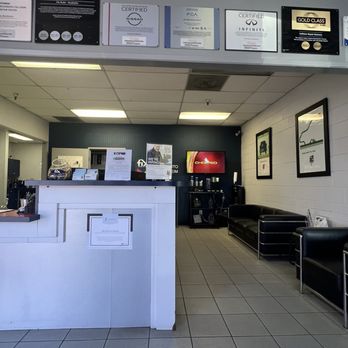
Fix Auto Photos


You might also consider


More like Fix Auto
Recommended Reviews - Fix Auto
Start your review...


Reviews With Photos


I dropped my car on off on 5/22/25 and picked it up 5/30/25. As you can see from the before and after pics, they did a great job! Thankfully, my insurance paid for the repair and I was only responsible for the deductible ($500). Happy with the care and service! Would recommend
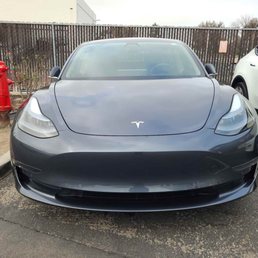
It's unfortunate to have auto collisions. But luckily, my experience with Alison from Fix Auto has been nothing but spectacular! Not only did they finish the repair earlier than expected, Alison also went above and beyond to have a form completed for my insurance. This "Certified Mechanic Statement" was requested by my insurance company and I had trouble finding someone to have this filled out for me. I spent countless hours trying to any mechanics to complete this for me, but all of them have never heard of this form (neither have I) and all refused to do it for me. But guess what? Alison was able to take care of this on my behalf and even contacted the insurance company for me. Now this is called superb service! Got my car back yesterday and the job done was great. Of the 3 collision experiences I've had, this is by far the best service I've experienced. Shout out to Alison and thank you so much for making this pleasant for me. No offense, I hope I don't see you guys again. lol. But if I'm in need, now I have a go-to to fix my Tesla. :)
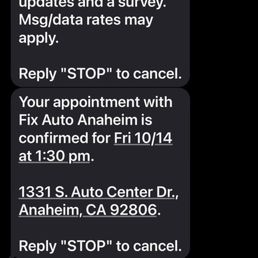

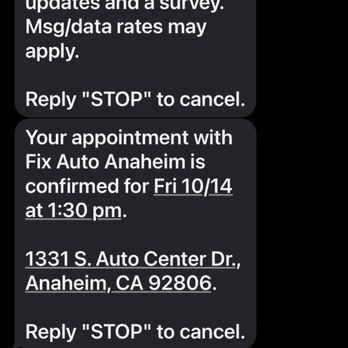
Do not be fooled by the good reviews. Read the recent poor review. That matches the real service quality. We booked an appointment a week ago for a service on 10/14 at 1:30pm. This place sent us a confirmation text message. All of a sudden in the morning of that day, a woman called us insisting that they do not have time for us. She kept repeating they were fully booked and there website calendar and their work calendar are different. We told her we already took a day off for the service specifically, but she did not care. No resolution or other options. Just kicked us out. The only thing she did was repeating: unfortunately, unfortunately, unfortunately. We were about to call for a supervisor to help us get the service today. Then I read the recent bad reviews about them breaking people's car. No, thank you. You will never need to serve our cars ever again.


Wow, what a great body shop. This is the second time my car has gone to this fix auto, and they have stellar quality of work, and even went above and beyond and completely detailed my car when it was done. When I came to pick up my car, they even handled the return of the rental car. Color match was perfect, outstanding work everyone!!
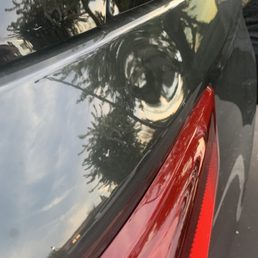

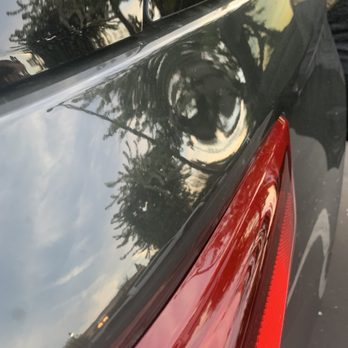
Talk about a scammer. I got sent there by my insurance to get an estimate for a shallow, non-creased dent. Guess how much they much the wanted? $1,201.76. I don't know why they have to remove both tail lights for a dent on the right quarter panel, why they want to take the bumper cover off, and why they are removing the quarter glass for a dent. They want to completely repaint the entire quarter panel...for a dent. My vehicle has barely over 5,000 miles, so it's not like they have to even fade the paint that much.


If I can leave ZERO stars, I would. Very unfortunate, by the lack of communication and unprofessionalism by Jesse & staff. I came in today, because I called to confirm if I can drop off my car without an appointment required and the receptionist or person who answered asked the manager and said yes, once I arrived the customer service rep (Jesse) for State Farm looked at my car he made me feel less, because my car is not very valuable enough. I got the feeling they earn commission based on customers repairs. He asked me to come back because they need to order the parts "company policy" (in a condescending tone) and leave a deposit $250 deposit. State Farm was taking full liability but I will advise to them not to refer business like yours and my friends and family will never come back. Thank you


I've had to take a few cars here after a few car accidents. I am very well pleased with their customer service and overall service on my vehicles. They communicate very well on the different stages on the work on the car. I've always used this auto shop because of their work they do. Its fast and so responsive. Thank you so much! My car looks new again! And thank you for washing my Ford Explorer! Definitely will continue to use this shop for any future business.


This is the second time I take my vehicle to Fix Auto. The first time the turn around was amazing, but this time Fix Auto went the extra mile and did a lot of phone calls for me. They first made sure I was going to be covered with a rental and went ahead and called one of their recommended rental place. After they made the call a Lyft picked me up. After that they went ahead and explained the process and told me it should be a quick fix. Sarahy was on top of everything. Sarahy made sure that the other party's insurance would expedite the payment process to have my vehicle released as soon as they were done. Since I mentioned that I will be needing my vehicle the following weekend. She kept me updated about everything and my car released a couple days after Fix Auto was done with the repair. Thank you to everyone from fixing my vehicle to keeping me updated about everything. Fingers crossed I won't get hit again, but if that's the case I will be returning to Fix Auto.


I backed into a pole and crinkled by bumper and cracked my rear light...we have used Fix Auto before, and we really loved their customer service and completed end product, so it was a no-brainer to return here for my recent "oops". After checking with our insurance company and having a free repair estimate performed by Fix Auto, we decided it was cheaper to pay out of pocket rather than deal with insurance. It was smooth and easy service from the start, and in two days I had my car back looking good as new (truth be told, it looked better...10 years before someone backed into me and I had my bumper replaced by another repair shop that never matched my pain quite right)! Fix Auto even scrubbed my car squeaky clean (tires too!) and vacuumed out the inside (thank you!!!). If I should ever need body repair again, Fix Auto is my destination.

I took my toyota tacoma for a dent and paint refinish on the right pillar. They told me the car would be ready in 1 and 1/2 weeks to 2 weeks, they ended up calling me for pick up earlier than the estimated time, so i was really happy. I returned the rental car and got an uber to fix auto, to my surprise that the car wasn't actually ready, they had missed a huge notable spot that needed paint. Not only did they waste my time but i also had to miss a couple hours of work to bring the car back the next day so they could fully finish the job. i don't know their vehicle release process, but they should inspect the car and work done before calling the costumer for pick up!


6 years ago
Business owner information

Fix A.
Caroline, I am so happy to see you got to experience the exceptional…

2 months ago
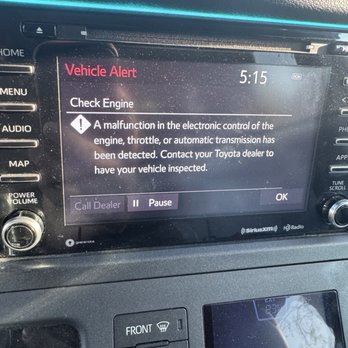
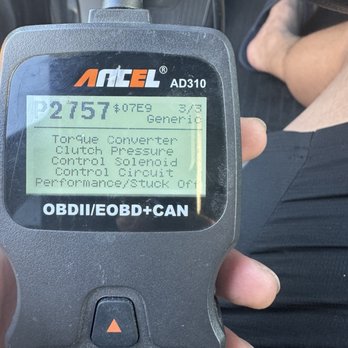
I rarely post public reviews, but the public and insurance carriers need to be aware of how Fix Auto Anaheim handles quality control, post-repair safety complaints, and basic documentation. Act I: The Premature Release Following a collision on May 22, 2026, my 2020 Toyota Sienna was remanded to Fix Auto Anaheim through Mercury Insurance for repair. Up until the accident, the van had zero transmission or drivability issues. Repairs were originally scheduled for completion around June 22, but I received a call on June 8 stating the vehicle was fully restored and ready for pickup. Act II: Dismissed Complaints & Undocumented Repairs The moment I drove off the lot, the vehicle felt wrong, and the radio stopped functioning properly. I turned right around and returned it the same day. Management immediately tried to brush it off, claiming the issues were caused by "aftermarket equipment" a completely unsupported claim given the vehicle's clean pre-accident operating history. I was told to come back the next day since it was 4:45 PM and the technicians went home for the day. I returned the next day. This time, a technician removed a side panel, took me in the back and showed me damaged wiring components that were never mentioned in my original repair plan, and did a quick 5-minute fix. Relying on their implied professional expertise, I left with the car without thinking anything of it. However, I later discovered this physical intervention was never documented on a supplemental estimate or added to my repair invoice. Which created an even bigger disaster with Mercury. Act III: Catastrophic Highway Failure Less than 10 days later, on June 18, the vehicle suffered a total transmission failure on Interstate 5. It lost all driving capability in live traffic. Obviously was a massive safety hazard and had to be towed off the highway. When contacted that day I was told their computers were down, they basically washed their hands of the situation, stating body shops don't handle mechanical repairs. And they checked the codes (I have a feeling they did not check for codes or just cleared the codes and gave me the car) While I understand body shops and mechanical shops have different specialties, I had reported drivability concerns the exact day I picked up the van. Act IV: The Evidence (Forensic Mechanical Teardown) I had the van towed to an independent licensed facility, where an official inspection and complete transmission teardown were conducted. The diagnostic findings were severe: Stored Fault Codes: Diagnostic scans revealed a flood of transmission and torque-converter clutch failure codes (P0740, P0741, P0745, P0775, P2713, P2714, and P2756). Teardown Evidence: The teardown revealed normal fluid levels alongside extensive internal destruction, burnt friction material, scored machined surfaces, and severe heat discoloration across the clutch drums and valve body. The Cost: A $7,208.05 replacement estimate. The Bottom Line I am not making an unqualified legal declaration of causation here. That is for the forensic mechanical inspection and insurance adjusters to finalize. What I am calling out is Fix Auto Anaheim's failure in their duty of care. Did they perform pre- and post-repair diagnostic scans as required by standard industry protocols? If codes were active, did they clear warning lights without diagnosing the underlying hydraulic/solenoid issues? Why was damaged wiring patched off-the-record without formal documentation? Their refusal to take initial complaints seriously left me stranded in a nightmare tri-party coordination gap between the body shop, insurance, and a mechanical shop. Never depend on a collision center to be transparent about your diagnostic codes. Moving forward, I recommend spending $20 to buy an OBD-II code reader on Amazon. The second a Check Engine light pops up, plug it in and take clear, time-stamped photos of every single fault code before dropping your car off at a body shop. Having your own photo evidence creates an undeniable paper trail, preventing shops from claiming fault codes were "pre-existing" or sweeping critical diagnostic warnings under the rug. read more


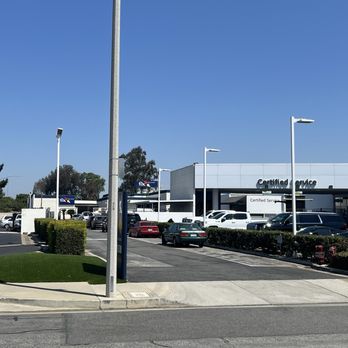
Great response time and customer service from the front to the back of the shop. My mechanic was Mike and kept me informed throughout the entire process while my car was in the shop. Constant communication from texts and emails. Great location next to all of the other car dealerships. They were efficient, quick and explained things very well. read more


10 months ago

1 year ago
I dropped my car on off on 5/22/25 and picked it up 5/30/25. As you can see from the before and after pics, they did a great job! Thankfully, my insurance paid for the repair and I was only responsible for the deductible ($500). Happy with the care and service! Would recommend read more


2 years ago

1 year ago
2 years ago
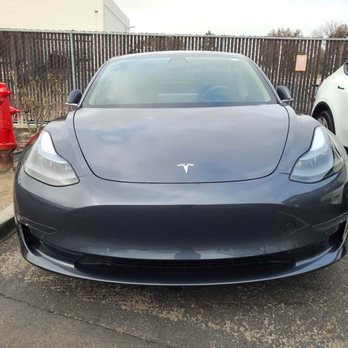
It's unfortunate to have auto collisions. But luckily, my experience with Alison from Fix Auto has been nothing but spectacular! Not only did they finish the repair earlier than expected, Alison also went above and beyond to have a form completed for my insurance. This "Certified Mechanic Statement" was requested by my insurance company and I had trouble finding someone to have this filled out for me. I spent countless hours trying to any mechanics to complete this for me, but all of them have never heard of this form (neither have I) and all refused to do it for me. But guess what? Alison was able to take care of this on my behalf and even contacted the insurance company for me. Now this is called superb service! Got my car back yesterday and the job done was great. Of the 3 collision experiences I've had, this is by far the best service I've experienced. Shout out to Alison and thank you so much for making this pleasant for me. No offense, I hope I don't see you guys again. lol. But if I'm in need, now I have a go-to to fix my Tesla. :) read more

4 years ago
Do not be fooled by the good reviews. Read the recent poor review. That matches the real service quality. We booked an appointment a week ago for a service on 10/14 at 1:30pm. This place sent us a confirmation text message. All of a sudden in the morning of that day, a woman called us insisting that they do not have time for us. She kept repeating they were fully booked and there website calendar and their work calendar are different. We told her we already took a day off for the service specifically, but she did not care. No resolution or other options. Just kicked us out. The only thing she did was repeating: unfortunately, unfortunately, unfortunately. We were about to call for a supervisor to help us get the service today. Then I read the recent bad reviews about them breaking people's car. No, thank you. You will never need to serve our cars ever again. read more

5 years ago
Wow, what a great body shop. This is the second time my car has gone to this fix auto, and they have stellar quality of work, and even went above and beyond and completely detailed my car when it was done. When I came to pick up my car, they even handled the return of the rental car. Color match was perfect, outstanding work everyone!! read more

Business owner information
Fix A.
John, I am so happy to see you had a "stellar" experience not once,…

4 years ago
Talk about a scammer. I got sent there by my insurance to get an estimate for a shallow, non-creased dent. Guess how much they much the wanted? $1,201.76. I don't know why they have to remove both tail lights for a dent on the right quarter panel, why they want to take the bumper cover off, and why they are removing the quarter glass for a dent. They want to completely repaint the entire quarter panel...for a dent. My vehicle has barely over 5,000 miles, so it's not like they have to even fade the paint that much. read more

2 years ago

4 years ago
If I can leave ZERO stars, I would. Very unfortunate, by the lack of communication and unprofessionalism by Jesse & staff. I came in today, because I called to confirm if I can drop off my car without an appointment required and the receptionist or person who answered asked the manager and said yes, once I arrived the customer service rep (Jesse) for State Farm looked at my car he made me feel less, because my car is not very valuable enough. I got the feeling they earn commission based on customers repairs. He asked me to come back because they need to order the parts "company policy" (in a condescending tone) and leave a deposit $250 deposit. State Farm was taking full liability but I will advise to them not to refer business like yours and my friends and family will never come back. Thank you read more


6 years ago
I've had to take a few cars here after a few car accidents. I am very well pleased with their customer service and overall service on my vehicles. They communicate very well on the different stages on the work on the car. I've always used this auto shop because of their work they do. Its fast and so responsive. Thank you so much! My car looks new again! And thank you for washing my Ford Explorer! Definitely will continue to use this shop for any future business. read more


2 years ago


7 years ago
This is the second time I take my vehicle to Fix Auto. The first time the turn around was amazing, but this time Fix Auto went the extra mile and did a lot of phone calls for me. They first made sure I was going to be covered with a rental and went ahead and called one of their recommended rental place. After they made the call a Lyft picked me up. After that they went ahead and explained the process and told me it should be a quick fix. Sarahy was on top of everything. Sarahy made sure that the other party's insurance would expedite the payment process to have my vehicle released as soon as they were done. Since I mentioned that I will be needing my vehicle the following weekend. She kept me updated about everything and my car released a couple days after Fix Auto was done with the repair. Thank you to everyone from fixing my vehicle to keeping me updated about everything. Fingers crossed I won't get hit again, but if that's the case I will be returning to Fix Auto. read more


5 years ago
Business owner information
Fix A.
Hi Steve, I can assure you that your vehicle was detailed when…

7 years ago
I backed into a pole and crinkled by bumper and cracked my rear light...we have used Fix Auto before, and we really loved their customer service and completed end product, so it was a no-brainer to return here for my recent "oops". After checking with our insurance company and having a free repair estimate performed by Fix Auto, we decided it was cheaper to pay out of pocket rather than deal with insurance. It was smooth and easy service from the start, and in two days I had my car back looking good as new (truth be told, it looked better...10 years before someone backed into me and I had my bumper replaced by another repair shop that never matched my pain quite right)! Fix Auto even scrubbed my car squeaky clean (tires too!) and vacuumed out the inside (thank you!!!). If I should ever need body repair again, Fix Auto is my destination. read more


3 years ago
I took my toyota tacoma for a dent and paint refinish on the right pillar. They told me the car would be ready in 1 and 1/2 weeks to 2 weeks, they ended up calling me for pick up earlier than the estimated time, so i was really happy. I returned the rental car and got an uber to fix auto, to my surprise that the car wasn't actually ready, they had missed a huge notable spot that needed paint. Not only did they waste my time but i also had to miss a couple hours of work to bring the car back the next day so they could fully finish the job. i don't know their vehicle release process, but they should inspect the car and work done before calling the costumer for pick up! read more
3 years ago

3 years ago

7 years ago
In 30 years of driving, this is HANDS DOWN the most competent repair shop my family has ever had the honor of dealing with. Stephanie and all the office staff are extremely friendly, knowledgeable, and technically savvy as their system sends text messages, emails of various steps in progress photos, and can handle interfacing with Insurance providers (in this case, Mercury vs Western General) and rental car carriers (Enterprise) just like you've always dreamed a shop should. The worst part of an accident beyond injury and $$ is all the stress of knowing that you're going to half to double check all the various vendors and fix their mess-- not here. I dropped it off, was updated via text, email, and phone as was appropriate to the info, and I just showed up and it was done. Enterprise even picks up drop offs! The shop crew are miracle workers. I honestly can't explain how they repaired the photo I posted THE SAME DAY I DROPPED OFF THE CAR! My Buick has a special option metallic blank paint, and the scratches from the accident were 1mm+ deep, and yet I can't tell that anything happened. Dropped off at 8am damaged, drove home repaired at 4:30pm... on a Friday. My Dad had a really bad accident in his Yukon Denali, and because of the extent of the damage, the front office fought (and Won) against the insurance/rental agencies to extend rental coverage beyond the contract length (saved him $500). I'm sure their skills with other brands are just as amazing, but as a General Motors family with two case studies, this repair shop next to Harden BUICK GMC should be the only phone call you make. I'd rate them an 11/10! read more

4 years ago
Brought my car in for front collision, car is worth about 13,000, they quoted 6,500+. The accident happened maybe 3 months ago, so for like maybe 2 months I've been waiting for the parts and driving my car all around, I'd been to LA and back a few times, and the car was running fine even after the accident. Then flash forward 3 long months the car is basically cosmetically fine, one of the headlights looks like a used one but at least it's not smashed. Car lasted me no longer than an hour, stopped on the way into the Freeway, cannot believe this. I return to them a perfectly functioning 2jzge and they give me back the car telling me it's not their fault. I am beginning to talk to my legal team as these imbeciles will sure love to raise your quote but won't even do the job well. Would give a negative 5 stars if possible. read more


6 years ago
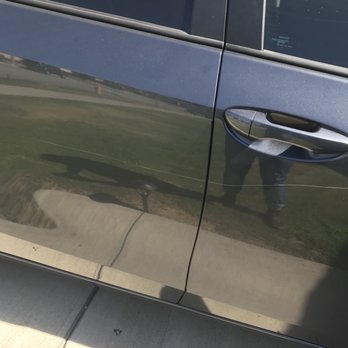
I chose this shop through my insurance and I am so happy with the service I received! Not only do they have great customer service but they also left my car like new. Thank you to Gema for the great customer service. 10/10 and helping me out, constantly giving me updates on my vehicle. I would definitely recommend this place to my family and friends! Thank you Fix Auto Anaheim! read more



6 years ago
Took my car to Fix after having it botched at Caliber 4 times and they fixed everything the right way. They guys are wonderful! read more

Business owner information
Fix A.
Troy - Thank you for being a promoter of Fix Auto Anaheim! Our…


6 years ago
3 years ago

5 years ago

7 years ago

5 years ago

4 years ago

7 years ago

7 years ago


4 years ago

3 years ago

7 years ago
Business owner information
Fix A.
Amy T. Thank you very much for trusting Fix Auto Anaheim to be your…

5 years ago
Business owner information
Fix A.
Linda, Thank you for leaving us such a nice review. We strive to be…
Page 1 of 6
More info about Fix Auto
Ask the Community - Fix Auto
Review Highlights - Fix Auto
You might also consider




Why does Yelp recommend reviews?
25 reviews that are not currently recommended
The reviews below are not factored into the business's overall star rating.
8 years ago
2 years ago
8 years ago
8 years ago
8 years ago

8 years ago
7 years ago

5 months ago
8 years ago

9 years ago
9 years ago
1 year ago
8 years ago

11 years ago
8 years ago

8 years ago
8 years ago
7 years ago

9 years ago
8 years ago


