
Paul Mitchell The School Phoenix
By appointment only
Services - Paul Mitchell The School Phoenix
Haircut
Paul Mitchell The School Phoenix Photos


You might also consider


More like Paul Mitchell The School Phoenix
Recommended Reviews - Paul Mitchell The School Phoenix
Start your review...


Reviews With Photos


My son Lucien wanted a haircut & style with a fashion color for his birthday. I took him to the Paul Mitchell School Phoenix the Valley's premiere school for beauty education and cosmetology. They also offer salon services where their students learn and instructors teach the necessary skills to work in a salon setting. Now, a cut style and fashion color takes a little while the whole process was about 4.5 hours, but the student stylist was very careful and thorough she gave Lucien a wonderful cut and color. The staff was very friendly we paid $150, but when calling around various salons, I was getting quotes of $250 and up, so they really are a good value. The students are closely supervised by the instructors, and I would say they are every bit as good most Valley salons.


On the whim today, I decided to go platinum on my hair. Very last minute, I called and I got an appointment for 12:45pm. I was so lucky to get Sophia, she was FANTASTIC! She walked me through every step, got the instructor if we needed too, and she was very efficient. The entire vibe of the school was absolutely amazing, everyone was so friendly. Thank you Sophia!


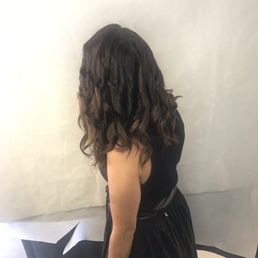
I am absolutely mortified with my experience at this location. This was a haircut I received by an instructor....AN INSTRUCTOR. I was never spoken to during my service, asked how I was doing, no questions about my hair...I am absolutely heart broken. Do not go here. Discounted prices will give you discounted services like this. **Siri, please buy a 200 pack of biotin*** ZERO CUSTOMER SEVICE, ZERO QUALITY, THANKS FOR THE HACK JOB.

3 years ago
Business owner information

Paul Mitchell
Thank you for sharing your feedback with us, Gomez. We are sorry to…
4 years ago

8 years ago

9 years ago
Sooooo... I got my hair cut here. It didn't go all that well. This would automatically earn a 1 star, it truly depends on which student you get. Some a great, and some are..... the attached picture speaks for itself. I'm literally scarring from this haircut. read more


8 years ago
I had a great experience coming here, would highly recommend! The instructor Sara was very attentive with her students as Aerin did a great job with my color correction. She was amazing and helpful when it came to the amount of time she had to spend on my hair. You can tell she loves what she does. Thank you girls! read more


7 years ago

9 years ago
Only gave this one star because of the nice hairdresser in training. I purchased a Groupon for color, and cut. Big mistake. The color was beyond terrible. I was told that the color that I was looking for, I could not use the groupon. My roots would not take the color I was hoping for. Funny, I have gotten my hair colored my whole life, and never was told that. I told them my hair pulls orange, red, when colored, and I did not want that. Again I have told other hairdressers this, and achieved a pretty color. The teacher told me they would do this, and that, (40 40 developer, some color, but it would not be blonde that I was looking for, not even light brown. Anyways came out carrot orange. He insisted this was the color on my hair, blah, blah. Rude...told me, him and the hairdresser were not seeing the color I saw. I might of said a few choice words, not of praise that's for sure. He did try putting in some ash color, and something to tone down the orange. It worked alittle. I also do have gray hair, and he told me the color would turn them blonde...I still have gray. Truth I feel bad for the girls training to become hairdressers. I sometimes think when you purchase a groupon, the amount of service seems to lack terribly, but no excuse for a very bad color job. Hoping to put up pictures. They don't lie. Haircut ok, at that point, I just wanted to leave. read more


7 years ago

10 years ago


15 years ago

17 years ago

16 years ago

7 years ago
7 years ago
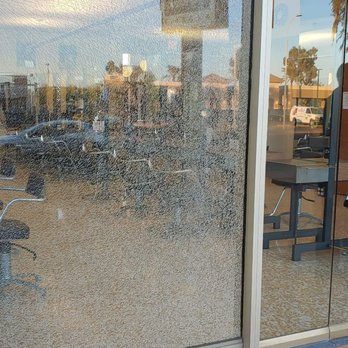
I was GOING to get my hair done here as my friend goes here but as I was walking by today I saw that THREE WINDOWS were busted out. Not safe and not a good look for a school/salon read more

Business owner information

Linda Y.
Unfortunately, we were one of several community members on our street…


8 years ago

7 years ago

8 years ago

8 years ago

8 years ago
9 years ago
8 years ago

9 years ago

8 years ago

9 years ago

10 years ago

11 years ago

13 years ago

12 years ago
7 years ago
7 years ago

16 years ago
13 years ago

10 years ago

14 years ago

12 years ago
10 years ago
Business owner information
Linda Y.
Thank you for your kind review. Our Future Professionals and Learning…
9 years ago
More info about Paul Mitchell The School Phoenix
3423 West Bethany Home Rd
Phoenix, AZ 85017
Directions
(602) 246-1616
Call Now
Visit Website
https://paulmitchell.edu/phoenix
Hours
Payment methods
Services
Outdoor Amenities
Other Amenities
From the Business
Ask the Community - Paul Mitchell The School Phoenix
Review Highlights - Paul Mitchell The School Phoenix
You might also consider















Why does Yelp recommend reviews?
69 reviews that are not currently recommended
The reviews below are not factored into the business's overall star rating.
3 months ago
4 years ago
7 years ago
10 years ago
16 years ago

16 years ago
3 months ago

13 years ago
1 year ago
15 years ago

7 years ago
7 years ago
12 years ago
5 years ago
4 years ago
2 years ago

11 months ago
7 years ago
11 years ago

3 months ago


