Order Noz 17 Takeout or Delivery
Noz 17 Photos


Business Info
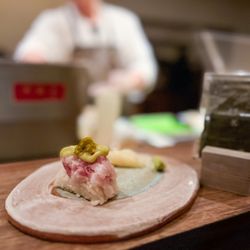
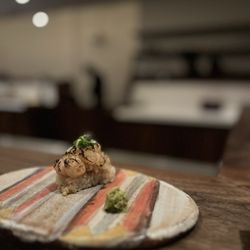
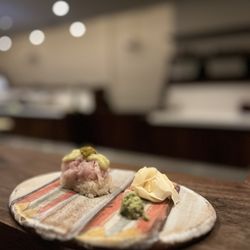
Noz 17 Popular Dishes


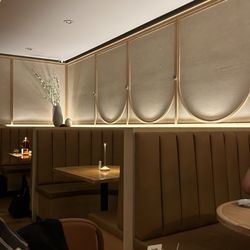
NOZ 17 ATMOSPHERE
What's the vibe?

You might also consider


More like Noz 17
Recommended Reviews - Noz 17
Start your review...


Reviews With Photos
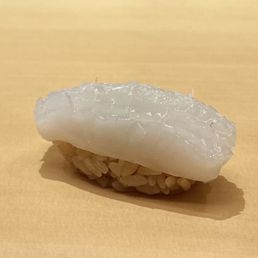

When you decide to spend over 1k for an evening out for 2, you would imagine exemplary cuisine and service.Noz17 delivered on the latter but failed with the cuisine. Prior to this experience, it wasn't conceivable that subpar cuts of fish available elsewhere for far less would enter this tier of omakase establishments. Omakase must deliver curated items not leftover or generic offerings. You don't serve average cuttlefish, kohada, old otoro, etc. Maybe it was an off night and suppliers were limited, however, consumers should be made aware (ahead of time) and not be forced into this unfortunate experience. 85% of the meal was forgettable which is unacceptable. Service was really the only highlight.


Good but we both left pretty hungry, lol. Loved Noz in UES so wanted to try this place. Fish quality was good but fewer pieces than most omakase places (I think we had around 10 pieces of nigiri with a couple kitchen items). We also felt pretty cramped - there were 2 sushi counters - a 4 seater and a 7 seater. We were seated at the former and it definitely felt very cramped, tight and a little uncomfortable. I was basically on top of the party next to me. The 7 seater counter sounded like they were having a lot more fun (we heard a lot of laughter). When we left, it looked like they made the folks for the next seating wait outside in the cold as there was a large group of them, which kind of sucks. We also did the $100 sake tasting which is the lower tier (higher tier is $200 - both are 3 sakes for the night). The pours were pretty generous and lasted 3-4 courses each. I wasn't particularly fond of any of them, which was a little disappointing. That said, the service was friendly and I liked that the chef was interactive. Unfortunately, the sushi competition in NYC is stiff so probably won't be returning.
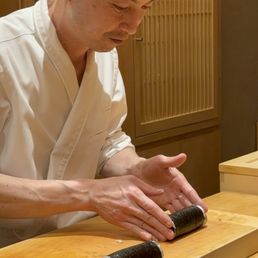

This was honestly one of the worst dining experiences I've ever had. This is far from a place worthy of celebrating a special occasion. It feels more like an overpriced small family business trying to present itself as a high-end fine dining restaurant. The first thing every guest is told by the staff is to use the restroom because there is no waiting area or lounge. For a restaurant positioning itself as a premium experience, that's disappointing. We weren't even greeted with something as simple as, "How are you today?" Considering it was summer, the dining room also felt uncomfortably warm. When I mentioned that the air conditioning didn't seem to be working well, the staff simply dismissed my concern and told me the temperature was fine, rather than acknowledging how we were feeling or trying to make us more comfortable. Throughout the meal, the waiter kept correcting where I placed my spoon and how I should use the phone holder. Instead of politely guiding guests, it felt like every small detail was being enforced as a rule. Fine dining should feel welcoming and refined, not restrictive. The chef also seemed unusually defensive. When I simply asked if I could have extra sauce for one of the dishes, I was told, "You don't put sauce on this," in a way that felt dismissive rather than accommodating. Even more concerning, some of the fish did not seem fresh. Another customer nearby even asked, "Is that aged? Because it doesn't look fresh." Rather than addressing the concern professionally, the chef appeared offended again. I also witnessed another guest repeatedly request that her food be prepared without wasabi. Despite her request, the chef continued adding wasabi to her dishes. At one point, her partner ended up eating the dish instead so it wouldn't go to waste. Even for the final course, which was prepared all at once, the chef again added wasabi despite her repeated request. There was no acknowledgment of her preference or attempt to accommodate it. Watching a clearly communicated dietary or taste preference be repeatedly ignored reflected a lack of consideration for the guest. The experience became even more uncomfortable at the end of the meal. Because we were dissatisfied with the overall experience, so we left a smaller tip than we normally would. A staff member who had very little interaction with us during dinner approached my partner with aggression and asked if there was something wrong with the service. He then insisted that we should leave at least an 18% tip. When my partner chose to leave less, he said they would rather not have the tip at all, handed back the merchant copy, told us to keep the tip ourselves, and walked away. The interaction came across as entitled and unprofessional. Tips should reflect the guest's experience and should never be demanded or negotiated. The worst part came after we got home. I began experiencing vomiting and stomach pain shortly after the meal. At first, my partner thought I was overreacting, but about two hours later he developed the exact same symptoms. While I can't say with certainty what caused it, it was deeply concerning that we both became ill after dining there. I've eaten at many Michelin-starred and other acclaimed restaurants, and one thing they consistently do well is make guests feel comfortable while maintaining high standards. Here, it felt like the staff cared more about enforcing rules than creating an enjoyable dining experience. We came here fully aware of the price and expecting an experience that justified it. Unfortunately, the service, the attitude of the staff, the uncomfortable interaction regarding tipping, and the fact that we both became ill afterward made this one of the worst fine dining experiences I've ever had. It is genuinely saddening because we came in with high expectations but left feeling disappointed from beginning to end.


It was a great experience, but before you go, you should understand what the edomae style means. The fish is cured, so it tastes like it's been marinated in a kind of vinegary flavor rather than letting the flavor of the high quality fresh fish shine on its own. I personally wasn't a huge fan of it, as I prefer a bit more of a minimalistic style of preparation, but we still had a great meal. I came with two work colleagues and we really enjoyed the service, and every bottle we ordered was fantastic: the sake, muscadet, and the Chablis. Not sure I would be back, but if you like edomae style, this place is for you!
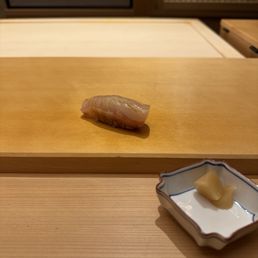

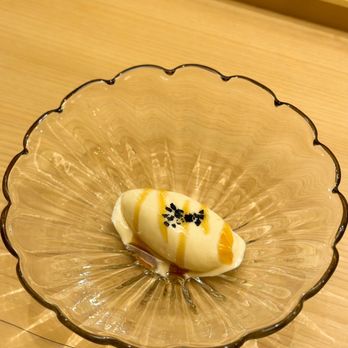
I am a BIG fan of Noz 17 and can confidently say it's one of the best omakases in NYC (and I've tried a LOT of omakase!). Chef Matsu's thoughtful preparation of the fish definitely came through in the taste and quality of every piece in this tasting menu and brought out the best the fish could offer. I would definitely recommend coming here if you have the time! Something that really stood out to me about Noz 17 was how soft all of the fish was (and not in like a weird mushy way, but in a very balanced way where each fish still had some bite and structure but was aged and treated to make it more tender and melt-in-your-mouth). The baby sea bream, scallop, knife jack, pike mackerel, akami, and even the FREAKING EGG CUSTARD(?! like WHAT) were so much softer than any other time I've had them. I was especially impressed by the scallop, which I'm typically not a big fan of, as the scoring and ageing of the scallop led to it having a much more pleasant texture that I did not expect! The rice here also slaps, but more on that later. Other standout pieces include the tempura swordfish, which was so crispy and light with absolutely some of the most tender fish inside that just fell apart in your mouth; as well as the monkfish liver with rice crisp--another dish I don't typically love but that was elevated so much by Chef Matsu's expert preparation as well as the fantastic crunch of the rice crisp, which is actually made with the same red vinegar preparation as the rice they use with their nigiri. Which allows me to segue perfectly into talking about THE RICE! The rice here is prepared perfectly, not too sticky or mushy, retaining its structure and bite without being too dry, and most importantly a very balanced vinegar-to-sweetness ratio that really helped to highlight the fish rather than overwhelming the nigiri. They also repurposed the rice as I mentioned above to make rice crisp, which they added to the monkfish as well as the corn sorbet at the end. They also gave us a bag of rice crisp to take home and use as toppings on other things like yogurt, oatmeal, or really anything you choose--but I ended up just eating all of it by itself because it was SO GOOD. Highly, highly recommend Noz 17. I try to avoid revisiting restaurants in NYC because I just have way too many on my bucket list, but I will definitely be back to try their menu for other seasons, and I will definitely prioritize trying other Noz restaurants!

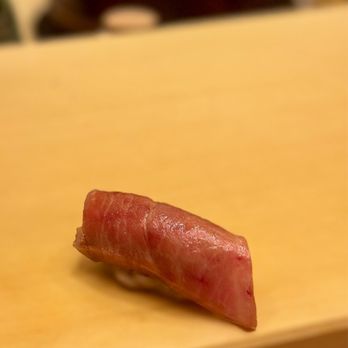
One of the best sushiya in NYC. At $200 pp this is one of, if not the least expensive Michelin Star sushi experiences. If you go, sit at the main counter when Chef Matsu is in. We found it to be a very well paced omakase and filling. The pieces of nigiri are a generous size and you can request less rice if you're feeling full. The style is edomae meaning a lot of the fish is marinated and the rice is made with a mixture of red vinegar leading to a deep umami flavor. The fish was also aged in a way where each piece was super soft and melted in your mouth. Some of the highlights of our meal; Soft Shell Crab - this was a otsumami dish to open the meal and it was fantastic. Baby Sea Bream - fantastic and fresh. Cuttlefish - favorite nigiri of the meal, ordered an additional piece when the main omakase was over. Scallop - fantastic and fresh. Shrimp With Sea Urchin On The Bottom - never had a piece of nigiri prepared this way and it was fantastic. Akami Marianted In A Soy Dashi Broth - this was another piece of nigiri done in a style that we've never had. The tuna is marinated for about 20 minute in the broth. Fantastic. Eel Chawmushi -a piece of cooked eel nigiri prepared chawamushi style, awesome Service was impeccable. The counter is small with 7 seats and there is also an adjacent room with a 4 seat counter. Since both counters serve the same menu at the same price it's best to sit at the main with Chef Matsu.


Exceptional service, amazing food, a great night at Noz 17! We received a welcome note when sat at the table which was so sweet. The flow was definitely different from other sushi tastings we've done in the past but I loved that. Every dish beautifully designed and very different from the previous. The cuttlefish was a huge standout for me, as well as the uni and clam. I also loved the wood counter and how the dishes were served directly on it. We received a nice edible parting gift along with a thank you note. Would have been nice to receive a menu card afterwards as there were so many dishes, we started to lost track of what we had. 10/10 experience nonetheless.


What a beautiful experience at Noz 17. Staff welcome you with warm greetings and promptly get you seated at the omakase counter. Service is consistently paced and chef made some great conversion. Shohei went above and beyond, out of his way to make a great sake recommendation as well as provide superior service throughout the experience. Most of the courses were outstanding, but a couple of them did seem to a get little boring throughout the experience. Overall, a top notch Michelin omakase experience in the city. You need to come here!

Amazing. So many pieces I never had the chance to try in the U.S. unless I fly out to Japan. The vibes are also fantastic as it's only 6 seats. Chef was also amazing. I guess the only feedback I might have is to consider increasing it to 16 or 17 pieces as some might leave with a bit more room left.


100% worth it. Food 10/10 I am a fan of everything Noz. We All Gotta Eat Group does it again with this superb omakase experience. It's a little more experimental, and more varied in piece selection, but a stellar meal nonetheless. Excellent quality of fish of course, but had a greater number of unique dishes and ingredients. Felt like there were fewer nigiri compared to Sushi Noz. I love the way Chef Matsuzaki plays with different textures and combinations of ingredients. I am actually obsessed with the rice. It was warmer than other omakases I've been to, and the rice itself was seasoned with the perfect amount of vinegar, slightly sweet, and a perfect complement to the fish. The rice size itself was also not too big, so I was able to eat all 23 pieces. Again, 23 pieces is insane and such a great way to explore the diverse ingredients. I could eat omakase every day for the rest of my life. Omakase list: Japanese winter potato Chutoro: aged one week Yellowtail Stewed octopus Baby sea bream Steamed egg and male snow crab Baby bluefin tuna Monkfish liver, shirako, caviar: a massive piece I attempted to stuff all in my mouth, and it melted immediately Needlefish: surprisingly might be my favorite, loved the ginger flavor Hokkaido uni: classic favorite. SO SWEET Cuttlefish Bottarga: tastes like parmesan, done better than the Italians imo Scallop on scallop Whitefish Gizzard fish with shrimp flakes Clam: Black codfish: seared and topped with homemade sauce Lean bluefin tuna Otoro: love Homemade female snow crab with uni risotto: creamy af Miso soup: made with the bones of the fish, SO SO rich Tamago: best I've ever hard, it's so custardy and literally when I tried to pick it up I embarrassed myself by breaking it in two. I did not want to be perceived at that moment. Chestnut paste dessert Umami go crazy. Atmosphere 9/10 The interior felt more lowkey compared to Sushi Noz, potentially acclimating to the more lwokey vibes of Chelsea. I was wearing a sweater and felt a bit too hot, but other than that, everything was perfect for the meal.1 Service 9/10 Excellent hospitality. Everyone is super friendly and made me feel very comfortable. It was nice that they would say my name before asking me anything, so it felt more personal. I would say the level of service is a little less polished than Sushi Noz, but that is such a high standard anyway. Felt slightly awkward at some times, but overall very homey and very accommodating.
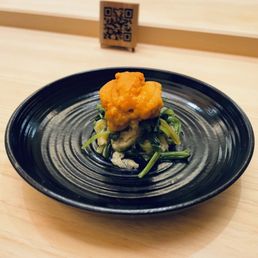

TLDR: Expect an intimate counter, lots of courses with a unique menu format. Chef Matsuzaki gave me one of the more memorable omakase meals I've had and while it's more of a special occasion place - Noz17 is worth the money if you ask me. For me personally, I actually prefer Noz17 over Sushi Noz. I am very late in writing this review but I still think I owe them one. Noz17 is not cheap but if you're going to celebrate - do it right. The menu format was not quite as straightforward here, typically it's lots of appetizers, some nigiri, a hand roll or futomaki, soup, dessert. It's a small countertop and I love how the pieces are served directly on top of the wood. No individual plates, it's like one big communal table but in a good way. The pace is a bit different, there are some nigiri, then some smaller cooked bites, all mixed up in between. It had the high caliber feel you'd expect from a Noz restaurant but not quite as uptight. We came for Valentine's Day last year but some courses are still fresh in my mind. An uni opener, delicious nutty Hokkaido sea urchin roe. Followed by a FANTASTIC kohada. Then progressing on to a fatty cut of toro sashimi, then shirako, then trout and then seared bonito. The serving order was different but it felt very much like what omakase is at the essence. Leave it to the chef. I haven't been back since but this meal is still one that we talk about to this day. I guess the only problem is - we haven't been back since but gotta change that soon. If you're wondering whether or not it's worth the plunge, my short answer is: yes, it is.
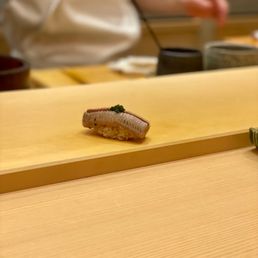

Noz 17 is a Chelsea-based sushi restaurant serving an incredible 25-30-course edomae omakase. We'll highlight some of the courses that stood out to us, but this was truly one of the best dining experiences we've had in NYC and highly recommend this for a special occasion meal. Some of our favorite courses were the king bream cooked in dashi, smoked Japanese mackerel topped with soy bean paste, catfish tempura topped with caviar, a plate with uni, Japanese mullet fish, bottarga, and fermented sea urchin, sardine, bluefin tuna, and uni risotto. For those interested in seeing the rest of the dinner lineup, see the below. The staff and chef were wonderfully attentive and it was a pleasure getting to have a chance to have a seat at the counter 1. Lotus root dumpling 2. Kohada 3. King grouper sashimi with radish and carrot 4. King bream cooked in dashi 5. Egg custard topped with crab 6. Baby sea bream 7. Smoked Japanese mackerel with shiso broth and topped with bean paste 8. Catfish tempura topped with caviar 9. Cuttlefish 10. Shiitake mushroom 11. Uni, mullet, bottarga, and fermented sea urchin 12. Fried Taro cooked and dashi, topped with soybean paste 13. White tile fish 14. King salmon 15. Sardine 16. Charcoal grilled barracuda, pressed sushi 17. Grilled fish whose name I can't remember with lime 18. Lean bluefin tuna marinated in soy sauce and dashi 19. Medium fatty tuna 20. Uni risotto 21. Fried fish I cant remember but had a thicc umami-bomb sauce 22. Bone broth soup 23. Tamago 24. Pear 25. Tea
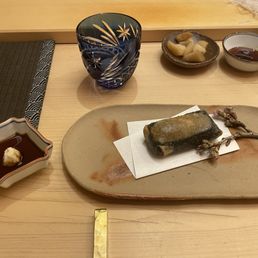
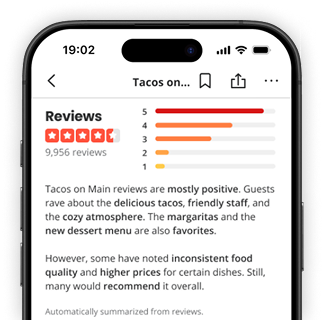
Reviews are generally positive. Diners highlight the fresh, high-quality sushi, attentive and professional service, and a unique omakase experience in an intimate setting.
Read the full review summary in the app

5 days ago
All I can say is wow!! This place is truly an amazing omakase experience. From the calm ambience to the remarkable skill of the sushi chefs, we truly had a great time here. Each bite was meticulously crafted and tasted delightful. The chefs and other service here are very professional and skilled and it was a treat to watch them at work. Something unique about this place is the rice -- the texture and temperature of it is just right! We came here for a birthday and could not have imagined a better omakase experience. Would definitely recommend to anyone celebrating a special occasion or just wanting some amazing sushi! read more



2 months ago
Noz 17 currently holds one Michelin star, but for me, the experience was nothing compared to Sushi Noz back in the day when it held one star (Sushi Noz now has two). There were only four guests during my seating, which made the experience very intimate. The chef was extremely nice, attentive, and provided excellent service. However, the meal itself didn't quite give me that high-end omakase feeling I was expecting. It was essentially sushi from beginning to end, and the selection felt fairly standard. Everything was prepared well, but there weren't many pieces that felt particularly new, memorable, or exciting. Coming back to NYC, I also feel like the Japanese fine-dining and sushi scene isn't exciting me as much as it used to. At the same time, I'm seeing more high-end Korean restaurants opening, with impressive food and huge demand for reservations. It's interesting to see that shift. I love both Japanese and Korean cuisine, though, so either way I'm happy to see great Asian restaurants thriving in New York. One practical tip: the restaurant was FREEZING inside! Definitely bring a sweater or jacket. Overall, wonderful hospitality and a very intimate experience, but considering the Michelin star and my memories of Sushi Noz, I expected a more distinctive and memorable omakase. read more


2 months ago

When you decide to spend over 1k for an evening out for 2, you would imagine exemplary cuisine and service.Noz17 delivered on the latter but failed with the cuisine. Prior to this experience, it wasn't conceivable that subpar cuts of fish available elsewhere for far less would enter this tier of omakase establishments. Omakase must deliver curated items not leftover or generic offerings. You don't serve average cuttlefish, kohada, old otoro, etc. Maybe it was an off night and suppliers were limited, however, consumers should be made aware (ahead of time) and not be forced into this unfortunate experience. 85% of the meal was forgettable which is unacceptable. Service was really the only highlight. read more
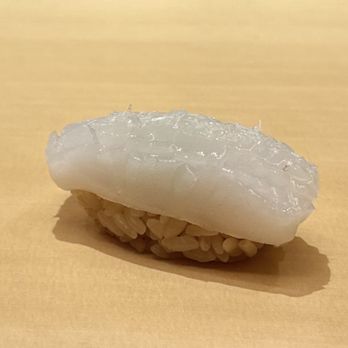


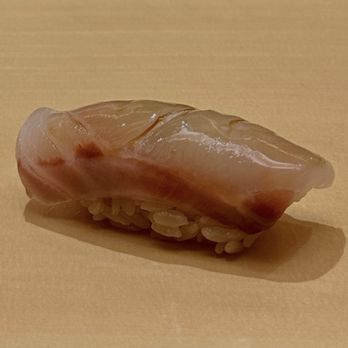


Good but we both left pretty hungry, lol. Loved Noz in UES so wanted to try this place. Fish quality was good but fewer pieces than most omakase places (I think we had around 10 pieces of nigiri with a couple kitchen items). We also felt pretty cramped - there were 2 sushi counters - a 4 seater and a 7 seater. We were seated at the former and it definitely felt very cramped, tight and a little uncomfortable. I was basically on top of the party next to me. The 7 seater counter sounded like they were having a lot more fun (we heard a lot of laughter). When we left, it looked like they made the folks for the next seating wait outside in the cold as there was a large group of them, which kind of sucks. We also did the $100 sake tasting which is the lower tier (higher tier is $200 - both are 3 sakes for the night). The pours were pretty generous and lasted 3-4 courses each. I wasn't particularly fond of any of them, which was a little disappointing. That said, the service was friendly and I liked that the chef was interactive. Unfortunately, the sushi competition in NYC is stiff so probably won't be returning. read more


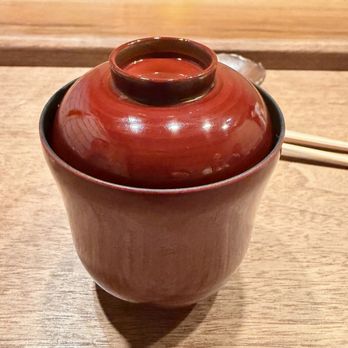


4 months ago
This was honestly one of the worst dining experiences I've ever had. This is far from a place worthy of celebrating a special occasion. It feels more like an overpriced small family business trying to present itself as a high-end fine dining restaurant. The first thing every guest is told by the staff is to use the restroom because there is no waiting area or lounge. For a restaurant positioning itself as a premium experience, that's disappointing. We weren't even greeted with something as simple as, "How are you today?" Considering it was summer, the dining room also felt uncomfortably warm. When I mentioned that the air conditioning didn't seem to be working well, the staff simply dismissed my concern and told me the temperature was fine, rather than acknowledging how we were feeling or trying to make us more comfortable. Throughout the meal, the waiter kept correcting where I placed my spoon and how I should use the phone holder. Instead of politely guiding guests, it felt like every small detail was being enforced as a rule. Fine dining should feel welcoming and refined, not restrictive. The chef also seemed unusually defensive. When I simply asked if I could have extra sauce for one of the dishes, I was told, "You don't put sauce on this," in a way that felt dismissive rather than accommodating. Even more concerning, some of the fish did not seem fresh. Another customer nearby even asked, "Is that aged? Because it doesn't look fresh." Rather than addressing the concern professionally, the chef appeared offended again. I also witnessed another guest repeatedly request that her food be prepared without wasabi. Despite her request, the chef continued adding wasabi to her dishes. At one point, her partner ended up eating the dish instead so it wouldn't go to waste. Even for the final course, which was prepared all at once, the chef again added wasabi despite her repeated request. There was no acknowledgment of her preference or attempt to accommodate it. Watching a clearly communicated dietary or taste preference be repeatedly ignored reflected a lack of consideration for the guest. The experience became even more uncomfortable at the end of the meal. Because we were dissatisfied with the overall experience, so we left a smaller tip than we normally would. A staff member who had very little interaction with us during dinner approached my partner with aggression and asked if there was something wrong with the service. He then insisted that we should leave at least an 18% tip. When my partner chose to leave less, he said they would rather not have the tip at all, handed back the merchant copy, told us to keep the tip ourselves, and walked away. The interaction came across as entitled and unprofessional. Tips should reflect the guest's experience and should never be demanded or negotiated. The worst part came after we got home. I began experiencing vomiting and stomach pain shortly after the meal. At first, my partner thought I was overreacting, but about two hours later he developed the exact same symptoms. While I can't say with certainty what caused it, it was deeply concerning that we both became ill after dining there. I've eaten at many Michelin-starred and other acclaimed restaurants, and one thing they consistently do well is make guests feel comfortable while maintaining high standards. Here, it felt like the staff cared more about enforcing rules than creating an enjoyable dining experience. We came here fully aware of the price and expecting an experience that justified it. Unfortunately, the service, the attitude of the staff, the uncomfortable interaction regarding tipping, and the fact that we both became ill afterward made this one of the worst fine dining experiences I've ever had. It is genuinely saddening because we came in with high expectations but left feeling disappointed from beginning to end. read more
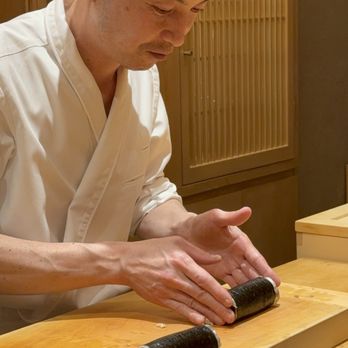


It was a great experience, but before you go, you should understand what the edomae style means. The fish is cured, so it tastes like it's been marinated in a kind of vinegary flavor rather than letting the flavor of the high quality fresh fish shine on its own. I personally wasn't a huge fan of it, as I prefer a bit more of a minimalistic style of preparation, but we still had a great meal. I came with two work colleagues and we really enjoyed the service, and every bottle we ordered was fantastic: the sake, muscadet, and the Chablis. Not sure I would be back, but if you like edomae style, this place is for you! read more


I am a BIG fan of Noz 17 and can confidently say it's one of the best omakases in NYC (and I've tried a LOT of omakase!). Chef Matsu's thoughtful preparation of the fish definitely came through in the taste and quality of every piece in this tasting menu and brought out the best the fish could offer. I would definitely recommend coming here if you have the time! Something that really stood out to me about Noz 17 was how soft all of the fish was (and not in like a weird mushy way, but in a very balanced way where each fish still had some bite and structure but was aged and treated to make it more tender and melt-in-your-mouth). The baby sea bream, scallop, knife jack, pike mackerel, akami, and even the FREAKING EGG CUSTARD(?! like WHAT) were so much softer than any other time I've had them. I was especially impressed by the scallop, which I'm typically not a big fan of, as the scoring and ageing of the scallop led to it having a much more pleasant texture that I did not expect! The rice here also slaps, but more on that later. Other standout pieces include the tempura swordfish, which was so crispy and light with absolutely some of the most tender fish inside that just fell apart in your mouth; as well as the monkfish liver with rice crisp--another dish I don't typically love but that was elevated so much by Chef Matsu's expert preparation as well as the fantastic crunch of the rice crisp, which is actually made with the same red vinegar preparation as the rice they use with their nigiri. Which allows me to segue perfectly into talking about THE RICE! The rice here is prepared perfectly, not too sticky or mushy, retaining its structure and bite without being too dry, and most importantly a very balanced vinegar-to-sweetness ratio that really helped to highlight the fish rather than overwhelming the nigiri. They also repurposed the rice as I mentioned above to make rice crisp, which they added to the monkfish as well as the corn sorbet at the end. They also gave us a bag of rice crisp to take home and use as toppings on other things like yogurt, oatmeal, or really anything you choose--but I ended up just eating all of it by itself because it was SO GOOD. Highly, highly recommend Noz 17. I try to avoid revisiting restaurants in NYC because I just have way too many on my bucket list, but I will definitely be back to try their menu for other seasons, and I will definitely prioritize trying other Noz restaurants! read more
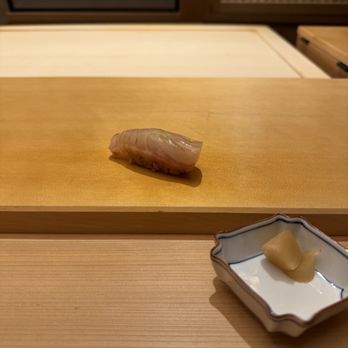
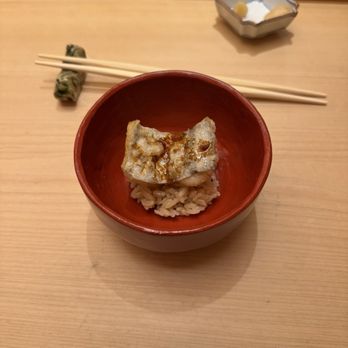
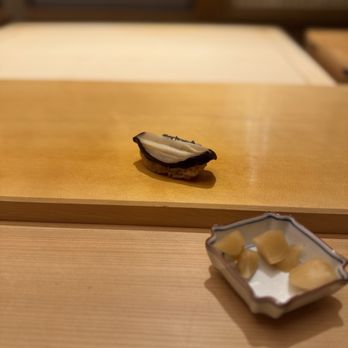
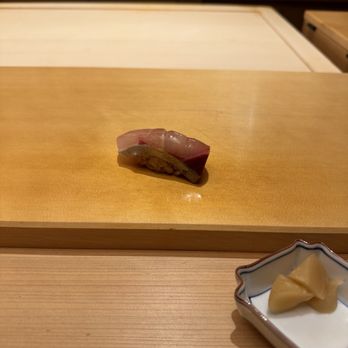


4 months ago
One of the best sushiya in NYC. At $200 pp this is one of, if not the least expensive Michelin Star sushi experiences. If you go, sit at the main counter when Chef Matsu is in. We found it to be a very well paced omakase and filling. The pieces of nigiri are a generous size and you can request less rice if you're feeling full. The style is edomae meaning a lot of the fish is marinated and the rice is made with a mixture of red vinegar leading to a deep umami flavor. The fish was also aged in a way where each piece was super soft and melted in your mouth. Some of the highlights of our meal; Soft Shell Crab - this was a otsumami dish to open the meal and it was fantastic. Baby Sea Bream - fantastic and fresh. Cuttlefish - favorite nigiri of the meal, ordered an additional piece when the main omakase was over. Scallop - fantastic and fresh. Shrimp With Sea Urchin On The Bottom - never had a piece of nigiri prepared this way and it was fantastic. Akami Marianted In A Soy Dashi Broth - this was another piece of nigiri done in a style that we've never had. The tuna is marinated for about 20 minute in the broth. Fantastic. Eel Chawmushi -a piece of cooked eel nigiri prepared chawamushi style, awesome Service was impeccable. The counter is small with 7 seats and there is also an adjacent room with a 4 seat counter. Since both counters serve the same menu at the same price it's best to sit at the main with Chef Matsu. read more


2 years ago
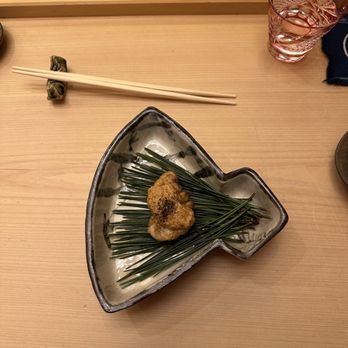
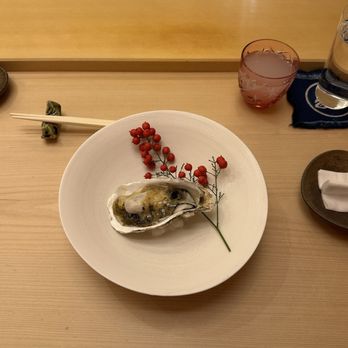
Exceptional service, amazing food, a great night at Noz 17! We received a welcome note when sat at the table which was so sweet. The flow was definitely different from other sushi tastings we've done in the past but I loved that. Every dish beautifully designed and very different from the previous. The cuttlefish was a huge standout for me, as well as the uni and clam. I also loved the wood counter and how the dishes were served directly on it. We received a nice edible parting gift along with a thank you note. Would have been nice to receive a menu card afterwards as there were so many dishes, we started to lost track of what we had. 10/10 experience nonetheless. read more
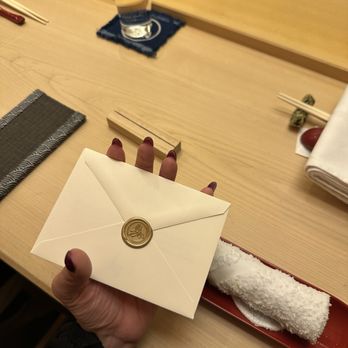
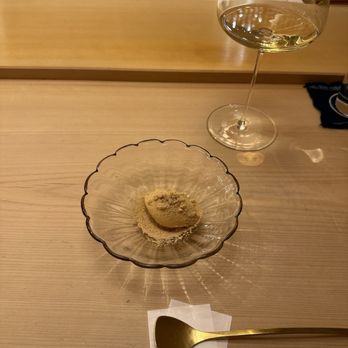



2 years ago
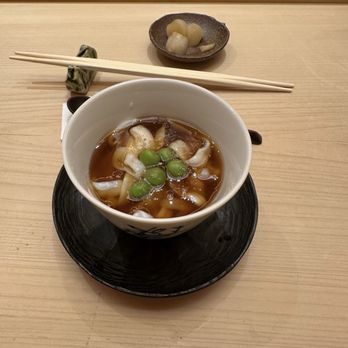
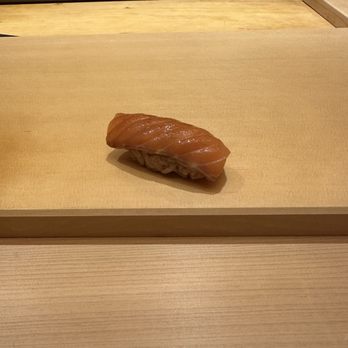
What a beautiful experience at Noz 17. Staff welcome you with warm greetings and promptly get you seated at the omakase counter. Service is consistently paced and chef made some great conversion. Shohei went above and beyond, out of his way to make a great sake recommendation as well as provide superior service throughout the experience. Most of the courses were outstanding, but a couple of them did seem to a get little boring throughout the experience. Overall, a top notch Michelin omakase experience in the city. You need to come here! read more




6 months ago
Amazing. So many pieces I never had the chance to try in the U.S. unless I fly out to Japan. The vibes are also fantastic as it's only 6 seats. Chef was also amazing. I guess the only feedback I might have is to consider increasing it to 16 or 17 pieces as some might leave with a bit more room left. read more


3 years ago
100% worth it. Food 10/10 I am a fan of everything Noz. We All Gotta Eat Group does it again with this superb omakase experience. It's a little more experimental, and more varied in piece selection, but a stellar meal nonetheless. Excellent quality of fish of course, but had a greater number of unique dishes and ingredients. Felt like there were fewer nigiri compared to Sushi Noz. I love the way Chef Matsuzaki plays with different textures and combinations of ingredients. I am actually obsessed with the rice. It was warmer than other omakases I've been to, and the rice itself was seasoned with the perfect amount of vinegar, slightly sweet, and a perfect complement to the fish. The rice size itself was also not too big, so I was able to eat all 23 pieces. Again, 23 pieces is insane and such a great way to explore the diverse ingredients. I could eat omakase every day for the rest of my life. Omakase list: Japanese winter potato Chutoro: aged one week Yellowtail Stewed octopus Baby sea bream Steamed egg and male snow crab Baby bluefin tuna Monkfish liver, shirako, caviar: a massive piece I attempted to stuff all in my mouth, and it melted immediately Needlefish: surprisingly might be my favorite, loved the ginger flavor Hokkaido uni: classic favorite. SO SWEET Cuttlefish Bottarga: tastes like parmesan, done better than the Italians imo Scallop on scallop Whitefish Gizzard fish with shrimp flakes Clam: Black codfish: seared and topped with homemade sauce Lean bluefin tuna Otoro: love Homemade female snow crab with uni risotto: creamy af Miso soup: made with the bones of the fish, SO SO rich Tamago: best I've ever hard, it's so custardy and literally when I tried to pick it up I embarrassed myself by breaking it in two. I did not want to be perceived at that moment. Chestnut paste dessert Umami go crazy. Atmosphere 9/10 The interior felt more lowkey compared to Sushi Noz, potentially acclimating to the more lwokey vibes of Chelsea. I was wearing a sweater and felt a bit too hot, but other than that, everything was perfect for the meal.1 Service 9/10 Excellent hospitality. Everyone is super friendly and made me feel very comfortable. It was nice that they would say my name before asking me anything, so it felt more personal. I would say the level of service is a little less polished than Sushi Noz, but that is such a high standard anyway. Felt slightly awkward at some times, but overall very homey and very accommodating. read more





4 months ago

1 year ago


3 years ago
TLDR: Expect an intimate counter, lots of courses with a unique menu format. Chef Matsuzaki gave me one of the more memorable omakase meals I've had and while it's more of a special occasion place - Noz17 is worth the money if you ask me. For me personally, I actually prefer Noz17 over Sushi Noz. I am very late in writing this review but I still think I owe them one. Noz17 is not cheap but if you're going to celebrate - do it right. The menu format was not quite as straightforward here, typically it's lots of appetizers, some nigiri, a hand roll or futomaki, soup, dessert. It's a small countertop and I love how the pieces are served directly on top of the wood. No individual plates, it's like one big communal table but in a good way. The pace is a bit different, there are some nigiri, then some smaller cooked bites, all mixed up in between. It had the high caliber feel you'd expect from a Noz restaurant but not quite as uptight. We came for Valentine's Day last year but some courses are still fresh in my mind. An uni opener, delicious nutty Hokkaido sea urchin roe. Followed by a FANTASTIC kohada. Then progressing on to a fatty cut of toro sashimi, then shirako, then trout and then seared bonito. The serving order was different but it felt very much like what omakase is at the essence. Leave it to the chef. I haven't been back since but this meal is still one that we talk about to this day. I guess the only problem is - we haven't been back since but gotta change that soon. If you're wondering whether or not it's worth the plunge, my short answer is: yes, it is. read more


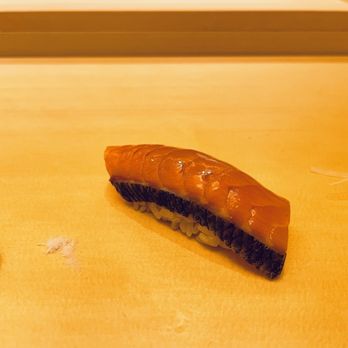


Noz 17 is a Chelsea-based sushi restaurant serving an incredible 25-30-course edomae omakase. We'll highlight some of the courses that stood out to us, but this was truly one of the best dining experiences we've had in NYC and highly recommend this for a special occasion meal. Some of our favorite courses were the king bream cooked in dashi, smoked Japanese mackerel topped with soy bean paste, catfish tempura topped with caviar, a plate with uni, Japanese mullet fish, bottarga, and fermented sea urchin, sardine, bluefin tuna, and uni risotto. For those interested in seeing the rest of the dinner lineup, see the below. The staff and chef were wonderfully attentive and it was a pleasure getting to have a chance to have a seat at the counter 1. Lotus root dumpling 2. Kohada 3. King grouper sashimi with radish and carrot 4. King bream cooked in dashi 5. Egg custard topped with crab 6. Baby sea bream 7. Smoked Japanese mackerel with shiso broth and topped with bean paste 8. Catfish tempura topped with caviar 9. Cuttlefish 10. Shiitake mushroom 11. Uni, mullet, bottarga, and fermented sea urchin 12. Fried Taro cooked and dashi, topped with soybean paste 13. White tile fish 14. King salmon 15. Sardine 16. Charcoal grilled barracuda, pressed sushi 17. Grilled fish whose name I can't remember with lime 18. Lean bluefin tuna marinated in soy sauce and dashi 19. Medium fatty tuna 20. Uni risotto 21. Fried fish I cant remember but had a thicc umami-bomb sauce 22. Bone broth soup 23. Tamago 24. Pear 25. Tea read more


3 years ago
Junichi Matsuzaki is an absolute legend. Best sushi I've ever had in the US. Exceptional seasonal omakase read more
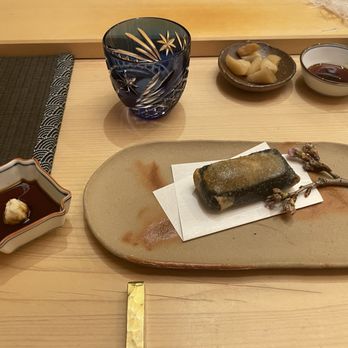


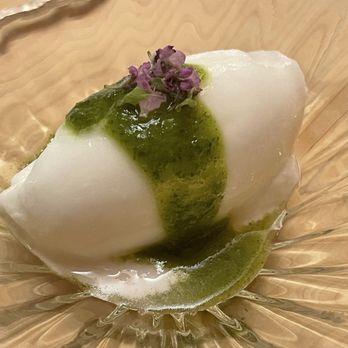

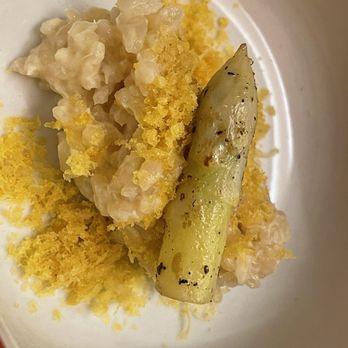
11 months ago

3 years ago
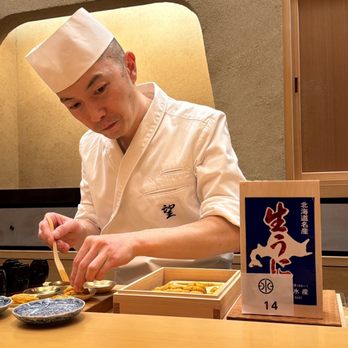
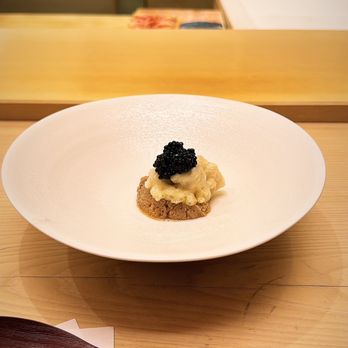
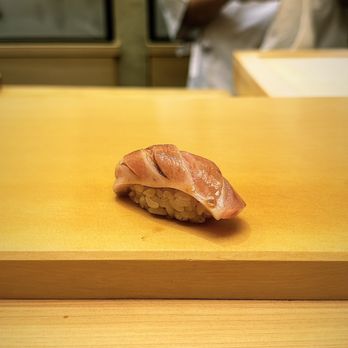
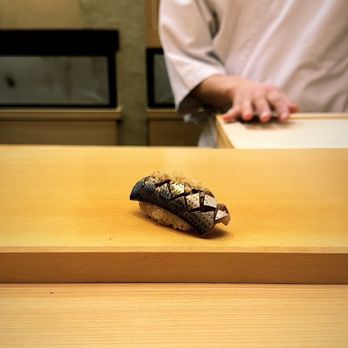
Hands down one of the BEST omakase places in NYC. The creative seasonal changing menu, the fish, the service from chef matsu himself everything is nothing short of perfection. Everything is always so fresh and well prepped. The thick cut nigiri & the apps in between really makes it stand out as a much more fun experience [compared to the traditional apps to nigiri omakase]. Personally been to many different fine dining places and have even lived in japan for a period of time and Noz 17 stands out as one of the top. read more
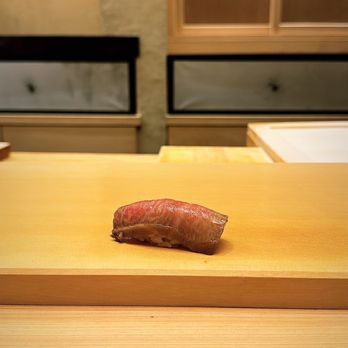




3 years ago
Six seaters at the counter in a small cozy space where you wouldn't expect much. However it turned out to be the most incredible one of a kind omakase experience! Thanks to Chef Matsu San! read more
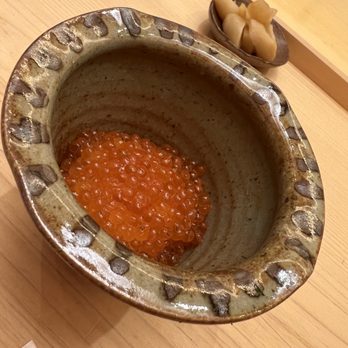

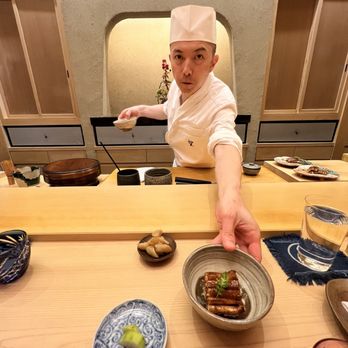


1 year ago

4.25/5 Last night, I had the opportunity to dine with Chef Matsu at Noz 17 in Chelsea. At this new restaurant, Chef Matsu showcases a broad menu filled with a variety of Japanese ingredients and preparations. He often switches between otsumami, sushi, and sashimi throughout the meal, though he does so with intention. While Sushi Noz on the UES outperforms Noz 17 in many categories, eating at Noz 17 is worth your consideration. This is a good restaurant for trying many new things in an intimate, but also less serious, environment. When Noz 17 first opened, I hesitated. The menu was priced the same as Noz's with the #2 chef and the menu style seemed foreign and disjointed. I was told that the menu was chinmi-heavy and that drinking sake was a must. Yet, when Sushi Noz increased prices and eliminated the Ash Room, I asked around to field more informed opinions about the new restaurant. A friend convinced me to make a reservation. He described the restaurant as an incredibly good restaurant for the price - a toned-down version of the Hinoki counter with the same ingredients. He was right. Noz 17's claim to fame is the 25-30 courses that they serve. It's exciting and with no printed menu, the diner is surprised by each successive course. Chef Matsu took us on a food tour as he served us items and dishes like 2-week-aged chutoro from Okinawa, hay smoked, grilled bonito, deep-fried rock oysters from Seattle, iwashimaki, and Yubari melon. While not every course was my favorite, I came to appreciate what Chef Matsu and his team were able to create and serve. Despite what the restaurant offers in its own right, patrons will always compare it to Sushi Noz, its parent. Chef Noz is a master of otsumami and sauces. I'm not sure if Chef Matsu is a master of any one thing, though he has the experience to prepare many dishes quite well. Beyond the chef and menu, the atmosphere and level of service differ between the two. Sushi Noz is a temple that deserves multiple Michelin stars, whereas Noz 17 is simply a restaurant with Japanese elements. There are a few polarizing, negative reviews of the restaurant on Google that seem to blow this contrast out of proportion. It would be best to discount these reviews when deciding if Noz 17 is for you. Though the service is different and the ambiance is less serious and serene. This can be good or bad depending on your preference. My favorite pieces and dishes were: -Marinated deep-fried iwagaki from Seattle -Ama ebi -Iwashimaki -Akamizuke (Chef Matsu's is the best I've had with excellent texture and flavor) -Otoro -Nodoguro uni rice (signature dish) -Miso soup -Yubari melon There were plenty of other dishes that were pleasant too. It's worth noting that the quality of the ingredients at Noz 17 is incredible. The restaurant shares the same ingredients with Sushi Noz and does not compromise on wild, Japanese seafood. Other restaurants are struggling with supply chain issues and are not serving what customers are used to even as they increase the prices of their menus (Noda...). But not Noz 17. Their menu is well and fairly priced. Something that I missed from Chef Matsu was his bold shari and strong flavors. Although the seasoning when I first sat with him last year, I've come to crave it. I also found a couple of items to be below average like the kohada and kasugodai. On a menu of 25-30 courses, there are sure to be a few misses or items not to your taste preference. Noz 17 is a more casual, intimate version of Sushi Noz headed by the friendly, skilled, and informative Chef Matsu. Sushi lovers owe it to themselves to dine with him and enjoy a variety of Japanese specialties. While I don't feel the need to return here soon, my experience here reinvigorated my passion for the Noz brand. read more


4 years ago
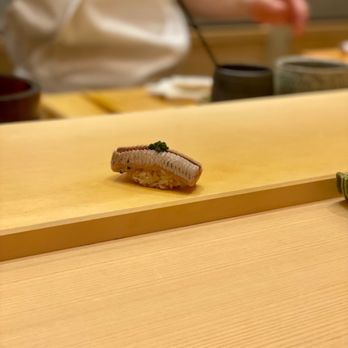
After having a transcendent experience at Sushi Noz back in March of 2022, we hoped to come again to sit with Nozomu Abe. Unfortunately, Abe-san was out of town this January so we opted for Noz 17 instead as it also recently gained a Michelin star. This is definitely a different experience than Sushi Noz; the courses are more varied and the structure is different from Sushi Noz. Sushi Noz first serves a set of otsumami, then consecutive pieces of nigiri. Chef Matsuzaki at Noz 17 has a varied structure and cadence. He is definitely less shy than Abe-san but also is a great craftsman nonetheless. From my recollection, the rice of the shari here is less pearl-like than the shari rice at Sushi Noz but it was still excellent. The disbursement of the grains, the warm shari temperature, and sharp red vinegar were evident in all of the nigiri. We actually went to Ginza Onodera on 5th avenue the following morning; I had to reduce a star in my upcoming review of Ginza Onodera because even though the akazu shari was pearl-like and had excellent disbursement, the temperature was much colder than preferred from the nigiri that were prepared in what I describe as a "brigade" style. This means that the shari for all guests in the party were formed at the same time and by that point, the rice turns quite cold. I am glad that at both Sushi Noz and Noz 17, all nigiri are served and formed one by one. My observations are very much hair splitting, but at these incredibly high priced meals, these slight nuances are under intense scrutiny and magnification. I was pleased that Matsuzaki-san confirmed the use of Yokoi yohei akazu after the meal concluded as this is the most coveted and prized red vinegar used at many Michelin rated omakase establishments around the world. Anyways, on the menu for the evening were the following: shirako tofu, kohada nigiri, buri sashimi, ankimo wrapped in hirame, mizutako sashimi, chawanmushi with Hokkaido crab, kasugodai nigiri, sawara sashimi, female seiko kani, aori ika with shaved bottarga, a medley of bafun uni, kazunoko, karasumi, ebimo, kaburamushi, masunosuke nigiri, iwashi nigiri, kamasu oshizushi, abura bozu, akami nigiri, Hokkaido otoro nigiri, fried anago, tamago, fish broth, dried persimmon, and hojicha. What I found funny was that the initial course featured shirako in a tofu form; it is quite clear that the non-Asian diners with us (which was 5 versus our 2) probably didn't understand what it was as the chef quickly glossed over the description of the course as featuring milt. I'm sure it wouldn't sound as appetizing if it was explicitly described as "seminal fluid from cod fish" to each diner. The clear favorite from the set of nigiri was the iwashi (sardine). The cutting technique of the neta was very similar to what we had at Yoshino back from the prior March. Nonetheless, this piece of hikarimono was divine. The fattiness and bright flavor of the sardine paired so well with the akazu from the shari. The other nigiri featured in the meal included kohada, kasugodai, aori ika, masunosuke, bluefin akami, and Hokkaido bluefin aged otoro. You could tell that the kohada was pickled properly and given enough time in the vinegar; your lips should pucker as the gizzard shad enters your mouth. The aori ika (bigfin reef squid) featured a healthy shaving of aged bottarga, which gave it a type of fermented cheese flavor. The squid was also very intricately scored with a very fine crosshatch which showed the dedication of the chef to enhance the mouthfeel of the squid as it can be more chewy than the loin of a raw fish. Lastly of the sushi, one pressed sushi item was featured, which was with the fatty and oily torched barracuda (kamasu aburi). Chef Matsuzaki stressed the specialness of the female seiko kani (presented with the male's shell), that it isn't readily available and highly seasonal. The texture of the various innards and flesh of the snow crab were quite interesting; of course the sweetness and deep umami of the crab flavor were greatly appreciated. The tender flakiness of the abura bozu (butterfish) was brushed with I believe a miso; the savory umami from the roasting and the caramelization of the glaze served to entice the palate well after consumption of the courses beforehand. Two items that I haven't had before (or remember in particular) included the ebimo (Japanese taro) and kaburamushi (steamed fish with turnip). Both were expertly prepared and provided a new gastronomic experience for myself. The fish broth made from the bones and scraps of the fish used during service was emitted an incredible umami flavor that I have rarely encountered in any type of Asian soup. It takes considerable thoughtfulness to make this broth not an afterthought at the conclusion of the meal. The dried persimmon and hojicha were straight forward items which rounded out our evening. If you want a different change of pace from Sushi Noz or a straight nigiri omakase, I highly suggest Noz 17. read more


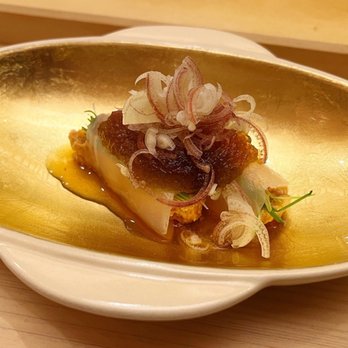


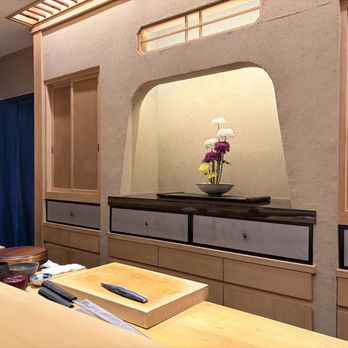
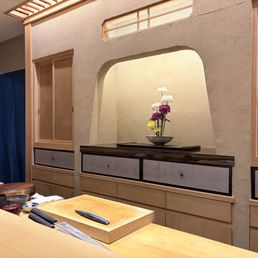
Had dinner at Noz 17 and closed out the year with the best meal we had in 2022. Expensive, yet worth every penny for this culinary adventure. Quality: Noz 17 belongs in the discussion, along with its origin Sushi Noz, as the best omakase you can find in NYC. We enjoyed an incredible journey over two and a half hours with Chef Matsuzaki at the lead. Each course was beautiful and tasty, with special bites and information into the mind of the chef. Expect the meal to veer back and forth from nigiri and sashimi to slightly more prepared items. A truly spectacular meal. Quantity: Our meal was 23-courses over nearly two and a half hours. Value: $400 for the Chef's Counter Tasting. Ambiance: Noz 17 is located in Chelsea, in a small unassuming space. When you enter they lead you to the dining room, which is simple and cozy. Our meal had seven guests, with chairs lined up at the bar and the Chef at the center. A single beautiful plant stood at the center of the room, which is otherwise all wood. Each place-setting is perfectly arranged and no music plays in the background. Everything is about the food placed in front of you. Crowd: A maximum of seven seats, so each tasting is intimate and personal. Reservations are required, but not impossible to secure. Service: Incredible. Every element is curated with a lovely sommelier and the tremendous Chef Matsuzaki at the helm. Parking: Difficult street parking in this area. read more


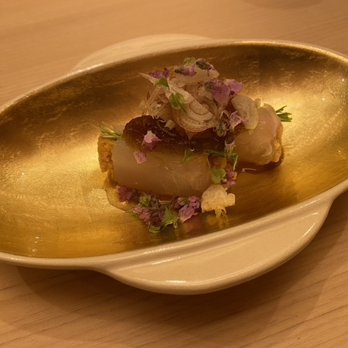



3 years ago
paid for matsu, got mike, who kept going on and on about how he worked at katsuya and morimoto, as if i'd ever set foot in any of those places. unreal got an email from one of their managers with an excuse. no apology. they asked me to take the review down. i guess mike and matsu-san are interchangeable. any other sushi restaurant (yoshino, nakaji, shion) would close if the chef wasn't available. at least at noz uptown they disclose when noz will not be there. that was not the case here. i don't plan on visiting any of their establishments ever again. read more


4 years ago

4 years ago

3 years ago
3 years ago

4 years ago
4 years ago