
Order Najeeb Kabob House Takeout or Delivery
Najeeb Kabob House Photos


Business Info
Najeeb Kabob House Popular Dishes


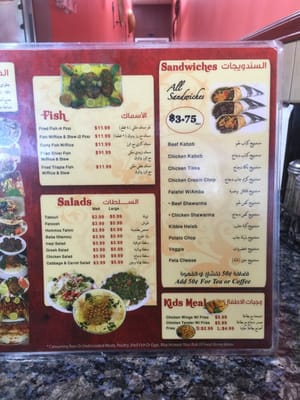

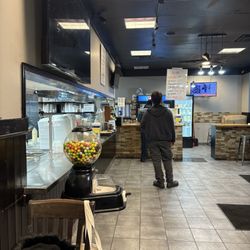
NAJEEB KABOB HOUSE ATMOSPHERE


You might also consider


More like Najeeb Kabob House
Recommended Reviews - Najeeb Kabob House
Start your review...

Reviews With Photos


We've been ordering big plates from najeeb for a long time. Because we always thought they have good food and they give a good amount of food. But now the price has increased but the amount of food they give has lessened. We still order food from them from time to time even though we moved away from the area. Yesterday i Ordered a 3 person plate. I was disappointed. The shawarma (especially the chicken) was overcooked and dry. The kabobs were burnt. And the chicken tikka was missing. The pickled vegetables that came with it was a measly amount. Also I was looking forward to the potato stew but it contained cucumbers instead. I guess i have to look for another place to order a big plate from :(


I came from Ohio just to have authentic Iraqi breakfast. The owner Najeeb was a very nice man he welcomed us wormy the lady who was serving us was nice and friendly and the food was testy too but I gave them 3 stars because of the chef they have Janet she was very rude , I ordered bajilaa it's beans with bread and onion usually Iraqies eat eggs with it she covered my plate with eggs I told her I don't eat eggs and asked her to make another plate without eggs and I will pay for that one with the eggs as well but she kept yelling why you didn't tell me that from the beginning and why you don't eat eggs are you allergic or what she was rude and in a very bad attitude... the food was testy but I hope the chef changes her bad attitude with her costumers

21 days ago
2 months ago

1 year ago
2 years ago
2 years ago

2 years ago
1 year ago
2 years ago

5 years ago
We've been ordering big plates from najeeb for a long time. Because we always thought they have good food and they give a good amount of food. But now the price has increased but the amount of food they give has lessened. We still order food from them from time to time even though we moved away from the area. Yesterday i Ordered a 3 person plate. I was disappointed. The shawarma (especially the chicken) was overcooked and dry. The kabobs were burnt. And the chicken tikka was missing. The pickled vegetables that came with it was a measly amount. Also I was looking forward to the potato stew but it contained cucumbers instead. I guess i have to look for another place to order a big plate from :( read more


3 years ago
4 years ago
Sooo good and delicious. I really like it I think the prices is fair especially for this days read more


5 years ago

3 years ago
3 years ago
Very good food , real halal food , good service , lamb shank it's good plate ! Delicious and good Arabic music read more
2 years ago

5 years ago

6 years ago

6 years ago
I came from Ohio just to have authentic Iraqi breakfast. The owner Najeeb was a very nice man he welcomed us wormy the lady who was serving us was nice and friendly and the food was testy too but I gave them 3 stars because of the chef they have Janet she was very rude , I ordered bajilaa it's beans with bread and onion usually Iraqies eat eggs with it she covered my plate with eggs I told her I don't eat eggs and asked her to make another plate without eggs and I will pay for that one with the eggs as well but she kept yelling why you didn't tell me that from the beginning and why you don't eat eggs are you allergic or what she was rude and in a very bad attitude... the food was testy but I hope the chef changes her bad attitude with her costumers read more


3 years ago

Yes it is one of those hole in the wall type of place, however the food was pretty amazing I have been on a quest to find the best kefte kebab in America and this place surely fits that category. The shawarma was ok, my brother ordered what's called pacha which is a lamb head soup. Our server "Bushra" was pretty amazing, so friendly, very attentive. I recommend the beef kebab there and the house tea. All and all eating at this place was a pleasant experience. read more


8 years ago
4 years ago
3 years ago
6 years ago
Amazing customer service, food was ready on time, and every bit of the platter for 3 was ahhhmazing! Nothing was dry, the rice was very flavorful; they use sella rice and it's a really fragrant type of rice, so you can tell they pay attention to quality & taste. It comes with condiments like pickled cabbage & regular pickles, 3 pitas, and 2 bowls of potato & bean soup. It sure is a lot of food for 3 people. For only $29.99, this is great deal! read more


6 years ago

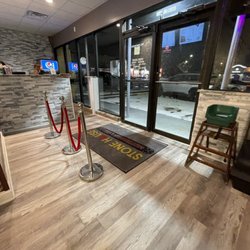
A classic spot in sterling heights Michigan. Do not expect alot from this little place when you walk in, however, once you get your order you'll be on a different planet of flavours! Najeeb is a casual little dining restaurant with maybe 40 seats tops, they're big on takeouts, and breakfast is definitely a hit. read more


8 years ago
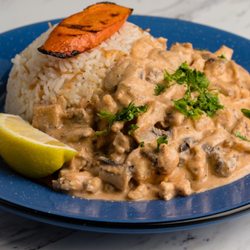
The food here is excellent. High quality meat and it's all home cooking. Pictures is the Family Tray for 4 persons. Only $29.99. It's feeds a family of 5 easily. Can't beat the taste and the price. read more


6 years ago

6 years ago

11 years ago
Ordered to pick up. The food wasn't bad. The portion was amazing. And the price is pretty reasonable. Wish there were more flavor. And definitely sauce. They charge for sauce. Who does that?!? It's a big platter shouldn't some sauce come as complimentary. I'm used to that since I'm from NyC. Also it doesn't even come close the the similar food I've had in Nyc. The koftas tasted really good. I've come in to eat as well. And to pick up. The waiting staff is horrible. Waiting time for food is pretty bad too. I literally waited over 30 mins just for a "to go" shawarma. While eating. In the waitress barely understood anything I've said. And she was rushing. I had to ask for sauce about 5 times. Until I got up and went to the counter and asked; but the person in the counter did not give it she asked the waitress to. But I guess this type of behavior is because it's a small and pretty affordable restaurant they get a lot of customers anyway. Overall the food is exceptional. I've had much better. If you have no where to go and not a lot of money in your pocket. This place will do. If your looking for mouth watering omg taste- this place won't do. read more


12 years ago
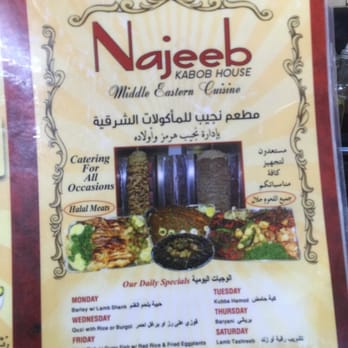
Anthony Bordaine type of spot. Famous for Paja ( rice stuffed cow intestines and meat broth) which is a tradition dish. Again Bordaine style so not ur everyday dish. They also have a uniquely home cooking touch to ur more known dishes. Chicken and lamb shawarma (ask for Iraqi Samon instead of pita which is similar to a french pastry) . Rice stuffed chicken (made over coals for home made flavor), other home dishes that probably was on the table of Jesus and Moses is Kubba Hamuth, Kubba Mosul and quails. If ur not into food travel, stick with the basic sandwich menu which always pleases. read more



7 years ago


6 years ago
5 years ago
7 years ago

7 years ago

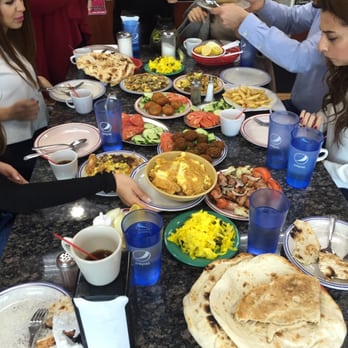
For the first time, a form of culinary genius in Iraqi form has entered into my vocabulary: "Hallawlaw" read the plastic laminated menu in Times New Roman font right underneath other entries like 'kidney' and 'liver.' So what is "Hallawlaw", the inquisitive group and I asked in unison to the sweet but blatantly sarcastic waitress. She replied: "It's Hallowlaw! What of it?" She did not give a very convincing answer and we were left wondering what this curious dish was - so much so that we were all on our smart phones tracking it down. It barely registered and finally something came up: Hallawlaw = Sweetbreads. I had a feeling this was the case, and my instincts were right. "One Hallawlo please" - I barked at the waiter to the discerning of a giggly group of seven all in attendance of this Christmas Eve mid-morning meal. Many dishes were ordered and I would say that of the many restaurants we visited on this recent Detroit excursion, Najeeb Kabob House has to be one of my favorites. Najeeb Kabob House is a hole in the wall in an otherwise dismal plaza flanked by the likes of Subway and Little Caesar's Pizza right next door - so what exactly brought us here you might ask? The answer lies in an Iraqi dish of extraordinary legend: "Tashreeb Bagilla." When I describe this dish to anyone except Iraqi people, they think that it is the most nonsensical concoction that they have ever heard of - even to Arabs of other nationalities. But trust me, this dish works and can make for one absolutely satisfying and delicious vegetarian dish. So here it is: First of all you have a large bowl filled with stale pieces of pita bread that have been slightly toasted. The second layer is a generous portions of large peeled fava beans placed over the bread. Then the steamy broth from the fava beans is poured over top of all this just enough to soak up the bread pieces. A dash of dried mint is applied as well as some fresh onions and pickles, and then a fried sunny-side up egg is placed over the entire bowl along with the oil it is cooked in - the oil is key. I prefer it with onions soaked in pomegranate molasses. Once the egg is applied, you break the yoke so that it seeps throughout the dish while making sure the oil is generously applied. The result is a warm, hardy, filling, delicious dish that will satisfy all the senses - the soaked pieces of bread with a layer of oil and slight crisp, the soft and ever-so-slightly bitter fava beans, the crunchiness of the onions, the refreshing sensation of the crushed mint, all work together in perfect harmony. As I am told - this is a dish established by non-other than the Babylonians themselves in ancient times. And as I am constantly reminded, you have not eaten true Iraqi food unless you've had Tashreeb Bagilla. Incredibly enough, this was not the only excellent dish - some orders of Pastirma with eggs, Makhlama, and of course the Hallawlaw (which basically became the theme throughout this trip) were also ordered. Pastirma is basically a Arabian sausage usually made of minced lamb - it is an Arabicized word for 'Pastrami' - crazy. But also very delicious. Makhlama is usually a fried tomato and ground beef meat dish that can take on many forms but always keeps a consistent taste - dominated with cumin, salt, tomato, and spices and is eaten with small pieces of freshly baked bread. These dishes were great but the stand-out dish was indeed the Hallawlaw - the Sweetbreads. This is a dish that in most upscale restaurants will command a price of over $30 for maybe three tiny pieces. However, we were entertained with a gigantic plate with huge pieces of the sweetbreads which were chargrilled, slightly fatty with a faint mineral-y organ taste, they were perfect sandwiched in between the fluffy khobz bread with some fresh onions, tomatoes, and a little dash of sumac. I would literally fly back to Detroit just to have this dish again. The Iraqi tea that is served after the meal is excellent. It is clear that they spend a lot of time perfecting it in a good steel kettle with multiple chambers over coal embers for the heat - hot, sweet, with delectable hints of cardamom. It is an essential beverage after a heavy meal like this. This was a very inexpensive meal that soundly satisfied seven people. And as a reminder, this is a true hole in the wall kind of place that doesn't pretend to be anything other than a true authentic outlet into Iraqi cuisine. Don't expect any frills or culinary buzzwords and certainly don't expect a Zagat Rating or "People Love us on Yelp" sticker at the door - this is as real as real can get. And the true beauty of it all, is that it really tells the culinary story of Iraq in a perfect environment to enjoy time with friends and family. Also hats off to the staff - an incredibly friendly group of people who have dedicated their entire lives to ensure that this cuisine lives on to many other future generations. 5-Stars - Legendary read more


8 years ago

12 years ago
This place is the real deal. The pacha here is unbelievably good. To Iraqis reading this review, this pacha is exactly as good as the pacha in Baghdad. The bagela and dehen is just as great as the pacha. Tip good please. read more

Page 1 of 3
More info about Najeeb Kabob House
4076 E 14 Mile Rd
Warren, MI 48310
Directions
(586) 274-0500
Call Now
Order Takeout or Delivery
Start Order
Full menu
Hours
Payment methods
Food & Alcohol
Indoor Amenities
Outdoor Amenities
Other Amenities
More Info
Health Score
Ask the Community - Najeeb Kabob House
You might also consider
















Why does Yelp recommend reviews?
8 reviews that are not currently recommended
The reviews below are not factored into the business's overall star rating.
5 years ago

9 years ago
8 years ago
4 years ago

13 years ago
12 years ago
7 years ago
12 years ago


