
Order Lhasa Liang Fen Takeout or Delivery
Lhasa Liang Fen Photos


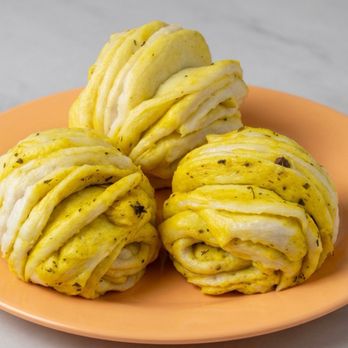

Business Info


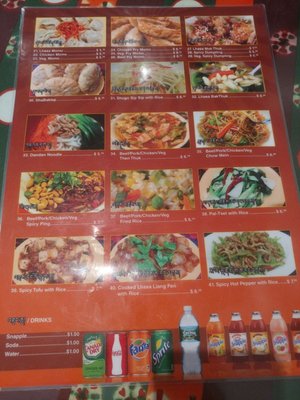

LHASA LIANG FEN ATMOSPHERE

You might also consider


More like Lhasa Liang Fen
Recommended Reviews - Lhasa Liang Fen
Start your review...

Reviews With Photos


Ordered the Lhasa Liang Fen, Veg Momo, and Jhol Momo potato from this cozy, minimally decorated space. Thirty five minutes later the order was ready. There was one seated table of three when we walked in. The Jhol momo was the best dish although the skin on both momos were way too thick and overpowered texture and taste. The veg momos were only half filled. Not sure what starch was used in the Liang fen but it was light. A touch too spicy but good. I also had to ask the cashier for my change so maybe better to use card payments here. Thirty five minutes for basic dumplings and plain noodles at a restaurant, that didn't taste like they just made the dough and baked and seasoned the potatoes, is not a compelling reason to return.


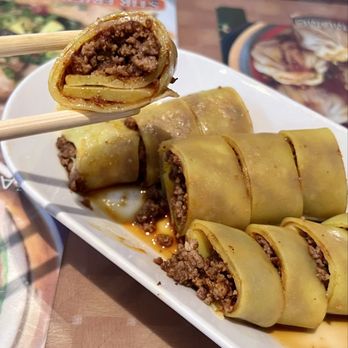
Decided to try out Tibetan food, so discovered Lhasa Liang Fen - from what I saw online reasonably priced making it worth the visit. With small seating, it is tastefully decorated. Being unfamiliar with Tibetan food, the nominal menu descriptions required me to seek translations online. In the end, had issues differentiating between the different Lhasa Liang Fen options, (i.e., the restaurant's namesake,) including Yellow varieties that came in original, Dry, and Special. The picture of the plain and Yellow had one looking like a soup, the other as a roll. The waitress had issues explaining the differences, so they would benefit from complementing each menu item with a small blurb. That being said, I opted for the Special Yellow Lhasa Liang Fen - a noodle wrapped around ground beef with a red chili sauce. (Unsure if that included wai wai., which is some type of crunch noodle if I understood correctly. Again even with repeated tries, it was hard to get clarity from the waitress.) I enjoyed the roll's texture, but - at least for my taste - it was salted a little too much. As a result, decided not to go for anything else for that meal. That being said, there were other items at Lhasa Liang Fen which may be worth a try on a future exploration of Tibetan cuisine.


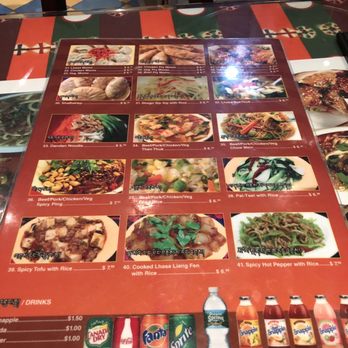
I came in here around a bit before 1. It's a small place, having maybe 20 seats. No customers were inside, so I had my choice of seats. I had taken a look outside at the menu. I was leaning toward the Dan Dan noodles. When I was seated, there are many pictures of menu items on the table top. I was given a menu. I ordered the DAN DAN NOODLES with tofu, something I rarely have. When it was presented, it looked plain. I didn't realize the sauce was on the bottom of the bowl. Once I mixed it all up, the sayxe was very flavorful. Nutty, a bit thick,hot and spicy. When I was finished eating, there was a bit left. I asked for the to go container to take the rest of home and the check. They were both brought at the same time. Once I packed the food, I went to the cashier to pay. I handed my server $15. I asked for no change. The service was ptofessional and courteous.


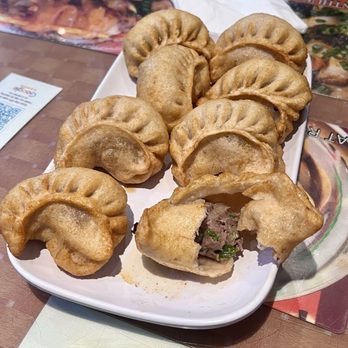
Just 4 doors away from the Elmhurst Hospital hides this small eatery serving Tibetan dishes. The exterior is very unassuming. Without reading reviews and not specifically searching for it, I would absolutely overlook this place. Inside is better, small but clean, sporting 2 rows of small tables each seating 4. The counter is situated midway and has some nice ethnic decors. I asked for a menu with the strategy of ordering something that I have no idea what they are. I picked 3 after having the lady explain what they are. It took 15-20 minutes. Here's what I ordered: #1 Lhasa Liang Fen $5.50. This dish is in the restaurants namesake so in a way it's a must. It's a jelly like vegetarian cold dish and is really brittle. I pretty much have to slurp it in. It looked spicy but not so much. Actually a bit in the bland side. If you never had this, you should try once. #4 Stir Fried Thenthuk $9.99. I picked chicken as choice of protein. Think drunken noodle but the pasta is much much more dense, almost like cheese ravioli. After a few bites, I kind of become addicted to this unique texture. #16 Sha Bakleb $8.99. This is more like a meat pocket, or giant fried dumping. With the accompanying red sauce, they are quite tasty and addictive. Came with 4. Service was just meh. The lady who served me didn't do or say anything to make me feel welcomed.
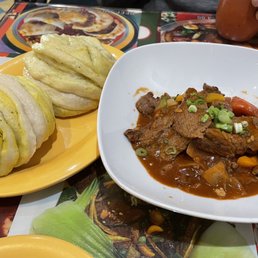

Best yellow laphing in Area! Tried almost every place in Jackson heights now, but i still think they have THE best laphing, my favorite is yellow laphing with soup, but you cant really go wrong with all of them. Order beef chilli, tingmo and chicken chowmien too, This place could get busy, depends of the rush hour. Will definitely come back to try more!


Not too many tables available but I tried their sweet tea, tibetan tea, yellow lhasa liang fen, chicken lollipop, and meat and veggies momo, and my favorite would be the liang fen for their noodle texture.


Small in size, but food packed with full flavor. Although we ate while wearing our coats, it was well worth it, as the food came out piping hot and super yummy. We've had Tibetan/Himalayan food before, but this place made those other places feel like we were lied to. Before eating here, not many of the other places we've tried were very memorable nor were we rushing to go back to eat there. This place however, will probably be the location of many more repeat visits. The hostess/waitress was super welcoming. It's a small operation, but everything comes out quite fast and all of it was perfectly flavorful.


I ordered delivery and the food arrived warm and the fried momos were crispy. However, the beef fried momos were really dry. Not sure if they over-fry to compensate the travel but they didn't taste very good. Small filling to wrapper ratio and the beef too lean, or it could've been that they were over-fried. I really enjoyed the chicken momos in Jhol sauce. Those were really good, but I wish there was more Jhol sauce and I think they would've tasted better if the sauce was packed separately as the bottom of the momos got mushy from sitting in the sauce. Wow, that hot sauce they served on the side almost blew my face off. I used a tiny bit with some soy sauce and it was perfect. And when I say tiny bit, I'm talking a teaspoon. I'm sure that sauce would be fantastic for someone who can handle that level of spice. The Lhasa Liang Fen and the yellow laphing with soup were both delicious! Even though my mouth was on fire from the spice. Next time I will order these with less spice. These two will be my go-to items from now on along with trying different combinations of momos. I also want to try the beef tongue as well.


One of the best spots in the area (and there's a million of them here). That cauliflower in the bottom right corner, I still crave it. Momo are great and spice level is intense so beware! Staff was awesome. Place felt very homey. Would return 100%.


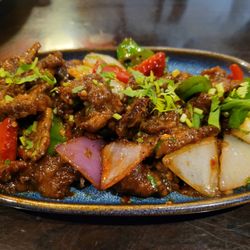
Really wanted to love this based on the stellar yelp reviews, but I thought it was just okay. I ordered a white laphing - the texture was really weird and it was uncomfortably spicy. The flavor was just not good. The yellow laphing on the other hand was so much better and the flavor was good. The beef momos were delicious. The chicken momo was dry and the flavor was lacking. Lastly, we got a chicken stir fry with hand-pulled noodles. Honestly, this was the best-tasting dish we got.


Stellar Tibetan joint. Unpretentious and delicious food! Will be back again! Beef Chow Mein! Excellent wok hue! Momo's were freshly made and delicious Thukpa was well done! All in all! Excellent value proposition!


Updating more... I still think they have the best lhaphing in NYC. This time their pork chilly was BOMB and it went really well with tingmo.


Delicious Tibetan food on the corner of Broadway and Woodside. I've tried their almost everything on the menu and it's all great. My favorites are the liang fen, sukuti (dried beef chili salad), Dan Dan noodle, and fried momo. It's always a treat to stop by. It's a small unassuming space with a great menu. While I say Tibetan food, they have Tibetan/ Nepali/ Chinese food due to the proximity of those countries and the neighborhood, I assume. They do it in the best way possible. Service was quick even though there was only one server when I was there. It is a small restaurant, there are 6 tables that seat 4 people each. Will be back because of the efficient service and delicious food. read more


1 year ago
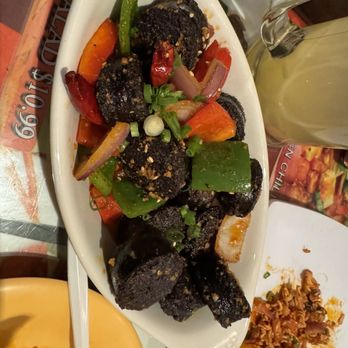
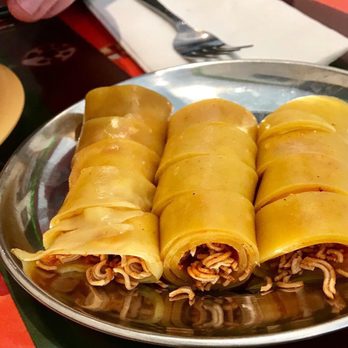
I'll start by prefacing that I'm not super familiar with Tibetan food but I always love trying something new. The interior is pretty small with just one waiter, but most of the food comes out pretty quick. Our momos however came out 20 minutes after all our other dishes came out. Special liang fen w/ Wai Wai: I've never heard of Wai Wai noodles before and thought they'd be cooked noodles, but they're actually uncooked crumbled up instant ramen noodles. They were wrapped up in a noodle-like pancake which had a pretty nice chew to it. It was a little too spicy for my palate though. Tibetan sausage: It looked like a blood sausage, but tasted a little more bland. The texture was a bit more crumbly than a normal Chinese sausage. Stir fried tongue: Our favorite dish of the night! The sliced beef tongue was so flavorful and melted in your mouth. I would come back just to get this dish again. Beef momo: I appreciated how the skin was not overly thick like other momos that I've had. The meat itself wasn't overly flavorful, but the chili sauce that they gave was a really nice addition to the momos. Overall, I would come back here just for the stir fried tongue. The price was also really cheap (most items being around $10) with big portion sizes. We were extremely full and could barely finish all 4 dishes between 2 people. read more

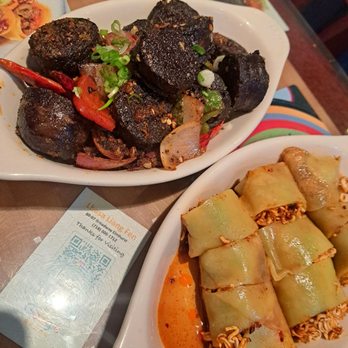


Curious about Tibetan cuisine and dined in after passing this location a couple times. We seated ourselves, and after we placed our order, I was pleasantly at how fast everything came out. Special liang fen with beef: my friend and I agreed this was our favorite! Fun textures. Chewy bites. Bold seasoning. I saw another comment saying these were salty--I could agree--but it was an appetizing kind of salty. Definitely would get again. Gyuma: loved the texture--almost like a gritty pâté. Very subtle flavoring that got Pâté plussed up with some of the accompanying vegetables + table hot chili oil. I do wish it was more seasoned, salty, and/or fatty, but it was still addicting. Fried momo with beef: cozy homemade feel to these. Was kind of lacking a notable element. However, I was impressed how at how long these stayed hot on the table. Lastly, want to express how nice it is to see a menu with such affordable dishes. A rare sighting in NYC nowadays. Very casual, small-community/local space. Families were there, friends were meeting up. Comfortable space. read more




Ordered the Lhasa Liang Fen, Veg Momo, and Jhol Momo potato from this cozy, minimally decorated space. Thirty five minutes later the order was ready. There was one seated table of three when we walked in. The Jhol momo was the best dish although the skin on both momos were way too thick and overpowered texture and taste. The veg momos were only half filled. Not sure what starch was used in the Liang fen but it was light. A touch too spicy but good. I also had to ask the cashier for my change so maybe better to use card payments here. Thirty five minutes for basic dumplings and plain noodles at a restaurant, that didn't taste like they just made the dough and baked and seasoned the potatoes, is not a compelling reason to return. read more


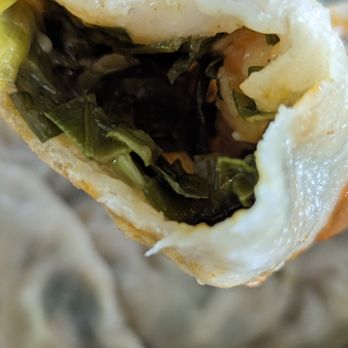


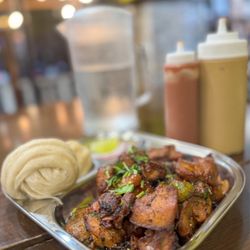
Decided to try out Tibetan food, so discovered Lhasa Liang Fen - from what I saw online reasonably priced making it worth the visit. With small seating, it is tastefully decorated. Being unfamiliar with Tibetan food, the nominal menu descriptions required me to seek translations online. In the end, had issues differentiating between the different Lhasa Liang Fen options, (i.e., the restaurant's namesake,) including Yellow varieties that came in original, Dry, and Special. The picture of the plain and Yellow had one looking like a soup, the other as a roll. The waitress had issues explaining the differences, so they would benefit from complementing each menu item with a small blurb. That being said, I opted for the Special Yellow Lhasa Liang Fen - a noodle wrapped around ground beef with a red chili sauce. (Unsure if that included wai wai., which is some type of crunch noodle if I understood correctly. Again even with repeated tries, it was hard to get clarity from the waitress.) I enjoyed the roll's texture, but - at least for my taste - it was salted a little too much. As a result, decided not to go for anything else for that meal. That being said, there were other items at Lhasa Liang Fen which may be worth a try on a future exploration of Tibetan cuisine. read more


18 days ago


I came in here around a bit before 1. It's a small place, having maybe 20 seats. No customers were inside, so I had my choice of seats. I had taken a look outside at the menu. I was leaning toward the Dan Dan noodles. When I was seated, there are many pictures of menu items on the table top. I was given a menu. I ordered the DAN DAN NOODLES with tofu, something I rarely have. When it was presented, it looked plain. I didn't realize the sauce was on the bottom of the bowl. Once I mixed it all up, the sayxe was very flavorful. Nutty, a bit thick,hot and spicy. When I was finished eating, there was a bit left. I asked for the to go container to take the rest of home and the check. They were both brought at the same time. Once I packed the food, I went to the cashier to pay. I handed my server $15. I asked for no change. The service was ptofessional and courteous. read more


Just 4 doors away from the Elmhurst Hospital hides this small eatery serving Tibetan dishes. The exterior is very unassuming. Without reading reviews and not specifically searching for it, I would absolutely overlook this place. Inside is better, small but clean, sporting 2 rows of small tables each seating 4. The counter is situated midway and has some nice ethnic decors. I asked for a menu with the strategy of ordering something that I have no idea what they are. I picked 3 after having the lady explain what they are. It took 15-20 minutes. Here's what I ordered: #1 Lhasa Liang Fen $5.50. This dish is in the restaurants namesake so in a way it's a must. It's a jelly like vegetarian cold dish and is really brittle. I pretty much have to slurp it in. It looked spicy but not so much. Actually a bit in the bland side. If you never had this, you should try once. #4 Stir Fried Thenthuk $9.99. I picked chicken as choice of protein. Think drunken noodle but the pasta is much much more dense, almost like cheese ravioli. After a few bites, I kind of become addicted to this unique texture. #16 Sha Bakleb $8.99. This is more like a meat pocket, or giant fried dumping. With the accompanying red sauce, they are quite tasty and addictive. Came with 4. Service was just meh. The lady who served me didn't do or say anything to make me feel welcomed. read more


Best yellow laphing in Area! Tried almost every place in Jackson heights now, but i still think they have THE best laphing, my favorite is yellow laphing with soup, but you cant really go wrong with all of them. Order beef chilli, tingmo and chicken chowmien too, This place could get busy, depends of the rush hour. Will definitely come back to try more! read more


2 years ago
Not too many tables available but I tried their sweet tea, tibetan tea, yellow lhasa liang fen, chicken lollipop, and meat and veggies momo, and my favorite would be the liang fen for their noodle texture. read more


Small in size, but food packed with full flavor. Although we ate while wearing our coats, it was well worth it, as the food came out piping hot and super yummy. We've had Tibetan/Himalayan food before, but this place made those other places feel like we were lied to. Before eating here, not many of the other places we've tried were very memorable nor were we rushing to go back to eat there. This place however, will probably be the location of many more repeat visits. The hostess/waitress was super welcoming. It's a small operation, but everything comes out quite fast and all of it was perfectly flavorful. read more




1 year ago

2 years ago
I ordered delivery and the food arrived warm and the fried momos were crispy. However, the beef fried momos were really dry. Not sure if they over-fry to compensate the travel but they didn't taste very good. Small filling to wrapper ratio and the beef too lean, or it could've been that they were over-fried. I really enjoyed the chicken momos in Jhol sauce. Those were really good, but I wish there was more Jhol sauce and I think they would've tasted better if the sauce was packed separately as the bottom of the momos got mushy from sitting in the sauce. Wow, that hot sauce they served on the side almost blew my face off. I used a tiny bit with some soy sauce and it was perfect. And when I say tiny bit, I'm talking a teaspoon. I'm sure that sauce would be fantastic for someone who can handle that level of spice. The Lhasa Liang Fen and the yellow laphing with soup were both delicious! Even though my mouth was on fire from the spice. Next time I will order these with less spice. These two will be my go-to items from now on along with trying different combinations of momos. I also want to try the beef tongue as well. read more


2 years ago
One of the best spots in the area (and there's a million of them here). That cauliflower in the bottom right corner, I still crave it. Momo are great and spice level is intense so beware! Staff was awesome. Place felt very homey. Would return 100%. read more


4 years ago
Really wanted to love this based on the stellar yelp reviews, but I thought it was just okay. I ordered a white laphing - the texture was really weird and it was uncomfortably spicy. The flavor was just not good. The yellow laphing on the other hand was so much better and the flavor was good. The beef momos were delicious. The chicken momo was dry and the flavor was lacking. Lastly, we got a chicken stir fry with hand-pulled noodles. Honestly, this was the best-tasting dish we got. read more


4 years ago
Stellar Tibetan joint. Unpretentious and delicious food! Will be back again! Beef Chow Mein! Excellent wok hue! Momo's were freshly made and delicious Thukpa was well done! All in all! Excellent value proposition! read more


3 years ago

4 years ago
Stopped by on a Saturday afternoon for lunch. Restaurant is small with a few tables but the waitress was quick to help us put together 2 tables for a party of 6. We ordered the lhasa liang fen (aka laphing), yellow liang fen and special liang fen (rolled like a sushi roll with wai wai in the middle). I especially loved the lhasa liang fen (we ordered non-spicy but you can ask them to make it spicy). We also ordered the aloo dum, pork chili, pork thenthuk & lhasa noodle w/ beef. Everything came out fairly quickly and was delicious. I especially enjoyed the pork chili, which was not too fatty and just the right amount of spicy. Definitely recommend if you're in the area and looking for a delicious meal. read more


2 years ago

4 years ago

2 years ago


4 years ago
Lol, as a bald black person, it was pretty uncomfortable eating here. I was pretty much stared at by other customers the entire time. The waitress was kind though. I liked my fried momos with the spicy sauce provided and soy sauce. I'd possibly return 222 try more items. Everyone who was dining in's food looked so yummy. I was very full off the one plate of fried momos. read more


2 years ago

We stopped here recently on a Sunday afternoon with our son, who was guiding us a sampling tour of this wonderfully diverse neighborhood. This was our second stop of the afternoon, as he wanted to add a taste of Tibet to the Thai chicken with ginger rice, cucumber, soup and hot chilies. I can't give you a comprehensive review of what the restaurant serves, as we only had two dishes: Yellow Fen (Liangfen, or laping), which was a thick, soft noodle rolled around spicy, crunchy small noodles and then cut into slices; and Momos, basically a dumpling stuffed with meat. I am not very familiar with this kind of cuisine, so I cannot compare it to anything else, but I can tell you that I enjoyed both, especially the fen, which is unlike anything I have ever tried before. Both my wife and son, who is very familiar with many kinds of cuisine, and who has travelled frequently to China, and has been in Tibet and India, liked their dishes. I would go back here again to sample the rest of their offerings. On a practical note, we came here around one in the afternoon and found street parking after two trips around the block. Also, there were very few people in the restaurant when we were there - I suspect this is not often the case. read more

3 years ago

6 years ago

4 years ago

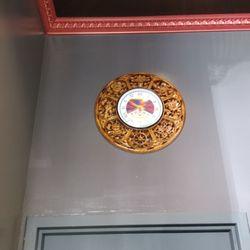
I have this natural gravitation towards momos. I have always liked the idea of a juicy meat filled dumpling (i.e. Buhkarian Samcys, Shanghai style soup dumplings), and as such I really enjoy my first encounters with momos. (the Potala momo truck in Jackson Heights) - it was a cold January evening about 10 years ago, served on a Styrofoam plate with chile sauce, some type of yogurt sauce, and a strofoam cup filled with steaming broth. It was meaty (roughly chopped), juicy, and totally what was needed. Add a cup of butter tea and it was winter perfection. As the number of Tibetan/Nepali immigrants steadily rose and more joints open up, there are more encounters with Tibetan cuisine.. A steaming bowl of chicken thentuk at Namaste Tashi Dalek, a nice thali at Mustang Thakali, a curry rice over at Friends place. The number of joints in Elmhurst serving Tibetan goes from zero to one, then back to zero again (the place that took over the old Lao Beifang noodle house on Whitney lasted about as long as the Thai dessert place that came after it). Well, it is surprising that not only one place popped up in the past few months, but two. One is a 3 table hole-in-the-ground with a simple menu, and the other is a full sitdown experience, and they are right next to each other. This review is for the former. The use of the term "liangfen" is informative about the owner of the place - liangfen is 凉粉, a savory mungbean jelly product from Western China (those from Southern China or Hong Kong will note that 凉粉 in their context is grass jelly, an herbal dessert served sweetened). It's not the same as the Northern liangpi, or 凉皮, which is savory and made with rice flour. In Tibet the product is known as Laphing. So, why the use of Mandarin Chinese to denote a Tibetan product? Well, several theories - A) Elmhurst is a Chinatown, and referring to it using a Chinese name attracts Chinese customers (but then, the name isn't written in Chinese). B) The owner is a sinicized Tibetan from Lhasa (totally possible) Considering that a sizable chunk of the Tibetan restaurants in New York trace their roots to the exiled diaspora with roots to India, they naturally associate with deferences to Indian/Nepali cuisine (and if you look hard enough, Tibetan independence flags and the Dalai Llama's portrait is found somewhere). Here, the flavors and menus swing towards Beijing, and I suspect the TV is tuned to CCTV Lhasa. Okay, politics aside, how was the experience? The dining area is perennially crowded (what do you expect out of a tight dining area) and the service is curt but courteous. Flavors? Pretty good. The momos were a bit on the mushy side but still servicible. The included hot sauce is less diverse than their JaHe cousins (they typically have 2 types of hot + a pepper infused soy sauce). The thenthuks were okay but not as good as the one at Mustang Thakali or Tashi Dalek. The magic therefore lays in the namesake Laphing. Okay. So what is Laphing like? Cool soft savory jelly with a spicy soy vinegar dressing with hot oil, chopped scallions, flakes of pepper and garlic, and sometimes a bit of peanuts and crispy gluten. In this instance, salty, spicy, vinegary, savory and rather satisfying. In its normal form the sauce could be a bit watery, though. If you want to have something a little more concentrated, go for the yellow dried fen version, which is your normal yellow laphing except wrapped tightly with cooked wheat gluten and then dressed with garlic and that sauce. In terms of a street snack it's top-of-the-line. Now imagine the same family of flavors, except applied on noodles with chopped meat and yellow noodles, and that's your Dan-Dan noodles. The soup noodles are okay, but nothing extraordinary. That being said, their new location further down has an expanded menu featuring thenthuk, which is a knife-carved noodle with a comforting soup, ideal for winter sipping. Overall, a welcome addition to the neighborhood. Certainly hope that they stick around. read more


3 years ago

4 years ago


4 years ago

5 years ago

8 years ago
Nice, friendly spot. Tried the monos and Liang fen, which turned out quite tasty and authentic. Liang fen, particularly, was spicy and well flavored. read more



8 years ago
Page 1 of 2
More info about Lhasa Liang Fen
8007 Broadway
Elmhurst, NY 11373
Elmhurst
Directions
(718) 806-1712
Call Now
Order Takeout or Delivery
Start Order
Full menu
Hours
Payment methods
Food & Alcohol
Indoor Amenities
Outdoor Amenities
Other Amenities
From the Business
More Info
Health Score
Ask the Community - Lhasa Liang Fen
You might also consider














Why does Yelp recommend reviews?
11 reviews that are not currently recommended
The reviews below are not factored into the business's overall star rating.
1 month ago
2 years ago

8 years ago
4 years ago

1 year ago
1 month ago
4 years ago
9 years ago

6 years ago

5 years ago

10 years ago


