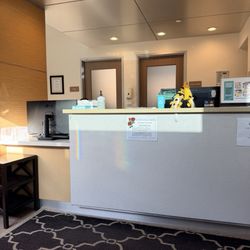
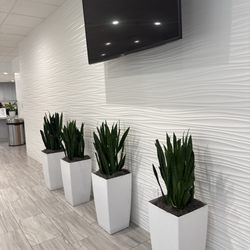
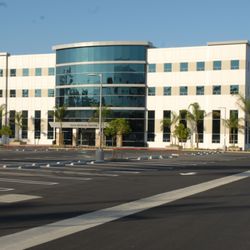
Congress Medical Associates Photos


You might also consider


More like Congress Medical Associates
Recommended Reviews - Congress Medical Associates
Start your review...



3 years ago

2 months ago

6 months ago
8 months ago
4 months ago

1 year ago

10 months ago

11 months ago
11 months ago
1 year ago

3 years ago

3 years ago

4 years ago
2 years ago

2 years ago

3 years ago

2 years ago

5 years ago
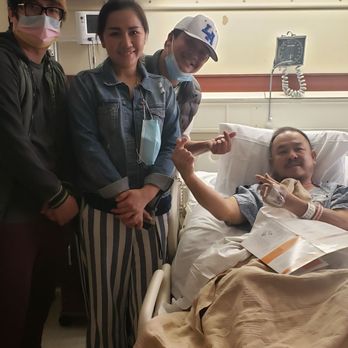
Congress Medical Associates are a Professional Medical Orthopedic Groups that you can trust they have a really excellent professional Doctors as well medical assistant member teams works I just have Experian from my recent successful back surgery with Dr. William M. Costigan just less than two weeks ago I feel my back getting improve every day I'm so happy that I choose Congress Medical Associates Thank you so much Dr. Costigan and medical staff members. God bless read more


5 years ago
2 years ago

2 years ago

3 years ago
2 years ago
2 years ago


3 years ago

6 years ago
6 years ago
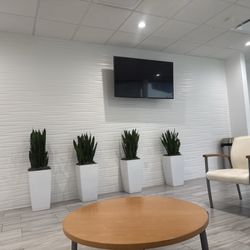
Place is packed!!! They need to work on getting ppl in and I to their appointments quickly! So they're not all coughing on top of each other. One tiny lobby shared by patients for 8 different docs really hard to maintain physical distance from from others. Average wait of the ppl here is about 20 mins, I waited about 45 long mins to be seen. Also ppl on their phones being loud AF on their phones (even though they got their AirPods on!) which makes it extra annoying... Anyway... going back to congress they will allow all their patients to gather around the front desk hovering over each other. Not only HIPPA violation but also COVID violation. Last time I was here over 2 years ago they didn't discus the prices of X-rays with me and what my insurance covers or not. And so I complained to them about it. So this time around I will wait to see if they discuss that with me before I'm ushered into X-ray room. Will update once I'm out Quick update: as I entered the office. MA says dr shankweiler is an elbow and shoulder specialist... whom I'm here to see for my wrist... already a bad start! OMG! Was definitely worth the wait! Most productive and informative and feel good doc visit I've had in a long time! Dr Shankweiler was great! Whole staff redeem itself altogether. Extremely thankful! Still would like to see some improvement in their lobby situation read more

3 years ago

6 years ago

3 years ago

4 years ago
3 years ago
5 years ago
4 years ago

3 years ago

4 years ago
Page 1 of 4
More info about Congress Medical Associates
800 S Raymond Ave
Pasadena, CA 91105
Directions
(626) 795-8051
Call Now
Visit Website
http://www.congressmedical.com
Hours
Payment methods
Other Amenities
From the Business
Ask the Community - Congress Medical Associates
Review Highlights - Congress Medical Associates
You might also consider





















Why does Yelp recommend reviews?
16 reviews that are not currently recommended
The reviews below are not factored into the business's overall star rating.
7 years ago

12 years ago

14 years ago
9 years ago
12 years ago
14 years ago

10 years ago
12 years ago

12 years ago
9 years ago

14 years ago

8 years ago

9 years ago

9 months ago

14 years ago
9 years ago