
Yoshino Photos
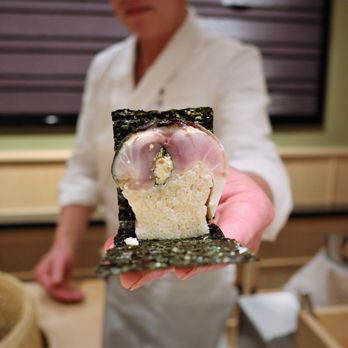
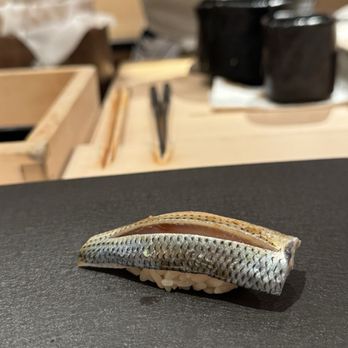


Yoshino Popular Dishes


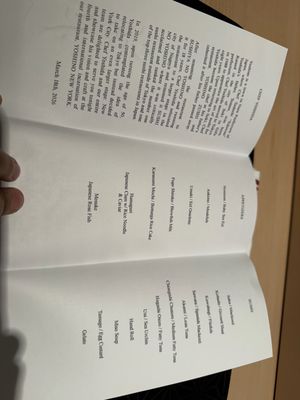

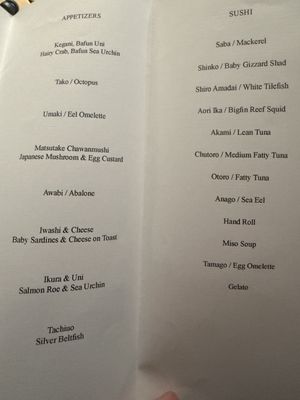


YOSHINO ATMOSPHERE
What's the vibe?

You might also consider


More like Yoshino
Recommended Reviews - Yoshino
Start your review...

Reviews With Photos


It's hard to justify a meal at $650/PP. Eating for an experience to try. 7 appetizers to start - *Mostly were really good: abalone, bottarga udon, uni/caviar/hairy crab, oyster & fish soup, grilled scallop. *However, if expecting them to be perfect - The grilled scallop was HUGE! Very good but almost feel boring that it's just simple grill, we can all do that at home as well I feel, looking for creativity. Ankimo felt too melty, i would like the regular ankimo more. The soup base was KinMedai but there's no KinMe in the meal. Salmon wrapped Tomato I really dislike this dish and how it ends the appetizers. It was with an onion sauce just feels very western and out of nowhere. Nigiri (total 9 pieces including handroll) - 4 pieces out of 9 are tuna (akami, chutoro, otoro, toro handroll). I feel like I'm eating tuna anatomy. 2 pieces out of 9 are uni (aside from uni appetizer). At this price point I'd prefer variations. Rice is a larger grain but I enjoyed it which at least it's something. Aside from the high cost, the charge $12/pp for water, which is wild. With so many good options in the city, is Yoshino really better than others? It's all up to diners choice.


The service was 10/10. The environment was amazing and comfortable. Sadly the sushi wasn't the best. I've had my fair share with probably over 20 Omakases in the city high and low end. Some of the pieces just didn't taste good at all. I would not recommend to go here especially since it was around $600 per person after tip and tax.


Food 10/10 Yoshino has stolen the show and is now my favorite Omakase place of all time. The ingredients used were classic but also creative, everything was top quality and you can taste the freshness and premium perfection of the fish. A holistic journey of different pieces and plates, and there was just the right amount of courses. They clearly took that extra step to prepare everything beautifully and precisely. Chef Yoshida does a spectacular job with the nigiri, and his saddle-shaped rice is unique and incredible. If you do get a reservation, you HAVE to go. A few of my favorite dishes: Aokri ika / big reef squid: the first dish. The crunch of the seaweed was refreshing and paired perfectly with the smooth texture of the squid Monkfish liver: also outstanding, so much better than foie gras. Light and airy, yet somehow creamy at the same time Karasumi Mochi: as someone who is very much obsessed with mochi, this was the perfect addition to the meal. Freshly made mochi, along with bottarga. I made sure to savor every bite, and I ended up eating the slowest among all the diners haha Chiaigishi Chutoro: a gorgeous gradient of hues, a generous amount of tuna, put together through a legendary craft, produced this outstanding piece. Might be the favorite one of the night, and apparently they only serve this piece once every ten days because it's very difficult to obtain Atmosphere 10/10 Light wood interior, a super subtle entrance that guides you into an intimate yet not too tight dining room. There are limited amounts of seating, which is probably why it's so so difficult to get a reservation here. Bright lighting that creates the perfect stage. Subtle and minimalist designs keep this place feeling relatively lowkey. There's a bonus: a spaceship-shaped toilet, beautiful and sleek. Service 10/10 There was absolutely no sense of snobbishness or elitism that can commonly be felt at fine-dining restaurants. With Omakase experiences, there is a history and a tradition to it, and I really appreciated the interactive elements throughout the entire meal. All of the servers were friendly and homely, I felt really comfortable and enjoyed every part of the dinner.

I got to celebrated my boyfriend's birthday with Yoshino. Upon stepping foot into the restaurant, I was met with a cozy environment and amiable staff. I personally had a lovely experience. The desert was my favorite part, which had left a good impression on me. They let us leave with a few small gifts and overall I had a good experience. I'm leaving four stars because the flavors were just not my speed, a little peculiar, but that's just my personal experience.


Chef Yoshida and his second chef are so friendly and welcoming. The food is extraordinary. Chef takes pride in his food and it's well deserved. Jazz music track is fun. The room is stunning. The 300 year old counter, the ceiling, art installation and the DOORS!!! The dishes, cutlery and glassware are gorgeous. Make a reservation. Yoshino is absolutely worth every penny. Thank you to the entire staff for a great evening.


My husband and I dined at Yoshino twice, and I can't wait to go back again!! Every piece was exceptional and very explanatory for each course and easy to talk to! Service was exceptional as well. In my opinion, Yoshino is hands down the BEST sushi omakase in NYC


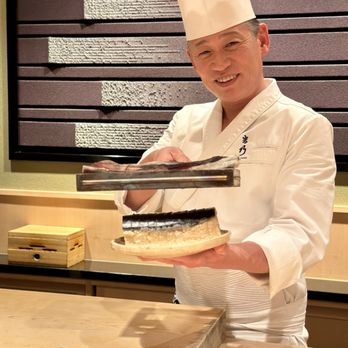
4.5/5 Yoshino is objectively a top 2 sushiya in NYC but it is not my favorite. With Yoshida-san at the helm, Yoshino is arguably the only sushi restaurant in New York run by a sushi master rather than an apprentice or budding chef. The high price, critical acclaim, and difficulty in securing a reservation create extremely elevated expectations that Yoshino meets, but doesn't exceed. For me, Yoshino, though excellent, is a destination and not a place that will become my regular spot. Yoshino opened in 2021 when Yoshida-san decided to embark on a new adventure and follow his dreams to bring his restaurant to New York. He prides himself on sharing traditional Japanese culture with the international community and features a menu laden with the highest quality seafood that he can source from Japan. Yoshida-san has a reputation among high-end sushi chefs in New York for serving the best tuna, often featuring Oma and Aomori hon-maguro during the meal. On my first visit in February 2022, I loved the chef's ankimo preparation along with the sawara, chiaigishi, and otoro nigiri, the bafun uni gunkan maki, miso soup, and Sous Chef Gang's Basque cheesecake. This week's highlights included the ankimo and nodoguro egg yolk rice otsumami. The ko-aji and akami nigiri, miso soup, and uni torotaku handroll were also exceptional. For dessert, the white chocolate gelato was a standout. Across the visits, Chef Yoshida's ankimo has been stellar - creamy, luscious, rich, and slightly sweet. And this week's lightly grilled nodoguro exploded with liquid fat and flavor that coats your tongue and mouth. The finish was long, lingering for minutes afterward. Yoshino successfully captures the 'New York Style' dinner theater experience, a concept pioneered by Sushi Noz in 2018. From the hikarimono and tuna display to the sabazushi searing ceremony, Yoshida-san and Sous Chef Gang grab and hold the diners' attention. At times, Yoshino suffers from a lack of harmony. On my first visit, I was underwhelmed by the heavily French-influenced otsumami; one that still bothers me was a plastic bag filled with clams and tasteless shaved truffle. While the otsumami were significantly better on my second visit, the shiro amadai, kaki, kegani appetizer missed the mark even if the culinary techniques and presentation were high-class. Despite the hype, his signature dishes such as the saba pressed roll and karasumi mochi are not more delicious than his other offerings. In fact, the mochi was tasteless and slightly burnt with poor distribution of karasumi inside. For aficionados and completionists, Yoshino is worth a visit. However, even at Yoshino, you will not find perfection. If perfection doesn't exist, then maybe we should look for something else. While Yoshino is undoubtedly a top-tier sushi restaurant in NYC, it falls short of becoming my personal favorite, and I don't foresee frequent return visits.


Exceptional. Truly a master. Very intimate to be able to watch the chef so closely. We were celebrating our engagement and felt very special. They were so warm and inviting.


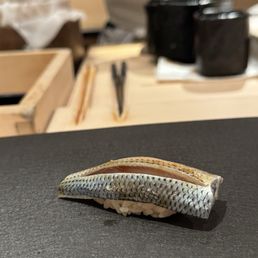
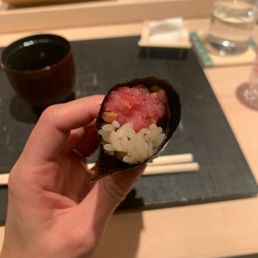
Yoshino is probably the best sushi place that I've ever been without factoring the crazy high price. The ambiance is really cozy, and you feel like you are invited to a friend's house. Chef Yoshida and his second chef really made us feel both entertained and welcoming like an old friend. The servers are really attentive, filling out the water for us, and stored our belongings neatly when I went. The sabazushi is really delicious, a fusion of smoky, crispy, and fishy deliciousness. The otoro and kohada taste a good combination of the actual fish and fermented sushi rice. The karasumi tastes a bit bitter though, but all karasumi tastes this way. The shirako is really soft with a bit of saltiness from the broth. The tamago I had at the end is really sweet, like a dessert, and the ice cream is really soft and tasty. My favorite would be the uni and toro sushi hand roll, which tastes like a good combination of sweet from the uni and salty and crunchy from the toro, as it is the best I've had in my life. This is one of the most expensive meals I've had in my life, and I'd say that the experience along with the food is 10/10. Truly amazing!


$400/ per, in terms of experience and food quality, it's definitely 10/10. The chef yoshida and assistant chef gang are cutest chefs in New York. Their way of presenting their food is memorable, bring up lots of laughters, especially after a long day of work, some gentle laughter is needed. The fishes are great, nothing to complain, but one thing can be improved is the mochi, it's just not my cup of tea, I wished it can be sweetened. Other than that, I love to come back.

I booked Yoshino 3 months in advance for my fiancé's birthday. I had high expectations after hearing that the chef of this restaurant owned a sushi restaurant in Japan that was rated in the top 3 of Japan on Tabelog (Japan's extremely selective version of Yelp.) This place was so Japanese that I felt like I was in Japan. Sushi or fish that I had not eaten since my last trip were on the menu. Everything was fresh and delicious. There were a few dishes on the menu like shirako (cod milt) and the mochi with karasumi in it that I felt were difficult to serve to an American audience. I wondered the chef would eventually have to adjust these menu items to fit an American palate. That being said I had the best version of shirako that I have ever had here. I could appreciate the quality even though it is a dish I typically don't care for. Yoshino-san was also very funny and hospitable. My fiancé was impressed that they noticed he was left handed and set the table so it was easier for him to eat. My fiancé loved his experience and thought it was one of the best dining experiences he had ever had. This experience reminded me very much of my time in Japan. It is a bit too expensive to go back regularly (you could buy an economy ticket to Japan the price of this meal, alcohol, and tip) but I would highly recommend this place for a special occasion dinner.


AN ABSOLUTE DELIGHT. My husband stumbled on Eater's feature on Chef Yoshida and booked an 8:30pm reservation on a Monday night. Chef Yoshida and the entire staff at Yoshino are incredible - the amount of effort, detail, finesse, and pure mastery of skill were fully on display during our 2.5 hour dining experience. What I especially loved about dining here was that even though you may experience waves of serious realization that you are eating food served by a true master chef --- Chef Yoshida and the talented staff at Yoshino (shoutout to Yuki & Chef Gang Lin!) are so personable, down to earth, and love engaging in some great & fun conversation, with everyone helping out to translate between Japanese and English! The ambience is minimalist but you'll appreciate the intention from a design aspect given all the high quality materials and beautiful art on display. The tableware is beautiful - the plates, bowls, cutlery were aesthetically such a treat to experience! Also, I 100% appreciate that counter seating isn't at bar level for shorter people like me, and this doesn't sacrifice your ability to observe what's going on behind the counter. The FOOD was just incredible. 21 courses of pure delight. Honestly everything was amazing, but the key highlights included house-made mochi stuffed with Karasumi, Japanese Tilefish cooked with clams in a broth with flavors as deep as the sea, Spanish Mackerel, Hand Roll, and the Basque Cheesecake! Yes, the price is high, but this omakase experience will last in your memories as a truly unique fine dining experience!!


Amazing experience and even more amazing sushi. It's extremely hard to book but worth it if you get a chance (we booked 2 months in advance and usually they sell out in like the same minute basically). Yoshida does not speak much English but his sous chef gang does and was very friendly and joked around with us a lot too! Yoshida did make some conversations and you can tell the both of them have a good sense of humor and are very passionate about their sushi. Every single piece and dish was so good and I love the unique combinations in the appetizers as well. They change the menu every season I believe so I would want to come back one day with a new menu. I think this is slightly better than noz but both are basically on par. The special chiaigishi chutoro piece was one of the many highlights and was so flavorful and buttery without any fishiness. It was almost like a cross between a really high quality chutoro piece and uni! The counter seats like 10 people and the service is top tier. They hung my jacket, put on my jacket, had a placemat for our phone, never pushed out chairs, never pushed in chairs, they open the bathroom door, the toilet opens when you stand in front etc


Loved this place! One of our favorite sushi spots in the city now. The seaweed he uses is unreal - noticeably a step above the rest so we (and others around us) asked about it and were told it's from some special place in Japan who only sells to certain people. Half the menu was kitchen items and half was sushi, which I liked. Very unique courses and very delicious. Definitely recommend! read more
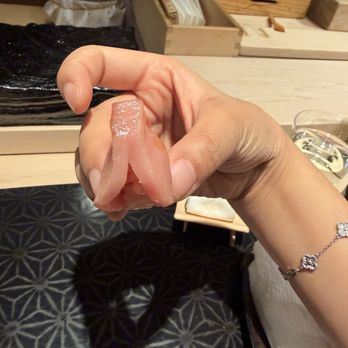


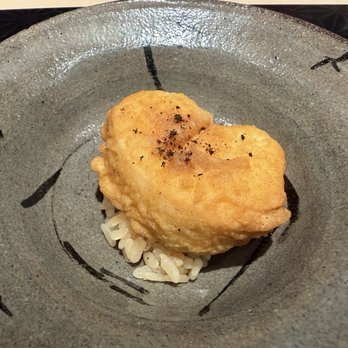


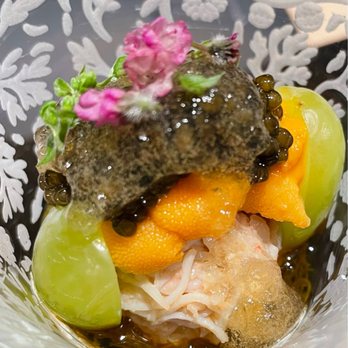
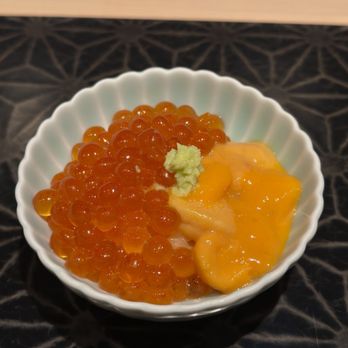
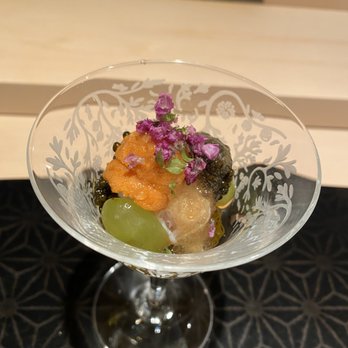
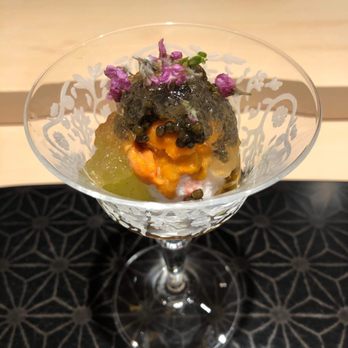
Yoshino offers a premium experience that will check all the boxes for Omakase enthusiasts. After ringing the doorbell I was led in to a well lit space with a traditional Hinoki counter. The staff is very attentive. I indulged in the Sake pairing and was pleased with the variety of offerings down to the premium glassware. A few of the Sake served were said to be exclusive to this restaurant. The meal begins with a delicious progression of composed dishes. The opener, a crystal glass layered with uni, crab, and caviar topped with shiso flowers is shockingly non-traditional but nonetheless hard not to love. I was also a big fan of the Ankimo (monkfish liver) and the fried snapper with black vinegar. The absolute highlight was a pasta dish topped with baby anchovies and shaved bottarga. Seriously did not expect to have one of the best pasta dishes I have ever had at an Omakase counter. The meal does also feature a good variety of traditional offerings including a trio of tuna cuts, Chef Yoshida's signature mackerel, and the staple gizzard shad. The Shari (sushi rice) is soft, sizeable grain, and minimally seasoned. The Neta (topping) were all clearly premium but I did have bits of chewy sinew in a few of the pieces like the grilled scallop and even the tuna. Since I dined at Sushi Noz so recently and I know that people often choose between these and other similar spots I can offer a few points of comparison. You can feel the second star at Sushi Noz - more details are perfect and the service is next level. The rice is seasoned more heavily at Noz. Yoshino has a few more creative dishes. Overall a high end, if imperfect, experience that has something for everyone. read more


2 years ago
What a great experience at Yoshino. So happy I was able to secure a reservation. The meal as a whole was great - so many awesome courses and great flavors throughout. My favorite was the monkfish liver. The chefs and staff were all incredible. Service was impeccable throughout the entire experience. My only negative here about the experience is the price compared to value. While I did leave with a full stomach, which isn't always the case at omakase experiences, I couldn't help but feel like the price I paid for the meal was unjustified. It was $650 just for the omakase experience and tip. I was also interested in doing the wine pairing with my meal, but $400 for just a wine pairing was a little too steep for my meal and I'm happy I decided not to go with it. Paying over $1,100 for just myself for this meal would've had me leaving with regret, so I'm happy I decided to just stick with a few glasses of wine. In my opinion, there are comparable or better omakase spots in the city at better price points. Still a must try if you're on an omakase scavenger hunt throughout the city! read more


It's hard to justify a meal at $650/PP. Eating for an experience to try. 7 appetizers to start - *Mostly were really good: abalone, bottarga udon, uni/caviar/hairy crab, oyster & fish soup, grilled scallop. *However, if expecting them to be perfect - The grilled scallop was HUGE! Very good but almost feel boring that it's just simple grill, we can all do that at home as well I feel, looking for creativity. Ankimo felt too melty, i would like the regular ankimo more. The soup base was KinMedai but there's no KinMe in the meal. Salmon wrapped Tomato I really dislike this dish and how it ends the appetizers. It was with an onion sauce just feels very western and out of nowhere. Nigiri (total 9 pieces including handroll) - 4 pieces out of 9 are tuna (akami, chutoro, otoro, toro handroll). I feel like I'm eating tuna anatomy. 2 pieces out of 9 are uni (aside from uni appetizer). At this price point I'd prefer variations. Rice is a larger grain but I enjoyed it which at least it's something. Aside from the high cost, the charge $12/pp for water, which is wild. With so many good options in the city, is Yoshino really better than others? It's all up to diners choice. read more


1 year ago
The service was 10/10. The environment was amazing and comfortable. Sadly the sushi wasn't the best. I've had my fair share with probably over 20 Omakases in the city high and low end. Some of the pieces just didn't taste good at all. I would not recommend to go here especially since it was around $600 per person after tip and tax. read more


3 years ago
Food 10/10 Yoshino has stolen the show and is now my favorite Omakase place of all time. The ingredients used were classic but also creative, everything was top quality and you can taste the freshness and premium perfection of the fish. A holistic journey of different pieces and plates, and there was just the right amount of courses. They clearly took that extra step to prepare everything beautifully and precisely. Chef Yoshida does a spectacular job with the nigiri, and his saddle-shaped rice is unique and incredible. If you do get a reservation, you HAVE to go. A few of my favorite dishes: Aokri ika / big reef squid: the first dish. The crunch of the seaweed was refreshing and paired perfectly with the smooth texture of the squid Monkfish liver: also outstanding, so much better than foie gras. Light and airy, yet somehow creamy at the same time Karasumi Mochi: as someone who is very much obsessed with mochi, this was the perfect addition to the meal. Freshly made mochi, along with bottarga. I made sure to savor every bite, and I ended up eating the slowest among all the diners haha Chiaigishi Chutoro: a gorgeous gradient of hues, a generous amount of tuna, put together through a legendary craft, produced this outstanding piece. Might be the favorite one of the night, and apparently they only serve this piece once every ten days because it's very difficult to obtain Atmosphere 10/10 Light wood interior, a super subtle entrance that guides you into an intimate yet not too tight dining room. There are limited amounts of seating, which is probably why it's so so difficult to get a reservation here. Bright lighting that creates the perfect stage. Subtle and minimalist designs keep this place feeling relatively lowkey. There's a bonus: a spaceship-shaped toilet, beautiful and sleek. Service 10/10 There was absolutely no sense of snobbishness or elitism that can commonly be felt at fine-dining restaurants. With Omakase experiences, there is a history and a tradition to it, and I really appreciated the interactive elements throughout the entire meal. All of the servers were friendly and homely, I felt really comfortable and enjoyed every part of the dinner. read more


1 year ago
I got to celebrated my boyfriend's birthday with Yoshino. Upon stepping foot into the restaurant, I was met with a cozy environment and amiable staff. I personally had a lovely experience. The desert was my favorite part, which had left a good impression on me. They let us leave with a few small gifts and overall I had a good experience. I'm leaving four stars because the flavors were just not my speed, a little peculiar, but that's just my personal experience. read more
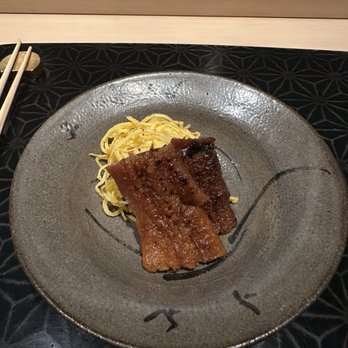

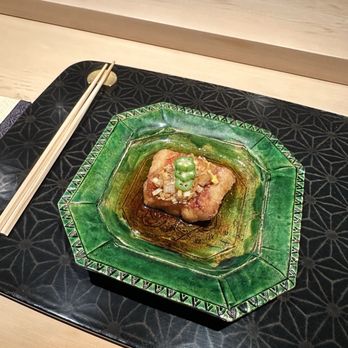

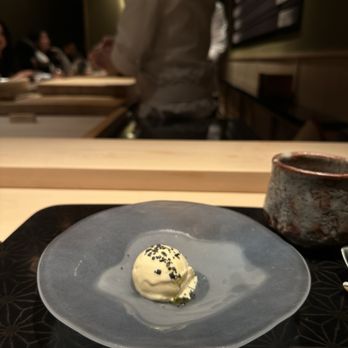

Chef Yoshida and his second chef are so friendly and welcoming. The food is extraordinary. Chef takes pride in his food and it's well deserved. Jazz music track is fun. The room is stunning. The 300 year old counter, the ceiling, art installation and the DOORS!!! The dishes, cutlery and glassware are gorgeous. Make a reservation. Yoshino is absolutely worth every penny. Thank you to the entire staff for a great evening. read more




3 years ago
My husband and I dined at Yoshino twice, and I can't wait to go back again!! Every piece was exceptional and very explanatory for each course and easy to talk to! Service was exceptional as well. In my opinion, Yoshino is hands down the BEST sushi omakase in NYC read more


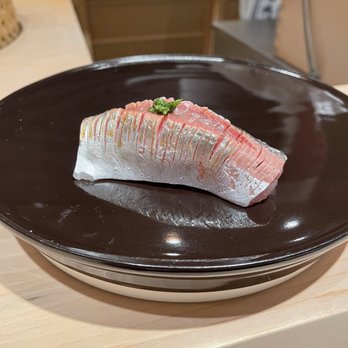
4.5/5 Yoshino is objectively a top 2 sushiya in NYC but it is not my favorite. With Yoshida-san at the helm, Yoshino is arguably the only sushi restaurant in New York run by a sushi master rather than an apprentice or budding chef. The high price, critical acclaim, and difficulty in securing a reservation create extremely elevated expectations that Yoshino meets, but doesn't exceed. For me, Yoshino, though excellent, is a destination and not a place that will become my regular spot. Yoshino opened in 2021 when Yoshida-san decided to embark on a new adventure and follow his dreams to bring his restaurant to New York. He prides himself on sharing traditional Japanese culture with the international community and features a menu laden with the highest quality seafood that he can source from Japan. Yoshida-san has a reputation among high-end sushi chefs in New York for serving the best tuna, often featuring Oma and Aomori hon-maguro during the meal. On my first visit in February 2022, I loved the chef's ankimo preparation along with the sawara, chiaigishi, and otoro nigiri, the bafun uni gunkan maki, miso soup, and Sous Chef Gang's Basque cheesecake. This week's highlights included the ankimo and nodoguro egg yolk rice otsumami. The ko-aji and akami nigiri, miso soup, and uni torotaku handroll were also exceptional. For dessert, the white chocolate gelato was a standout. Across the visits, Chef Yoshida's ankimo has been stellar - creamy, luscious, rich, and slightly sweet. And this week's lightly grilled nodoguro exploded with liquid fat and flavor that coats your tongue and mouth. The finish was long, lingering for minutes afterward. Yoshino successfully captures the 'New York Style' dinner theater experience, a concept pioneered by Sushi Noz in 2018. From the hikarimono and tuna display to the sabazushi searing ceremony, Yoshida-san and Sous Chef Gang grab and hold the diners' attention. At times, Yoshino suffers from a lack of harmony. On my first visit, I was underwhelmed by the heavily French-influenced otsumami; one that still bothers me was a plastic bag filled with clams and tasteless shaved truffle. While the otsumami were significantly better on my second visit, the shiro amadai, kaki, kegani appetizer missed the mark even if the culinary techniques and presentation were high-class. Despite the hype, his signature dishes such as the saba pressed roll and karasumi mochi are not more delicious than his other offerings. In fact, the mochi was tasteless and slightly burnt with poor distribution of karasumi inside. For aficionados and completionists, Yoshino is worth a visit. However, even at Yoshino, you will not find perfection. If perfection doesn't exist, then maybe we should look for something else. While Yoshino is undoubtedly a top-tier sushi restaurant in NYC, it falls short of becoming my personal favorite, and I don't foresee frequent return visits. read more




3 years ago
Exceptional. Truly a master. Very intimate to be able to watch the chef so closely. We were celebrating our engagement and felt very special. They were so warm and inviting. read more


Yoshino is probably the best sushi place that I've ever been without factoring the crazy high price. The ambiance is really cozy, and you feel like you are invited to a friend's house. Chef Yoshida and his second chef really made us feel both entertained and welcoming like an old friend. The servers are really attentive, filling out the water for us, and stored our belongings neatly when I went. The sabazushi is really delicious, a fusion of smoky, crispy, and fishy deliciousness. The otoro and kohada taste a good combination of the actual fish and fermented sushi rice. The karasumi tastes a bit bitter though, but all karasumi tastes this way. The shirako is really soft with a bit of saltiness from the broth. The tamago I had at the end is really sweet, like a dessert, and the ice cream is really soft and tasty. My favorite would be the uni and toro sushi hand roll, which tastes like a good combination of sweet from the uni and salty and crunchy from the toro, as it is the best I've had in my life. This is one of the most expensive meals I've had in my life, and I'd say that the experience along with the food is 10/10. Truly amazing! read more


4 years ago
$400/ per, in terms of experience and food quality, it's definitely 10/10. The chef yoshida and assistant chef gang are cutest chefs in New York. Their way of presenting their food is memorable, bring up lots of laughters, especially after a long day of work, some gentle laughter is needed. The fishes are great, nothing to complain, but one thing can be improved is the mochi, it's just not my cup of tea, I wished it can be sweetened. Other than that, I love to come back. read more




5 years ago
I booked Yoshino 3 months in advance for my fiancé's birthday. I had high expectations after hearing that the chef of this restaurant owned a sushi restaurant in Japan that was rated in the top 3 of Japan on Tabelog (Japan's extremely selective version of Yelp.) This place was so Japanese that I felt like I was in Japan. Sushi or fish that I had not eaten since my last trip were on the menu. Everything was fresh and delicious. There were a few dishes on the menu like shirako (cod milt) and the mochi with karasumi in it that I felt were difficult to serve to an American audience. I wondered the chef would eventually have to adjust these menu items to fit an American palate. That being said I had the best version of shirako that I have ever had here. I could appreciate the quality even though it is a dish I typically don't care for. Yoshino-san was also very funny and hospitable. My fiancé was impressed that they noticed he was left handed and set the table so it was easier for him to eat. My fiancé loved his experience and thought it was one of the best dining experiences he had ever had. This experience reminded me very much of my time in Japan. It is a bit too expensive to go back regularly (you could buy an economy ticket to Japan the price of this meal, alcohol, and tip) but I would highly recommend this place for a special occasion dinner. read more
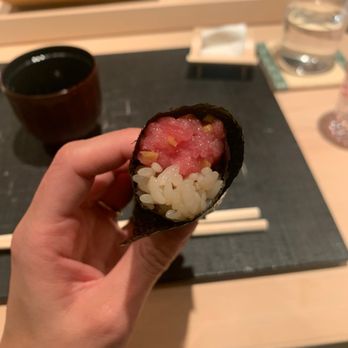


5 years ago
AN ABSOLUTE DELIGHT. My husband stumbled on Eater's feature on Chef Yoshida and booked an 8:30pm reservation on a Monday night. Chef Yoshida and the entire staff at Yoshino are incredible - the amount of effort, detail, finesse, and pure mastery of skill were fully on display during our 2.5 hour dining experience. What I especially loved about dining here was that even though you may experience waves of serious realization that you are eating food served by a true master chef --- Chef Yoshida and the talented staff at Yoshino (shoutout to Yuki & Chef Gang Lin!) are so personable, down to earth, and love engaging in some great & fun conversation, with everyone helping out to translate between Japanese and English! The ambience is minimalist but you'll appreciate the intention from a design aspect given all the high quality materials and beautiful art on display. The tableware is beautiful - the plates, bowls, cutlery were aesthetically such a treat to experience! Also, I 100% appreciate that counter seating isn't at bar level for shorter people like me, and this doesn't sacrifice your ability to observe what's going on behind the counter. The FOOD was just incredible. 21 courses of pure delight. Honestly everything was amazing, but the key highlights included house-made mochi stuffed with Karasumi, Japanese Tilefish cooked with clams in a broth with flavors as deep as the sea, Spanish Mackerel, Hand Roll, and the Basque Cheesecake! Yes, the price is high, but this omakase experience will last in your memories as a truly unique fine dining experience!! read more

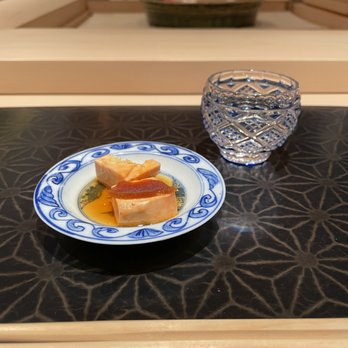
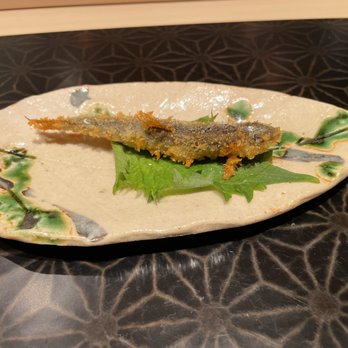


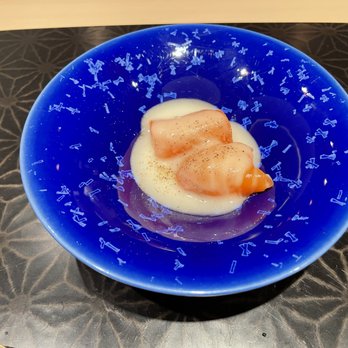


3 years ago
Amazing experience and even more amazing sushi. It's extremely hard to book but worth it if you get a chance (we booked 2 months in advance and usually they sell out in like the same minute basically). Yoshida does not speak much English but his sous chef gang does and was very friendly and joked around with us a lot too! Yoshida did make some conversations and you can tell the both of them have a good sense of humor and are very passionate about their sushi. Every single piece and dish was so good and I love the unique combinations in the appetizers as well. They change the menu every season I believe so I would want to come back one day with a new menu. I think this is slightly better than noz but both are basically on par. The special chiaigishi chutoro piece was one of the many highlights and was so flavorful and buttery without any fishiness. It was almost like a cross between a really high quality chutoro piece and uni! The counter seats like 10 people and the service is top tier. They hung my jacket, put on my jacket, had a placemat for our phone, never pushed out chairs, never pushed in chairs, they open the bathroom door, the toilet opens when you stand in front etc read more





3 years ago
I'm not a world class sushi champion dining expert, but I've been around. Including Tokyo, Kyoto and elsewhere. This place is nothing short of amazing. It may be hard to get in here, but keep trying. It's fantastic. Food is impossible to top, the chef is unbelievably skilled and the vibe and ambience are exceptional. Only 12 seats and 2 seatings per evening....so settle in and enjoy. read more


3 years ago
Great experience. Chef is a gem. I don't like the style of decoration. They have space between 2 doors. But only give people 10 mins to checking, otherwise lock you out during cold winter. But Over $700 is too much. read more


5 years ago
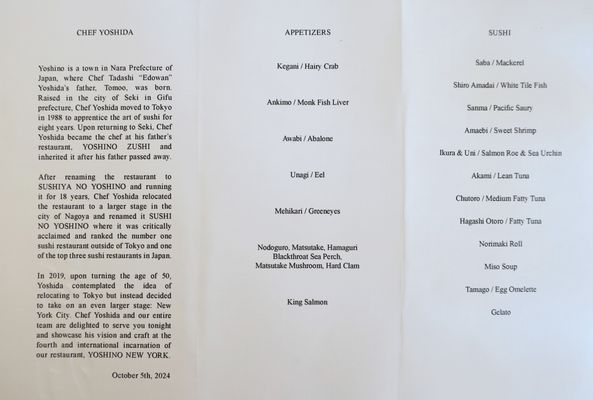
One of the best sushi chefs in Japan, Tadashi Yoshida san, is now in NYC. At $400 (gratuity not included), it's the second most expensive sushi omakase in NYC after Masa. Is it worth it? YES! He's using the most expensive ooma maguro (akami, chutoro, and otoro), the most expensive uni, white truffles from Alba, nodoguro, kegani, caviar, etc. Good luck trying to make a reservation, prepaid on Tock. All booked already for October and November. Service - wonderful Highest recommendation In my Top 3 sushi omakase in NYC. : 10 calenders read more
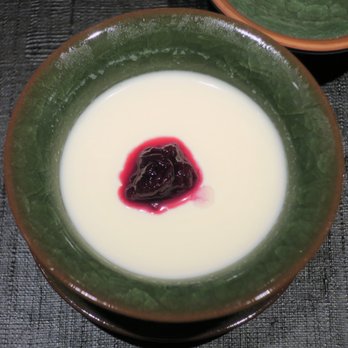
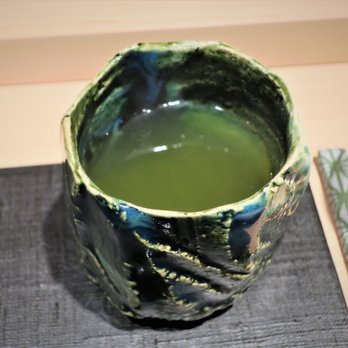


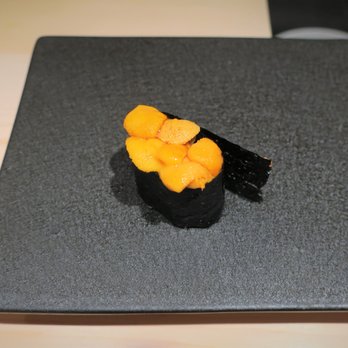


A magnificent moment when I was able to visit Yoshino. Eating at Chef Tadashi Yoshidas counter was truly the very best sushi experience I had in my life. Every bite I had was delicious. The signature sabazushi was exceptional. Loved karasumi mochi by chef gang. To end such great meal the basque cheesecake was cherry on the top. Can't wait for my 2nd visit read more


2 years ago

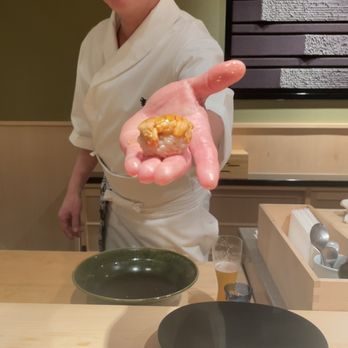
Yoshino is definitely brings some new vibe n trend in already crowded n high quality Japanese cuisine standards in nyc. I love each bite of the dish. Personally, I love it better than MASA. N I look forward Yoshino getting 3 stars read more




5 years ago
Love it here. Chef Yoshida is lovely and so are all the staff. Really love the vibe inside it's bright but not too bright. Warm yet clean and minimal too. The hinoki wood is stunning. A friend reserved the whole place for a big birthday dinner. I thought the appetizer portion was excellent not super traditional and more inventive. You can definitely see the French influence. The sushi was the star as expected with perfect rice and perfect temperature fish. I really enjoyed the whole experience. Highly recommend. read more


2 years ago

5 years ago
Excellent addition to NYC. I think Yoshino reserved a Michelin star soon. Everything was delicious and innovative, I wish there were some seasonal edomae sushi for his price point otherwise, I highly recommend this place. Only regret is his edomae sushi lacks seasonal sushi/higher quality fish/signature. Kohada wasn't as good. I had much better kohada in the past. Food: 5 Service: 5 Interior: 4.5 Price: 3.5-4 Overall: 4.5 read more

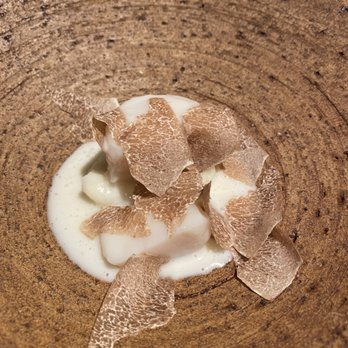


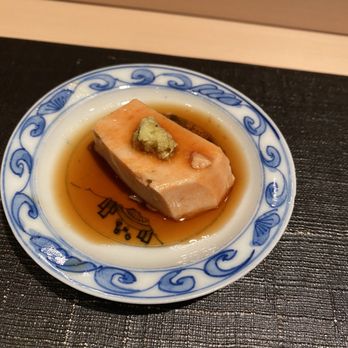


Pete Wells is the Ebenezer Scrooge of the restaurant scene, so when he gave Yoshino Four Stars in the New York Times I knew it had to be amazing. And it is! Sushi Master Tadashi Yoshida is the first sushi master to actually move to the United States. In the past it has been only protégés of a sushi master that have moved to the US, but at the age of 50 Yoshida decided to close his Nagoya restaurant and set up shop in New York. Having been to Japan many times in the last thirty years, I must say that this was one of the most amazing sushi I have ever had and one of the top 10 meals of my life. It was a delight from beginning to end. The menu changes constantly so you will always be eating seafood that is in season and what is available to the chef from Japan. Mayumi Kobayashi, the general manager and sommelier, is an experienced restaurateur with an outsized and welcoming personality. The staff is excellent as well. Truly a wonderful experience. read more


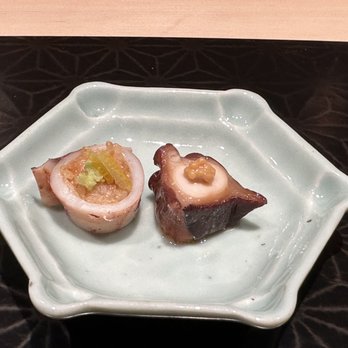


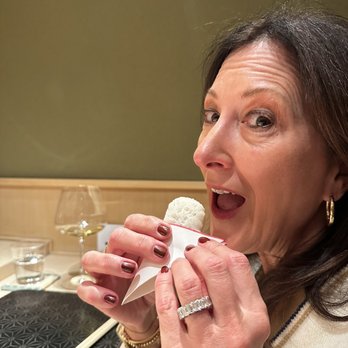


3 years ago

4 years ago
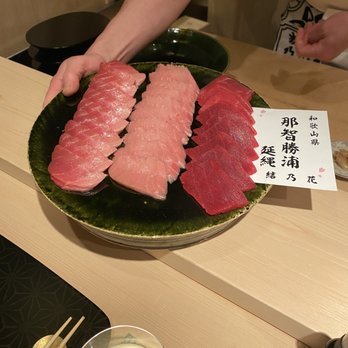
Booked the reservation roughly 2 months in advance. I thought it would be the perfect place to celebrate an 11th year anniversary. Sadly, it was memorable in all the wrong ways. Maybe it was bad luck but luck shouldn't matter for a restaurant of this caliber. Arrived at the restaurant 15 minutes early and waited with a few other guests in a small foyer. We were soon greeted by the host and shown to our seats. We sat at the far end. The interior is what one would expect. Gorgeous counter, tasteful decor, and spacious yet intimate. We were promptly presented with the menu and beverage options. The waiter also pointed out the cloth napkin ("a gift") that the chef designed himself. It was thoughtful and the design was unique but the fabric was far from ideal for napkin use (nit-picky). Regardless, we were excited for the food to come. Then, things got ... interesting? Apparently, the day before was the chef's birthday and all the guests (expect me, my wife, and one other guest sitting next to me) were friends with the chef and sous chef. They came with gifts and champagne and desserts to celebrate. We didn't think much of it at first, in fact we enjoyed the celebratory vibe, or so we thought. But then the sous chef came out and the experience went south. The best way I can describe it is a king (chef) and a court jester (sous chef). As the chef was unwrapping his birthday gifts, the sous chef provided completely unnecessary comic relief. Photo bombing pictures, sarcastically demanding gifts, complimenting and comparing the value of the gifts, etc. This charade would continue the entire night. I understand that chef didn't speak Chinese and having a trilingual sous chef is invaluable. But rather than simply being the translator, the entire night was just gossip and small talk between the sous chef and the party guests. Even the chef at times stood there looking clueless as to what the conversation is about. Let's talk about the food. There were 8 appetizers followed by 14 sushi. Most of the appetizer were misses for me and mostly for the same reasons. The preparations either did not let the ingredient shine or poorly composed. There was either an overshadowing sauce, a random overpowering ingredient or simply too much going on. The hairy crab, with caviar and uni, all delectable ingredients, ruined by half a green grape. The ikameshi was ok, very standard. The chawanmushi was loose and watery, bit on the salty side and served in the tubular cup with a thick wooden spoon. The ankimo was cold, fishy and had a denser texture than I'm use to. The hotaruika and miso sauce was fine, but the garnish pepper leaf was a too much. The karasumi was the best appetizer. It was creative, but yet simple. The kinmedai preparation did not do it justice. It could've been any snapper and it would've tasted the same. And lastly, the salmon, drenched in a white sauce that tasted like bottled salad dressing. During most of the appetizer course, which was prepared 90% by the sous chef, the chef paced behind him with a glass of wine, occasionally peeking over his shoulder. I've been to my fair share of high end omakase and usually the chef handles most of the food presentation . Also, if the restaurant staff is reading this, word of advice, it is very off-putting the way the appetizers are assembled from cling wrap-covered plastic tubs from the under-counter refrigerators in front of the guests. It honestly feels like layering scoops of leftover, which could've been easily avoid by doing it in the kitchen. On to the sushi course. There's not too much to say, it's exactly what I expected. Starting with the oily-er fish, mackerel and gizzard shad. Both well salted and marinaded. The shad, maybe a touch too long in the vinegar, but still delicious. The striped jack and spanish mackerel paired beautifully with the seasoned rice. Temperature of the fish and rice were spot on. The hairy crab was good but I would have preferred not repeating it from the appetizer. Then followed the lean, medium and fatty tuna, which were all amazing. The nodoguro was a pleasant surprise and tasty. The remaining items were decent too. The meal ended with a Japanese musk melon, which was ok but clearly overrippened. Two of the diners brought cakes and were gracious to share with all the diners. The night ended strangely as we asked for the check, paid and exited while the guests and chefs continued their festivities. Overall the dining "experience" I give it a 1/5. It might have been very different if we dined some other night or with a different crowd, but again, when diners are paying $500+, this is not acceptable. If this review was solely based on the sushi course, I would give it a 4/5 (-1 for the quantity and variety). But this dinner was suppose to be so much more and it completely missed the mark. read more





3 years ago
This was my first visit to Yoshino. I recommend not reading too many reviews, especially the New York Times one, beforehand, and let yourself be the judge of your own experience. As someone on the NYC omakase circuit, I found Yoshino to execute extremely well on the classics. The omakase falls short on the creative side, but that's okay, because you'll leave without regrets - it really is one of the best. read more


3 years ago
Writing a review for Yoshino New York feels a bit silly, as they hardly need more buzz. Even if they did, words seem inadequate. A part of me feels the need to try, if only to thank the team for the special night my wife and I had. Chef Yoshida is a true master, and we are lucky that he has taken his talents to America. Rather than an intimidating journey however, Mr. Yoshida puts everyone at ease with his outgoing personality and never lets you take it all too seriously. What took it to another level was the authentic enthusiasm and warmth that everyone on the team exhibited. My closest USA comparison to the vibe would be Alinea in Chicago, another culinary destination that will knock your socks off but can still take a joke. The omakase is simply on another level compared to any other in America. Every dish on the menu is outstanding, but if I were forced to pick a few favorites it would be the oysters and tilefish in hairy crab broth, the golden eye snapper with crispy skin, horse mackerel nigiri, the three tuna preparations, and the most ridiculously delicious handroll with tuna and uni. Special commendation to Ms. Kobayashi, the GM and sommelier. The sake pairing perfectly complimented every dish, and she expertly guided the room throughout the night. Her mastery helped turn terrific into transcendent time and time again. read more


4 years ago
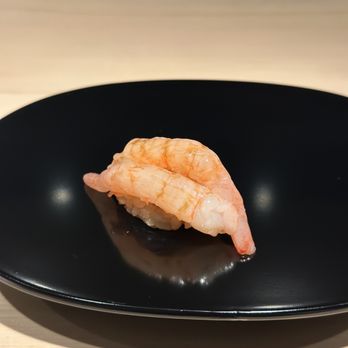
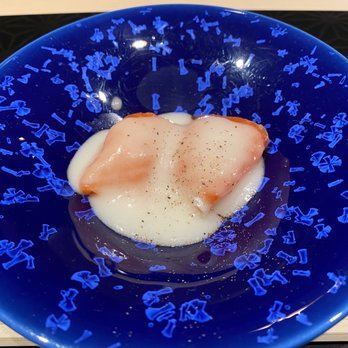
I really want to love this restaurant, especially after seeing chef Yoshida's passion and determination to serve sushi for international audiences and hearing his story behind his relocation to NYC. However, being the most expensive sushi (and meals) I had had at $515 net, I expected nothing less than the best sushi in my life, and unfortunately it didn't deliver, by quite a large margin. There were things that I was impressed and a few things that let me down. Let me elaborate: Things that impressed me: the technique and the texture - in my opinion, chef Yoshida's technique is number one. His nigiri was pressed into perfection. The amount of pressure he put onto the rice, making it firm to the touch, but still melt once it touches your tongue. The balance of topping and rice is impeccable. You might have had this experience where some chef did not get the amount of shari correctly, and you ended up chewing fish at the end of the piece while the rice already disappeared. Here, the rice and the fish were gone at the exact same time. And he managed to do this every single piece. This is truly a master at work. Another point that really impressed me is the texture. Every piece is on point. The ankimo is cooked to perfection and melted in your mouth like a piece of Foie Gras. And I have never had a fried kinmedai as good as I had here. However, here comes some minor disappointments. The fish, for some reason, did not quite show its flavor that day. The ebi was not quite as sweet as other places. The kohada, although was pickled really well, didn't taste very umami. The grilled saba, which was supposed to be the highlight of the night, did not have that lovely fattiness like when I had it at sushi Nakamura in Tokyo or Sushi Yoshizumi in San Meteo. The bafun uni was only average, although that's more about the luck of the draw rather than the skill of the chef. Here comes the major disappointment: appetizer. To summarize, I think chef Yoshida tried to make appetizers that gear towards American audiences. I appreciate the effort, but the flavor combination just did not work well, and most of the time was more of a distraction from the ingredient itself. For instance, the fried kinmedai that was cooked to perfection, was drenched in a ginger scallion sweet soy sauce 'Chinese style'. I would be more satisfied if it was served only with a pinch of salt, grated wasabi or daikon, and a wedge of sudachi, which will certainly highlight the excellent cooking of the fish. The hotaru ika was smoked with some kind of wood (apple I believe) that did not go quite well with the ika, and furthermore it was seasoned heavily with white miso dressing which completely hid the flavor of the squid itself. I'd be completely satisfy if this was grilled lightly on binchotan charcoal with salt and served to me on a skewer. The worst dish of the night is certainly the salmon, which is covered in onion cream which taste like salad cream. It was sad that I didn't taste any salmon in that dish. I didn't want to end this review in a bad note, so let me say that this is overall still an excellent meal. But if I take the price and the hype around it into account, I have to say it was quite a let down. read more




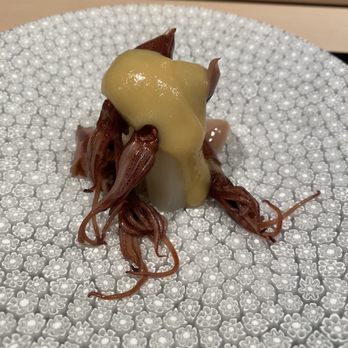


4 years ago
The best Omakase place in New York. If you can get a reservation, don't hesitate and just go for it. read more


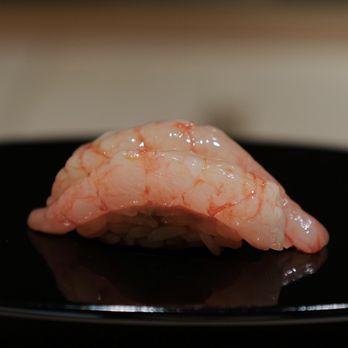


5 years ago
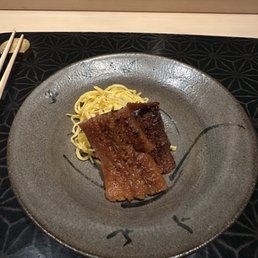
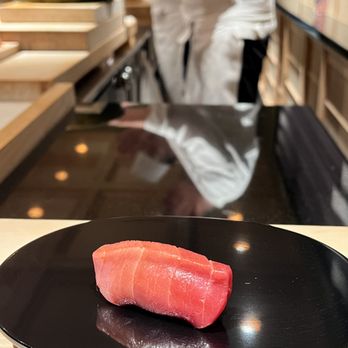
While we were in Hawaii, we were recommended this establishment from Sushi Sho's Nakazawa-San. Let me simply say, this meal was amazing and ethereal at times. Yoshida-San is very friendly and will do his best to communicate with you in English. The menu had some nice touches with different techniques outside of the classic Edomae sushi courses. The initial appetizer was firefly squid with cauliflower purée and caviar. The sweet miso sauce binded all components of the dish and it was a luxurious, flavorful start to our omakase. Two of the appetizers were very similar to what we had at Sushi Sho (squid stuffed rice and ankimo) and were executed very well. We were served a very unique baby anago (noresore) in "noodle" form with a savory soup and tiny morsels of fried inari, which was quite delicious and different. We were also served a savory mochi (karasumi) which was stuffed with an in-house aged roe seared over charcoal; a very interesting texture (chewy like a thick mozzarella cheese with a stiffer gel-like texture from the air-aged roe) and very different from what we have ever had at an omakase establishment. The amadai (tilefish) dish was prepared inside a plastic bag encapsulating the aromatic fish and clam broth. Instead of being overpowered with salinity, the broth provided an intense flavor but light mouthfeel which was extracted from the two types of protein. The New Zealand king salmon dish with peeled cherry tomatoes was an excellent and unique dish as well. The tomatoes burst with their sweet juices while the salmon provided the familiar firm texture and fattiness as your bite progressed through the inside of your mouth. The shari rice is made with 3 different types of vinegar and aggressively seasoned, just how I personally enjoy the shari when combined with the neta. The personal standout nigiri for me was the iwashi (sardine). The neta was scored incredibly intricately and had the perfect balance of flavor (slight sweetness from the fat), texture of the flesh, flavor of the shari, and the disbursement of the rice grains as the nigiri is pressed against the roof of your mouth with the initial bite. The bluefin tuna was top grade and two different types of otoro procured from Toyosu market that was first auction of best quality while the akami was from Boston. The two types of toro, kamashita and otoro had the familiar more firm texture of a wild bluefin tuna but finished with a nice melting of the fat which enveloped your tongue as you finished the bite. We were served a very unique lightly fried fugu milt (sperm sac) which continued the same velvety theme as the ankimo that was served earlier in the omakase. The Hokkaido uni used was of the very best premium quality as each gonad sliver was of the exact uniform color and size. Yoshida-San seemed most proud of his giant saba roll which was seared with a very hot charcoal grate. Again, very delicious. The meal is very expensive (party of 2 was over $1,000 with tip, no alcohol) but if you have the money to burn, it is worth at least one try. You will encounter rare and unique items paired with elite technique while served with a smile and positive attitude. Enjoy! read more


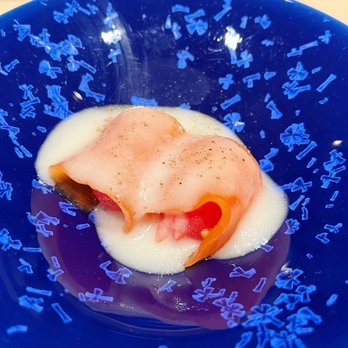


3 years ago

5 years ago
Page 1 of 2
More info about Yoshino
342 Bowery
New York, NY 10012
NoHo, East Village
Directions
(917) 444-1988
Call Now
Visit Website
https://www.yoshinonewyork.com
Hours
Payment methods
Food & Alcohol
Indoor Amenities
Outdoor Amenities
Other Amenities
Ask the Community - Yoshino
You might also consider




















Why does Yelp recommend reviews?
10 reviews that are not currently recommended
The reviews below are not factored into the business's overall star rating.

5 years ago

11 months ago

3 years ago

3 years ago
2 years ago
4 months ago
1 year ago

2 years ago

2 years ago

5 years ago


