Staples Photos


You might also consider


Recommended Reviews - Staples
Start your review...




1 year ago
1 year ago
2 years ago

8 years ago
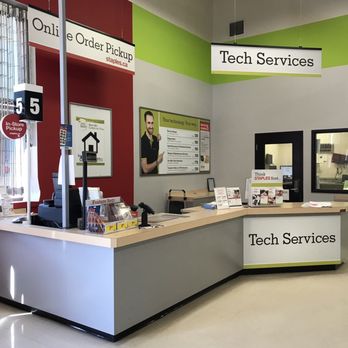
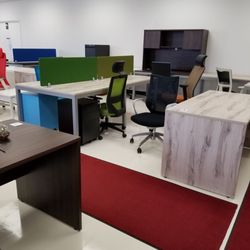
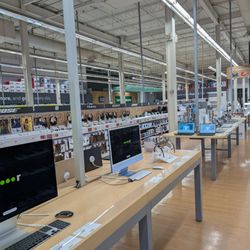
I haven't had to go to a retailer that sells office supplies, furniture, equipment and copy/print services in a long time. Today, for the second time in a month I'm back. I didn't complete my homework on staples.ca and didn't know in advance that my item was not in stock at this location. The goal to this trip was to pick up a document scanner...yes, you're reading this correctly. This machine replaces the previous one that I gave away over 6 years ago never thinking I'll need it again. Wrong... This is a large store and it was easy to scan the horizon and head in the right direction. Matthew (staff) was very helpful. For $99.99...it's the lowest entry price point...I'm buying an Epson Perfection V39 Colour Photo and Document Scanner powered only via a USB connector; it is a 4800 dpi thin and sleek unit. Since it was not in stock at this store, Matthew showed me how to order and pay for the item from an Order Station. I chose to have the item shipped to this store and I would pick it up this Monday. Super customer service and order-checkout was a breeze. I was also emailed an electronic copy of my purchase receipt. A great shopping experience! read more



3 years ago
3 years ago

4 years ago
6 years ago
6 years ago

13 years ago
8 years ago
9 years ago

13 years ago
12 years ago
More info about Staples
You might also consider








Why does Yelp recommend reviews?
1 review that is not currently recommended
The reviews below are not factored into the business's overall star rating.

8 years ago


