
Park Room Photos


Recommended Reviews - Park Room
Start your review...

Reviews With Photos


Had afternoon tea here with my husband as we were staying at the hotel and it was fantastic! The bites were delicious and the service was great. The servers were friendly and informative. The ambience was perfect for tea as someone was playing the piano during our tea that crated a really nice vibe.


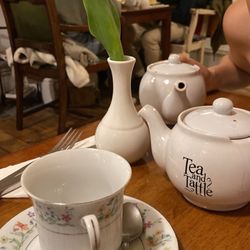
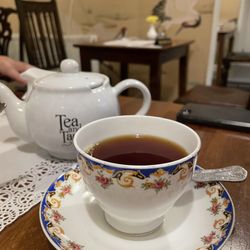
Amazing experience for anyone, especially families or/and friends. Loved all the sandwiches, (curry chicken best) and the tea was fantastic - I had the Dong Ding and Muskani - Himalayan, muscat-like finish.


I would plan my entire trip to London around stopping by Park Room ifJean Luca is making the Martinis! Valentina was an amazing hostess! She gave impecable customer service! She actually gave the best service of my entire trip to the U. K. We came in close to closing for dessert. Andre suggested the cheesecake over the carrot cake! The cheesecake did not disappoint!!! The cheesecake was rich and creamy, had a buttery moist crust, and was enough for the three of us to share. This isan absolutely gorgeous place to enjoy a light meal, dessert, or enjoy a cocktail! I will definitely come back if traveling to London!

We had the luck that our booking coincided with the first day of the Jubilee dessert specials. Second visit for me, but first time for our friends. The tea was great (although our super-friendly waiter did struggle with getting our tea pots at the right place and never poured mine) and the sandwiches and scones were awesome! Loved the shrimp, salmon and caviar open sandwich with especially! And the new desserts were amazing! Definitely a great place for to enjoy a typically British high tea.


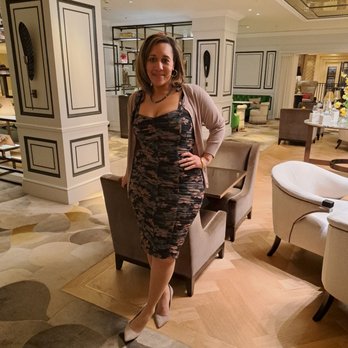
Having flown from the states and being on an involuntary hunger strike, I give this place 3 stars. Very fancy and seems like they genuinely tried. The jams were sweet and the cream was divine but the sandwiches were just ok. I enjoy the bathroom decor and upkeep. I also liked the presentation of the tarts and other sweets. Overall good afternoon tea. Nice selection of tea. I liked the house tea! This is me ready to eat!


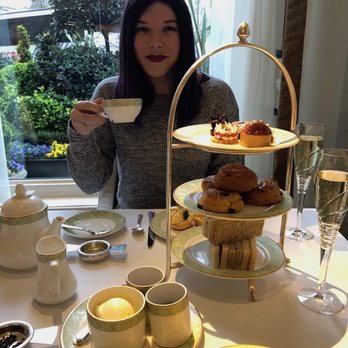
My very first afternoon tea experience in London was right here as we were staying in the hotel. While I'm not a fan of tea, I went along because my spouse wanted to, and champagne (my fave) was also included. Yay! ATMOSPHERE: The decor reminds me of a Ritz Carlton dining room - classy, soft colors, nice silverware and place settings. We had a nice window table that overlooked the sidewalk & city street and was great for people-watching. The room wasn't crowded at all so it was a very relaxing, quiet setting. AFTERNOON TEA: While I didn't partake in the tea, I loved the champagne that it came with! It only came with 2 glasses so we ordered more. A tiered plate setting of never-ending sandwiches, different pastries, and fruit cup for dessert completed the experience. Everything was fresh and neatly prepared. SERVICE: Our male server was very friendly and professional. OVERALL: Good food, nice setting, great service. Highly recommended.
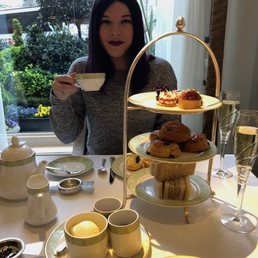

With all of the different Afternoon Tea options in the area we chose the Park Room at the JW Marriott- Grosvenor House. The theme to their tea was Beatrix Potter and having just watched the movie this year we thought it would be a full circle moment. This hotel is very fancy and once you make it to the door you'll find a friendly doorman willing to point you in the right direction. We were seated promptly and as others mentioned, the chairs are a bit awkward in relation to the table. I'm not big on tea so we were happy they had hot chocolate or coffee to choose from. I went with their hot chocolate, but it didn't have the creaminess to the chocolate I prefer. Instead it was a bit watery and giving instant cocoa energy. The food was good, although I never need a prawn sandwich again. Highlight for me was the first ice dish and then the ball of yarn pastry that had the most delectable strawberry filling inside. They lose a star due to their hot chocolate and the service we received. It seemed like tables around us of 4-6 people were given more attentive service. If visiting again we'd probably check another spot out before we felt inclined to come back here. read more
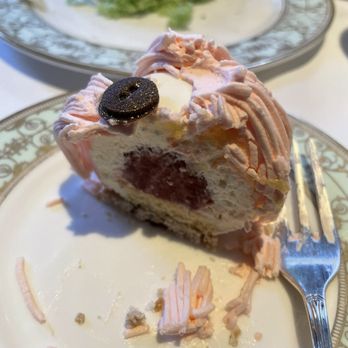


The JW Grosvenor house hosts the park room and it's a five star hotel with a doorman, so prepare yourself for classy. I watched a hostess ask a man to remove his cap because it wasn't in dress code. If I'm being honest the chairs while comfy if I was lounging were not that great for eating. They are like a few inches too short and offered no real way for me to feel close enough to the table and supported at the same time. This high tea rotates themes so check on which theme they are doing when you go. We went for the Beatrix Potter (the author) theme, and the pastry chef honestly was amazing. Each pastry item was beautifully crafted and on theme. The flavor profiles were all different and they were executed flawlessly. The presentation of the egg was exquisite. Personally I didn't like all the pastries, but I'm positive that is personal choice as I'm not a sweets girl, not due to execution on the pastry team's part. The salmon tart at the top of the tea had caviar on it and was one of the best parts of the tea. I could do without the prawn sandwich but each other the others were great. The tea selection isn't huge, very traditional, but enough for every palette and an option for hot chocolate or coffee too if someone in your party doesn't do tea. The one downfall was that we did get a little overlooked for a bit. We were out of drinking water and water for our tea for well over 15 minutes before some was offered to us. When you book you're told it's a seat for 90 min and by no fault of our own we were there for over 2 hours and when the hostess noticed she was very quick to come and ask us to pay. I had this sense that she felt like we had overstayed, but no one had asked if we were finished so it felt a little out of pocket. I will say they were willing to box everything up and did, except the clotted cream and preserves. I would have liked to take home the preserves because eating our leftover scones without those was a bit disappointing. read more


1 year ago

Had afternoon tea here with my husband as we were staying at the hotel and it was fantastic! The bites were delicious and the service was great. The servers were friendly and informative. The ambience was perfect for tea as someone was playing the piano during our tea that crated a really nice vibe. read more


3 years ago
I would plan my entire trip to London around stopping by Park Room ifJean Luca is making the Martinis! Valentina was an amazing hostess! She gave impecable customer service! She actually gave the best service of my entire trip to the U. K. We came in close to closing for dessert. Andre suggested the cheesecake over the carrot cake! The cheesecake did not disappoint!!! The cheesecake was rich and creamy, had a buttery moist crust, and was enough for the three of us to share. This isan absolutely gorgeous place to enjoy a light meal, dessert, or enjoy a cocktail! I will definitely come back if traveling to London! read more



4 years ago

1 year ago
4 years ago
We had the luck that our booking coincided with the first day of the Jubilee dessert specials. Second visit for me, but first time for our friends. The tea was great (although our super-friendly waiter did struggle with getting our tea pots at the right place and never poured mine) and the sandwiches and scones were awesome! Loved the shrimp, salmon and caviar open sandwich with especially! And the new desserts were amazing! Definitely a great place for to enjoy a typically British high tea. read more


4 years ago

Having flown from the states and being on an involuntary hunger strike, I give this place 3 stars. Very fancy and seems like they genuinely tried. The jams were sweet and the cream was divine but the sandwiches were just ok. I enjoy the bathroom decor and upkeep. I also liked the presentation of the tarts and other sweets. Overall good afternoon tea. Nice selection of tea. I liked the house tea! This is me ready to eat! read more


My very first afternoon tea experience in London was right here as we were staying in the hotel. While I'm not a fan of tea, I went along because my spouse wanted to, and champagne (my fave) was also included. Yay! ATMOSPHERE: The decor reminds me of a Ritz Carlton dining room - classy, soft colors, nice silverware and place settings. We had a nice window table that overlooked the sidewalk & city street and was great for people-watching. The room wasn't crowded at all so it was a very relaxing, quiet setting. AFTERNOON TEA: While I didn't partake in the tea, I loved the champagne that it came with! It only came with 2 glasses so we ordered more. A tiered plate setting of never-ending sandwiches, different pastries, and fruit cup for dessert completed the experience. Everything was fresh and neatly prepared. SERVICE: Our male server was very friendly and professional. OVERALL: Good food, nice setting, great service. Highly recommended. read more


8 years ago
You've heard how seriously afternoon tea is taken in the UK, right? I'll let you in on a little secret - it's even more serious than that! We dressed up a bit and finished off our trip with a proper afternoon tea at The Park Room at The Grosvenor House on our last full day of our trip to London, and we walked, nay, rolled, out of there really impressed. We went with Anna's afternoon tea, which came with champagne. So. Much. Food. We spent the entirety of 2.5 hours sipping at our loose leaf tea and devouring trays of finger foods. But that was nothing! Apparently, the ladies at the table next to us had spent a good 4 hours there. From the seemingly endless array of finger sandwiches (which I tried for the first time and loved!) to delightful scones and desserts, it was a tasty way to spend an afternoon. Pro tip: go hungry, and don't be afraid to try some milk in your tea! PS: They do have coffee if you're not that into tea. :) read more
4 years ago

5 years ago

8 years ago

11 years ago

16 years ago


14 years ago


7 years ago

13 years ago

16 years ago

16 years ago

9 years ago


13 years ago

16 years ago

13 years ago
8 years ago
More info about Park Room
Park Room Reviews in Other Languages
Review Highlights - Park Room

















Why does Yelp recommend reviews?
3 reviews that are not currently recommended
The reviews below are not factored into the business's overall star rating.
13 years ago

7 years ago

16 years ago


