Miura Photos



You might also consider


More like Miura
Recommended Reviews - Miura
Start your review...

Reviews With Photos
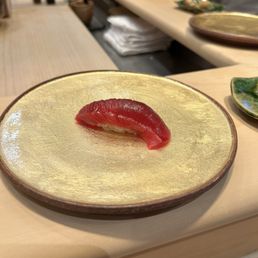

Hot date took me to omakase for my birthday. This sushi was some of the best I've ever had. A truly incredible display of culinary ability. The service was so attentive and knowledgeable. You will be honored. Must visit.


3 months ago
Possibly one of the best Sushiyas in LA. I'm a regular at some of their sister locations in Arcadia (tonchinkan, sushi kisen, etc) and was excited to try this spot knowing the chef's stacked background in Japanese culinary arts. I went right before the Michelin Ceremony which awarded them 1 star. It started off with kaiseki style appetizers: kegani, grilled ocean trout, aichi tairagai, and Iwate A5 wagyu sukiyaki. Incredibly strong start with the appetizers. Kegani was my favorite with its gooey chewy roe in contrast to the kegani meat. Nigiri followed and I got a supplement of kohada. The standout was definitely the shari, which is probably some of the best I've had in LA. I love how strong the vinegar in the rice is, which other locations are way too light handed with. The grain, starchiness, and temperature were perfectly paired with each shari. Of course kohada was my favorite. Nice firmness and salinity. Dessert was a koji rice ice cream with berries. Very unique flavor and balance between the slightest hints of saltiness from the cherry salt and boosts of sweetness from the berries. Overall, one of the best sushi omakase meals I've had in LA. My biggest gripe with most spots is their shari falling apart, grain isnt the rice size or texture, or just not seasoned enough. Chef Derek Wilcox is truly a master at his craft and I'm eager to come back. read more

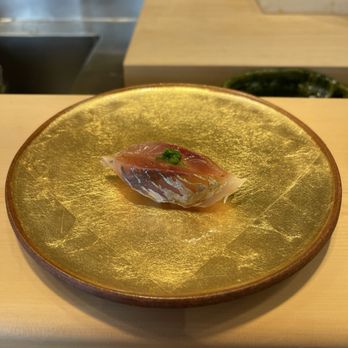


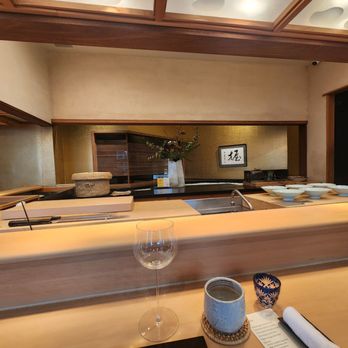
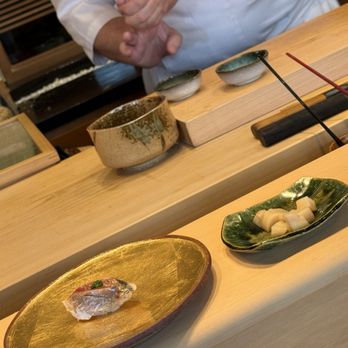
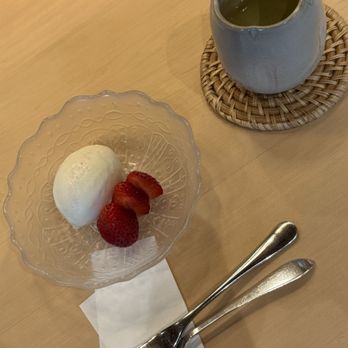
Amazing 18 course omakase in a small, intimate, minimalistic and refined space on the second floor of via rodeo. The vibe, service, and food quality and presentation were all executed with perfection. Had an incredible time. Some standouts for me were the bluefin tuna sashimi (fresh, buttery, and luxuriously marbled) served with egg yolk (loved the egg yolk); spot prawn (juicy with a hint of sweetness that just melts), cuttlefish, and Aji Shamine (horse mackerel, but learned it's not a mackerel), the last which was my favorite. Fantastic experience. Hope to come back soon read more




6 months ago
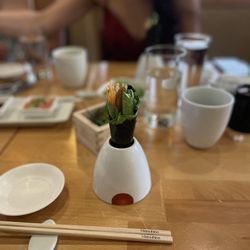
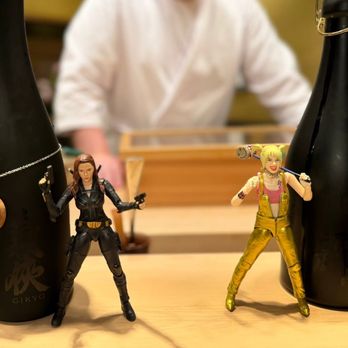
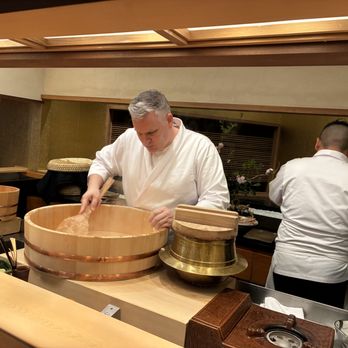
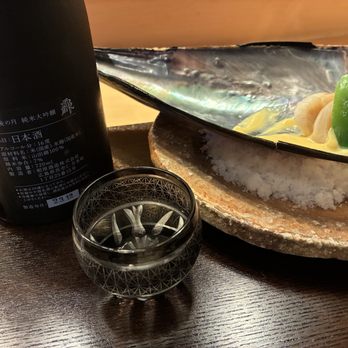
Last time I stepped onto the second floor of Via Rodeo was back in the late 90s. What brought me back this time is a highly recommended new spot, Miura. The counter is led by Derrick Wilcox, a protege of Yoshihiro Murata, where he trained at Kikunoi, one of Japan's most respected Kaiseki establishments. If you're more familiar with sushi legends like Jiro Ono, Murata might not be a household name, but his expertise in Kaiseki reflects a much broader range of techniques and seasonal expression than sushi alone. I came in curious to see if that influence would come through in the pacing, variety, and precision of the meal. I opted for the Omakase and brought two premium bottles of sake for pairing, quite different in style and rarity, but I trusted they would work. After a quick look at the menu, I started with a lighter, more delicate note, Junmai Daiginjo "Ugo no Tsuki RAY." This highly polished (7%) sake offered a super clean, elegant finish, making it the perfect companion for the opening courses. The Tairagai (pen shell) was sweet and crisp, Kinmedai carried a gentle fatty lift, and the Hokkaido snow crab was pure sweetness. Even the hotaru-ika, which can sometimes lean briny or slightly bitter, was beautifully balanced with asparagus and green onion. The nigiri lineup was equally well executed, sumi-ika, akagai, sayori, and tai, all showcasing precise knife work and thoughtful seasoning. The sake never overpowered the seafood; instead, it elevated the natural delicacy of each piece, creating a refined and cohesive opening. As the meal moved into richer territory, Nagano wagyu shabu-shabu and the start of a variety of tuna, I switched to an aged 2004 Gikyo. A completely different profile: deeper, more umami-driven, with a slightly nutty, almost oxidative character. This is where things became especially compelling. The wagyu paired beautifully with the added depth of the sake, and the series of tuna (akami, chutoro, otoro) built in richness without ever feeling heavy. The aged notes of the Gikyo complemented the fat rather than competing with it. Uni was creamy and sweet, and the sake leaned right into that texture. The anago, soft and lightly glazed, felt classic and comforting, an ideal match for the warmer profile of the sake. Ending with a negi-toro handroll was the right move: simple, satisfying, and a clean finish. Overall, this felt like a thoughtfully constructed Omakase, not just in the food, but in its pacing and progression. The transition from a clean, refined sake to a deeper, aged one mirrored the arc of the meal beautifully. I would definitely come back to Miura to explore a broader range of pairings, perhaps I'll bring some Burgundy to add another layer of complexity. I'd also be curious to see how the experience evolves if the chef leans further into a more 季節の京懐石 approach, bringing even more of that Kyoto-style seasonal expression to the counter. read more




5 months ago
Hot date took me to omakase for my birthday. This sushi was some of the best I've ever had. A truly incredible display of culinary ability. The service was so attentive and knowledgeable. You will be honored. Must visit. read more


8 months ago
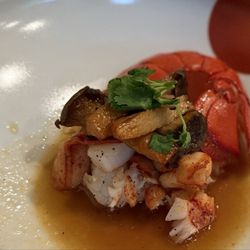
Miura soft opening at previous Urasawa and Sushi Yamamoto space on Rodeo Drive in Beverly Hills. It's my first time meeting Chef Derek Wilcox, who was trained from Michelin restaurants Kikunoi and Sushi Aoki in Japan and recently worked in Shibumi. They offer a nice 18-course omakase menu with fresh seafood from Japan. I enjoyed the Poached Lobster served with nice and creamy soup. I love the smoked Blue Fin Tuna from Japan with the amazing egg yolk soy sauce, which you can enjoy the special sauce with some rice afterwards. They also have a few add-ons items available (Shirako, Karasumi, Hirame Sushi, Kohada Sushi, and Kanpyo Roll). The Shirako (Cod Milt) add-on served with Winter Truffle was amazing. The I ordered a couple of them. The fish was amazing. The seating was nice and intimate with 8 seats at the counter. They have a nice selection of premium sake like Kuheiji, Nichi Nichi, Aramasa, and Nabeshima available. Parking at lot is $10. read more


5 months ago

5 months ago
More info about Miura
218 N Rodeo Dr
Fl 2
Beverly Hills, CA 90210
Directions
(424) 204-9584
Call Now
Visit Website
https://miura-beverlyhills.com
Hours
Food & Alcohol
Outdoor Amenities
Other Amenities
From the Business