
I Luv Teriyaki Photos


Business Info
I Luv Teriyaki Popular Dishes
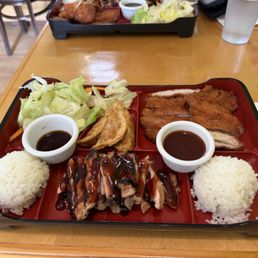


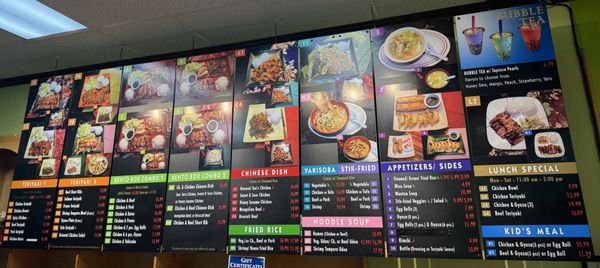


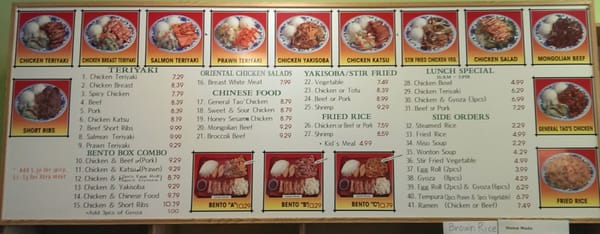
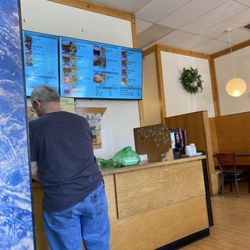
I LUV TERIYAKI ATMOSPHERE


You might also consider


More like I Luv Teriyaki
Recommended Reviews - I Luv Teriyaki
Start your review...

Reviews With Photos


A recent try as I have been seeing going in and out of this place for months. Great experience!! They know their stuff. High quality stuff, huge portions and fair prices.


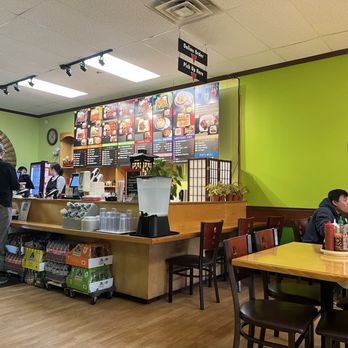
Very friendly, patient staff. Food was really good and tasted fresh. Price for size of portions seems very reasonable. My husband and I could easily split a meal and our teen had enough leftovers for another meal.. I mean snack lol. It filled our bottomless pit. They were also very quick to get out our food, less than 10 minutes. I would recommend! Ambiance was very clean, and warmly welcoming!
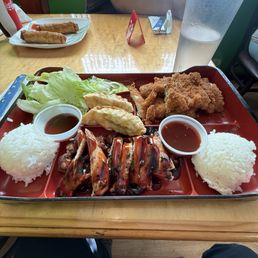


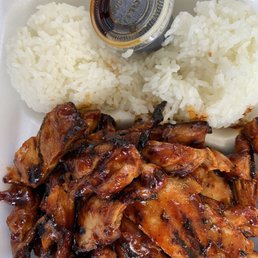
After not being a fan my entire life, I can now honestly say, "I luv teriyaki"! Seriously. This place has swayed my opinion completely and now I understand the hype. Their sauce is excellent. Chicken cooked perfect, a little seared with grill lines but juicy on the inside, exactly how I like it and was quality! Quick friendly service, probably not somewhere I'd sit down to eat or want to "go out" to, but fabulous for to go's and convenience! My only complaint would be the chicken and veggie stir fry we ordered. The chicken was significantly less quality than our chicken teriyaki order, not cooked very well, lots of pink in pieces :/. Also, you would expect more variety of veggies... we got a TON of cabbage, some broccoli and a couple garnish style, thinly sliced carrots. No mushies, snap peas, etc. Flavor was super bland, little to no seasoning or veg/herbs to contribute (I.e. garlic, onions, cilantro)... Fast food style ambiance but way better than what you would get elsewhere! Will definitely be back, but sticking to standard teriyaki order as our go to :) Thank you for the bomb grub guys, we "LUV" it!! Pro tip: call ahead to order


Chicken Teriyaki Lunch Special: The chicken was more burnt than preferred, but the meat was still quite tender. The sauce was good and the rice had a nice texture. I wished the meat came out hotter. The service was good and the food came out very fast. There is a place for you to bus your plates by the door.


Been frequenting this place since 2013 and have never been let down. The staff greets you with a smile and the food is always delicious.
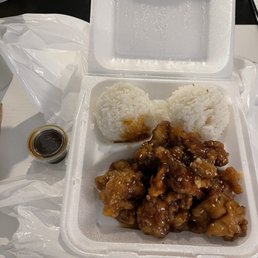

If you're into large portions without any vegetables, this is your place. The honey chicken plate comes with two scoops of rice and a large helping of chicken. Hot and fresh, made to order. The staff is friendly and the restaurant is clean and inviting. Prices are between fair and steep, but you do get what you ask for. High school me would have loved the lack of veg and the heavy focus on chicken and rice. Adult me kinda misses the lack of veggies. That would probably be my only complaint.

8 months ago
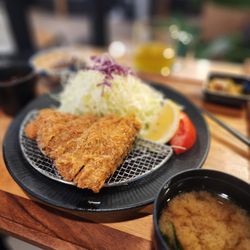
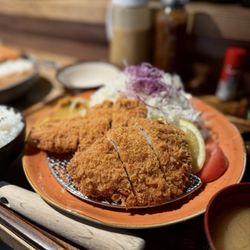
Very good teriyaki to try! I had their teriyaki bento box with chicken katsu. I enjoyed the dish, however, I was disappointed that there wasn't any option to have tempura veggies or sushi with the bento. The chicken teriyaki was made well. Sauce was pretty good and savory. The chicken katsu was crispy and tasty as well. The salad had too much vinegar for me, personally. The service was decent. My order was taken and my questions were answered. The food took some time to make, but not too long. The ambiance was okay. Not the best with decorations. But there's a decent amount of seating. read more
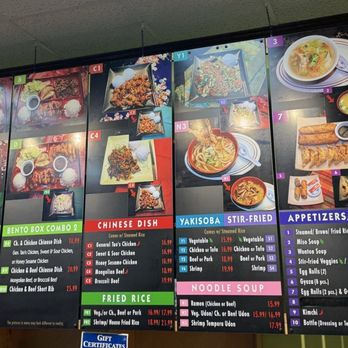

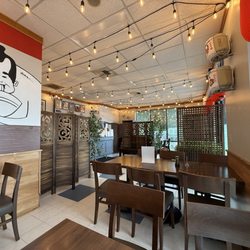
Came here after a hike so I was in the mood for good food and a decent portion of it. Lucky this place was nearby! We were greeted as soon as we entered and the person at the register was rest to take our order. My food didn't take long to come out and it tasted good! There wasn't much service after ordering. I loved seeing just how many options there were to choose from! The inside of the store was well kept and looks like your typical teriyaki place, which is nice when you want to know what to expect. Safe to say this is a good teriyaki spot read more

29 days ago
Food was fantastic and affordable. Some of the best chicken katsu I've had- chicken teriyaki was also above average. Came out really quickly and the service was great, and the restaurant was super tidy and clean. Will definitely come back if I'm in the area; happy I discovered this wonderful gem of a restaurant! read more
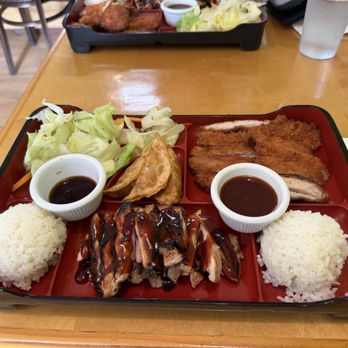


8 months ago
Very friendly, patient staff. Food was really good and tasted fresh. Price for size of portions seems very reasonable. My husband and I could easily split a meal and our teen had enough leftovers for another meal.. I mean snack lol. It filled our bottomless pit. They were also very quick to get out our food, less than 10 minutes. I would recommend! Ambiance was very clean, and warmly welcoming! read more


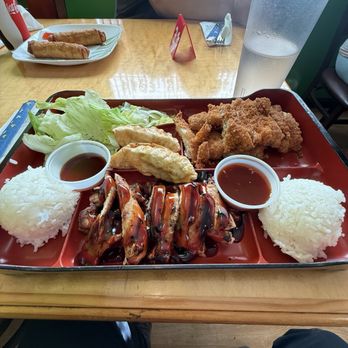

2 years ago
After not being a fan my entire life, I can now honestly say, "I luv teriyaki"! Seriously. This place has swayed my opinion completely and now I understand the hype. Their sauce is excellent. Chicken cooked perfect, a little seared with grill lines but juicy on the inside, exactly how I like it and was quality! Quick friendly service, probably not somewhere I'd sit down to eat or want to "go out" to, but fabulous for to go's and convenience! My only complaint would be the chicken and veggie stir fry we ordered. The chicken was significantly less quality than our chicken teriyaki order, not cooked very well, lots of pink in pieces :/. Also, you would expect more variety of veggies... we got a TON of cabbage, some broccoli and a couple garnish style, thinly sliced carrots. No mushies, snap peas, etc. Flavor was super bland, little to no seasoning or veg/herbs to contribute (I.e. garlic, onions, cilantro)... Fast food style ambiance but way better than what you would get elsewhere! Will definitely be back, but sticking to standard teriyaki order as our go to :) Thank you for the bomb grub guys, we "LUV" it!! Pro tip: call ahead to order read more


Chicken Teriyaki Lunch Special: The chicken was more burnt than preferred, but the meat was still quite tender. The sauce was good and the rice had a nice texture. I wished the meat came out hotter. The service was good and the food came out very fast. There is a place for you to bus your plates by the door. read more


6 months ago
5 months ago
7 months ago
7 months ago
7 months ago
7 months ago

1 year ago

2 years ago

3 years ago
Been frequenting this place since 2013 and have never been let down. The staff greets you with a smile and the food is always delicious. read more


2 years ago


4 years ago

3 years ago
If you're into large portions without any vegetables, this is your place. The honey chicken plate comes with two scoops of rice and a large helping of chicken. Hot and fresh, made to order. The staff is friendly and the restaurant is clean and inviting. Prices are between fair and steep, but you do get what you ask for. High school me would have loved the lack of veg and the heavy focus on chicken and rice. Adult me kinda misses the lack of veggies. That would probably be my only complaint. read more
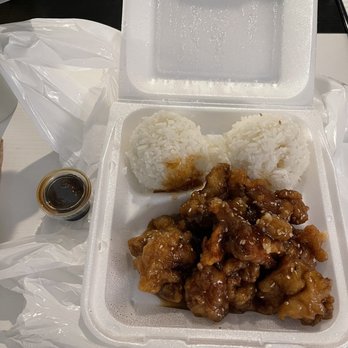


Great spot for a quick lunch stop between Snoqualmie and North Bend, located next to a Safeway and a few other restaurants. Social distance and masks were enforced, and they had dividers on the counter to help protect while ordering. We ordered the spicy chicken, the pork teriyaki and the chicken katsu. Pretty average price for a teriyaki spot (spent around $30 for the 3 orders), but everything was made VERY well and was super tasty! I love spicy food and was worried the spicy chicken wasn't actually gonna be spicy, but it had a good heat to it! Some pieces were a little too charred for my liking, but it wasn't that big of an issue. The pork teriyaki was very tender and tasty, and had a perfect sweet and salty taste that makes a great teriyaki! The chicken katsu was definitely the star out of the three things we ordered; perfectly breaded and fried, while keeping the inside juicy. Katsu sauce was provided on the side. The orders each also came with a side salad with their salad dressing. They weren't open for sit down seating inside the restaurant, but they did have a few tables set up outside the restaurant for customers! read more


2 years ago

3 years ago

4 years ago
Yummy food and kind owners. We had Bento item A and Bento item E to go. They also have Boba options read more

3 years ago
Good size portions friendly staff. Spicy chicken moist and tasty. I'd prefer less charred tips but that's pretty standard At teriyaki places. Clean and well kept dining area. read more


3 years ago

3 years ago

5 years ago
Really good teriyaki. I got the chicken teriyaki/3 gyoza plate lunch special. Gyoza were hot and flavorful, if a little small. Teriyaki was very good. Flavorful, just the right amount of chicken to rice ratio. Service was ok. It did take the woman working a odd amount of time to acknowledge me, as I was the only one there. No biggie. Recommend. read more

3 years ago

4 years ago

This place is located next to Safeway in North Bend. Nice little area if your craving some rice! Rice is life! We stepped in and was greeted by the cashier. She was nice and friendly. The food here is excellent, I enjoyed the Y1 (veggies noodles and a side of white rice) that dish was yummy and I ate it all. Other dishes we tried was the chicken and gyoza which was yummy also. Friends ordered the udon which wasn't great nor was the broth, they need to work on that one. Everything else was good! Stop in for some teriyaki if you wish read more


3 years ago

4 years ago

4 years ago

6 years ago

6 years ago

6 years ago
3 years ago

I ordered a chicken teriyaki lunch special and it was alright. The item came with a salad with a side of a mayonnaise-sesame seed dressing. As for the chicken, the teriyaki sauce was pretty normal and delicious (and you can add more teriyaki sauce at your table if you want). The only -1 star is due to the grilled chicken as it seemed to have quite a bit of burnt edges which I am not a fan of. read more

Page 1 of 3
More info about I Luv Teriyaki
458 SW Mt Si Blvd
North Bend, WA 98045
Directions
(425) 888-5544
Call Now
Visit Website
http://www.iluvteriyakinorthbend.com
Hours
Payment methods
Food & Alcohol
Indoor Amenities
Outdoor Amenities
Other Amenities
More Info
Health Score
Ask the Community - I Luv Teriyaki
You might also consider

















Why does Yelp recommend reviews?
13 reviews that are not currently recommended
The reviews below are not factored into the business's overall star rating.
13 years ago

13 years ago

10 years ago
10 years ago
10 years ago
6 years ago
9 years ago
5 years ago
9 years ago
5 years ago
7 years ago
6 years ago

12 years ago


