
Evva Miami Photos


Evva Miami Popular Dishes


You might also consider


More like Evva Miami
Recommended Reviews - Evva Miami
Start your review...


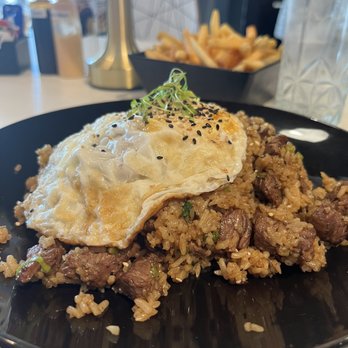
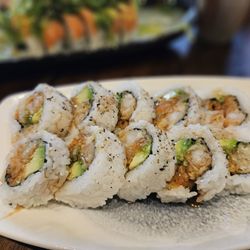
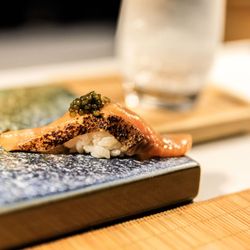
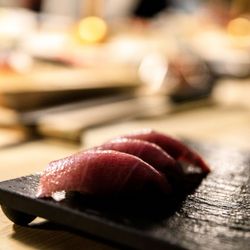
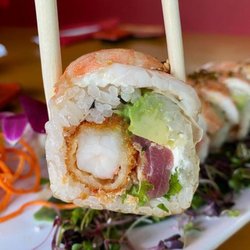
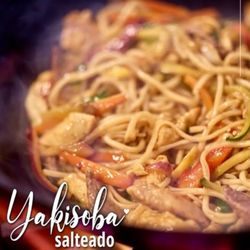
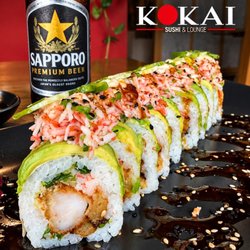
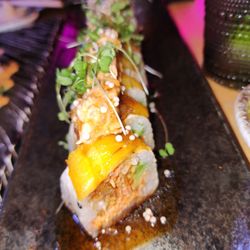
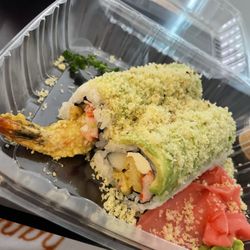
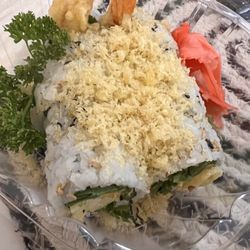
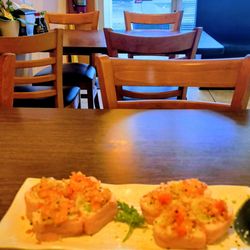
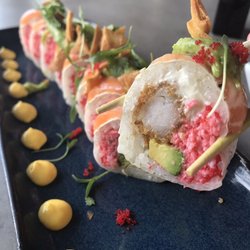
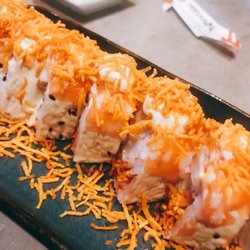
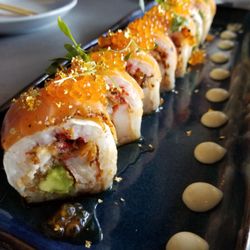
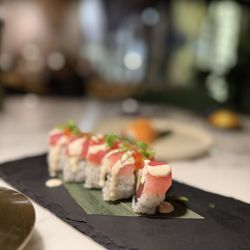
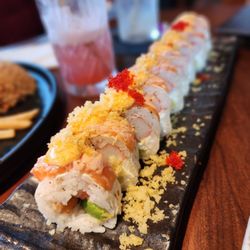
great Venezuelan fusion restaurant! They have amazing lunch specials from $5-15 so there is something for everyone's price range. The restaurant serves tequenos, burgers, sushi rolls, and has a bit of a peruvian twist. The service is wonderful and the location is always clean. I enjoy coming here for my lunch break. their Lomo Saltado is my favorite! The flavors are on point and this is a dish that i order frequently. Their steak fried rice is also spectacular. Many customers also enjoy their sushi's and I can see why now. Even their volcano roll was spot on! By the way the portions are pleasing and any dish you order will fill you up! Give this place a try, you won't be disappointed! read more




4 years ago
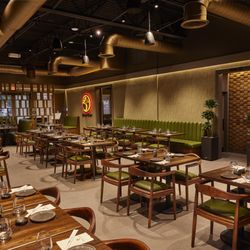
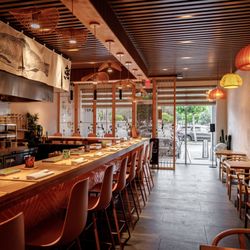
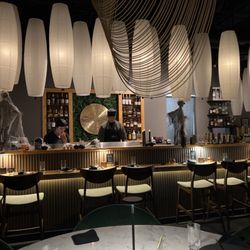
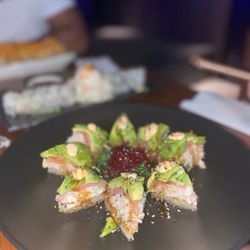
Restaurante nuevo de sushi. El lugar súper bonito. Tuve buena atención por parte de la mesera. Atenta y amable. Probamos el sushi Eva y Apocalipsis y me parecieron súper ricos. No tienen mucha selección en el menú, es limitado, pero es rico. Lo único que le podría recomendar al lugar es agregar mas opciones en el menú para tener más variedad y opción para el cliente. De resto, buena experiencia read more


3 years ago

3 years ago
More info about Evva Miami
Evva Miami Reviews in Other Languages
Ask the Community - Evva Miami
You might also consider
















Why does Yelp recommend reviews?
15 reviews that are not currently recommended
The reviews below are not factored into the business's overall star rating.
4 years ago

4 years ago
4 years ago

4 years ago

4 years ago
4 years ago

4 years ago
4 years ago

4 years ago

4 years ago
4 years ago
4 years ago
4 years ago
3 years ago
4 years ago


