Dr Marchi - Pet Euthanasia at Home
Services - Dr Marchi - Pet Euthanasia at Home
Pet physical or wellness exam
Pet vaccinations
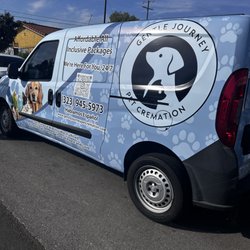
Pet cremation services
Dr Marchi - Pet Euthanasia at Home Photos


More like Dr Marchi - Pet Euthanasia at Home
Recommended Reviews - Dr Marchi - Pet Euthanasia at Home
Start your review...


Reviews With Photos


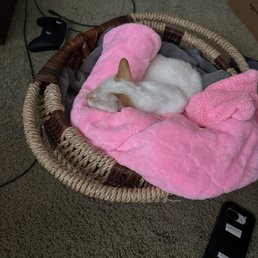
This is one review you don't really want to write, but I feel it's required for the greater good. We unfortunately had to put our 15 year old Chihuahua down due to some declining health problems. She had always hated going to the Vet's Office so I promised myself when the time came that it wouldn't be in that environment, so we found the best alternative in Dr. Marchi. When the decision was made, I sent a text after hours and was able to get a response the next morning about scheduling the same day. He also does after hours which worked well for us. Dr. Marchi was very considerate and talked us through the whole process beforehand to let us know what to expect. He gave us the all remaining time we needed with her before he did his part which was quick and painless for our dog. He also took a paw print of her for our keepsake. Since we opted in for the cremation services, I did get a call by the end of the week that she was ready for pickup at the Crematorium located in LA and she's now at home with us. I would highly recommend this service, even though the price is more than doing so at the local vet's office. It was well worth it for us.

Kind & compassionate when it was needed. Professional but very nice. No one wants to need them but they are here for you when you do.


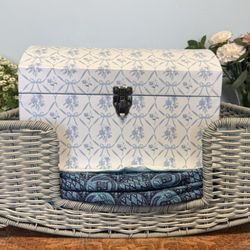
We made the best decision to help our cat Maggie cross the rainbow bridge at home. Our Maggie had cancer and her tumors were affecting her quality of life. A family member used and recommended this vet to us. We communicated through text and they were able to schedule us on the requested day and time. The process is seamless. Dr. Hall was amazing. She worked in a way that made us feel like it was just us and we had this whole moment to ourselves with our cat and she was just in the background. Yes, it is more expensive than the vets office. Money comes and goes! It was worth every dollar that we didn't have to stress our cat out by taking her in the car (hated car rides) and having her last moments in a strange and unfamiliar place. I wish we did this for our dog that we had to say goodbye to 2 years ago! They list the cost in their website so there are no surprises. Our Maggie went peacefully in our bedroom in my husband's arms and purred for us before she fell into her deep sleep. We took the clay paw impression and it was perfect. She was placed in a basked wrapped in a blanket. We will forever miss our Maggie! We chose private cremation and 3 days later her ashes are ready to come back home. If you're reading this because you are considering the service... do it. You'll never regret the cost. You'll only regret that you didn't if you chose not to.


Needed to put down old, battered friend. Buddy. Worked up courage and veterinarian arrived same day. Kind and patient.


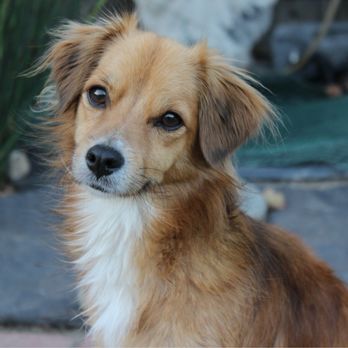
We had to put our 13 year old rescue, Rocco down as he suffered from severe congestive heart failure. It became obvious that he was within his final days, if not hours, and we didn't want to prolong his suffering any longer. We contacted Dr. Marchi's office in the morning and received a phone call back within the same hour. Everyone was very gentle and understanding throughout the entire process. We were able to get an appointment the same day as we requested. Dr. Nguyen continuously updated us through text regarding her arrival time and arrived within our scheduled appointment window. Dr Nguyen is amazing, she explained the entire process and made sure we were ready with each step. The entire process took about 15-20 minutes. We were so thankful we had Dr. Nguyen and were able to help Rocco pass at home surrounded by his entire family. Afterwards she took his paw print in clay, and gently placed him in the basket and blanket she brought. This is never an easy decision, but it was the right one in our case, and we will definitely be using Dr. Marchi's services again if the time does ever come to it. Thank you


Dr Nguyen arrived on time, was so soft spoken and kind and walked us through the whole process beforehand. She asked about how our Jackie came into our lives and our fondest memories. We were able to stay on our front lawn, which is where she decided to stay and have a peaceful rainbow bridge send off. I will recommend Dr Marchi and team to everyone. Thank you for making Jackie the Blind Panda's transition smooth and peaceful.


Dr Marchi was a referral from my childhood friend who has had to send a few of her pups over the rainbow bridge in the last ten years. My mother's 16 year old dog was her fur baby. She was not going to allow Moses to cross the rainbow bridge at the vets office. The process was surprisingly easy. Communication was through his assistants via text and I filled out the google docs and submitted the payment via Venmo (they accept pet insurance as well). It was so comforting to see how professional and compassionate Dr Marchi and his assistants were during our difficult time. I would highly recommend them to anyone who is (unfortunately) looking for a compassionate way of sending their beloved pets over the rainbow bridge.
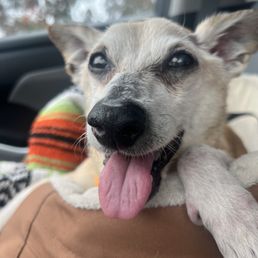

If you are here, you've come to the heartbreaking yet kind decision it's time for your pet to cross the Rainbow Bridge. My husband and I had a 17.5 year old guy named Charlie who was/is our everything. His health took a turn the last month and we decided it was time to explore in-home euthanasia. This decision is never easy and you won't ever be prepared but Dr. Marchi and his team make an impossible process much easier due to their kindness and compassion. The last three days before Charlie's passing we took him to his favorite places including the beach, park, took him on a drive listening to his favorite reggae songs, grandma's backyard and gave him all of his favorite foods. When we scheduled this tough decision, Kiana and Val were very responsive with all my questions. We shared our preferred time and date which they thankfully accommodated. We signed e-documents the morning of and submitted our Venmo payment making it easier not to have to do that during his passing. You have the option to do communal or non-communal cremation (we chose non-communal), an urn, engraving, ink nose print and clay paw print impressions. We did everything because we want to keep his presence around us - he made our place a home. When we were on Charlie's last walk, Dr. Marchi texted that he arrived and we introduced him to Charlie. This is and incredibly vulveranle and emotional process and we couldn't stop crying, but Dr. Marchi has such a softness that it didn't feel awkward. He asked us about Charlie and how long we've had him. He then explained the process and didn't rush us at all. He waited for us to give him the green light to proceed. Charlie sniffed him, his bag, then curled up on his bed on the floor where we sat next to him. Before any sedation was given, he fell into a deep sleep. He knew it was his time and even while his leg was buzzed and the first sedation shot was given, he didn't flinch. He fell asleep peacefully and began dreaming. Dr. Marchi said he was ready for the final step but let us say our goodbyes and told us to tell him when he was ready. We cried and pet and held Charlie then gave a nod we were as ready as we could be. Within a minute, Charlie passed peacefully in our home, in his favorite bed and surrounded by love. He took a clay paw print impression with his little paw right after. He grabbed a basket with a blanket and we covered him, we gave him a few more kisses and carried him to Dr. Marchi's car. As I write this, I'm still in disbelief but I will say if you find yourself at this point, choose Dr. Marchi and his team. Please know to proceed this way is a kindness to them and to stop their suffering although it feels absolutely crushing. I'm so sorry you are here but know that you deeply care and love your pet that really is family. Dr. Marchi and his team made this process so much easier. I contacted multiple other in-home euthanasia companies that seemed so cold in response, seemed inconvenienced by any questions or just a pure money grab that I couldn't proceed with. Trust your gut and look at the other reviews here. I truly don't wish anyone has to do this but if you do, find peace in knowing this team is absolutely kind and compassionate. Love.


1 month ago


6 months ago
Dr. Marchi was recommended to me by my vet at Primary Care Bixby Knolls when I was preparing for the possible passing of my 16 year old dog, TamTam. I ended up communicating with Amber through email and text, and she was honestly so kind and supportive the entire time. They respected my request to avoid phone calls, which I really appreciated because I just was not in the headspace for that. Amber was also incredibly responsive to every update I sent, whether it was texts, photos, or even videos of TamTam. I even shared photos of him when he was younger and of the rest of our pack, and she was so warm and engaging about all of it. It never felt transactional at all, which meant a lot during such a heavy time. We didn't end up needing their services since TamTam passed peacefully at home with us by his side, but talking to Amber genuinely helped me through the process. They also offer ScratchPay, which is helpful for those concerned about cost. I will always appreciate the empathy Amber showed us during such a difficult moment. read more


18 hours ago

This is one review you don't really want to write, but I feel it's required for the greater good. We unfortunately had to put our 15 year old Chihuahua down due to some declining health problems. She had always hated going to the Vet's Office so I promised myself when the time came that it wouldn't be in that environment, so we found the best alternative in Dr. Marchi. When the decision was made, I sent a text after hours and was able to get a response the next morning about scheduling the same day. He also does after hours which worked well for us. Dr. Marchi was very considerate and talked us through the whole process beforehand to let us know what to expect. He gave us the all remaining time we needed with her before he did his part which was quick and painless for our dog. He also took a paw print of her for our keepsake. Since we opted in for the cremation services, I did get a call by the end of the week that she was ready for pickup at the Crematorium located in LA and she's now at home with us. I would highly recommend this service, even though the price is more than doing so at the local vet's office. It was well worth it for us. read more


25 days ago

3 months ago
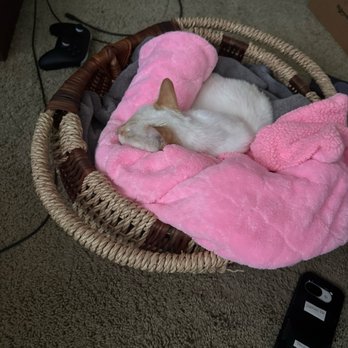
Kind & compassionate when it was needed. Professional but very nice. No one wants to need them but they are here for you when you do. read more

7 months ago
We made the best decision to help our cat Maggie cross the rainbow bridge at home. Our Maggie had cancer and her tumors were affecting her quality of life. A family member used and recommended this vet to us. We communicated through text and they were able to schedule us on the requested day and time. The process is seamless. Dr. Hall was amazing. She worked in a way that made us feel like it was just us and we had this whole moment to ourselves with our cat and she was just in the background. Yes, it is more expensive than the vets office. Money comes and goes! It was worth every dollar that we didn't have to stress our cat out by taking her in the car (hated car rides) and having her last moments in a strange and unfamiliar place. I wish we did this for our dog that we had to say goodbye to 2 years ago! They list the cost in their website so there are no surprises. Our Maggie went peacefully in our bedroom in my husband's arms and purred for us before she fell into her deep sleep. We took the clay paw impression and it was perfect. She was placed in a basked wrapped in a blanket. We will forever miss our Maggie! We chose private cremation and 3 days later her ashes are ready to come back home. If you're reading this because you are considering the service... do it. You'll never regret the cost. You'll only regret that you didn't if you chose not to. read more


3 months ago
Needed to put down old, battered friend. Buddy. Worked up courage and veterinarian arrived same day. Kind and patient. read more


1 month ago

6 months ago

11 months ago
We had to put our 13 year old rescue, Rocco down as he suffered from severe congestive heart failure. It became obvious that he was within his final days, if not hours, and we didn't want to prolong his suffering any longer. We contacted Dr. Marchi's office in the morning and received a phone call back within the same hour. Everyone was very gentle and understanding throughout the entire process. We were able to get an appointment the same day as we requested. Dr. Nguyen continuously updated us through text regarding her arrival time and arrived within our scheduled appointment window. Dr Nguyen is amazing, she explained the entire process and made sure we were ready with each step. The entire process took about 15-20 minutes. We were so thankful we had Dr. Nguyen and were able to help Rocco pass at home surrounded by his entire family. Afterwards she took his paw print in clay, and gently placed him in the basket and blanket she brought. This is never an easy decision, but it was the right one in our case, and we will definitely be using Dr. Marchi's services again if the time does ever come to it. Thank you read more

1 year ago
Dr Nguyen arrived on time, was so soft spoken and kind and walked us through the whole process beforehand. She asked about how our Jackie came into our lives and our fondest memories. We were able to stay on our front lawn, which is where she decided to stay and have a peaceful rainbow bridge send off. I will recommend Dr Marchi and team to everyone. Thank you for making Jackie the Blind Panda's transition smooth and peaceful. read more


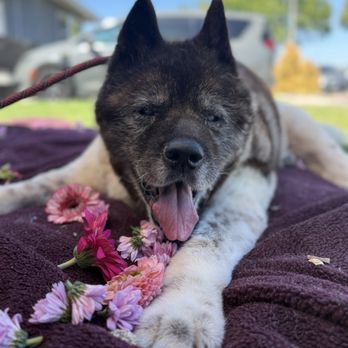


Dr Marchi was a referral from my childhood friend who has had to send a few of her pups over the rainbow bridge in the last ten years. My mother's 16 year old dog was her fur baby. She was not going to allow Moses to cross the rainbow bridge at the vets office. The process was surprisingly easy. Communication was through his assistants via text and I filled out the google docs and submitted the payment via Venmo (they accept pet insurance as well). It was so comforting to see how professional and compassionate Dr Marchi and his assistants were during our difficult time. I would highly recommend them to anyone who is (unfortunately) looking for a compassionate way of sending their beloved pets over the rainbow bridge. read more


1 year ago
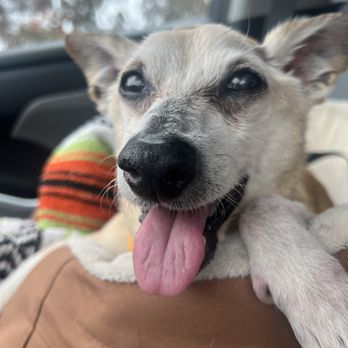
If you are here, you've come to the heartbreaking yet kind decision it's time for your pet to cross the Rainbow Bridge. My husband and I had a 17.5 year old guy named Charlie who was/is our everything. His health took a turn the last month and we decided it was time to explore in-home euthanasia. This decision is never easy and you won't ever be prepared but Dr. Marchi and his team make an impossible process much easier due to their kindness and compassion. The last three days before Charlie's passing we took him to his favorite places including the beach, park, took him on a drive listening to his favorite reggae songs, grandma's backyard and gave him all of his favorite foods. When we scheduled this tough decision, Kiana and Val were very responsive with all my questions. We shared our preferred time and date which they thankfully accommodated. We signed e-documents the morning of and submitted our Venmo payment making it easier not to have to do that during his passing. You have the option to do communal or non-communal cremation (we chose non-communal), an urn, engraving, ink nose print and clay paw print impressions. We did everything because we want to keep his presence around us - he made our place a home. When we were on Charlie's last walk, Dr. Marchi texted that he arrived and we introduced him to Charlie. This is and incredibly vulveranle and emotional process and we couldn't stop crying, but Dr. Marchi has such a softness that it didn't feel awkward. He asked us about Charlie and how long we've had him. He then explained the process and didn't rush us at all. He waited for us to give him the green light to proceed. Charlie sniffed him, his bag, then curled up on his bed on the floor where we sat next to him. Before any sedation was given, he fell into a deep sleep. He knew it was his time and even while his leg was buzzed and the first sedation shot was given, he didn't flinch. He fell asleep peacefully and began dreaming. Dr. Marchi said he was ready for the final step but let us say our goodbyes and told us to tell him when he was ready. We cried and pet and held Charlie then gave a nod we were as ready as we could be. Within a minute, Charlie passed peacefully in our home, in his favorite bed and surrounded by love. He took a clay paw print impression with his little paw right after. He grabbed a basket with a blanket and we covered him, we gave him a few more kisses and carried him to Dr. Marchi's car. As I write this, I'm still in disbelief but I will say if you find yourself at this point, choose Dr. Marchi and his team. Please know to proceed this way is a kindness to them and to stop their suffering although it feels absolutely crushing. I'm so sorry you are here but know that you deeply care and love your pet that really is family. Dr. Marchi and his team made this process so much easier. I contacted multiple other in-home euthanasia companies that seemed so cold in response, seemed inconvenienced by any questions or just a pure money grab that I couldn't proceed with. Trust your gut and look at the other reviews here. I truly don't wish anyone has to do this but if you do, find peace in knowing this team is absolutely kind and compassionate. Love. read more
1 month ago

2 months ago


5 months ago
11 months ago
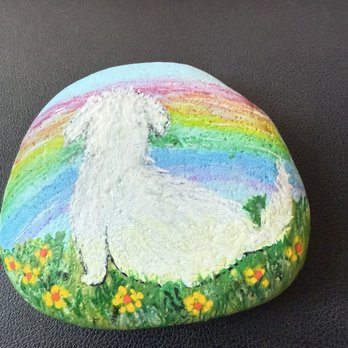
Our Leo came into our family July of 2011. He has been more than a pet to us. 5/2/25 was one of most painful day in my life. Every second & every minute on that day was filled with sadness & sorrow. With that said, I am so grateful for everyone that I have come to contact at Dr. Marchi. Val, thank you for your soothing voice and kindness over the phone with booking the most difficult appointment. Dr. Nguyen, thank you for your thoughtfulness and willingness to share your own experiences to ease our pains, not to mention your expertise and professionalism. Amber, thank you for your hug and kindness when you brought our baby home. Our baby has gone to the Rainbow Bridge, he is free of pain. We can't thank our dear Leo enough for bringing us so much joy, happiness & laughters on this Earth. I know he is doing just the same up & above. Grateful for Dr. Marchi's team for helping us to get our beloved there peacefully & graciously. read more

2 months ago
3 months ago

1 year ago
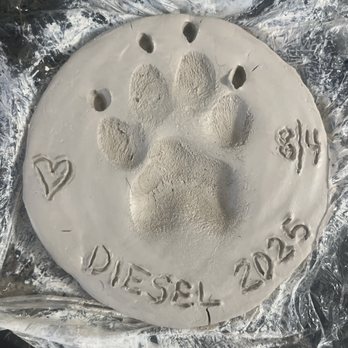
Dr. Marchi and his staff are all very loving and compassionate. From start to finish they showed great care for our beloved pet. He was very patient and allowed us as much time as we wanted to say our goodbyes. He explained everything and made the transition smooth and seamless. There was no judgement or criticism for our decision. Dr. Marci respected our decision and showed full support to my family. We will never forget your kindness and professionalism on this very sad day for us. read more

1 year ago
words can't express how much I appreciate Dr. Marchi and his team. Unfortunately we had to make the decision to put our beautiful little girl down over the weekend. Making the phone call wasn't easy the woman I spoke on the phone was very empathetic throughout the appointment process. I felt very informed after the phone call and prepared. The night Dr. Marchi visited us we felt so much empathy coming from Dr. Marchi he walked us through every step of the process he gave us the time with our little girl he was extremely gentle and handle our girl with so much care. Our little girl was ready to cross over the rainbow bridge. Again I can't thank enough Dr. Marchi and his team. In honor of Miss Pepper read more


2 years ago
Home euthanasia for my dog, Willow, was not what I thought or expected it to be. I chose Dr. Marchi because of all of the great reviews. Friends and family had shared their home euthanasia experience with me and it was nothing like mine. They did use other vets, not Dr. Marchi. Maybe he had to rush to be somewhere after our appointment, I don't know. The best way to describe it was it felt like a Notary arrived for signatures. Very impersonal, matter of fact, let's get this done and I'll be on my way... As he walked into our house I introduced him to our 2 dogs. He immediately sat on the coffee table and opened his briefcase. I saw containers in there and thought oh that's nice, he's going to give them some treats. No, instead, he filled a syringe with blue liquid. It really surprised me. We had not said anything other than introductions. I started to tell him about Willow, the abuse and horrible life she had before we adopted her. He literally cut me off and asked where did we want her to be. I said that we wanted her in her bed. My husband and I helped her off the couch and as we were trying to make her comfortable in her dog bed (he had been here less than 10 minutes, which included us paying him) he asked if I wanted the sedative through an IV or a needle under her skin. He was explaining the difference, but honestly, I was just thinking about the cheeseburger in the refrigerator that I planned to give her for her last treat. I laid down with Willow and right away Dr. Marchi put a tourniquet on her leg and inserted the IV. When I looked back and saw it, I said, "I have more time with her, right? " I didn't realize he actually started the sedative. He said, "Not really, I have to give her the euthanasia medicine before this wears off." What?!! I had just laid down with her, not even for 1 minute. I assumed I would have time with her before she was gone. I wanted to talk to her, hold her and look into her eyes. I didn't get that. He immediately walked out to his car and returned with the gurney. He asked us to assist him and we carried her to the back of his car. That was it. I think I was in a state of shock because it all happened so fast. I followed his lead and didn't speak up, which I deeply regret. I did read the euthanasia procedure prior on their website so I was aware of what to expect. I scheduled home euthanasia assuming we would celebrate her life a little bit before ending it. RIP my precious girl. You were so incredibly loved and deserved so much more on your last day. read more


Business owner information

Joseph M.
First and foremost, I want to sincerely thank you for welcoming me…
6 months ago
1 year ago
I am so sorry that you are in this position of finding the best way to say goodbye to your pet. We helped our 14.5 year old Skippy cross the rainbow bridge a week ago with Dr Nguyen, and we could not have been more pleased. We wanted to make an appointment a week out so our daughter could come home and be with us. Unlike another veterinarian we called who said we had to call 1-2 days in advance, we were able to schedule an appointment with a two hour window. This worked best for us. All communication was done by email because it was too difficult for me to talk. Val was very responsive and very kind. Just from the email interaction with Val, she set the stage and I knew we were in good hands. We were sobbing when Dr Nguyen arrived, but she has a very calming affect which made us all feel very at ease. She made sure we were ready and then had me hold Skippy. We had a Starbucks pup cup ready for him so that he wouldn't feel the first injection to make him feel sleepy. Dr Nguyen was so gentle and Skippy was so engaged with his pup cup that he didn't seem to feel a thing. He started snoring in my arms immediately. Dr Nguyễn left the room to give us a minute. We all said our final goodbyes telling Skippy that he was a good boy and that we loved him and thanked him for loving us. Dr Nguyen came back in and asked if we were ready for the second injection. We were so thankful to be with Skippy to hear him take his final breath. Dr Nguyen took a paw print and then wrapped him up in a blanket and took him. A week later, we received a call from the aftercare service they use (Thank you to West Coast Memorial Services!) that Skippy was ready to come home. I highly recommend this service- the entire process could not have been smoother. read more

4 months ago

This past Friday my dad had his goldendoodle put down. He was 13 years old and such a great dog. My dad and his wife got him when he was a puppy. My dad's wife passed two years ago so that made the decision to put their dog down far harder. The one thing my dad knew was he really wanted to do this at home. I didn't even know that was an option. He called around numerous places and they were all much more expensive than Dr Marchi. Dr. Marchi arrived within the time frame he gave my dad. It was mostly family in attendance at my dad's house with the exception of the local mailman. That's how much everyone loved my dad's dog. Even the local mailman showed up. Dr. Marchi was very soft spoken and comforting to everyone. He explained the process and really made everyone feel that everything was going to be ok. I really do feel that his way of being so professional and soft spoken really helped my dad through the process. The entire process went as well as could be expected. My dad's dog passed peacefully with family around. This was absolutely the way to do things. This is never an easy thing for anyone but this was by far the most peaceful way I've seen a pet pass away. I really do feel that this is the best way to have your pet put down if you can afford it. Like I said, he's very reasonable compared to other people that do these in home services but it's still pricier than going to a vet. No family pet should pass away stressed out in a vet's sterile office. read more


2 years ago
I communicated with Dr. Marchi the day before I had to say goodbye to my little cat Natalie. The text responses came very soon and explained the information for at home euthanasia well, and I was able to schedule an appointment for next day, and a time window for arrival was agreed upon. The forms are easily sent and filled out over email but information can also be provided over the phone. The next morning, after a follow up email that he would arrive in 40 min., the Dr. arrived promptly, and sat down and gently and compassionately explained the procedure to end Natalie's suffering. He had a warm, and empathetic manner which helped put us at ease. He gave us ample time to say goodbyes and more before and after the sedative, before giving the final medication. We were never hurried, and he helped minimize the pain of losing my brave, 12 year old kitty daughter. Thank you, Dr. Marchi. The teacher discount and the free paw print are very much appreciated too. read more


1 year ago
I could not have had a better experience on 4/20/25. It took a couple months to write this as it's so painful. All the staff was so supportive during this very difficult time. My beautiful Shiba Inu "Yuki" was well taken care of. The process with Dr. Nguyen was very peaceful(She was great). Amber was wonderful communicating the process and keeping me updated. I recommend Dr. Marchi Pet Euthanasia at Home to anyone in need of this service. They are the Best! read more


2 years ago
Nobody ever wants to go through this but the staff were very kind and made me feel comfortable. They explained the process to me in a gentle way. They were available the day my baby was ready to cross the rainbow bridge. They kept me updated with the vet's estimated time of arrival. The vet (shame that I forget her name) was very calm, kind and made my husband and I very relaxed. She took her time with us, she explained everything she was doing, she asked before advancing to the next steps. I would say the only awkward moment was by dog had passed, the vet confirmed her death, and then asked for payment. She didn't ask for payment immediately after but honestly I don't know if there is a better way to collect payment but maybe that could be explored or maybe it was intentional to take my mind away from the grief for a moment. When we picked up my baby's remains they had her wrapped (we purchased an urn through a different company) beautifully with some lavender and a military type dog tag they said traveled with her from her time of death through the cremation. Overall it was a good experience given the circumstances. If I ever need their services again I would definitely do it. read more


8 months ago

1 year ago

1 year ago

1 year ago
4 months ago
Business owner information
Joseph M.
I am very sorry that you had a negative experience with our service.…
Page 1 of 11
More info about Dr Marchi - Pet Euthanasia at Home
Ask the Community - Dr Marchi - Pet Euthanasia at Home
I have an 85 LB pit bull with cerebellum ataxia- I believe he is rapidly declining. Is that too large a pet for your service?
They can help! You can call them for a consultation, and they will discuss all the details. Our labrador was 70 pounds. Dr. Marchi was very calm and caring.
Cost? And, do you dispose of animal?
All pricing is listed on my website at www.DrMarchi.com . We do work with a cremation company and can take them with us afterwards. Ashes can be returned as well.
Review Highlights - Dr Marchi - Pet Euthanasia at Home



Why does Yelp recommend reviews?
14 reviews that are not currently recommended
The reviews below are not factored into the business's overall star rating.

6 years ago

1 year ago

2 years ago
8 years ago
1 year ago
8 years ago

7 years ago

9 years ago

9 years ago
6 years ago
5 years ago
9 years ago

8 years ago

3 years ago


