Community Transit Photos



You might also consider


More like Community Transit
Recommended Reviews - Community Transit
Start your review...



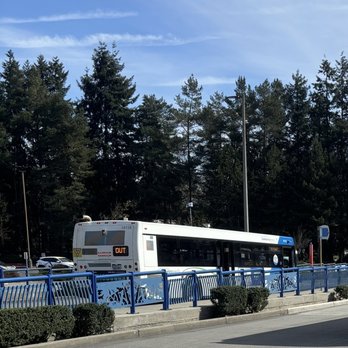
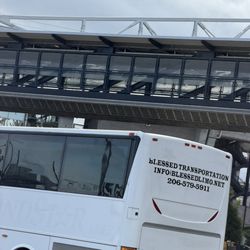
With the 1 Line extending to Lynnwood, I am exploring nearby areas more than ever before. The northern stations from Shoreline on are serviced by Community Transit. The Swift bus routes are equivalent to King County Metro's RapidRide bus services as they make limited stops, which allows for quicker and more frequent service. Having taken them on weekends, they usually run on schedule though I did experience one instance of a long delay. As for regular bus services, I thought they were decent. Buses seem cleaner than the Metro ones. Though there is less frequent service on weekends so buses run every half hour or once a hour so checking the timetable is important for catching one. Overall, I am satisfied with Community Transit's bus services connecting to the 1 Line as they are well-timed and run on time mostly. read more



9 months ago

1 year ago

4 years ago
2 years ago
3 years ago

5 years ago

4 years ago

4 years ago

6 years ago
4 years ago
4 years ago

7 years ago
4 years ago

8 years ago


16 years ago

7 years ago

12 years ago

9 years ago
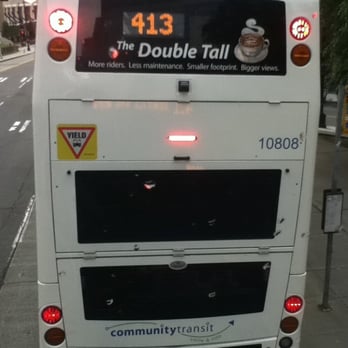
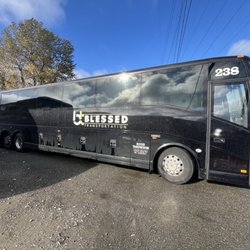
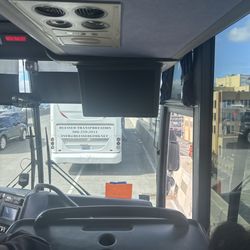
In regards to commuting, I'm grateful for two things...Community Transit and that I don't have to commute on the weekends. Community Transit serves it's commuters with clean and comfortable buses with plenty of service in and out of downtown Seattle on the weekdays during typical peak times. However, if you're an unfortunate soul who works on the weekends, you're jacked. Due to budget cuts, weekend service is extremely limited or non-existent. Note: Something unique about Community Transit is there double-decker bus. On certain routes, one can take a "double tall" bus, thus adding to the appeal of taking a bus to work. Their tagline: The Double Tall More riders. Less maintenance. Smaller footprint. Bigger views. I certainly don't disagree. They are basically the limo of public transportation. For the SUV drivers of the world, you get to sit higher than everyone else on the road. There are air vents above each row all the way down the aisle so there's constant air-flow. There's a push button for stops instead of yankin' on a chord. The seats are comfy due to newer well built cushions that have padding in all the right places. The only issue I see with the seats at this point is the seats have a button to recline the seat, but don't have a release button to move the aisle seat away from the window seat like some of the other CT buses. By the way, what's up with allowing seats to recline on a bus? And what's up with the riders who actually put them to use? There's already a lack of leg room, even on the limo of public transportation. read more


14 years ago
5 years ago
6 years ago

8 years ago
6 years ago

17 years ago
10 years ago
7 years ago

15 years ago

13 years ago

11 years ago

16 years ago
8 years ago

11 years ago
11 years ago
11 years ago
9 years ago
Page 1 of 2
More info about Community Transit
2312 W Casino Rd
Everett, WA 98204
Directions
(425) 353-7433
Call Now
Visit Website
https://www.communitytransit.org
Hours
Other Amenities
From the Business
Ask the Community - Community Transit
Review Highlights - Community Transit
You might also consider


















Why does Yelp recommend reviews?
9 reviews that are not currently recommended
The reviews below are not factored into the business's overall star rating.
13 years ago
5 years ago

15 years ago
5 years ago

4 years ago
7 years ago
6 years ago
8 years ago

5 years ago





