Celebrity Flora Photos


You might also consider


More like Celebrity Flora
Recommended Reviews - Celebrity Flora
Start your review...



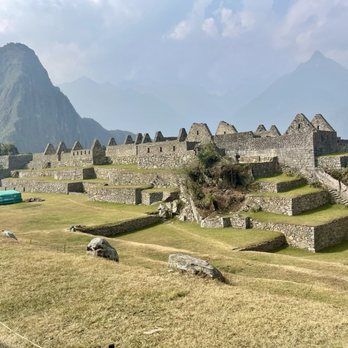
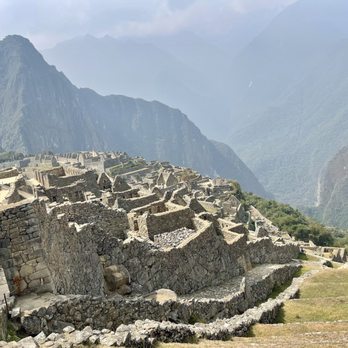
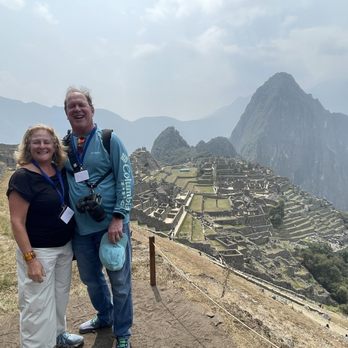
The Celebrity cruise line arranged our visit to Machu Picchu. Daily only 4,100 visitors are allowed into the 15th century "Lost City of the Incas", 8,000 feet above sea level. We had fascinating English speaking local guides that broke us into groups of twelve to present us with background information , tours, personal stories and invaluable information about the sacred valley, Inca Empire and arrival of the Spaniards. Machu Picchu is 1 of 14 Peruvian Historic Sites, a UNESCO World Heritage Site & in 2007, was voted one of the new 7 Wonders of the World. Pottery excavated at Machu Picchu has been dated over 1000 years old, prior to the Inca's. The names of the buildings, their supposed uses, and their inhabitants, are the product of modern archaeology based on physical evidence. The tombs at the site were built in the classical Inca style, with polished dry-stone walls, locked together like Legos. The 3 primary structures are the Temple of the Sun, the Temple of the Three Windows, and the Intihuatana. From 1929 to 1971, Machu Picchu underwent extensive restoration and conservation work, including structural stabilization & artifact excavation. Archaeologists believe Machu Picchu was constructed as an estate for the Inca emperor Pachacuti from 1438 until 1472. The Inca's built the estate around 1450 but abandoned it a century later, when the Spanish conquered. According to the new radiocarbon dating, it was occupied from about 1420-1532. Historical research published in 2022 claims that the site was probably called Huayna Picchu by the Inca's themselves, as it exists on the smaller peak with the same name. Current excavations are taking place in 2 different sites. The hotel is closed and will become the new Machu Picchu Museum documenting its history & found artifacts. We climbed up site, one for endless views above Machu Picchu. We walked along many of the man-made terraces that were engineered with good drainage, fertile soil that were well protected. We spotted where hundreds of years later there was a landslide. I understand that approximately 750 Inca's lived here, farming about 12 acres of mostly corn & potatoes. Once they had enough food, they built their strength and became warriors. Those in high status lived inside the Empire. The workers and the peasants commuted by foot daily to work. If they were good workers, they could move up the hierarchy. Bingham, from Yale University, arrived in 1909, the ruins were covered by vegetation but the terraces were visible so he couldn't observe the extent of the site. He took preliminary notes, measurements, and photographs, noting the fine quality of Inca stonework at several principal buildings. His photos are visible inside the sanctuary restaurant on site. His works were published and shown to the world via National Geographic. There are two ways to get to Machu Picchu either by train or by foot . We saw colorful tents with climbers and their porters; spending at least three days getting to the site. We went up on the Vista train with snacks and a fashion show and came down on the Bingham train with a live band, Bar, white tablecloths and three course dinner. Our day started at 6 AM and ended at 10 PM. Breathing at the high altitude was difficult, we had smoke from Bolivian fires, and the grounds were very dry and dusty. We spent four days in the Sacred Valley visiting the holiest site of the Incas and seeing the Spanish church that was built above. Explained were the ways the Spanish conquers converted the Inca's to Christianity. We went to the main square surrounded by a cathedral, churches, restaurants and shops. We stayed in the monastery hotel, and explored all around town, visiting shops and restaurants. The hotel provided a daily lavish champagne breakfast buffet, opera, dinners, art tours, and magnificent grounds. read more