
Casa de Montecristo
Casa de Montecristo Photos


CASA DE MONTECRISTO ATMOSPHERE


You might also consider


More like Casa de Montecristo
Recommended Reviews - Casa de Montecristo
Start your review...

Reviews With Photos
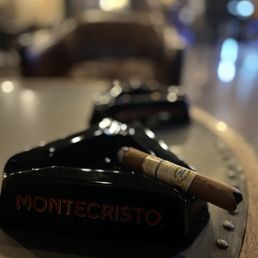

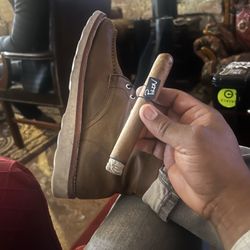
Ordered: Romeo y Julieta 1875 Nicaragua Connecticut (~$10) Aya's take: I don't know the first thing about cigars but we found ourselves here to unwind before heading back. After speaking with the worker there, we got the Romeo y Julieta 1875 Nicaragua Connecticut which is supposed to have a smooth and mild flavor profile along with being creamy with subtle hints of spice and sweetness. Although I didn't really enjoy smoking the cigar (I guess it's not for me...yet), it did have a crisp & clean finish. They have tons of cigars to choose from making this a great spot for new or casual cigar smokers!


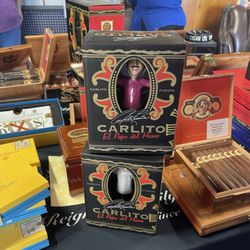
Great place for cigars Location is convenient with plenty of parking Humidor is huge- great selection with so many options The service from the young lady was the best The lounge is enormous Definitely a go to for a relaxing time and smooth stick


Came to see my brother and the aura was comfortable. One of the BEST Old Fashions I've had in Dallas. Thank you Nikki.


3 months ago

26 days ago
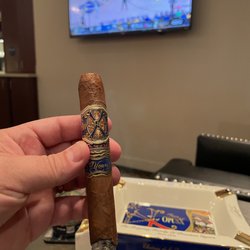
This is a great cigar lounge with lots of seating and ventilation. I like the open space and huge humidor. There are so many cigars to choose from! They have all the main brands of course so I smoked a Padron 90th in natural for only $26! I smoked at the bar while having a triple espresso and sparkling water. The cigar was a bit spicy but had incredible smoke output. The bartender yesterday was super cool and we had some pretty good conversation. The bartender yesterday is fully stocked as well. I highly recommend this lounge! read more


1 month ago

Ordered: Romeo y Julieta 1875 Nicaragua Connecticut (~$10) Aya's take: I don't know the first thing about cigars but we found ourselves here to unwind before heading back. After speaking with the worker there, we got the Romeo y Julieta 1875 Nicaragua Connecticut which is supposed to have a smooth and mild flavor profile along with being creamy with subtle hints of spice and sweetness. Although I didn't really enjoy smoking the cigar (I guess it's not for me...yet), it did have a crisp & clean finish. They have tons of cigars to choose from making this a great spot for new or casual cigar smokers! read more


4 months ago

5 months ago

2 years ago
Great place for cigars Location is convenient with plenty of parking Humidor is huge- great selection with so many options The service from the young lady was the best The lounge is enormous Definitely a go to for a relaxing time and smooth stick read more

5 months ago


2 years ago

2 years ago
Came to see my brother and the aura was comfortable. One of the BEST Old Fashions I've had in Dallas. Thank you Nikki. read more


10 months ago
7 months ago

2 years ago

1 year ago

2 years ago
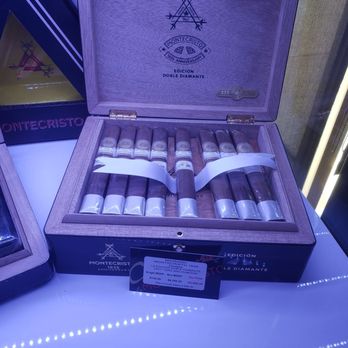
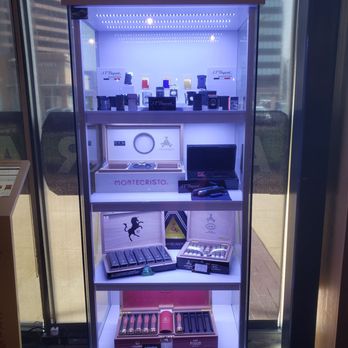
Spacious cigar lounge with quite a selection of cigars. I bought a pretty unique/rare cigar and thoroughly enjoyed it which was recommend by an employee. I had to do a good scotch with it so did the Macallan Harmony collection. Everyone in here seemed to keep to themselves and had their own groups to chill with and lost of single individuals including myself just enjoying a cigar by themselves. Definitely a place to check out if you in Dallas. read more





1 year ago
1 year ago
1 year ago

2 years ago

2 years ago

2 years ago
1 year ago
2 years ago
Great humidor and selection. Got an H Upmann Barber Poll. Picked up a few sticks for the road as well. read more

2 years ago
1 year ago
1 year ago


4 years ago


2 years ago

1 year ago

3 years ago
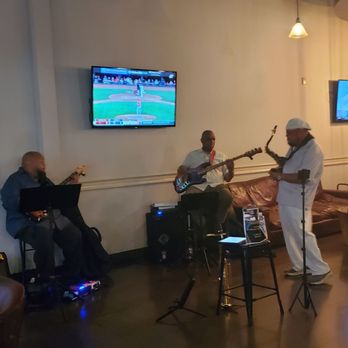
Nice Cigar lounge with live music on certain days of the week. Free parking lot. Cocktails were pretty good. Has CAVA and Tom thumb near by if you want to eat somewhere. Comfortable seats and adequate sound level to still conversate with others. Nice for cigar smokers. Not a place for families. read more


4 years ago
2 years ago
2 years ago
2 years ago


3 years ago
Page 1 of 4
More info about Casa de Montecristo
3878 Oak Lawn Ave
Ste 350
Dallas, TX 75219
Directions
(214) 256-4818
Call Now
Visit Website
https://www.casademontecristo.com
Hours
Payment methods
Food & Alcohol
Services
Indoor Amenities
Outdoor Amenities
Other Amenities
Ask the Community - Casa de Montecristo
Review Highlights - Casa de Montecristo
You might also consider



























Why does Yelp recommend reviews?
10 reviews that are not currently recommended
The reviews below are not factored into the business's overall star rating.
2 years ago
10 years ago
2 years ago

10 years ago
2 years ago
5 years ago

4 years ago
2 years ago

6 years ago
10 years ago


