Bruce's Beach Photos


You might also consider


More like Bruce's Beach
Recommended Reviews - Bruce's Beach
Start your review...


Reviews With Photos


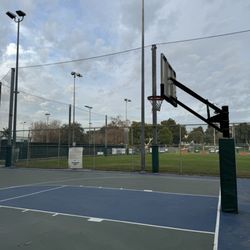
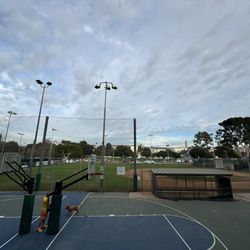
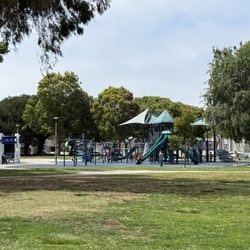
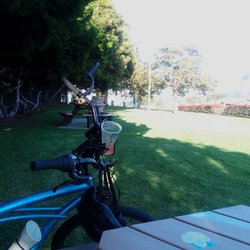
This was a very clean and peaceful park. There's parking surrounding the park but it was full even at 6:30am. It's located across from the Strand in Manhattan Beach where there is a lifeguard station with a public parking lot with meters. There's also a couple of basketball hoops. Dogs are allowed on the grass in the lower part of the park. On the upper level, there's benches to enjoy the lovely view of the beach (where dogs are not allowed). I would definitely come back to visit and bring a snack to have a picnic on the beautiful lawn.


Bruce's Beach is a historic landmark and a popular gathering spot for those looking for a getaway in the beach cities. The area features controlled parking and offers stunning vistas. You can relax on the grassy knoll or head down to the beach. No matter where you are in the Bruce's Beach area, you'll find yourself in a beautiful oasis.


People like to throw their parties here and not clean up after themselves... Used to be lovely neighborhood park. Trash bins are always beyond capacity.


So not sure if everyone know the story of this plot of land. It originally belonged to Willa and Charles Bruce in 1912. It was a thriving resort run by African Americans and was taken from them by eminent domain by city counsel. After the land sat vacant for many years a park and a life guard station were placed on the property. In 2006 the city named the park Bruce Beach. It is a beautiful piece of land in Manhattan Beach directly across for the ocean. Fast forward to 2021. The decedents of the Bruce family have been awarded seventy four million dollars for property that was illegally taken. A right to a grievous wrong. It is a truly quaint little place to relax and watch the ocean and appreciate nature.


A major vibe!! Plus, everyone else visiting was chill and stayed to themselves. Which is a good thing when you're coming for some peace of mind. Bruce's Beach is definitely now my new favorite beach! Just be sure to make time to find parking. It gets crowded on the weekend


A nice beach, not too crowded with good sand and lots to watch: surfers, sail boats, sand volleyball and happy families. Parking is available but close in gets filled in pretty quickly. Beach kept clean, bicycling trail on inland border and lots of nearby restaurants and bars.


Enjoyed the last Sunday of Black History Month 2022 at Bruce's Beach. Brought my blanket, snacks and enjoyed the good vibes from lively crowd just before sunset. The view of the water from the grassy knoll of Bruce's Beach is breathtaking. So happy the Bruce's have had their land returned to their family - legacy!


Oh my God I love this park I love it because it has the ground like little mountain, it's very beautiful because it also have just the perfect view to the beach me and my sister like to go and work out and is very beautiful and calm. Perfect for a picnics or just to have a wonderful peaceful nap. I cannot wait to go back.


The history of Bruce'a beach is quite fascinating. It's amazing to see that the governor has given the land back to the original owners. This park has a great view of the crystal clear ocean and clean beaches. I recommend this as an outdoor spot to practice yoga since the wind pushes east. I love the San Francisco shaped hills and the children taking advantage of them.


18 years ago
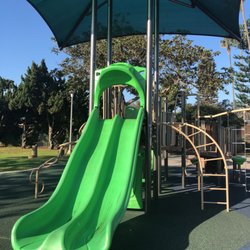
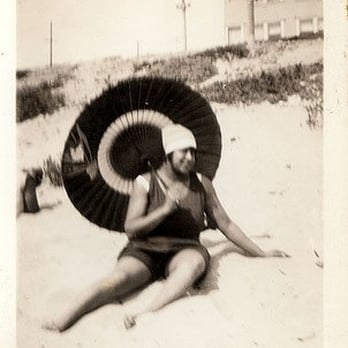
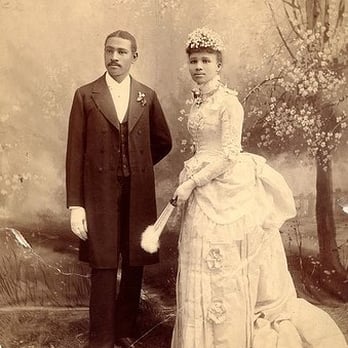
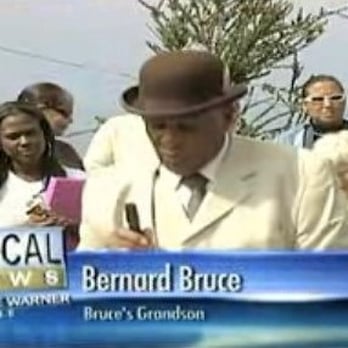
First of all, the park is awesome. Grassy area with some basketball courts overlooking the beach. A great place to have a picnic or take a rest on a bike ride. Check it out-it rocks. Enough said about that. But how many times have I ridden past Bruce's Beach, formerly known as Parque Culiacan, and earlier as City Park and Bayview Terrace, and said to myself, "What the heck is this park doing here? It's surrounded by apartments and condos, why did they not keep building here? Did something burn down that the original owner couldn't afford to pay for?" Don't get me wrong-I love parks...but I've always felt that Bruce's Beach looks like it was never intended to be there, like it was something else and was made into a park. One rainy day earlier this week on a bus ride to work I got my answer. An elderly woman sitting next to me who had lived in Manhattan Beach her whole life told me the story of "Bruce's Beach" and how the KKK and eventually the City got rid of an entire African American Community in 1924. The bus driver confirmed this statement. I found it hard to believe so I jumped on the internet. There I found many links including one yelp thread from Cheri A about Bruce's Beach http://www.yelp.com/topic/beverly-hills-bruce-s-beach-in-manhattan-beach and one Wikipedia article http://wikimapia.org/2889867/Bruce-s-Beach-City-Park Bruce's Beach was one of the few beaches in Southern California in the early 1900s that was not off-limits to African Americans.(What?not everyone could go to the beach???) Developer George Peck established the area in 1912 as a beach for African Americans, which was so against the conventional wisdom of the time, when most beaches in Southern California were white only beaches. In 1912 Mrs. Willa Bruce bought one of the first lots on George Peck's site and began to establish a beach resort for African Americans. The local Manhattan Beach Community reacted to the Bruce's arrival with disapproval to say the least. The KKK often harassed African American beach goers, burnt crosses on their property and the Manhattan Beach City Council began to push for the Bruce's removal from the city. Indeed, if you were an African American and you were seen at Manhattan Pier at night, you risked getting arrested or worse. The city eventually declared eminent domain and paid the Bruces $14,500 to leave Manhattan Beach-an amount well below market value. (This left Mrs. Bruce financially ruined.) After the Bruce's left their beach, the cottages were burned to the ground (the KKK actually had tried to burn them to the ground when the Bruces still lived there.) The city then tried to build a whites only resort but the NAACP intervened and fearing negative publicity, the city backed down. For years from the 1930's to the early 1960's the area was just an unused sand dune, a constant desolate reminder of an unresolved past. By 1962 though, the city took a renewed interest in the area calling it Bayview Terrace and a park was built. Later it became known as Parque Culiacan, after Manhattan Beach's sister city in Mexico. By 2006 a renewed interest in the park's roots began to emerge and the Manhattan Beach City Council was forced to dig into the city's not so pretty past. The Council renamed the park 'Bruce's Beach' and eventually celebrated this change in a ceremony on March 31st, 2007 http://www.youtube.com/watch?v=yMDWxDtwE1s . Many have suggested that Interpretive panels and public art should faithfully, completely, and accurately celebrate the proud legacy of Bruce's Beach and African-American Los Angeles so that all who visit it can learn of it's past. Seems to be a reasonable request to me. (I wonder, do the kids of Mira Costa High learn about the history of Bruce's Beach in their History classes?) The City of Manhattan Beach has declared that "Friendship, goodwill, and respect for all begins within our own boundries and extends to the world community." If that is truly the case, why not just give the property back from who they took it from, or at the very least make a better effort to communicate the Park's history and culture? read more




9 years ago
This little park has such a great design for viewing the beach ! The terraced grassy hillside with clean concrete benches was a lovely place to sit and relax today while retreating from my busy life. read more


12 years ago

8 years ago


6 years ago

13 years ago
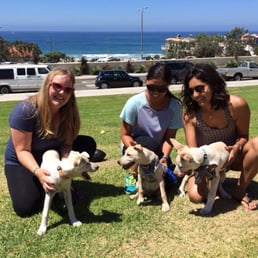
It's a nice area but overall I'm pissed. Why? BECAUSE ITS NOT A FUCKING BEACH. Sure it's just a short walk from the beach. You can see it in the picture I added. But it's not a beach. It's just a grass area with a few basketball goals. I was hoping for a dog friendly beach. And this said it was a beach and dog friendly. But it's not. The grass area is called Bruce's beach. The actual beach is manhattan state beach or city of manhattan beach or something like that. Fuckin' bullshit. read more


5 years ago

11 years ago

12 years ago


15 years ago


10 years ago
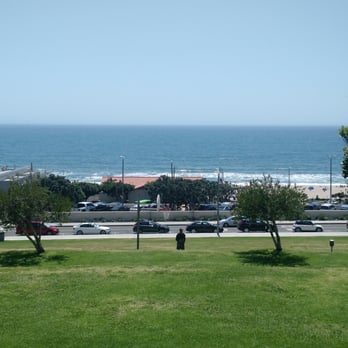
A nice little park in Manhattan Beach! It's got a few basketball hoops(the court is not regulation size) and little hills with benches and trees that provide shade and a great shot of the great pacific ocean! It's a perfect spot if you want to relax by the beach without the sand getting all over you. Also can be a bit of a challenge since they only have a two small parking spots and street parking if you're there early! Have fun! read more

11 years ago

9 years ago

18 years ago

17 years ago

13 years ago

18 years ago

14 years ago

10 years ago

10 years ago

10 years ago
12 years ago
11 years ago
Page 2 of 2