
Aloha Waffle Bar
Order Aloha Waffle Bar Takeout or Delivery
Aloha Waffle Bar Photos


Business Info




ALOHA WAFFLE BAR ATMOSPHERE


You might also consider


More like Aloha Waffle Bar
Recommended Reviews - Aloha Waffle Bar
Start your review...

Reviews With Photos
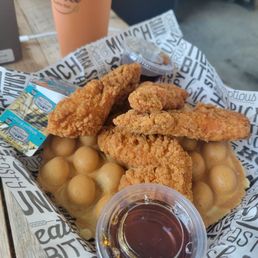

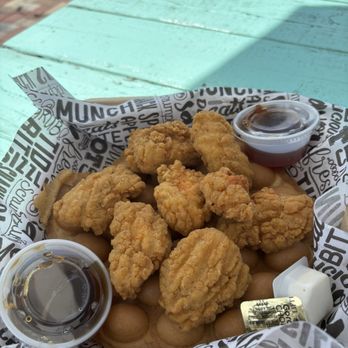
Super chill spot to get some work done or to just hang out with friends while you eat. The wifi is pretty good and certain tables have outlet access. And they have some games out. Plus, there's actually so much seating, especially outside in the back. The workers are super friendly, explaining the menu if it's your first time, and helping bus tables even though we were sitting near the trash can. And the food was really good. We got the chicken n waffles. I was a little underwhelmed at first when it came out because it seemed very unassembled. But I didn't mind too much, I was able to do it to my liking. The waffle and chicken were both so crispy and warm, even after being dowsed in the butter and syrup. The butter was a little too cold and hard to spread at first but once you let it sit for a while, you're all good to go. And the chicken to waffle proportion was perfect. I also got the iced caramel butter toffee latte and it was sooo good. Apparently all of the coffee is imported from Hawaii! But yeah it was really sweet which I love, but the coffee flavor was still very prevalent. The thai tea was good, but didn't necessarily taste like authentic Thai tea. Idk maybe I just liked it because it was sweet.


Time to get a slice of island paradise and ordered the Mango smoothie and it was so creamy and delicious, just the right sweetness as well with the Boba. The Nashville Hot Chicken Stack was very good-the flavor and spices was well-mixed with the waffle and I ate every piece. Mahalo to Cane and Sara for the hospitable service! Remember that all orders does take a bit of time, and it is so worth it and do chill with a drink or 2 of their Hawaiian-made coffees while you are on island time here :)


The food was good here! But honestly the wait time was about an hour with maybe 5 patrons ahead of us. Definitely not worth waiting so long. Too many good spots in Jax to even think about going back :/ I'm sorry. Visit date: January 17


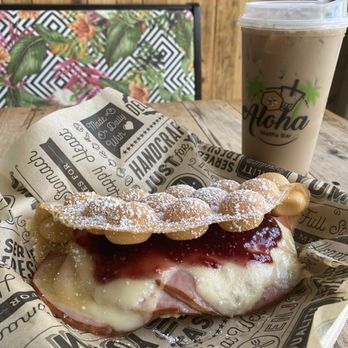
Mahalo! I had to come back with my mom! We enjoyed our orders, the casual atmosphere, available games to play, the friendly and helpful service of the team, and the waffles. We ordered the Chicken and Waffle for my brother (pictured) and got into our own food before I remembered to get a snap shot! It was so inviting that I totally forgot! It's a great place for ohana (family).


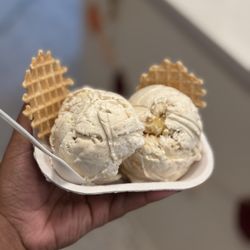
Hats off to this intimate space for delightful treats. The food was so good and I loved that I could either add to or remove certain things from my waffle. The portion size is definitely shareable! After seeing and eating my waffle, I instantly regretted not taking advantage of this place prior. The ice cream spoke for itself. After living in Hawaii for seven years I only wished the place played island music to truly give the Aloha welcoming it deserved. The service time was reasonable being that they are providing fresh items with the waffle and shakes being made to order. Music and pleasant smiles from the staff to match the Aloha atmosphere would be my only requests. Other than that, this has been a grade A service and I will be returning!
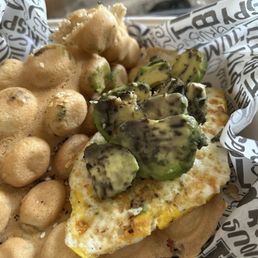
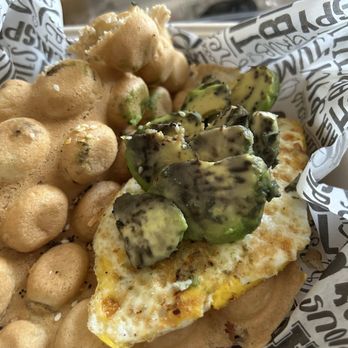
Rotting avocado in my avocado egg bubble waffle. Extremely disappointed with the service as we ordered ahead of time online, arrived ~20 minutes later and still had to wait another 20 minutes. Total wait time was 40 minutes for our food, only to receive black and unfresh avocado in my order. It was clear the avocado they put was just sitting out the entire day. Absolutely unacceptable
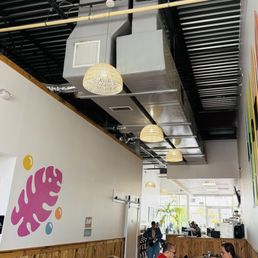

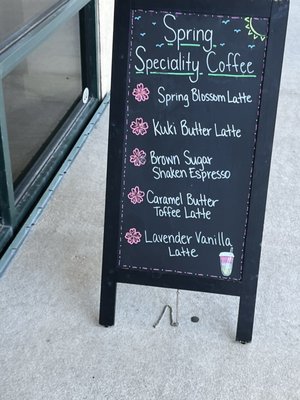
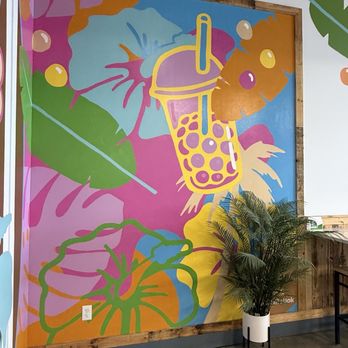
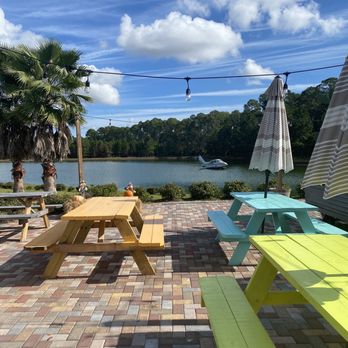
Welcoming, bright, & fun atmosphere! A great place to bring families. Back patio overlooks a pond with a giant airplane floating in it. They've all kinds of coffee drinks, boba & specialty flavored teas, wonderful savory & sweet food choices, & even veg-friendly options! (As a veg-head, I greatly appreciate this ) The food portions are larger than I thought they'd be. We got a few different things to try... Kuki Butter Latte- coffee is truly bright & flavorful. The sweet cream foam adds the perfect amount of sweetness to top off the caramel drizzle & crushed cookies in the cup. Deviled Egg waffle- now you *know* I had to add avocado to this. It wasn't exactly what I expected. I thought it was going to be more of an egg salad situation & not just sliced pieces of egg. Still flavorful. The spicy mayo isn't as spicy as I thought it was going to be as well. Definitely a "knife & fork" style of eating on this one. Grilled Cheez It, Brah waffle- cheese pull 9/10! A couple of different savory cheeses in this one perfectly pair with the crisp exterior & light sweetness of the waffle. LOVED this! Chicken Sammie waffle- (described by my hubby, as I am a vegetarian & cannot eat this) fried chicken patty is moist, the right amount of thickness, & flavorful. Mayo, pickles, lettuce, & cheddar cheese ratios make this sandwich rather delightful. All in all... great food. Amazing portions for the prices. Healthy, clean options. If you're looking for FAST... this may not be the place for you. In my opinion, no food made quickly ever tasted as good as that which took a little more time. We will definitely be coming back


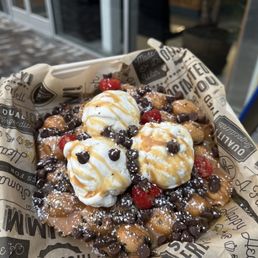
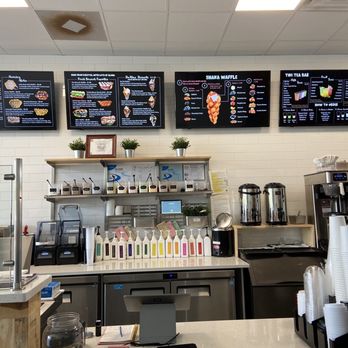
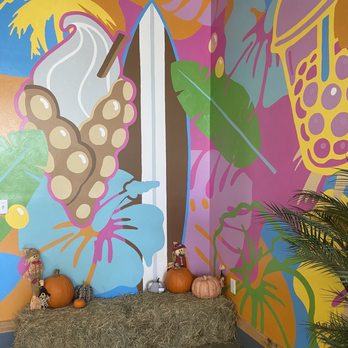
Walked in cute decor and ambiance. Friendly staff everyone welcomed us. You can order using the kiosk or at the counter. We ordered the BLT waffle which was a waffle with bacon bits in it folded in half filled with bacon, lettuce, tomato and a bacon aioli. Also ordered the chicken and waffles, which was chicken with basically chicken nuggets but a decent value. Also got the Aloha waffle which was strawberries, blueberries and raspberries on Ube and normal marbled waffle with whipped cream and a side of vanilla ice cream and a small side of chocolate drizzle. I absolutely loved the flavor and freshness of my BLT waffle very bacony ! Also the fruit waffle was delicious and stuffed with the fresh fruit! The chicken was freshly fried and hot! We made them combos with drink and bags of chips I would probably skip that next time. I would return for another visit.


Quick and friendly staff took our order and suggested some items for our first time here. Didnt see a kids menu (unless Im blind) Loved they have table games to play while you wait for food. We ate outside (there are ducks) because the weather was nice. Husband got the Nashville Hot and said the spice was well balanced. I got the avocado toast and the waffle was an interesting (in a good way) mix of bacon, everything bagel seasoning, and sweet. All in all a great spot! Be advised, call in your order if youre in a rush, otherwise enjoy the island time!


What an absolutely adorable place, serving some unique food and drinks. I love that you could place an order online, and it's ready for pickup. The customer service was amazing! I placed an order for the breakfast waffle. This was my first time having the bubble waffle. I ordered it with avocado, an egg, and requested the Nashcille hot sauce. The employee wrote a sweet message saying, "Because I chose not to get any meat, they added an extra egg at no cost." How cool is that! Thank you so much! It is a very large serving, larger than I thought it was going to be. I was thinking it was going to be more like a handheld sandwich, kind of like a little mini english muffin or something like that, but it was very large. I had to use a knife and fork to eat it. So it's not something you can enjoy while driving if you're limited on time. It was neatly packaged and a beautiful presentation with fresh ingredients. I do prefer more savory spicy food, so the waffle was a little sweet to me. The hot sauce was a great addition, and I got it to the flavor that I enjoyed. I had the rose vanilla iced coffee. Oh my gosh, some of the best coffee I've had. It was so smooth and just had a delicious taste to it. I 0 definitely recommend coming here for breakfast or lunch, and if you're short on time, don't forget to place your order online. They're pretty quick. Great service, and I enjoyed my meal, and I would definitely come back there again. I appreciate that they kept my drink in the fridge until I arrived for my pick-up order. Excellent service from this establishment. If you're staying in this area, especially at the hotel, this is the perfect place for breakfast or lunch.


Nice concept, nice layout and vibe...you can sit indoors or outside by the pond...Aloha! Had breakfast waffle and a frozen coffee beverage. The staff was suggestive, friendly and prompt. Glad I stopped in, I'll very likely be back when I come back to the area... ps... the price of food matches quality and freshness. Pss they use earth friendly plates and cutlery!
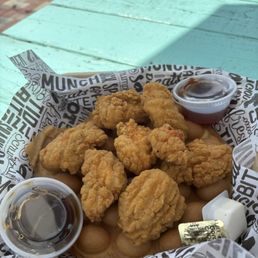

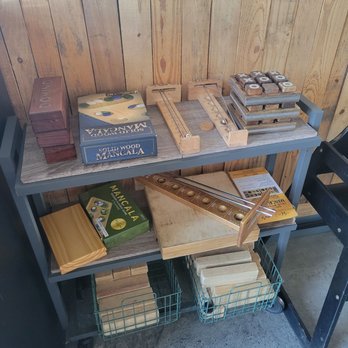
The food was ok. The photo on the kiosk gave me a different impression of the chicken. It was really chicken nuggets heavily breaded but not in house which i personally don't like. I would not get this again. The service was great, they were willing to help and answer questions and very friendly. I was really excited that they had an outdoor eating area by a body of water, until the ducks started hovering. It was so intense I decided to eat inside. A nice touch they have games like dominos, mancala, tiktaktoe. I will probably come back with my kids, I will not get the chicken and waffles.
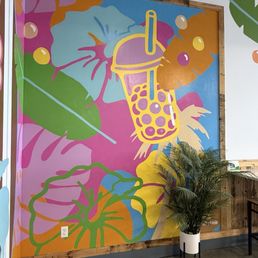

A few things before you go: -kiosk ordering -approximately 15 minute prep time depending on how busy they are They have a really large menu and multiple options but we went with the chicken and waffles and also the white chocolate raspberry with ube waffle. The honey mustard that comes with the chicken and waffles is so good, the chicken has a great crunch and the waffle was perfectly crunchy yet chewy. The raspberries with the white chocolate was a nice sweet and sour balance. It is pricier than you'd expect for what it is but it was a nice treat. Seating inside isn't abundant but there is an outdoor seating area out back as well. Overall it was good and we enjoyed our experience. read more

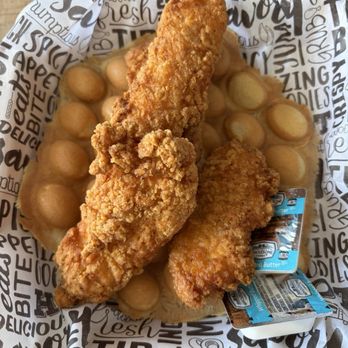

1st time here. WE thoroughly ENJOYED the Chicken and Bubble Waffles. Oooooh My let me tell Y'all about the chicken Up In Here - Up In Here Y'all! It's sho nuff fire smacking taste bud sensationally waking em'up good! Yelp! That's Right! No One's Chicken is seasoned like dat! Hallelujahhhhhh! That girl was RIGHT! That young lady that work there. The Strawberries n Biscotti Cookies n Biscotti n Milk Chocolate Drizzle and that Whip Cream that was #mustBhomeMade was dag gone freaking delicious! Whatever ALL THAT was. Just didn't make NO SENSE... because, I mean because, you know it was just too good. Lol. Y'all EVERYTHING was GOOD! #ThatPart Over n Out FranknKimm @ Aloha Waffle Bar Driving Bk2Savannah July 5th, 2026 Sunday Gotta come bk nigh!!! Over n Out FranknKimm Myrtle Beach Day Trip July 11th 2026 Saturday Just Because read more

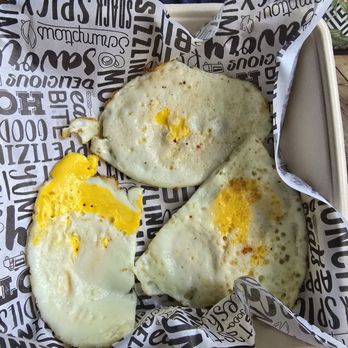


2 months ago
Great vibe! Just had lemonade but everything looked delicious. The staff were amazing and the overall experience was fantastic. read more
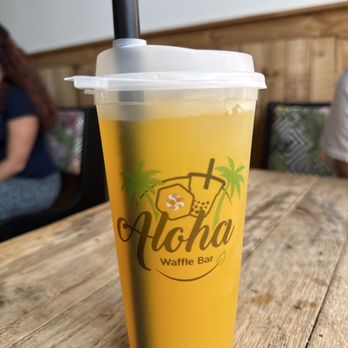

Super chill spot to get some work done or to just hang out with friends while you eat. The wifi is pretty good and certain tables have outlet access. And they have some games out. Plus, there's actually so much seating, especially outside in the back. The workers are super friendly, explaining the menu if it's your first time, and helping bus tables even though we were sitting near the trash can. And the food was really good. We got the chicken n waffles. I was a little underwhelmed at first when it came out because it seemed very unassembled. But I didn't mind too much, I was able to do it to my liking. The waffle and chicken were both so crispy and warm, even after being dowsed in the butter and syrup. The butter was a little too cold and hard to spread at first but once you let it sit for a while, you're all good to go. And the chicken to waffle proportion was perfect. I also got the iced caramel butter toffee latte and it was sooo good. Apparently all of the coffee is imported from Hawaii! But yeah it was really sweet which I love, but the coffee flavor was still very prevalent. The thai tea was good, but didn't necessarily taste like authentic Thai tea. Idk maybe I just liked it because it was sweet. read more
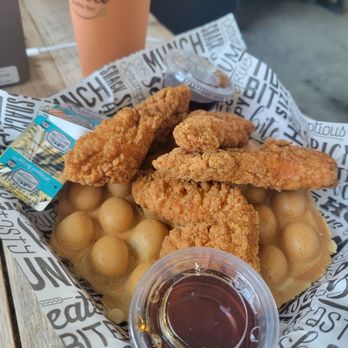


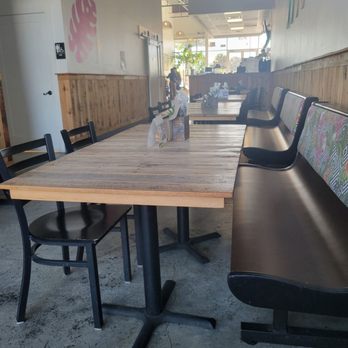

Time to get a slice of island paradise and ordered the Mango smoothie and it was so creamy and delicious, just the right sweetness as well with the Boba. The Nashville Hot Chicken Stack was very good-the flavor and spices was well-mixed with the waffle and I ate every piece. Mahalo to Cane and Sara for the hospitable service! Remember that all orders does take a bit of time, and it is so worth it and do chill with a drink or 2 of their Hawaiian-made coffees while you are on island time here :) read more


7 months ago
The food was good here! But honestly the wait time was about an hour with maybe 5 patrons ahead of us. Definitely not worth waiting so long. Too many good spots in Jax to even think about going back :/ I'm sorry. Visit date: January 17 read more

Business owner information

Melissa E.
I’m so glad you enjoyed and we are very appreciative of you stopping…

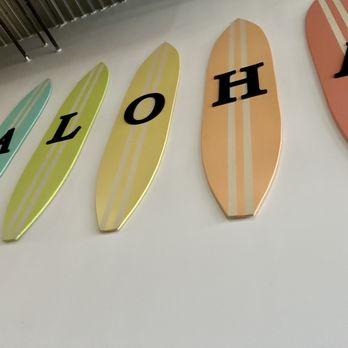
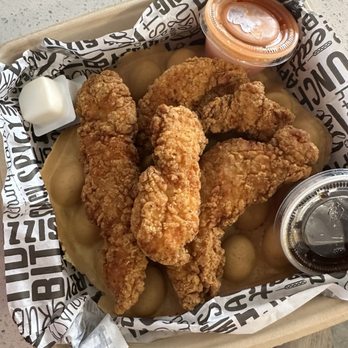
Mahalo! I had to come back with my mom! We enjoyed our orders, the casual atmosphere, available games to play, the friendly and helpful service of the team, and the waffles. We ordered the Chicken and Waffle for my brother (pictured) and got into our own food before I remembered to get a snap shot! It was so inviting that I totally forgot! It's a great place for ohana (family). read more




3 months ago
Hats off to this intimate space for delightful treats. The food was so good and I loved that I could either add to or remove certain things from my waffle. The portion size is definitely shareable! After seeing and eating my waffle, I instantly regretted not taking advantage of this place prior. The ice cream spoke for itself. After living in Hawaii for seven years I only wished the place played island music to truly give the Aloha welcoming it deserved. The service time was reasonable being that they are providing fresh items with the waffle and shakes being made to order. Music and pleasant smiles from the staff to match the Aloha atmosphere would be my only requests. Other than that, this has been a grade A service and I will be returning! read more


29 days ago
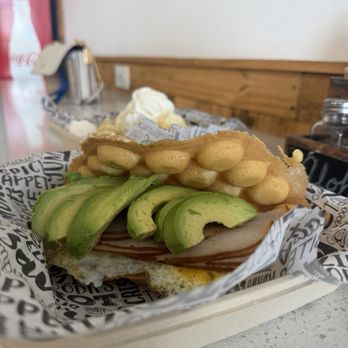
Rotting avocado in my avocado egg bubble waffle. Extremely disappointed with the service as we ordered ahead of time online, arrived ~20 minutes later and still had to wait another 20 minutes. Total wait time was 40 minutes for our food, only to receive black and unfresh avocado in my order. It was clear the avocado they put was just sitting out the entire day. Absolutely unacceptable read more
Business owner information
Melissa E.
Aloha Natalie,…

Welcoming, bright, & fun atmosphere! A great place to bring families. Back patio overlooks a pond with a giant airplane floating in it. They've all kinds of coffee drinks, boba & specialty flavored teas, wonderful savory & sweet food choices, & even veg-friendly options! (As a veg-head, I greatly appreciate this ) The food portions are larger than I thought they'd be. We got a few different things to try... Kuki Butter Latte- coffee is truly bright & flavorful. The sweet cream foam adds the perfect amount of sweetness to top off the caramel drizzle & crushed cookies in the cup. Deviled Egg waffle- now you *know* I had to add avocado to this. It wasn't exactly what I expected. I thought it was going to be more of an egg salad situation & not just sliced pieces of egg. Still flavorful. The spicy mayo isn't as spicy as I thought it was going to be as well. Definitely a "knife & fork" style of eating on this one. Grilled Cheez It, Brah waffle- cheese pull 9/10! A couple of different savory cheeses in this one perfectly pair with the crisp exterior & light sweetness of the waffle. LOVED this! Chicken Sammie waffle- (described by my hubby, as I am a vegetarian & cannot eat this) fried chicken patty is moist, the right amount of thickness, & flavorful. Mayo, pickles, lettuce, & cheddar cheese ratios make this sandwich rather delightful. All in all... great food. Amazing portions for the prices. Healthy, clean options. If you're looking for FAST... this may not be the place for you. In my opinion, no food made quickly ever tasted as good as that which took a little more time. We will definitely be coming back read more
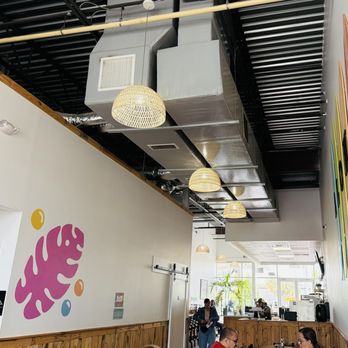


Walked in cute decor and ambiance. Friendly staff everyone welcomed us. You can order using the kiosk or at the counter. We ordered the BLT waffle which was a waffle with bacon bits in it folded in half filled with bacon, lettuce, tomato and a bacon aioli. Also ordered the chicken and waffles, which was chicken with basically chicken nuggets but a decent value. Also got the Aloha waffle which was strawberries, blueberries and raspberries on Ube and normal marbled waffle with whipped cream and a side of vanilla ice cream and a small side of chocolate drizzle. I absolutely loved the flavor and freshness of my BLT waffle very bacony ! Also the fruit waffle was delicious and stuffed with the fresh fruit! The chicken was freshly fried and hot! We made them combos with drink and bags of chips I would probably skip that next time. I would return for another visit. read more


2 months ago

1 year ago
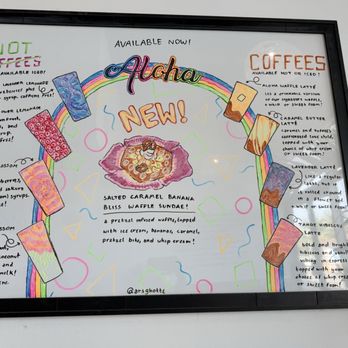
Quick and friendly staff took our order and suggested some items for our first time here. Didnt see a kids menu (unless Im blind) Loved they have table games to play while you wait for food. We ate outside (there are ducks) because the weather was nice. Husband got the Nashville Hot and said the spice was well balanced. I got the avocado toast and the waffle was an interesting (in a good way) mix of bacon, everything bagel seasoning, and sweet. All in all a great spot! Be advised, call in your order if youre in a rush, otherwise enjoy the island time! read more



2 months ago

3 months ago
5 months ago
My third visit and not the last! Staff outstanding, service great & ambiance is comfortable and relaxed Hawaiian time! Food unlike the other "breakfast" places & has lunch offerings. Don't forget your loyalty card you'll be back. read more


7 months ago
Business owner information
Melissa E.
Aloha thanks for stopping in and supporting our small business. I’m…

What an absolutely adorable place, serving some unique food and drinks. I love that you could place an order online, and it's ready for pickup. The customer service was amazing! I placed an order for the breakfast waffle. This was my first time having the bubble waffle. I ordered it with avocado, an egg, and requested the Nashcille hot sauce. The employee wrote a sweet message saying, "Because I chose not to get any meat, they added an extra egg at no cost." How cool is that! Thank you so much! It is a very large serving, larger than I thought it was going to be. I was thinking it was going to be more like a handheld sandwich, kind of like a little mini english muffin or something like that, but it was very large. I had to use a knife and fork to eat it. So it's not something you can enjoy while driving if you're limited on time. It was neatly packaged and a beautiful presentation with fresh ingredients. I do prefer more savory spicy food, so the waffle was a little sweet to me. The hot sauce was a great addition, and I got it to the flavor that I enjoyed. I had the rose vanilla iced coffee. Oh my gosh, some of the best coffee I've had. It was so smooth and just had a delicious taste to it. I 0 definitely recommend coming here for breakfast or lunch, and if you're short on time, don't forget to place your order online. They're pretty quick. Great service, and I enjoyed my meal, and I would definitely come back there again. I appreciate that they kept my drink in the fridge until I arrived for my pick-up order. Excellent service from this establishment. If you're staying in this area, especially at the hotel, this is the perfect place for breakfast or lunch. read more


1 year ago
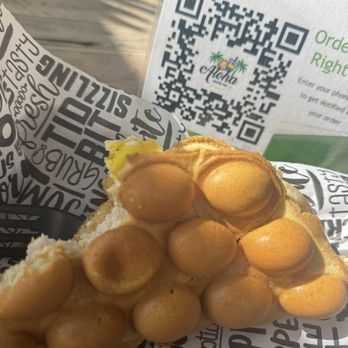
Nice concept, nice layout and vibe...you can sit indoors or outside by the pond...Aloha! Had breakfast waffle and a frozen coffee beverage. The staff was suggestive, friendly and prompt. Glad I stopped in, I'll very likely be back when I come back to the area... ps... the price of food matches quality and freshness. Pss they use earth friendly plates and cutlery! read more

3 months ago

1 year ago
The food was ok. The photo on the kiosk gave me a different impression of the chicken. It was really chicken nuggets heavily breaded but not in house which i personally don't like. I would not get this again. The service was great, they were willing to help and answer questions and very friendly. I was really excited that they had an outdoor eating area by a body of water, until the ducks started hovering. It was so intense I decided to eat inside. A nice touch they have games like dominos, mancala, tiktaktoe. I will probably come back with my kids, I will not get the chicken and waffles. read more


1 year ago
What a beautiful find in Jacksonville! Great service from ordering to delivery So delicious- fresh waffles fresh eggs tasty bacon! Hope to be back soon! read more


5 months ago
8 months ago
Just had the best brunch ever! After Mel's appointment with the VA, we decided to try the Aloha Waffle Bar at River City Marketplace. They exceeded all expectations! I had the 3BLT waffle and Mel had the Aloha Waffle. So delicious and savory. I also had the Vanilla Rose Latte and definitely was not disappointed! Joshua, Destin, and Sarah were working today. They gave exemplary customer service. They checked on us numerous times to ensure that we were satisfied with our food and experience. I highly recommend that you stop in and try these Hawaiian delicacies. On a side note, I would love if they opened one of these near NAS Jacksonville or Orange Park area. I would definitely frequent as this just became a favorite stop when on this side of town! read more


Boys deserved a sweet treat for completing some of their science projects so we checked our list of places to try and here was picked. We were welcome as soon as we walked in. My son wanted a vanilla milk tea but they didn't have it on the menu but the nice manager said it would be done so he was so happy. read more

Business owner information
Melissa E.
Much Aloha for your great review and stopping by to see us at…
2 months ago
3 months ago

2 years ago
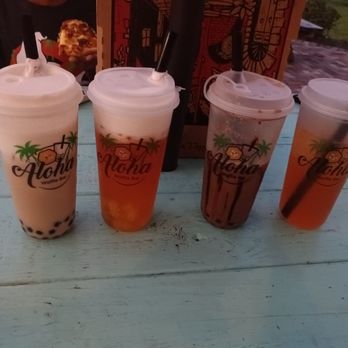
The Rose Tea is always delicious. It's got a soft taste that I never expect, not too sweet, just perfect for me. I don't know why but chewing on the tapioca balls feels like a special prize(: I lucked out, arriving just before a group of 8-10 people. They're enjoying the games and socializing, as they wait on their waffle meals. Yep, definitely a good place to eat, drink and hang with friends. read more
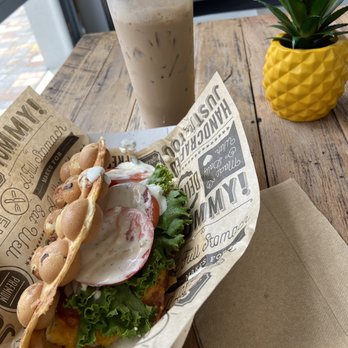
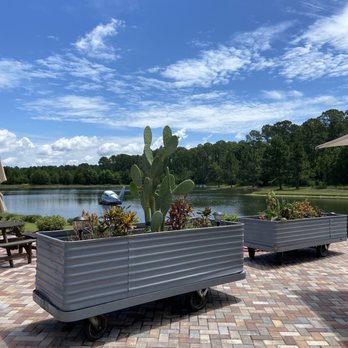
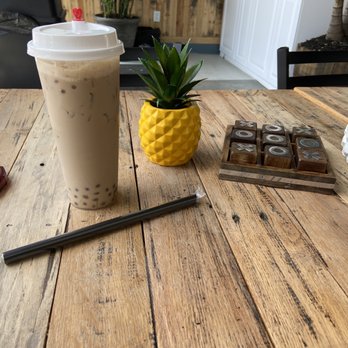

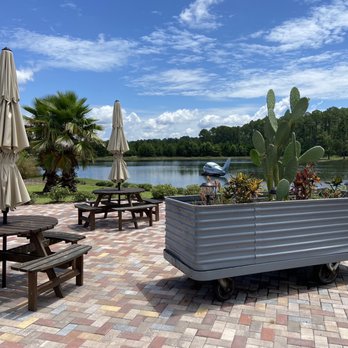


Solid spot for milk tea! Stopped in here with the fam while vacationing in Jacksonville. Service was fast and employees were friendly. There was plenty of seating available and it was clean. In addition to milk tea, you can purchase sandwiches, sweet or savory waffles and fruit teas. The food being made behind the counter looked very appetizing. I'd like to try their breakfast items. I ordered a rose milk tea with tapioca pearls and half sweetness level. It was still pretty sweet and tasted just like roses. The one thing I would change is size availability. The milk teas only come in one size. Thanks, Aloha Waffle Bar! read more

Business owner information
Melissa E.
Thanks so much for your great review! We appreciate your business and…

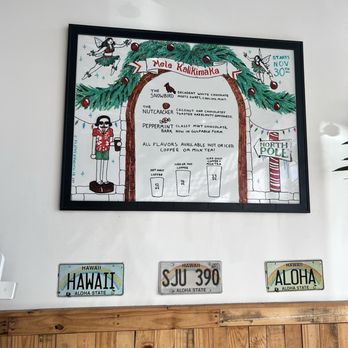
I was really excited about finding a new boba place. I really think the place could be great. This was my experience: I visited Aloha Waffle Bar hoping to grab a meal, but the experience quickly became frustrating and concerning. The staff refused to provide ingredient information, citing concerns about "revealing secret recipes" and stating that their manager would never allow them to share such "proprietary information." I explained that I wasn't asking for their recipe--I simply needed confirmation about potential allergens due to an autoimmune condition that makes blindly ordering unsafe. Despite this, the person training a new employee was dismissive, rolled their eyes, and said, "I absolutely can't tell you if what you're asking about is in our food," followed by a wink. HE WINKED. I stood there, dumbfounded and silent, trying to process the situation. The trainer eventually stepped away and, upon returning, begrudgingly shared the ingredients in the tapioca pearls. However, he then instructed the new employee never to disclose ingredient information to customers in the future. When I politely pointed out that the FDA encourages sharing allergen information to prevent health risks, I was told no further information about other menu items would be provided. At that point, I let them know the situation was too uncomfortable for me to continue, and I decided to eat elsewhere. The whole interaction was bizarre and troubling. Providing basic allergen information--such as whether a dish contains specific allergens--is not only a fundamental safety measure but also common courtesy. Instead, the trainer repeatedly emphasized that their manager strictly prohibits disclosing any allergen information to "protect secret recipes." This attitude isn't just dismissive--it's dangerous. I wasn't asking for a recipe; I was asking whether something contained an allergen that could harm me. Being met with scolding and a rehearsed spiel instead of empathy and transparency shows a lack of understanding and proper training. It made it impossible to feel safe dining there, so I left and went to Pandan Leaves next door. Under U.S. law, restaurants aren't required to provide recipes (and to be clear- a recipe was **never** asked for) but they are subject to regulations under the Food Allergen Labeling and Consumer Protection Act (FALCPA) and the Americans with Disabilities Act (ADA) when it comes to accommodating food allergies. The FDA encourages restaurants to share allergen information, particularly regarding the "Big 8" allergens (milk, eggs, fish, shellfish, tree nuts, peanuts, wheat, and soy). Now, I'm a reasonable and understanding person--I absolutely don't expect restaurants to accommodate my food allergies or guarantee the prevention of cross-contact. However, I do expect to be able to ask questions, be heard, and be understood without receiving a robotic, scripted response aimed at protecting "secret recipes." I want to order. I want to support a small business. I want to tip well. I want to make a connection and bond over a great customer service experience. But let's be honest--a recipe won't matter much if someone dies at your establishment due to a lack of transparency. The decor is charming, and it's clear the space was designed to be welcoming and fun. Regulars seemed comfortable, and the seating in the back is a nice touch. There's a lovely lake view with lots of spotted ducks, which adds a playful element to the experience. However, the refusal--or inability--to provide basic allergen information overshadows all of this. While the dismissive tone of the trainer was unprofessional, I believe this issue stems from poor management. If management isn't setting employees up for success to support their customers, it's unfair to place all the blame on the trainer. Should he have rolled his eyes at me and dismissed my health concerns? Absolutely not. But he works in the service industry, and maybe he was just having a bad day. I can look past rudeness. My issue lies not with the rudeness of an employee but with the policies set by their employer. The manager or owner should understand the impact their decision to operate a business in this manner has on customers--particularly those with food allergies. If you have food allergies, I strongly recommend being cautious. The lack of transparency and concern from management regarding allergen safety makes it clear that your health is not their priority. Strange, disappointing, and potentially dangerous. read more
Business owner information
Melissa E.
Aloha, first I would like to say thank you so much for coming in…
6 months ago
The employees are super kind and friendly, they work quickly to get your order to you! I usually order their drinks and waffles and can confirm they're absolutely delicious! Their waffles are always fresh and their boba isn't overly sweet. The place itself is quiet and peaceful with cute decorations and even an outdoor seating area by the pond out back! It's great for sunny weather. I definitely recommend going! (Especially try the mango fruit tea with strawberry boba, my favorite!) read more


7 months ago

1 year ago
8 months ago
5 months ago

2 years ago
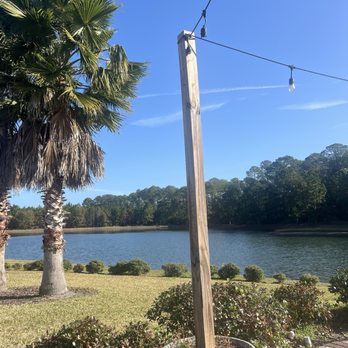
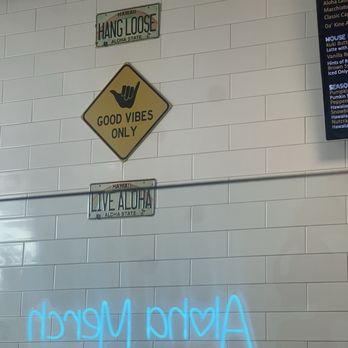
I was looking for a dog friendly breakfast location and this most definitely is. The outdoor seating is on a beautiful patio that sits on a little pond. My dogs thoroughly enjoyed it. The food was great, and so was my latte. My review is due to the service. I was immediately greeted by everyone upon walking in; the staff were extremely friendly and helpful. After I placed my order, the cashier asked if I wanted pup cups for my dogs. Very thoughtful. The store owner, Melissa, came outside to meet me and we had a lovely conversation. Overall, just a wonderful experience; 10/10 would highly recommend. read more





Business owner information
Melissa E.
Mahalo for coming in Haniah, it was great meeting you and your little…

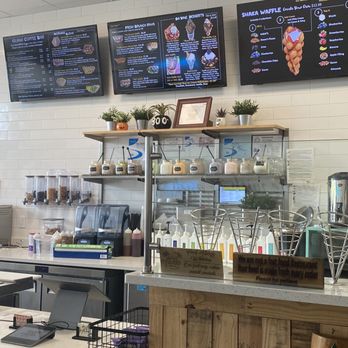
I stopped at Aloha on my way to Tampa. I saw really good reviews and the waffles looked tasty so I decided to give it a try! It did not disappoint! The establishment was clean, they had many hands on deck to serve and make food/drink. I wanted something savory for breakfast so I ordered the Brunch Waffle with a rose milk tea. I'm so happy they offer alternative milk because I do love a good milk bubble tea! The waffle was actually lighter than I expected. I usually never finish my food but I was able to eat the whole thing! The rose milk tea with oat milk was super delicious and their tapioca pearls were soft & lightly sweetened! I also thought the outside seating area was really cool! If you're ever in Jacksonville, give it a try! read more
Business owner information
Melissa E.
Mahalo for stopping in & the great review, so glad you had an all…

3 years ago
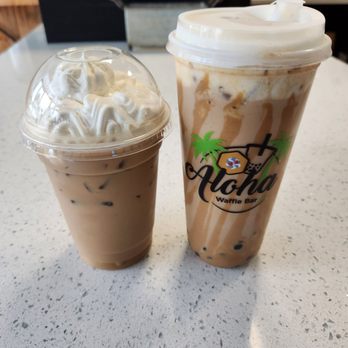
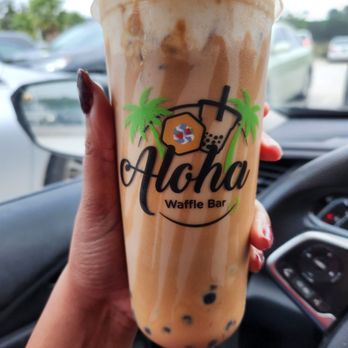
I'm usually not on this side of time but I'm glad I stopped by while I was over her. Finding a place to park was kind of hectic but there is extra parking in the back and you can enter through the back entrance. When I walked inside the first thing I noticed was how nice and clean everything was. The decor also added to creating a very inviting atmosphere. I decided to order the vanilla rose latte as well as the Kuki Butter boba. The vanilla and rose complimented the coffee without being too overpowering. The Kuki Butter boba was very rich and I couldn't finish it all in one sitting. My order did come out fast and the workers were very nice so if I'm ever in the area I'll definitely be stopping by again! read more

2 years ago
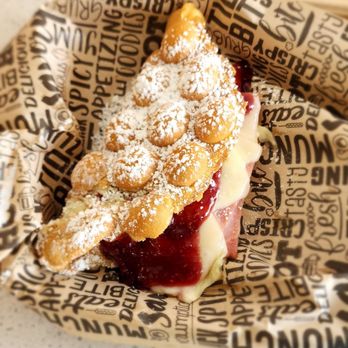
Stopped in to try something new and different. Do not go if you are in a rush. We were the only people in there and it still took a long awhile. But the cashier was the only one working in her defense. Food was good though I'd give it another chance. read more


Business owner information
Melissa E.
Thank you so much for your review and for supporting us :) we so…
Page 1 of 7
More info about Aloha Waffle Bar
725 Skymarks Dr
Ste 5
Jacksonville, FL 32218
Northside
Directions
(904) 619-7781
Call Now
Visit Website
https://www.alohawafflebar.com
Full menu
Hours
Payment methods
Food & Alcohol
Indoor Amenities
Outdoor Amenities
Other Amenities
From the Business
More Info
Health Score
Aloha Waffle Bar Reviews in Other Languages
Ask the Community - Aloha Waffle Bar
You might also consider
























Why does Yelp recommend reviews?
7 reviews that are not currently recommended
The reviews below are not factored into the business's overall star rating.


4 months ago

1 month ago

2 years ago
3 years ago
2 years ago
1 year ago


