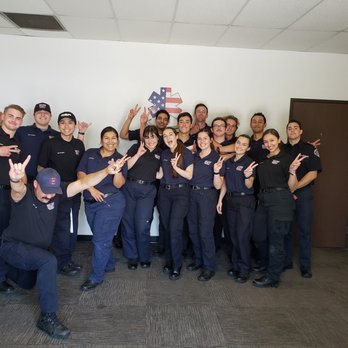
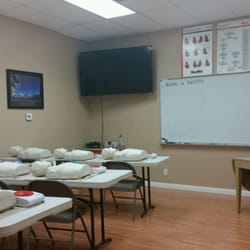
West Coast EMT Photos

You might also consider


More like West Coast EMT
Recommended Reviews - West Coast EMT
Start your review...


Reviews With Photos
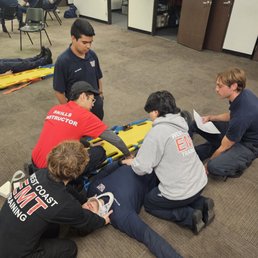

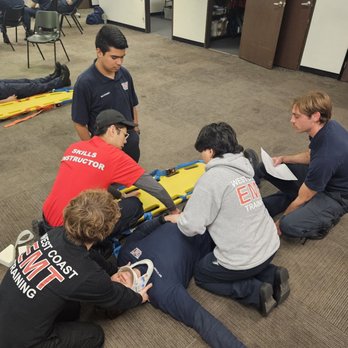
Amazing class. I had fun and Crystal is the greatest teacher ever. I won't sugar coat it, the 5 week course is challenging and you need to pay attention and remain disciplined if you want to pass. It's a character builder. The best advice I can give future students is take it one block at a time and knock out all of your JBL quizzes and signs and symptoms each weekend so then you can put all your focus towards studying for the Thursday exams. Downloading the Pocket Prep app, watching Paramedic coach YouTube vids and learning the mnemonics before the class starts will definitely give you an advantage as well. Also don't be afraid to ask questions even if you think they are dumb. Crystal loves to help and always gives the best explanations. Our skill instructors Johnny and Tatum were super dope and helpful too. Also Jackie did an amazing job being our commander and chief behind the scenes. Thank you West Coast for turning our class into EMT champs. Good luck everybody!


5 months ago
3 days ago

11 months ago

11 months ago

7 months ago

7 months ago
4 months ago

2 years ago
Amazing class. I had fun and Crystal is the greatest teacher ever. I won't sugar coat it, the 5 week course is challenging and you need to pay attention and remain disciplined if you want to pass. It's a character builder. The best advice I can give future students is take it one block at a time and knock out all of your JBL quizzes and signs and symptoms each weekend so then you can put all your focus towards studying for the Thursday exams. Downloading the Pocket Prep app, watching Paramedic coach YouTube vids and learning the mnemonics before the class starts will definitely give you an advantage as well. Also don't be afraid to ask questions even if you think they are dumb. Crystal loves to help and always gives the best explanations. Our skill instructors Johnny and Tatum were super dope and helpful too. Also Jackie did an amazing job being our commander and chief behind the scenes. Thank you West Coast for turning our class into EMT champs. Good luck everybody! read more


1 year ago

1 year ago
7 months ago
6 months ago
7 months ago
7 months ago
7 months ago

1 year ago
5 months ago

1 year ago
6 months ago
1 year ago
3 years ago
Great program for someone looking to start their EMS journey.I highly recommend taking the accelerated course and making sure it is with Crystal, she is a great instructor and will answer any questions you have. The accelerated course is indeed hard but if you put the time in outside the class, pay attention and ask questions, it is very doable! read more


5 years ago
2 years ago

4 years ago

4 years ago
5 years ago
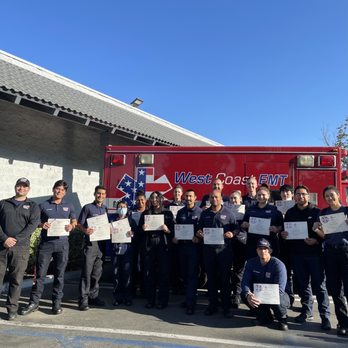
I took the part time course on Saturdays with Toby Bender. HE IS AN AMAZING INSTRUCTOR. He's very experienced in the field and teaches you plenty of tips and tricks he's learned along the way. The course is not easy, but having a good instructor made it wayyy more manageable. There is a lot of self study involved here, and with the other courses such as the full time too. YOU HAVE TO READ. If you get distracted like I do, listen to the audio book that will be on your homework website that they provide. It helped me a bunch! I could still listen to my chapters for that block and do errands around the house. I highly recommend this course! They genuinely want you to succeed. read more


5 years ago
4 years ago
Toby Bender was the best instructor and there's no one I would rather take the class with. He is an excellent teacher. If I could go back in time, I would take the class with Toby every time. He brings comedy, personal experience, and his knowledge into every class and he truly knows how to make his class enjoyable. There are not many teachers who are able to explain the way Toby does-- he knows how to entertain his students while explaining things in the clearest way possible. If Toby didn't have such a passion for EMT, I would say he should be a teacher because the way he teaches is an art. I had a great experience with West Coast EMT. Thank you Toby and all of the other amazing staff members!!!! read more


6 years ago

2 years ago
3 years ago

5 years ago
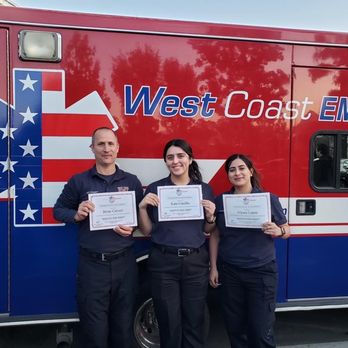
This class is extreme. It's a lot. I took the one month course and if you're not sleeping, eating, breathing this class, then you're not doing enough. I used my lunch break to do hw and study, other breaks were used to go over flat cards with friends in class. Don't burn yourself out. Give yourself a little time in the day to truly relax and not think about homework but DONT overdue it. I wouldn't suggest working or doing school on top of this even if you take the longer course. If you'd have to, them do what you'd gotta do. Obviously the more studying you do, the better your chances of passing. I had awesome classmates and we were all a team from the beginning. Ask lots of questions, go through the book, USE JBL QUIZZES, LECTURE NOTES, PPTS, ASSESSMENT IN ACTION! Wal;k around to different people and join in conversations. The more you learn, the better. It's so rewarding to get to the end and graduate with everyone! Love this course! Also, expect to pay around $400+ more for uniform, book, and then other things after you graduate such as fingerprinting, NREMT, and DMV paperwork. TAKE 10 MINUTES OF YOUR DAY, EVERYDAY, TO LEARN ONE NEW THING ABOUT ANY OF YOUR SKILLS! read more


4 years ago
3 years ago

4 years ago

7 years ago
3 years ago
5 years ago
Page 1 of 3
More info about West Coast EMT
1960 Chicago Ave
Ste D-19
Riverside, CA 92507
Directions
(951) 782-8298
Call Now
Visit Website
http://www.westcoastemt.com
Hours
Other Amenities
From the Business
Ask the Community - West Coast EMT
I just signed up for the full time course in July I'm just wondering how difficult this course will be and how prepared should I be on my first day of class?
If you read and understand basic anatomy and physiology you will be set.
Review Highlights - West Coast EMT
You might also consider
















Why does Yelp recommend reviews?
66 reviews that are not currently recommended
The reviews below are not factored into the business's overall star rating.
6 years ago
3 months ago
10 months ago

8 years ago
7 years ago
3 months ago

11 years ago
8 years ago
10 months ago

11 years ago
7 years ago

10 months ago
1 year ago
5 years ago
1 year ago
6 years ago
3 months ago
11 months ago
6 years ago

11 years ago


