US Borax Visitor Center Photos



More like US Borax Visitor Center
Recommended Reviews - US Borax Visitor Center
Start your review...


Reviews With Photos


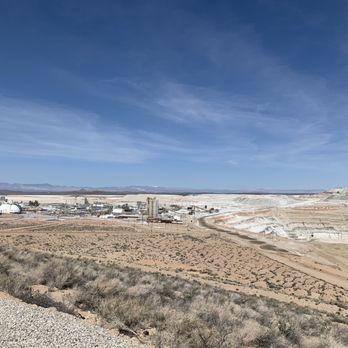
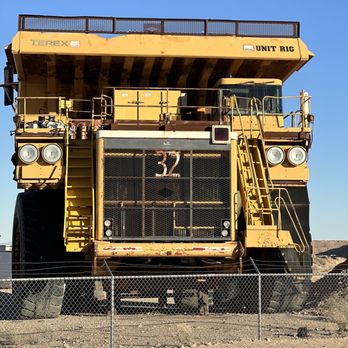
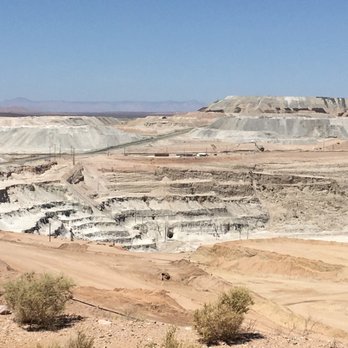
This place is an awesome stop if your coming through the area it's a great educational place to learn about this long running borax mine and the look down into the mine from the visitor center is pretty awesome. The HUGE dump trucks look like little toys down there and then they have one right there in front of you and you realize just how massive they are! Jim in the visitor center is a retired employee and was very informative and answered our questions and was full of information. The staff is super friendly and we were so happy we came up to see this place!


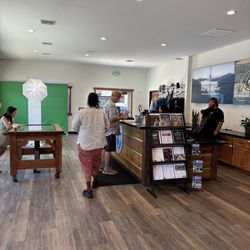
Cool that the company that operates the mine (Rio Tinto) decided to put a visitor center for travelers to stop and learn about operations and how boron is processed and its usages in our everyday lives. Education is a powerful tool, so I quite approve. The museum isn't very big but there's some cool photographs, diagrams, and models to check out. The fella inside was a former worker at the mine so he was very knowledgeable and eager to share. You can watch a 15-minute video to learn more too, as well as walk on top to gaze down at the open-pit mine and refinery. Since it's on top of a big pile, you'll get a good view. Additionally there's a gift shop with some fun trinkets and knickknacks. Toilets are outside but clean. Sit in the massive tire for a fun photo op! The drive up is on a well-packed dirt road. Drive safely!


Why visit the Borax Visitor Center? Why not? First of all, it's free. Second of all, don't you want to know where that weird stuff your mother used to put in the laundry comes from? Third of all, you might actually learn something about local history, laundry additivies, chemistry, geology, environmental impact of industry, and mule trains. Plus Erin Brockovich movie locations. Lastly, every guest also receives free samples of Colemanite, Ulexite, Kernite and, of course, Borax. Plus, you get an awesome view of the Borax extraction process from the roof of the Visitor Center. Definitly a photo opp!


Borax is a company who mines, processes, and distributes borates. They are best known for selling the borate called borax in particular. The Rio Tinto Borax Mine Visitor Center is a good place to learn things about this mine and borax. Borax can be found all over your home, from soaps to fiberglass, from play dough to laundry detergent, and so much more. Borates are collected at this mine and not only a few but almost half of the supply in the world. This is also California's largest open pit mine which has consistently been getting larger since the 1920s. Having supported the local community with employment and offering the entire world their supplies. A place that everyone should see at least once in their life if they live near it or are passing by.


We'll worth a stop! Took about an hour to visit. Staff was very friendly. Enjoyed the gift shop as well.

Wow!! What a little gem of a place. Stopped here on our way to Thousand Island Lakes for a backpack trip. We needed a picnic area to eat our lunch. They have a wonderful picnic area and nice flush toilets. After eating, went into the large museum and the doscins were soo nice and very knowledgeable. I had no idea there has been a borax mine in California for 90 years which produces 30% of the world's supply. Definitely stop by when driving on the 395 freeway. It's just off of the 58 freeway. They also have a gift shop with lots of gems, tshirts, and other cool items. Highly recommend!


Best Restroom in Borox. Nice view of the mine as well. Great little educational video on borox , the mine and such ! but really I just come here to use the bathroom did I mention it's a fabulous bathroom ? air conditioning clean running water definitely worth the stop. But don't tell anyone , this is our little secret .


Really super cool stop & stretch @ this place the view is spectacular & read up on it as you climb the hill in your vehicle super cool picture spot too! Rock Hounds this is your stop


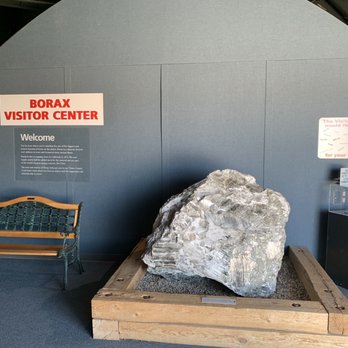
This place is pretty amazing. It's the publicly accessible part of the Rio Tinto Borax (formerly US Borax) operation and are located only a few miles north of the freeway as you drive between Las Vegas and Bakersfield. Bring your kids (ages from the second grade to junior high school,methinks) to help give them a sense of what boric acid does in our lives, and what you have to get it out of the ground. As you enter their property, you'll immediately notice the speed limit signs. 37-1/2 MPH. At the guard shack, pay the $3.00 vehicle fee, then drive up the hill on the right. There is no per person charge at the center itself, by the way. They have some neat displays, including a giant samples of the minerals recovered during the mining. If you watch the little 8-10 minute propaganda movie, they open the curtains at the back of the conference room and you can gaze out at the mine. The docent will answer all your questions. He's probably a guy that retired from working the property, so pretty competent. They are all friendly. You can also go outside and "on top" of the visitor center for a more fascinating view. Highly recommended - especially if your kids like to build things !


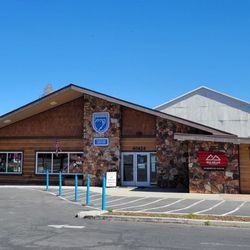
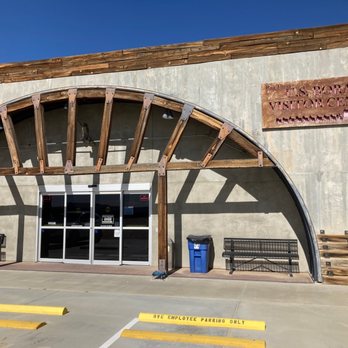
If you're driving on Hwy 58, perhaps on a Las Vegas - Los Angeles route or similar, this is worth a stop. Borax is an awesome and useful product, whether it be for cleaning your house, conditioning your swimming pool, fertilizing your lawn, or any of the other many products that have borates. When me and my guy saw the sign on the highway for this place as we were driving by, we knew we had to stop in and pay respect to the mighty Borax. Okay, fine, we also really like unusual tourist attractions. The weirder, the better. Depending on your interest level and speed, it will take you 30 min. to a little over an hour to visit the Borax Visitor Center. Cars are $3, no matter how many are in your vehicle, paid at the gate. You go up a hill on a dirt road to get to the Visitor Center, which was a remarkably nice, new, and comfortable building. Everyone was super nice and friendly. When you come in, you get a piece of boron to keep as a souvenir. A huge piece of boron rock is also the first thing you see. You can view a 9 min. propaganda/sales video if you like, which I recommend. The museum is small but generally interesting and informative. I think it would be at least a little interesting to pretty much everyone of any age, but especially if you are a history buff. Before you leave, be sure to walk up the trail behind the building so you can get a great view of the building and mining pits. I wish they had some telescopes or binoculars set up so you could see it better. What I would have liked to know more about, is the science of how boron works in some of the products it goes into. Without giving away proprietary company secrets, they could tell us more about how it was discovered that boron could be used for various applications, why you would want to use boron instead of something else, things like that. They did a little intro in that, but they could go into more detail.


Yes, you gotta stop by this place! It is more than what I expected and what the signs say. When you stop and make it in you will be greeted, welcomed and offered a short 8 minute video. I recommend watching it. Much history, science, ecology and if you are into heavy equipment, they have one there to see. The staff were the friendliest and knowledgeable people about the area/topics/company. Place is small but I'm glad I stopped, they also have a gift shop. They hand you a souvenir as well
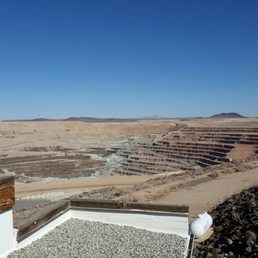

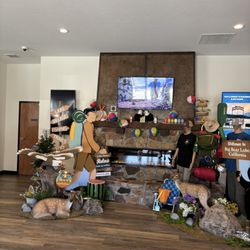
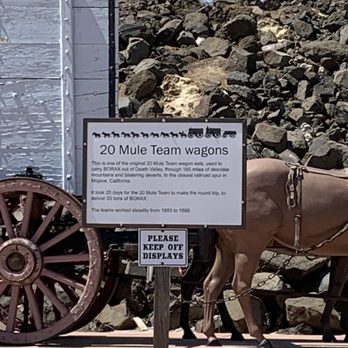
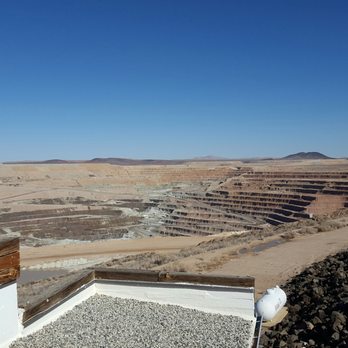
I am all about random roadside attractions so when I recently went to California City I had to stop and check out the Borax Visitor Center. It's not too far off the freeway so you aren't really going out of your way. The off half speed limits on the property are kinda funny and you start worrying that you are in the wrong place but just keep driving up the hill and you will arrive in the huge parking lot. The museum is small but teaches you quite a bit. There is also a free movie that will explain the history to you. I think it was like 10 minutes or so long. After the movie the employees open the curtain and you can look out the window down into the pit. You can also go outside and walk up to the top of the building and have a panoramic view of the pit. Out front they also have a replica of the mules and a giant tire that allows for a fun photo op. They also have piles of the different elements outside for you to harvest (?? not sure what else to call it ??) your own.


3 years ago
This is a very interesting spot especially if you're a Baby Boomer. Remember Borax and the 20 mule team from the Death Valley t.v. show? This working Borax mine is located near Boron, CA. We dropped in on the way home after a Vegas getaway. There's a huge overlook of the pit where mining operations are ongoing 365 days a year 24x7. We walked around taking pictures. Then went inside the visitor center where we were greeted by Jim a volunteer. He suggested we watch a 15 minute video which we agreed to. Afterwards Jim continued answering any questions we had. He's a retired employee hired in 1962. He had plenty of knowledge of the mine which started underground but now is a humongous pit. Located in the parking lot is an original 20 Mule team wagon set that was used in Death Valley hauling borax out. Very neat. The visitor center has a gift shop and restrooms are located outside. Before we got out of the car I suggested to hubby we spend no more than 10-15 minutes but we actually spent 80 minutes total time. If time permits on your road-trip, swing by. read more




1 year ago

1 year ago

This place is an awesome stop if your coming through the area it's a great educational place to learn about this long running borax mine and the look down into the mine from the visitor center is pretty awesome. The HUGE dump trucks look like little toys down there and then they have one right there in front of you and you realize just how massive they are! Jim in the visitor center is a retired employee and was very informative and answered our questions and was full of information. The staff is super friendly and we were so happy we came up to see this place! read more




Cool that the company that operates the mine (Rio Tinto) decided to put a visitor center for travelers to stop and learn about operations and how boron is processed and its usages in our everyday lives. Education is a powerful tool, so I quite approve. The museum isn't very big but there's some cool photographs, diagrams, and models to check out. The fella inside was a former worker at the mine so he was very knowledgeable and eager to share. You can watch a 15-minute video to learn more too, as well as walk on top to gaze down at the open-pit mine and refinery. Since it's on top of a big pile, you'll get a good view. Additionally there's a gift shop with some fun trinkets and knickknacks. Toilets are outside but clean. Sit in the massive tire for a fun photo op! The drive up is on a well-packed dirt road. Drive safely! read more


Why visit the Borax Visitor Center? Why not? First of all, it's free. Second of all, don't you want to know where that weird stuff your mother used to put in the laundry comes from? Third of all, you might actually learn something about local history, laundry additivies, chemistry, geology, environmental impact of industry, and mule trains. Plus Erin Brockovich movie locations. Lastly, every guest also receives free samples of Colemanite, Ulexite, Kernite and, of course, Borax. Plus, you get an awesome view of the Borax extraction process from the roof of the Visitor Center. Definitly a photo opp! read more


6 years ago
Borax is a company who mines, processes, and distributes borates. They are best known for selling the borate called borax in particular. The Rio Tinto Borax Mine Visitor Center is a good place to learn things about this mine and borax. Borax can be found all over your home, from soaps to fiberglass, from play dough to laundry detergent, and so much more. Borates are collected at this mine and not only a few but almost half of the supply in the world. This is also California's largest open pit mine which has consistently been getting larger since the 1920s. Having supported the local community with employment and offering the entire world their supplies. A place that everyone should see at least once in their life if they live near it or are passing by. read more


4 years ago
We'll worth a stop! Took about an hour to visit. Staff was very friendly. Enjoyed the gift shop as well. read more



3 years ago
Wow!! What a little gem of a place. Stopped here on our way to Thousand Island Lakes for a backpack trip. We needed a picnic area to eat our lunch. They have a wonderful picnic area and nice flush toilets. After eating, went into the large museum and the doscins were soo nice and very knowledgeable. I had no idea there has been a borax mine in California for 90 years which produces 30% of the world's supply. Definitely stop by when driving on the 395 freeway. It's just off of the 58 freeway. They also have a gift shop with lots of gems, tshirts, and other cool items. Highly recommend! read more


Best Restroom in Borox. Nice view of the mine as well. Great little educational video on borox , the mine and such ! but really I just come here to use the bathroom did I mention it's a fabulous bathroom ? air conditioning clean running water definitely worth the stop. But don't tell anyone , this is our little secret . read more


2 years ago

9 years ago
Really super cool stop & stretch @ this place the view is spectacular & read up on it as you climb the hill in your vehicle super cool picture spot too! Rock Hounds this is your stop read more


14 years ago
This place is pretty amazing. It's the publicly accessible part of the Rio Tinto Borax (formerly US Borax) operation and are located only a few miles north of the freeway as you drive between Las Vegas and Bakersfield. Bring your kids (ages from the second grade to junior high school,methinks) to help give them a sense of what boric acid does in our lives, and what you have to get it out of the ground. As you enter their property, you'll immediately notice the speed limit signs. 37-1/2 MPH. At the guard shack, pay the $3.00 vehicle fee, then drive up the hill on the right. There is no per person charge at the center itself, by the way. They have some neat displays, including a giant samples of the minerals recovered during the mining. If you watch the little 8-10 minute propaganda movie, they open the curtains at the back of the conference room and you can gaze out at the mine. The docent will answer all your questions. He's probably a guy that retired from working the property, so pretty competent. They are all friendly. You can also go outside and "on top" of the visitor center for a more fascinating view. Highly recommended - especially if your kids like to build things ! read more


If you're driving on Hwy 58, perhaps on a Las Vegas - Los Angeles route or similar, this is worth a stop. Borax is an awesome and useful product, whether it be for cleaning your house, conditioning your swimming pool, fertilizing your lawn, or any of the other many products that have borates. When me and my guy saw the sign on the highway for this place as we were driving by, we knew we had to stop in and pay respect to the mighty Borax. Okay, fine, we also really like unusual tourist attractions. The weirder, the better. Depending on your interest level and speed, it will take you 30 min. to a little over an hour to visit the Borax Visitor Center. Cars are $3, no matter how many are in your vehicle, paid at the gate. You go up a hill on a dirt road to get to the Visitor Center, which was a remarkably nice, new, and comfortable building. Everyone was super nice and friendly. When you come in, you get a piece of boron to keep as a souvenir. A huge piece of boron rock is also the first thing you see. You can view a 9 min. propaganda/sales video if you like, which I recommend. The museum is small but generally interesting and informative. I think it would be at least a little interesting to pretty much everyone of any age, but especially if you are a history buff. Before you leave, be sure to walk up the trail behind the building so you can get a great view of the building and mining pits. I wish they had some telescopes or binoculars set up so you could see it better. What I would have liked to know more about, is the science of how boron works in some of the products it goes into. Without giving away proprietary company secrets, they could tell us more about how it was discovered that boron could be used for various applications, why you would want to use boron instead of something else, things like that. They did a little intro in that, but they could go into more detail. read more


8 years ago
Yes, you gotta stop by this place! It is more than what I expected and what the signs say. When you stop and make it in you will be greeted, welcomed and offered a short 8 minute video. I recommend watching it. Much history, science, ecology and if you are into heavy equipment, they have one there to see. The staff were the friendliest and knowledgeable people about the area/topics/company. Place is small but I'm glad I stopped, they also have a gift shop. They hand you a souvenir as well read more


8 years ago

I am all about random roadside attractions so when I recently went to California City I had to stop and check out the Borax Visitor Center. It's not too far off the freeway so you aren't really going out of your way. The off half speed limits on the property are kinda funny and you start worrying that you are in the wrong place but just keep driving up the hill and you will arrive in the huge parking lot. The museum is small but teaches you quite a bit. There is also a free movie that will explain the history to you. I think it was like 10 minutes or so long. After the movie the employees open the curtain and you can look out the window down into the pit. You can also go outside and walk up to the top of the building and have a panoramic view of the pit. Out front they also have a replica of the mules and a giant tire that allows for a fun photo op. They also have piles of the different elements outside for you to harvest (?? not sure what else to call it ??) your own. read more


9 years ago

12 years ago
Parking lot is a little too dark for my taste at night but the restrooms are clean and they had alot of options in the vending machines. read more


12 years ago

10 years ago

9 years ago


11 years ago
7 years ago
10 years ago
More info about US Borax Visitor Center
14486 Borax Rd
Boron, CA 93516
Directions
(760) 762-7588
Call Now
Visit Website
https://www.borax.com/about/community/borax-visitor-center
Hours
Other Amenities
From the Business