Unique Auto Import
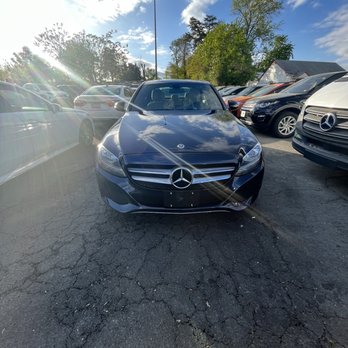
Unique Auto Import Photos



You might also consider


More like Unique Auto Import
Recommended Reviews - Unique Auto Import
Start your review...


Reviews With Photos

First I want to say this place was a disappointmen!! we set. Test drive up for today. keep in mind we Live two and some change away!!! SMH get there and they tell us the car we are coming to test drive and buy isn't even available on the lot lol. not available. we just drive 2 hours lol. No resp from sales rep who booked our test drive or any type. we left feeling rip off and they didn't get. Penny from us. all I can say is dont buy a car from this place. Cant even get a customer in a car. How do you expect them to sell good cars


4 years ago

3 years ago

3 years ago

3 years ago
2 years ago

5 years ago
First I want to say this place was a disappointmen!! we set. Test drive up for today. keep in mind we Live two and some change away!!! SMH get there and they tell us the car we are coming to test drive and buy isn't even available on the lot lol. not available. we just drive 2 hours lol. No resp from sales rep who booked our test drive or any type. we left feeling rip off and they didn't get. Penny from us. all I can say is dont buy a car from this place. Cant even get a customer in a car. How do you expect them to sell good cars read more

4 years ago

6 years ago
2 years ago
3 years ago
3 years ago
5 years ago

6 years ago
Best car buying experience I've ever had!!! Shout out to Miguel my sales person and Danny the finance manager. Miguel was very professional and knowledgeable. Before we even left for the test drive he showed me the carfax and the warranty information on my car, without me asking. This way by far the best and fastest car buying experience I've had in my life. Start to finish I was in and out within 45 minutes. Will definitely recommend to others and I will definitely be buying another vehicle from them in the future. Don't judge a book by it's cover! They have the cars that you would like! read more

3 years ago
6 years ago
3 years ago
3 years ago

6 years ago
6 years ago
6 years ago

6 years ago

7 years ago
5 years ago
4 years ago
5 years ago

7 years ago

8 years ago
5 years ago

10 years ago

7 years ago
6 years ago
5 years ago

8 years ago
5 years ago
6 years ago
8 years ago
6 years ago

9 years ago
6 years ago
4 years ago
Page 1 of 2
More info about Unique Auto Import
Unique Auto Import Reviews in Other Languages
Ask the Community - Unique Auto Import
Review Highlights - Unique Auto Import
You might also consider




Why does Yelp recommend reviews?
79 reviews that are not currently recommended
The reviews below are not factored into the business's overall star rating.

6 years ago

3 years ago

10 years ago
8 years ago
6 years ago
9 years ago
6 years ago
8 years ago
6 years ago

4 years ago

4 years ago
8 years ago

4 years ago
6 years ago

10 years ago

4 years ago
4 years ago
6 years ago
6 years ago

4 years ago



