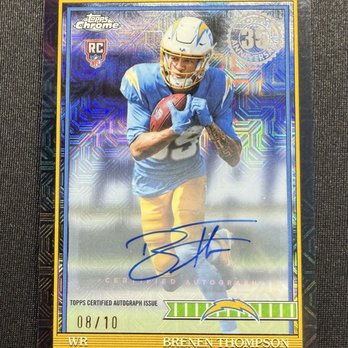
The Fantastic Store Photos

You might also consider


More like The Fantastic Store
Recommended Reviews - The Fantastic Store
Start your review...


Reviews With Photos

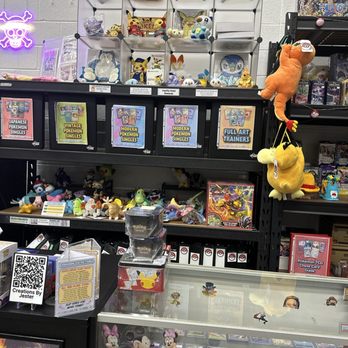
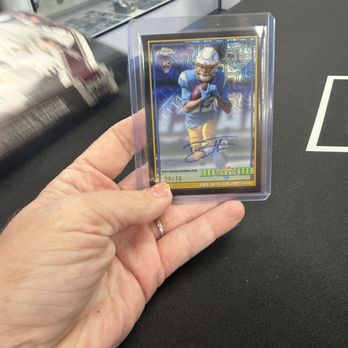
What a well stock shopped! I would say things in here are fairly priced! They have a bunch of great single card options for you to choose from! A lot of great customer service from the staff as well. A quick tour at their products and more


The Fantastic Store is everything you'd want as a one stop shop for everything trading card related. This store is big and it might be a bit intimidating but everyone that is staff here has been extremely friendly. The emphasis on community is strong here where I was welcomed and I was asked if they could help me look for any specific product. Like any card store, the prices depend on what you are willing to pay for said item. I do think their prices are fair and while it's not MSRP, it beats having to deal with the frustration of not being able to obtain product from a brick & mortar. But take this with a grain of salt; you are shopping from one place that has it all and you don't have to wait in line waiting to be informed that the stock is out. Overall, I think the only downside is the parking; it's limited and it's inconvenient to have to park at another store's front to walk to the store you want to go to but it is what it is. Check this place out if you like Cards! read more


19 days ago

2 months ago

7 months ago

1 year ago


What a well stock shopped! I would say things in here are fairly priced! They have a bunch of great single card options for you to choose from! A lot of great customer service from the staff as well. A quick tour at their products and more read more

1 year ago

1 year ago
2 years ago
2 years ago
2 years ago

3 years ago
2 years ago

5 years ago
Love this store! They have a large selection of new and vintage cards, boxed product, and other card collecting materials. The staff is very helpful and their prices are fair. Got 5 cards at a good price to complete my Team Rocket set and Shiny Vault set. Best store for Pokémon in the area. read more


5 years ago
4 years ago
6 years ago
4 years ago

7 years ago
More info about The Fantastic Store
Ask the Community - The Fantastic Store
Review Highlights - The Fantastic Store
You might also consider

















Why does Yelp recommend reviews?
1 review that is not currently recommended
The reviews below are not factored into the business's overall star rating.
1 year ago