
Tacos El Muchacho Alegre
Order Tacos El Muchacho Alegre Takeout or Delivery
Services - Tacos El Muchacho Alegre
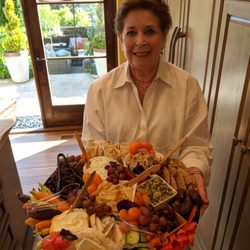
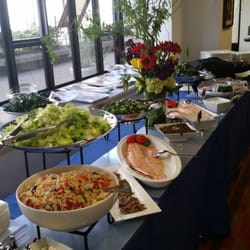
Gluten-free catering
Vegan catering
Vegetarian catering
Tacos El Muchacho Alegre Photos


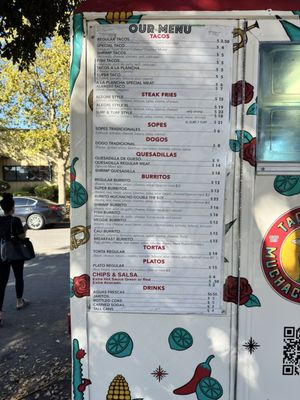
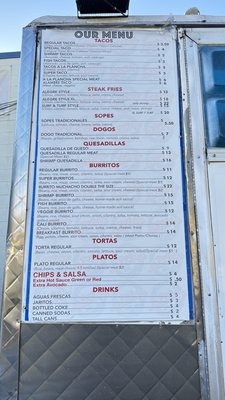
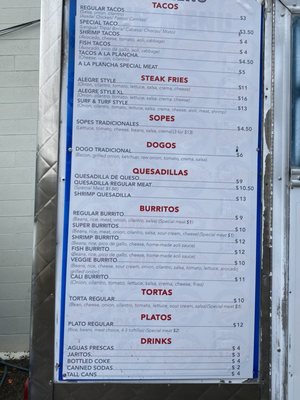

TACOS EL MUCHACHO ALEGRE ATMOSPHERE

You might also consider


More like Tacos El Muchacho Alegre
Recommended Reviews - Tacos El Muchacho Alegre
Start your review...

Reviews With Photos


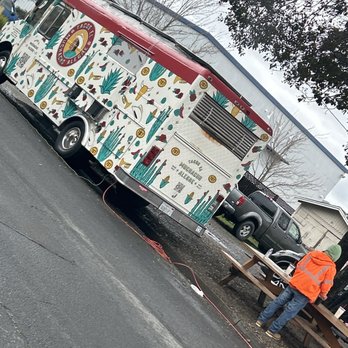
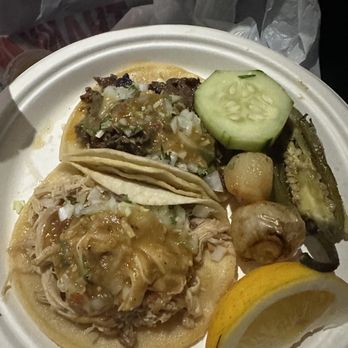
Food: Being the total taco fiend I am, I was in Napa for the day and decided to check out some new taco trucks and this little gem popped up on my radar. Ordered 2 carne asada and 2 pastor tacos. The food was nicely plated with jalepenos and carrots on the side. The serving portion size was good. The food for me was a 3.5/5. The meat was tender but could have been better seasoned. That said I am a bit of a taco snob as I probably have tacos 3-4 times a week so you have to come strong to impress me. Ambiance: The truck is parked in front of a house and there are nice benches for customers to enjoy their food. Service: This is their strong point. The service was excellent. The cashier was friendly and the food was served rather quickly. Parking: Parking is on the street in a residential area Overall: The food was decent but the service was great! If you are not to picky and in the area stop by.
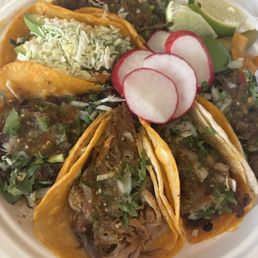

Very solid tacos for a great price. Came here on a Saturday evening with virtually no line. Pretty fast service. We got a variety of tacos to-go, and they were all delicious. The plate traveled well too, no spillage in the car since it was wrapped nicely in foil. I honestly didn't have a favorite type of taco because they were all so good, so I would recommend just getting the widest variety of meats you can - you won't be disappointed.
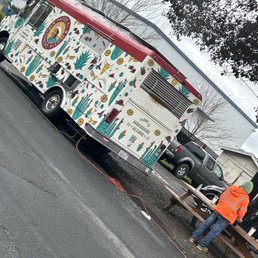

Passing through Napa with construction safety team and did a search and found this taco truck, WOW tacos are FN delicious Asado or Al pastor..the guys ordered Fish and shrimp tacos and they said tacos were really good.. We are definitely coming back in 2-3 weeks.


I always get the steak fries here they are amazing. This time I tried the surf n turf (shrimp & steak), so good! I love that they have a few picnic tables at which you can sit at and eat your meal.


The staff was friendly and I thought it was cool that they had seating available in front of the trucks to enjoy your food there. The prices were reasonable as well. Based on the really good reviews I had high expectations going in. I felt like the meat lacked flavor. The food was fine but I've had better and I've definitely had far worse as well. I recommend trying it out for yourself. I liked the tacos the most.


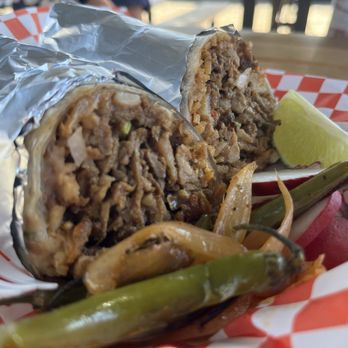
Every time we go to bottle rock, we always come to the spot. They're all a store Carne Asada all is good, but the California burrito is my favorite. Add guacamole.


Went in today and for the third time in a row they got my order wrong . . . Then got over charged 4 dollars. . . Basically ordered 2 surf & turf XLs & got charged for shrimp only. . . Then was given 2 surf & turf reg size. . . So they basically took the two reg fries and put it into bigger plates and just added a lot more toppings. So there were only fries on one corner of the plate. . . Come here pretty often prob won't anymore. . . the fries are delicious when made right tho . . . Still gavem a tip even tho they over charged me and I was 1,000 percent sure for them to get my order right because like I said third time in a row even made him repeat it . . . Oh well bro said he got me "next time"
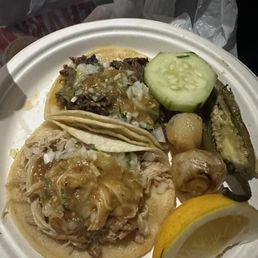

Yummy tacos! Super tasty asada taco and shredded chicken pollo street taco ($3.50 each). Liked the grilled jalapeño and onions on the side and fresh cucumbers. Kind and prompt service.


The burritos themselves tasted good, we had the california burrito and pastor super burrito. The super burrito had no sour cream or guacamole and just a little salsa, it was just a regular burrito. The california burrito was just fries, steak and lettuce and salsa. It was missing the key ingredient avocados and crema. A bit disappointing but still tasted good.


Taco truck with a nice spot in the shade and plenty of benches to eat on-site. My Mexican Coca Cola was ice cold and refreshing while I waited for my tacos. What I ordered: two carne asada tacos with no raw onions only grilled. The tacos were ready in about 5 minutes, were packed full of meat, and served with lime and grilled peppers. The salsa was flavorful but not too spicy. The tacos were delicious and the portions were generous. We were the first of the lunch rush and after we ordered there was a long line of people who were ready to order as well. I am so glad we decided to give this place a try as it is much better than some of the more popular places on yelp. I can't wait to come back and try more items. Thank you to the friendly staff for a great experience!


The best tacos in Napa!! And honestly some of the best tacos I've had in a while. My wife always normally gets carne asada and she loved it! The meat is so tender and delicious with a good flavor too! The salsa they put on the tacos is so delicious. I had tripas(intestines) and cabeza(cow head) which my absolute favorite types of meat and this place does it's right! Don't be afraid to try it just because of what it is, if it looks good, eat it! Some of the best tacos I've had in a long time and they are not shy on the meat! Do yourself a favor and stop by if you're in the area!


So much flavor, it's flavortown for sure. Best customer service & very friendly, food is bomb.


14 days ago


6 days ago

Food: Being the total taco fiend I am, I was in Napa for the day and decided to check out some new taco trucks and this little gem popped up on my radar. Ordered 2 carne asada and 2 pastor tacos. The food was nicely plated with jalepenos and carrots on the side. The serving portion size was good. The food for me was a 3.5/5. The meat was tender but could have been better seasoned. That said I am a bit of a taco snob as I probably have tacos 3-4 times a week so you have to come strong to impress me. Ambiance: The truck is parked in front of a house and there are nice benches for customers to enjoy their food. Service: This is their strong point. The service was excellent. The cashier was friendly and the food was served rather quickly. Parking: Parking is on the street in a residential area Overall: The food was decent but the service was great! If you are not to picky and in the area stop by. read more


Very solid tacos for a great price. Came here on a Saturday evening with virtually no line. Pretty fast service. We got a variety of tacos to-go, and they were all delicious. The plate traveled well too, no spillage in the car since it was wrapped nicely in foil. I honestly didn't have a favorite type of taco because they were all so good, so I would recommend just getting the widest variety of meats you can - you won't be disappointed. read more


3 months ago

8 months ago
Passing through Napa with construction safety team and did a search and found this taco truck, WOW tacos are FN delicious Asado or Al pastor..the guys ordered Fish and shrimp tacos and they said tacos were really good.. We are definitely coming back in 2-3 weeks. read more


2 years ago
The staff was friendly and I thought it was cool that they had seating available in front of the trucks to enjoy your food there. The prices were reasonable as well. Based on the really good reviews I had high expectations going in. I felt like the meat lacked flavor. The food was fine but I've had better and I've definitely had far worse as well. I recommend trying it out for yourself. I liked the tacos the most. read more


5 months ago
Every time we go to bottle rock, we always come to the spot. They're all a store Carne Asada all is good, but the California burrito is my favorite. Add guacamole. read more

6 months ago
Went in today and for the third time in a row they got my order wrong . . . Then got over charged 4 dollars. . . Basically ordered 2 surf & turf XLs & got charged for shrimp only. . . Then was given 2 surf & turf reg size. . . So they basically took the two reg fries and put it into bigger plates and just added a lot more toppings. So there were only fries on one corner of the plate. . . Come here pretty often prob won't anymore. . . the fries are delicious when made right tho . . . Still gavem a tip even tho they over charged me and I was 1,000 percent sure for them to get my order right because like I said third time in a row even made him repeat it . . . Oh well bro said he got me "next time" read more


1 month ago

1 year ago
The burritos themselves tasted good, we had the california burrito and pastor super burrito. The super burrito had no sour cream or guacamole and just a little salsa, it was just a regular burrito. The california burrito was just fries, steak and lettuce and salsa. It was missing the key ingredient avocados and crema. A bit disappointing but still tasted good. read more


1 year ago
Taco truck with a nice spot in the shade and plenty of benches to eat on-site. My Mexican Coca Cola was ice cold and refreshing while I waited for my tacos. What I ordered: two carne asada tacos with no raw onions only grilled. The tacos were ready in about 5 minutes, were packed full of meat, and served with lime and grilled peppers. The salsa was flavorful but not too spicy. The tacos were delicious and the portions were generous. We were the first of the lunch rush and after we ordered there was a long line of people who were ready to order as well. I am so glad we decided to give this place a try as it is much better than some of the more popular places on yelp. I can't wait to come back and try more items. Thank you to the friendly staff for a great experience! read more


1 year ago
The best tacos in Napa!! And honestly some of the best tacos I've had in a while. My wife always normally gets carne asada and she loved it! The meat is so tender and delicious with a good flavor too! The salsa they put on the tacos is so delicious. I had tripas(intestines) and cabeza(cow head) which my absolute favorite types of meat and this place does it's right! Don't be afraid to try it just because of what it is, if it looks good, eat it! Some of the best tacos I've had in a long time and they are not shy on the meat! Do yourself a favor and stop by if you're in the area! read more


1 year ago
So much flavor, it's flavortown for sure. Best customer service & very friendly, food is bomb. read more
10 months ago
4 months ago
Business owner information

Amador P.
Hi Brent,…

1 year ago




10 months ago
5 months ago
6 months ago

2 years ago
This taco truck totally hit the spot after drinking all day in Napa. It helped me sober up from all the wine and beers. We came here Saturday around 6:30pm. Not busy at all. We were the only ones there so there were empty picnic tables. But they ran out of lengua and cabeza. We ordered the super burrito with bucha and carnitas. Tender meats and flavorful burritos. Service was fast. Love the grilled baby onions. Wished they gave more. read more


1 year ago

1 year ago
7 months ago
1 year ago

1 year ago

So many trucks in Napa Valley but only one so far that prepares the Mexican-Style Hotdogs! Love the bacon & grilled onions and rest of the frills! Could use some grilled jalapeños to kick it up a notch! Regular Tacos were filled with generous amount of meat and nicely spiced. I waited under the trees with the bench and table- Just kick-back wait and strike up conversation with locals. Food Truck is parked in an industrial street, into a residential house, so that can throw you off a little but park along the street... or up the drive-way. read more


1 year ago
11 months ago

1 year ago


1 year ago
Page 1 of 7
More info about Tacos El Muchacho Alegre
751 Jackson St
Napa, CA 94559
Directions
(707) 398-1526
Call Now
Visit Website
http://www.tacoselmuchachoalegre.com
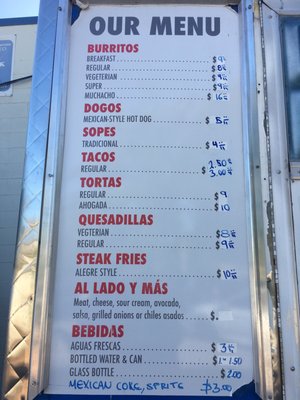
Full menu
Hours
Payment methods
Food & Alcohol
Indoor Amenities
Outdoor Amenities
Other Amenities
From the Business
Tacos El Muchacho Alegre Reviews in Other Languages
Ask the Community - Tacos El Muchacho Alegre
Do they cater to parties?
Yes, since they're not always in front of Universal Auto Repair ;) When they're off at catering events, they're not at their usual spot. Learned that from firsthand experience. Having experienced their food&service, yes, they're PERFECT for catering…
You might also consider





























Why does Yelp recommend reviews?
14 reviews that are not currently recommended
The reviews below are not factored into the business's overall star rating.
2 months ago

1 year ago

8 years ago

4 years ago
9 years ago
9 years ago

9 years ago
8 years ago
6 years ago

9 years ago

3 years ago
9 years ago


9 years ago


