
Order Sushi Bei Takeout or Delivery
Sushi Bei Photos

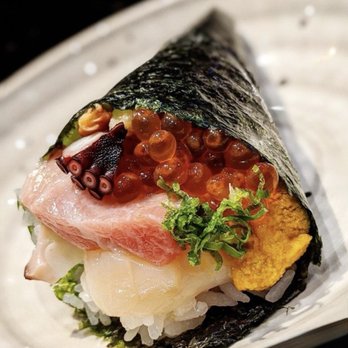
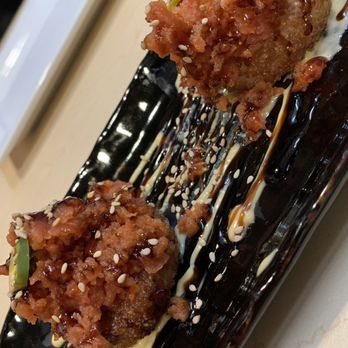
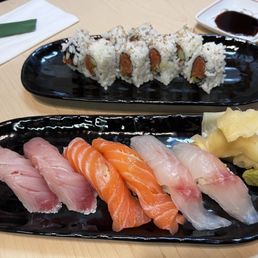
Business Info
Sushi Bei Popular Dishes


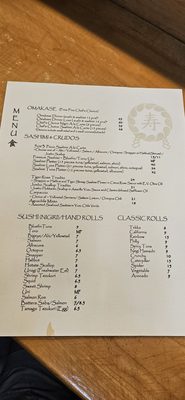
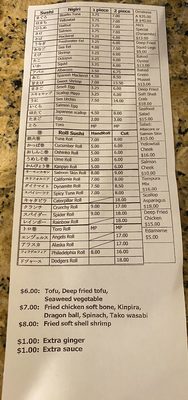


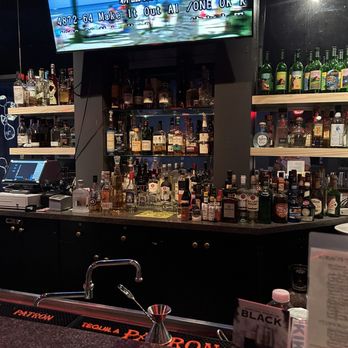
SUSHI BEI ATMOSPHERE
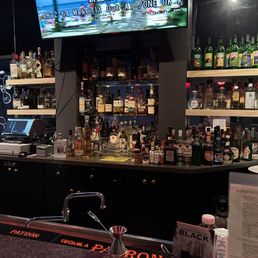

You might also consider


Recommended Reviews - Sushi Bei
Consumer Alert: Low Food Safety Score!

Did you know health officials inspect food service facilities to improve food safety?
This facility may have received a health score that is lower than others in its area. You can check out its health score details on its Yelp page.
Start your review...


Reviews With Photos
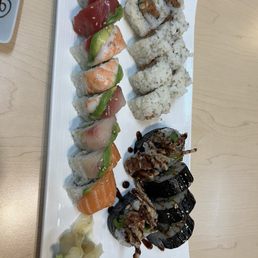

The sushi was such high quality, fresh, and delicious! You can see the chef making your sushi. This is a small restaurant with a bar. The service is prompt, polite, and attentive.


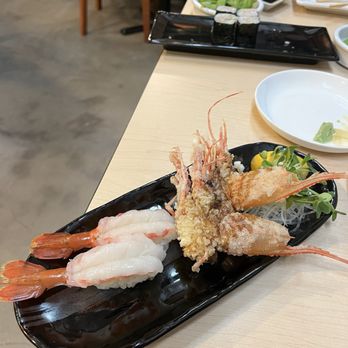
A sushi bar with a full bar selection!? Sign me up! Their sushi is high quality, crafted by a japanese man in the industry for decades. I ordered the blue fin toro, large scallop, uni, sweet shrimp, salmon fat belly for nigiri. Highlights: The blue fin just melts in your mouth, but one order is just enough to satisfy that pallet. Uni was sweet and creamy, not briny at all. The large scallop was topped with yuzu kosho ( no need to dip in soy sauce), which the subtle sweeetness just bursts in the moment you inhale it. The sweet shrimp was surprisingly large, but juicy and sweet. They deep fry the head which you can finish after. The atmosphere really gave me that japanese vibe from late 90s. They have a lounge kareoke bar section, thus having the full bar selection. They do not hold back in their liquor The service is very gentle, well serviced with a sweet lady, making sure everything is accommodated


Did a to go order for 3 hand rolls and waited probably 5 minutes. Great customer service! Hand rolls were pretty decent and reasonably priced


Hands down, one of the best sushi experiences I've ever had. Everything that was served was top-tier. You can tell the owner cares deeply about the quality. The staff was friendly, attentive, and knowledgeable. All of their recommendations were delicious! This is my new go-to sushi spot and I'm already counting down the days until I come back!


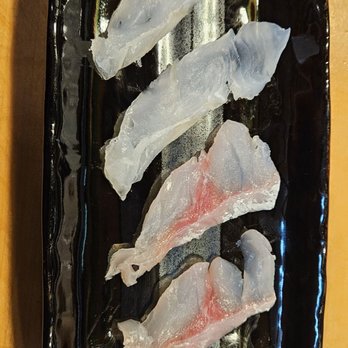
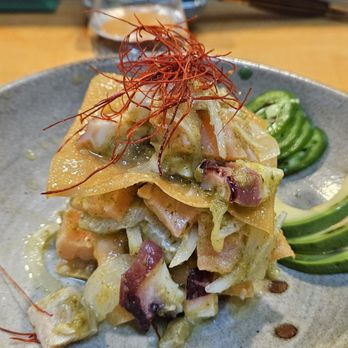
New Sushi Bèi !!! Searching for late night Sushi dining is near impossible in Gardena-Torrance, the epicenter of the Japanese American community. Sushi Bèi came to the rescue by staying open until 11pm on a Thursday week night. Sushi Bèi in the same mini mall as Shinsèn Gumi Rāmèn had been around a long time under the leadership of an old school, Shōwa era Sushi chef who created a nostalgic, neighborhood, Shita Machi old town atmosphere. Now, there has been a change in ownership and direction in culinary style as well as retaining Èdomaè Sushi tradition. Chef Yasuhiko "Yako" from Japan & Justin, his Japanese American partner, have the perfect union in one concentrating on elegant Èdomaè Nigiri Sushi and the other on a more innovative fusion style. Chosing was fun between more traditional Japanese and the new wave menu emphasizing more world cuisine influences. 1) Tiger Rose Tiradito: Tiradito refers to Peruvian cuisine of raw fish in a citrus juice based sauce and is basically Ceviche influenced by Japanese who emigrated to Perú. Chef Nobuyuki Matsuhisa is the famous Japanese chef introducing this fusion cuisine to the U.S. Two plush, cloudy, white rose shaped Hiramè/halibut and a lightly steamed, pleasantly fibrous white Tiger shrimp red striped is also formed into a rosebud. Dressed in a subtle citrus juice gastrique mildly scented with rose water harking back to Persian royal cuisine and buttery, mildly peppery extra virgin olive oil. Slice of lime is cut in a Muki Mono style to create a heart shaped leaf. Single green Shiso/Japanese basil leaf, Tsuma/shredded Daikon root, chopped green onions are vegetables adding healthful phytochemicals as well as complementary aromatics & textures. I asked for a bit of Kuki Wasabi/fermented Wasabi stems to add a bit more piquant Umami. 2) Agua Chile Mixto: Mélange of chopped salmon, halibutt, octopus tossed in a citrus, cilantro, greenish dressing. The surface of the seafood is lightly "cooked" by the acidity. Garnish of Jalapeño chile & aguacate slices. Three fried, thin, crispy won ton pasta substitute for fried discs of Tortilla de Maís that usually accompany Mexican Agua Chiles and are interspersed between the seafood to create a multi-tiered tower. All this is topped with a chiffonade of dried, sweet red chiles. The cilantro in the dressing adds an undertone of funk that contrasts to the clean, fruity, acidic flavours and ocean kissed Umami of the seafood. Definitely, a more sophisticated, nuanced version. 3) Ika Sōmèn: Juliened squid topped with sweet, oceanic, pudding-like Uni. Also asked for Nèri Umè/purèed, salt pickled plum to spice up the left over squid that wasn't directly flavoured by the Uni. 4) Usu Zukuri/ultra thin cut Sashimi of Hiramè, Kuro Dai/Black Snapper, Shima Aji/striped jack from Japan which was particularly excellent with firm yet pliable, smooth flesh full of meaty, fish Umami. Used a bit of Neri Umè/puréed salted plum instead of Shōyu/soy sauce. 5) Nigiri (nee ghee ree) Sushi: a) Steamed Tiger shrimp topped with red Tobiko/mini roe & Quail yellow egg yolk. b) Èngawa: Fatty, fibrous, meaty muscle around the ventral & dorsal fins of Hiramè sprinkled with rare, seasonal Myōga/ginger root flower. c) Seared Salmon with a dot of Yuzu Koshō which is puréed Yuzu/Japanese citrus & piquant green chile peppers. d) Saba/mackerel marinated in Japanese rice vinegar with translucent Kombu/kelp on top. e) Gunkan Sushi of Hotatè/Hokkaidō scallop plushness sprinkled with Ikura/salmon roe. f) Ōtoro Tèkka Maki: Fatty Maguro/bluefin tuna minced with Takuan/dried, salt cured, sweet Daikon radish. The plushness of the Ōtoro has crunch of the Takuan for textural contrast. 6) Shakè no Namban Zukè: Possibly a Japanese-Portugese fusion dish from 500 years ago. Salmon dusted with Katakuriko starch, fried then marinated in sweet Japanese rice vinegar, onion, lemon. It is a variation of Escabeche. Generous serving considering it was a Tsuki Dashi/chef's offering. 7) Japanese Sweet Egg Omelette is very yellow orange from use of organic, free range Jidori chicken. Firm yet moist & spongy. Good sweet dessert ending to dinner accompanied by Kona Cha green tea. 1-6) Sènshin Junmai Daiginjo Sakè: Delicate, refined Sakè that is rather dry, light, cleansing bitterness that is a great palate cleaner. Pear, lemon notes add fruitiness. Really enjoyed the international currents that are woven into some of the dishes as well as having more traditional Èdomaè Sushi renditions. Crew here is hospitable, friendly, informal. Be prepared to hear good or often bad singing since the Karaokè Bar is just next door. 5 stars for innovative & classic Japanese cuisine mixed with genial, thoughtful service.


Sushi Bei is located inside a mini strip mall of different restaurants/small stores. We came across it because we wanted to try ramen next door but the wait was crazy. We decided to go here and what a hidden gem. It's a small sushi restaurant with several tables and a sushi bar. We ordered a variety of items, spicy tuna crispy rice, salmon sashimi, nigiri, cut rolls and amaebi. Everything was so fresh, especially the fish. It's super authentic and service is excellent. This is our new sushi spot! They have a wide variety of menu items and I can't wait to try the hot food. Prices are reasonable given the quality.


Stumbled upon this gem while searching for sushi after hours, and this did not disappoint! It's a small and quaint restaurant with seats that surround the sushi bar. Next door is a bar with karaoke that sounds like a good ol' party. Tried various hand rolls here and the seafood tasted very fresh and high quality fish. Staff here is very sweet and attentive. They made sure everyone in the restaurant felt warm and welcome. Looking forward to coming back here soon!


Really cute lowkey sushi joint . I don't know what they put in that spicy tuna roll but it's .


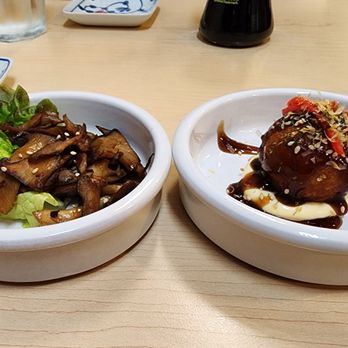
We each got the 12 piece Omakase. Soooooooo good! The seaweed sunomono salad was delicious, I couldn't eat it fast enough. The mushroom dish was so buttery and savory, they could have passed for a meat substitute, easily. For the first time in all my time of eating sushi, Justin gave us Octopus that we would actually eat again!! We saved the big 3 for last (salmon, tuna, yellowtail) and it was spectacular. The karaoke soundtrack from next door//across the hall makes for a great night. The sushi side and the bar side are kind of small but it's an intimate feel that you can appreciate. Highly recommend. Get in while it's still under the radar!!


I can't believe you this gem of a place is so close to home ! Everything is delicious and the quality is off the Charts!!!


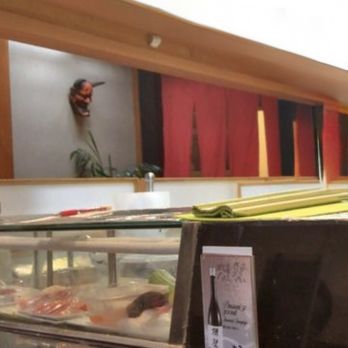
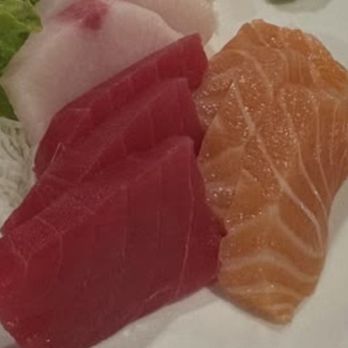
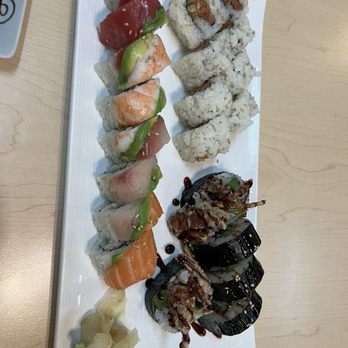
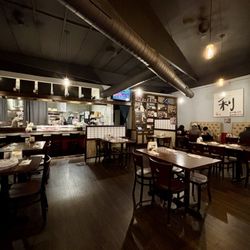
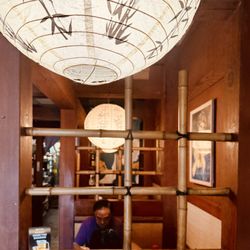
This is the kind of spot that makes you feel like you accidentally walked into a tiny slice of Japan, authentic sushi, cozy nostalgia, and a chef whose service is so good you start wondering if he secretly knew you came in to cure the hunger craving inside of you. Sushi Bei sits on the quieter side of Gardena, but the moment you step in, that nostalgic Japanese vibe hits you, warm wood, calm energy, and the kind of cozy ambience that makes you want to whisper even though nobody told you to. The real magic happens at the bar, where the chef delivers excellent service with the calm confidence of someone who's been crafting sushi longer than I've been deciding what to eat for dinner. Sitting there watching him work is basically dinner and a show, except the show is a master slicing, shaping, and plating like a sushi wizard, and the dinner is... perfectly done and delicious, everything he recommends is so tasty, because you're not about to argue with greatness. "Let's just say my stomach was filing compliments faster than my brain could keep up." * Agua‑Chile, hands down a must try....this was bright, spicy, refreshing, and the kind of dish that makes you sit up straight like "okay, we're doing this." * Spicy sashimi, WOW...clean heat, perfect cuts, and dangerously addictive. * Omakase, was super delicious, this is a beautiful parade of flavors that had me nodding respectfully after every bite. * Otoro Tekka Maki, was buttery, rich, melt‑in‑your‑soul goodness. I almost bowed to the chef after this one. As I sat there watching the chef craft each piece with precision, and your stomach is like, "Sir... please... I'm right here." But you wait, because art takes time, and this place is absolutely serving art, and delicious food. Between the authentic flavors, the cozy nostalgic vibe, and a chef who treats every dish like a personal masterpiece, this place is one of those Gardena gems that reminds you why sitting at the bar is always the right move. I will definitely be returning back again! Miguel C. read more






2 months ago

A sushi bar with a full bar selection!? Sign me up! Their sushi is high quality, crafted by a japanese man in the industry for decades. I ordered the blue fin toro, large scallop, uni, sweet shrimp, salmon fat belly for nigiri. Highlights: The blue fin just melts in your mouth, but one order is just enough to satisfy that pallet. Uni was sweet and creamy, not briny at all. The large scallop was topped with yuzu kosho ( no need to dip in soy sauce), which the subtle sweeetness just bursts in the moment you inhale it. The sweet shrimp was surprisingly large, but juicy and sweet. They deep fry the head which you can finish after. The atmosphere really gave me that japanese vibe from late 90s. They have a lounge kareoke bar section, thus having the full bar selection. They do not hold back in their liquor The service is very gentle, well serviced with a sweet lady, making sure everything is accommodated read more


1 year ago


1 year ago
Hands down, one of the best sushi experiences I've ever had. Everything that was served was top-tier. You can tell the owner cares deeply about the quality. The staff was friendly, attentive, and knowledgeable. All of their recommendations were delicious! This is my new go-to sushi spot and I'm already counting down the days until I come back! read more


New Sushi Bèi !!! Searching for late night Sushi dining is near impossible in Gardena-Torrance, the epicenter of the Japanese American community. Sushi Bèi came to the rescue by staying open until 11pm on a Thursday week night. Sushi Bèi in the same mini mall as Shinsèn Gumi Rāmèn had been around a long time under the leadership of an old school, Shōwa era Sushi chef who created a nostalgic, neighborhood, Shita Machi old town atmosphere. Now, there has been a change in ownership and direction in culinary style as well as retaining Èdomaè Sushi tradition. Chef Yasuhiko "Yako" from Japan & Justin, his Japanese American partner, have the perfect union in one concentrating on elegant Èdomaè Nigiri Sushi and the other on a more innovative fusion style. Chosing was fun between more traditional Japanese and the new wave menu emphasizing more world cuisine influences. 1) Tiger Rose Tiradito: Tiradito refers to Peruvian cuisine of raw fish in a citrus juice based sauce and is basically Ceviche influenced by Japanese who emigrated to Perú. Chef Nobuyuki Matsuhisa is the famous Japanese chef introducing this fusion cuisine to the U.S. Two plush, cloudy, white rose shaped Hiramè/halibut and a lightly steamed, pleasantly fibrous white Tiger shrimp red striped is also formed into a rosebud. Dressed in a subtle citrus juice gastrique mildly scented with rose water harking back to Persian royal cuisine and buttery, mildly peppery extra virgin olive oil. Slice of lime is cut in a Muki Mono style to create a heart shaped leaf. Single green Shiso/Japanese basil leaf, Tsuma/shredded Daikon root, chopped green onions are vegetables adding healthful phytochemicals as well as complementary aromatics & textures. I asked for a bit of Kuki Wasabi/fermented Wasabi stems to add a bit more piquant Umami. 2) Agua Chile Mixto: Mélange of chopped salmon, halibutt, octopus tossed in a citrus, cilantro, greenish dressing. The surface of the seafood is lightly "cooked" by the acidity. Garnish of Jalapeño chile & aguacate slices. Three fried, thin, crispy won ton pasta substitute for fried discs of Tortilla de Maís that usually accompany Mexican Agua Chiles and are interspersed between the seafood to create a multi-tiered tower. All this is topped with a chiffonade of dried, sweet red chiles. The cilantro in the dressing adds an undertone of funk that contrasts to the clean, fruity, acidic flavours and ocean kissed Umami of the seafood. Definitely, a more sophisticated, nuanced version. 3) Ika Sōmèn: Juliened squid topped with sweet, oceanic, pudding-like Uni. Also asked for Nèri Umè/purèed, salt pickled plum to spice up the left over squid that wasn't directly flavoured by the Uni. 4) Usu Zukuri/ultra thin cut Sashimi of Hiramè, Kuro Dai/Black Snapper, Shima Aji/striped jack from Japan which was particularly excellent with firm yet pliable, smooth flesh full of meaty, fish Umami. Used a bit of Neri Umè/puréed salted plum instead of Shōyu/soy sauce. 5) Nigiri (nee ghee ree) Sushi: a) Steamed Tiger shrimp topped with red Tobiko/mini roe & Quail yellow egg yolk. b) Èngawa: Fatty, fibrous, meaty muscle around the ventral & dorsal fins of Hiramè sprinkled with rare, seasonal Myōga/ginger root flower. c) Seared Salmon with a dot of Yuzu Koshō which is puréed Yuzu/Japanese citrus & piquant green chile peppers. d) Saba/mackerel marinated in Japanese rice vinegar with translucent Kombu/kelp on top. e) Gunkan Sushi of Hotatè/Hokkaidō scallop plushness sprinkled with Ikura/salmon roe. f) Ōtoro Tèkka Maki: Fatty Maguro/bluefin tuna minced with Takuan/dried, salt cured, sweet Daikon radish. The plushness of the Ōtoro has crunch of the Takuan for textural contrast. 6) Shakè no Namban Zukè: Possibly a Japanese-Portugese fusion dish from 500 years ago. Salmon dusted with Katakuriko starch, fried then marinated in sweet Japanese rice vinegar, onion, lemon. It is a variation of Escabeche. Generous serving considering it was a Tsuki Dashi/chef's offering. 7) Japanese Sweet Egg Omelette is very yellow orange from use of organic, free range Jidori chicken. Firm yet moist & spongy. Good sweet dessert ending to dinner accompanied by Kona Cha green tea. 1-6) Sènshin Junmai Daiginjo Sakè: Delicate, refined Sakè that is rather dry, light, cleansing bitterness that is a great palate cleaner. Pear, lemon notes add fruitiness. Really enjoyed the international currents that are woven into some of the dishes as well as having more traditional Èdomaè Sushi renditions. Crew here is hospitable, friendly, informal. Be prepared to hear good or often bad singing since the Karaokè Bar is just next door. 5 stars for innovative & classic Japanese cuisine mixed with genial, thoughtful service. read more






Sushi Bei is located inside a mini strip mall of different restaurants/small stores. We came across it because we wanted to try ramen next door but the wait was crazy. We decided to go here and what a hidden gem. It's a small sushi restaurant with several tables and a sushi bar. We ordered a variety of items, spicy tuna crispy rice, salmon sashimi, nigiri, cut rolls and amaebi. Everything was so fresh, especially the fish. It's super authentic and service is excellent. This is our new sushi spot! They have a wide variety of menu items and I can't wait to try the hot food. Prices are reasonable given the quality. read more



4 months ago

Stumbled upon this gem while searching for sushi after hours, and this did not disappoint! It's a small and quaint restaurant with seats that surround the sushi bar. Next door is a bar with karaoke that sounds like a good ol' party. Tried various hand rolls here and the seafood tasted very fresh and high quality fish. Staff here is very sweet and attentive. They made sure everyone in the restaurant felt warm and welcome. Looking forward to coming back here soon! read more


2 years ago
Really cute lowkey sushi joint . I don't know what they put in that spicy tuna roll but it's . read more

7 months ago
1 year ago
1 year ago
2 years ago
Absolute fantastic on every level, but most importantly on food quality. Perfect. I spent 6 months in Okinawa and this place brings me back. They care about their product. read more


2 years ago
We each got the 12 piece Omakase. Soooooooo good! The seaweed sunomono salad was delicious, I couldn't eat it fast enough. The mushroom dish was so buttery and savory, they could have passed for a meat substitute, easily. For the first time in all my time of eating sushi, Justin gave us Octopus that we would actually eat again!! We saved the big 3 for last (salmon, tuna, yellowtail) and it was spectacular. The karaoke soundtrack from next door//across the hall makes for a great night. The sushi side and the bar side are kind of small but it's an intimate feel that you can appreciate. Highly recommend. Get in while it's still under the radar!! read more


2 years ago

3 years ago
I can't believe you this gem of a place is so close to home ! Everything is delicious and the quality is off the Charts!!! read more


2 years ago
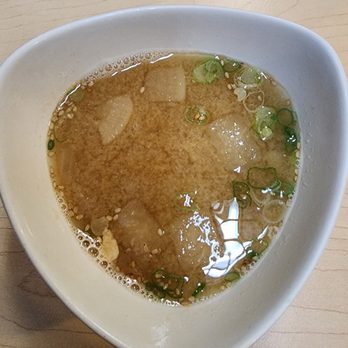
The nigiri is great for the price; if you go, you HAVE to get the chowder. (Also I have a deep hatred for mushrooms, but they gave us the mushroom side dish and it was amazing). read more

2 years ago
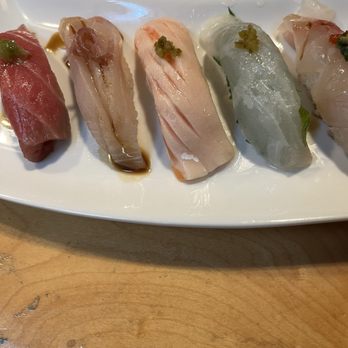
Fish extremely fresh and seasoned just right, don't even need soy sauce! Try out their omakase, great variety and all pieces delicious. read more


2 years ago
Excellent food and service! Definitely one of my favorite local spots to go to. They also have KARAOKE! This place would be great for large parties too, especially if your group likes to drink & sing, but not travel far! read more


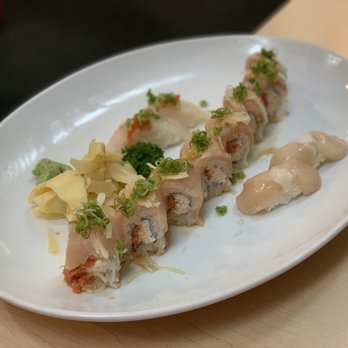
Ambiance: small family style restaurant, packed seats inside and they take reservations Service: the chef and the waitress are very friendly and patient with requests, attentively refilled water Food: variety choices on the menu, authentic flavors and they serve the real and fresh wasabi here, not the green wasabi paste commonly used at a lot places Halibut - **** nigiri sushi, fresh, recommend Japanese Scallop - **** nigiri sushi, large piece, recommend Dodgers Roll - *** spicy tuna, crab meat, top albacore Deep Fried Tofu - *** in soy sauce soup Ali's Special Dynamite - **** crab meat with mayonnaise, scallops and mushroom, baked and creamy, recommend Fried Chicken Soft Bone - ***** crunchy, highly recommend Ice Cream - **** complimentary in the end, served with red bean and brown sugar power Price: small to medium portions and reasonable prices, about $30 per person read more




1 year ago

3 years ago
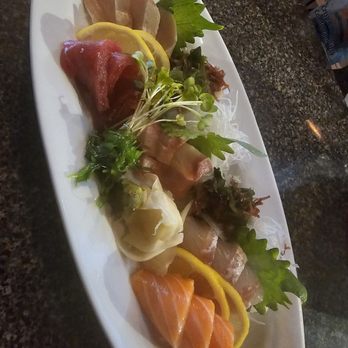
Great food, wonderful selection of fresh fish and seafood. Staff was amazing and attentive. Service was exceptional, and bar selection was really good. They have a variety of cold and hot sake. The Toro was so fresh, and the green mussels were really good. We also had their sashimi platter, which was so delicious. They were able to accommodate our group of 9 at the bar, which was great and fun. read more


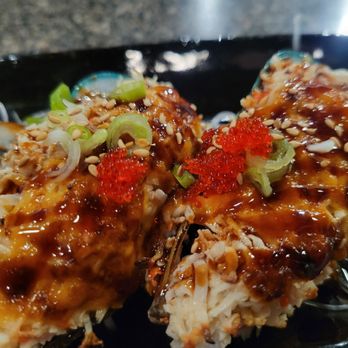
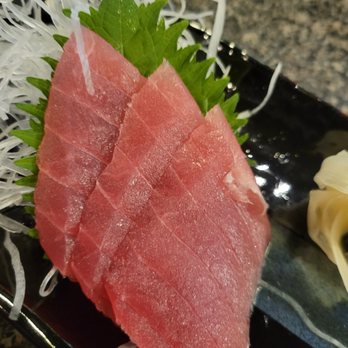

1 year ago
2 years ago

3 years ago
3 years ago
Really good sushi and staff is very friendly! They even have lobster ravioli Place is very nice and cozy! read more


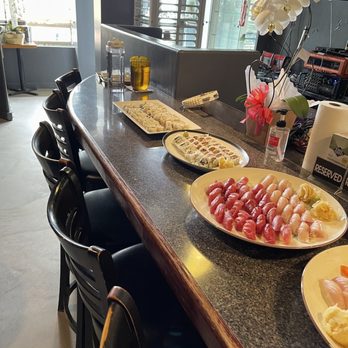

8 years ago
I was in the mood for some sushi, and decided to check one out in the south bay. After looking through different options on Yelp, I decided to eat at Sushi Bei. I walked in to this small sushi place in Gardena on a quiet afternoon. There were a few other people here, but the place was not noisy at all. I sat at the sushi bar, and checked out their options. I decided to go with my regular: a rainbow roll. I also got a spiny tuna options, and topped the meal off with some ice cream. The portion sizes were great, not too big and not too small. The ice cream was delicious, and the whole meal sat well with me afterward. It hit the spot, but did not leave me comatose afterward. The staff here was friendly, and made sure I was taken cared of. This place is a gem in the south bay, I recommend them. read more


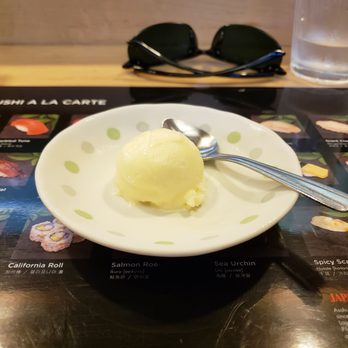

4 years ago
2 years ago
3 years ago
2 years ago

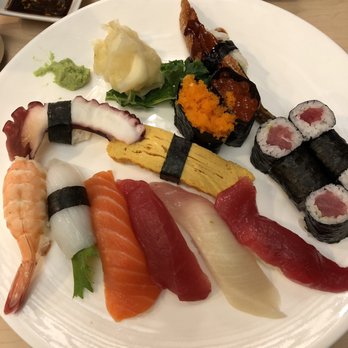
Had the Omakase B (chef's choice) sushi selection. It came with 16 pieces of sushi which included maguro (tuna), ikura (salmon roe), ika (squid), tako (octopus), ebi (shrimp), masago (smelt roe), unagi (fresh water eel), sake (salmon), hamachi (yellowtail tuna), toro (fatty tuna), and tamago (egg). The staff were friendly and accommodating, and the ambiance was accented with enka music (Japanese oldies). I was transported back to my childhood and the nostalgia was brimming. They even had tea cups with pictures of sushi that reminded me of my deceased grandparents (how I miss them). This is an old school sushi restaurant so don't expect all those crazy rolls, cream cheese, and non-traditional ingredients. They have a sushi bar and tables at this location. read more

4 years ago
3 years ago

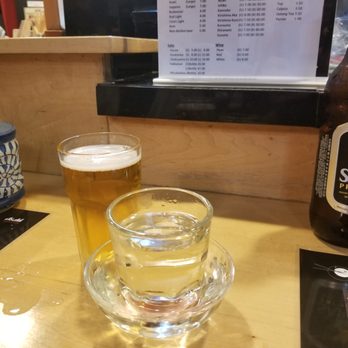
Went here on date night. Our usual place, Crazy Rockin' Sushi sadly closed at 9PM and we wanted some delicious late night Sunday Sushi. This place was the closest with decent reviews so we checked it out. We walked into a very authentic Japanese Sushi Restaurant and sat at the bar. We immediately ordered a Large Sapporo and 2 Small Saki's (Recommended over 1 large by the waitress). They do the authentic Saki pour (class of saki in a bowl) which gives you a lot for your money!! Also ordered Tamago, Albacore, Tuna, Himachi, Dodger Roll, Spicy Tuna Roll and Taco Sunomono (pardon any spelling typos). Everything was delcious, on point, fresh and OISHI! :) I Love the fact that they actually speak Japanese here and have are great people. It isn't the cheapest sushi in South bay nor the most expensive but its great. If you are looking for a million different typos of 'Americanized' rolls, then this isn't the place, but I can vouch for its deliciousness. Thanks for a great experience. Food: Above Average Cleanliness: Above Average Decor: Casual, a bit bright Staff: All very nice, helpful and knowledgeable of there position and restaurant. Loved the authenticity Also, they do usually have sports on the TV's by the way in case that suits your fancy. Thank you read more


Page 1 of 6
More info about Sushi Bei
2021 W Redondo Beach Blvd
Gardena, CA 90247
Directions
(310) 515-5246
Call Now
Order Takeout or Delivery
Start Order
Visit Website
https://sushibeirestaurant.com
Full menu
Hours
Payment methods
Food & Alcohol
Indoor Amenities
Outdoor Amenities
Other Amenities
From the Business
More Info
Health Score
Sushi Bei Reviews in Other Languages
Ask the Community - Sushi Bei
You might also consider














Why does Yelp recommend reviews?
14 reviews that are not currently recommended
The reviews below are not factored into the business's overall star rating.

16 years ago
15 years ago

11 years ago
13 years ago

17 years ago

15 years ago
15 years ago


17 years ago

11 years ago

15 years ago

13 years ago

13 years ago

10 years ago


