
Request pricing & availability
Response time
2 hours
Services - Superior Foundation Repair
Foundation repair
Superior Foundation Repair Photos


You might also consider


More like Superior Foundation Repair
Recommended Reviews - Superior Foundation Repair
Start your review...


Reviews With Photos


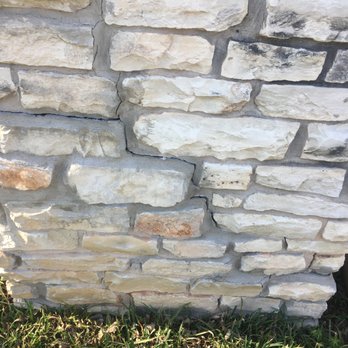
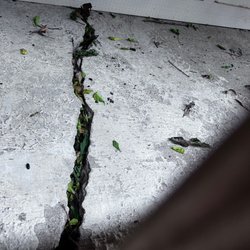
Mike came out to access our foundation failure that his company repaired a year prior. He told me to put liquid nail in the cracks.?! That is TERRIBLE advice as a professional. This might seem like a smart temporary fix but it is a code violation if you were to try and sell your house this month. He said, 'I've seen this before on previous houses we have done due to us not putting a beam under the chimney area to support the foundation beneath it.' That being the case why continue to do work/repairs that are most likely going to have the same reoccurring problems?!? He told me they weren't going to fix the repair but would for an additional $400 past the $6,000 already paid on the repair. The fireplace being included as part of the original foundation falling under warranty, I don't really feel it's our job or responsibility to pay any additional costs to have this issue repaired. If the job was done correctly by Mike & SFR stands by their quality work/standard, we wouldn't need to add an additional support beam under the foundation this soon after the initial repair. His demeanor sadly was seemed demeaning as if I was a little boy not well versed on the subject matter, when Im actually TREC certified home inspector. I DON'T RECOMMEND THIS COMPANY WHATSOEVER. I TYPICALLY ONLY WRITE POSITIVE REVIEWS ON THIS PLATFORM TOO.


3 years ago

1 year ago
1 year ago

2 years ago
Business owner information

Macy M.
Thank you so much for leaving us a review. We are happy to accomodate…
3 years ago

7 years ago
Mike came out to access our foundation failure that his company repaired a year prior. He told me to put liquid nail in the cracks.?! That is TERRIBLE advice as a professional. This might seem like a smart temporary fix but it is a code violation if you were to try and sell your house this month. He said, 'I've seen this before on previous houses we have done due to us not putting a beam under the chimney area to support the foundation beneath it.' That being the case why continue to do work/repairs that are most likely going to have the same reoccurring problems?!? He told me they weren't going to fix the repair but would for an additional $400 past the $6,000 already paid on the repair. The fireplace being included as part of the original foundation falling under warranty, I don't really feel it's our job or responsibility to pay any additional costs to have this issue repaired. If the job was done correctly by Mike & SFR stands by their quality work/standard, we wouldn't need to add an additional support beam under the foundation this soon after the initial repair. His demeanor sadly was seemed demeaning as if I was a little boy not well versed on the subject matter, when Im actually TREC certified home inspector. I DON'T RECOMMEND THIS COMPANY WHATSOEVER. I TYPICALLY ONLY WRITE POSITIVE REVIEWS ON THIS PLATFORM TOO. read more


3 years ago

4 years ago

5 years ago
Do not trust anything committed to by this company outside of writing. They will not ensure their onsite crews are upholding any standards (including destruction and misuse of property), will not provide anything per previously communicated expectations, and will blame you for their own lack of focus, committed timelines, execution, or follow through. read more


4 years ago
Business owner information
Macy M.
We are thrilled you are happy with your experience with us. Thank you…

9 years ago

10 years ago

8 years ago

12 years ago


12 years ago

15 years ago
8 years ago

12 years ago
5 years ago
Business owner information
Macy M.
Hi Michelle,…
7 years ago

16 years ago
9 years ago
12 years ago

10 years ago

9 years ago
11 years ago

12 years ago
7 years ago
15 years ago

9 years ago
14 years ago

11 years ago
13 years ago

12 years ago
9 years ago
9 years ago
10 years ago
10 years ago
Page 1 of 2
More info about Superior Foundation Repair
Ask the Community - Superior Foundation Repair
Review Highlights - Superior Foundation Repair
You might also consider






Why does Yelp recommend reviews?
14 reviews that are not currently recommended
The reviews below are not factored into the business's overall star rating.
12 years ago
8 years ago

17 years ago
9 years ago

9 years ago
15 years ago

9 years ago
7 years ago
6 years ago
4 years ago
14 years ago
7 years ago
7 years ago

14 years ago


