
Russell & Smith Mazda
Services - Russell & Smith Mazda
Auto brake repair
Auto engine repair
Auto general diagnosis
Russell & Smith Mazda Photos


You might also consider


More like Russell & Smith Mazda
Recommended Reviews - Russell & Smith Mazda
Start your review...


Reviews With Photos


With covid they are employing some cool service technology: 1)They text you a video showing all the components on your car that has issues. 2) This is followed by a text with a link to their quote. Came in for an oil change and they found a lot of other issues with my car. Oil change was fairly reasonable 60 for full synthetic for a Mazda 3. Wait room was clean with coffee tea and water if you need it!


Had a great experience with Gilton Huggett at this dealership, along with the finance guy. Mr. Gilton has been with Mazda and this dealership for 14 years which is rare in the car biz. He's very knowledgeable and I didn't feel like I was being sold in any way A++ sales person.

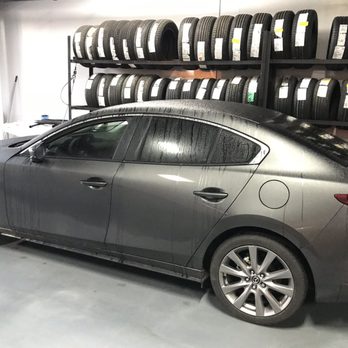
I took my car in for tire repair without an appointment after an emergency and was assisted by Alfredo. After being informed the tire could not be repaired but had to be replaced, Alfredo worked with me to order the new tire and ensure it would be covered under warranty. Unfortunately the tire needed for my replacement was not in stock and had to be ordered. Since it was so close to shop closing and I took the car in on a Friday, I had to leave my car at the service shop. Alfredo provided me with a loaner car while my car was in the shop and kept me up to date with the progress of the service. The car was ready as I was told it would be by 4pm the following Monday and was able to pick it up and head back on the road! I'm very pleased with the experience. Thanks Alfredo!

Went to check out their vehicles the sales rep got the key and we took out the car for a test drive all was going well gave a price a little below the sticker. Then he said let me get your car key to check out your vehicle. Then he allegedly took the information to his manager along with the key. He came back with INFLATED numbers, well above what he had quoted like 6k over then the trade in he says we will give you an awesome deal! Yeah right! Do they think women are stupid? He offered $4k. Said this is what Carmax will give you. He didn't take my car to Carmax so how would he know this? He even went to the extent of printing a statement with the heading Carmax seriously what does he think because I'm a women I would fall for that? Well today is Sunday almost 2 weeks later and let me tell you the Mazda vehicle I was looking at was at the another dealer greater discount and twice as much for the trade in. Ladies and gents don't fall for the insulting disrespectful tactics their outages inflated bs from this dealership when there are others willing to meet you half after all it is a business and they do have to make some profit but it should never be all from one customer. Buyers beware of this dealer! They don't deserve any stars!


15 days ago

16 days ago
Thanks to Logan I had THE most seamless experience anyone buying their first car could possibly have. Logan was so insightful and knowledgeable about the process. Answered alllllllll of my questions with patience. He taught me how to operate the software in my new car. His manager Mark was helpful in the process as well. Really the entire team was very kind and helpful. Wonderful experience and they keep it clean too. Thank you soooo much!! I love my new Mazdaaaaa! read more

29 days ago
At this point I have been getting my vehicle serviced and parts from Russell&Smith Mazda for over 10 years. Great service department. Alfredo , Stephen , Nathan, Joel, and Bryan provide great service. I will not go anywhere else. Amazing service from the parts department as well, Rudy is always helpful. I bought my vehicle here as well so l'd recommend the sales team. In particular Gilton who has been a sales consultant there for many years he is very knowledgeable. read more

2 months ago


1 year ago

1 year ago
8 months ago
9 months ago
9 months ago

With covid they are employing some cool service technology: 1)They text you a video showing all the components on your car that has issues. 2) This is followed by a text with a link to their quote. Came in for an oil change and they found a lot of other issues with my car. Oil change was fairly reasonable 60 for full synthetic for a Mazda 3. Wait room was clean with coffee tea and water if you need it! read more


3 years ago

Had a great experience with Gilton Huggett at this dealership, along with the finance guy. Mr. Gilton has been with Mazda and this dealership for 14 years which is rare in the car biz. He's very knowledgeable and I didn't feel like I was being sold in any way A++ sales person. read more

Business owner information

Katie S.
Thank you, Ariel! We appreciate your feedback and hope you have a…

I took my car in for tire repair without an appointment after an emergency and was assisted by Alfredo. After being informed the tire could not be repaired but had to be replaced, Alfredo worked with me to order the new tire and ensure it would be covered under warranty. Unfortunately the tire needed for my replacement was not in stock and had to be ordered. Since it was so close to shop closing and I took the car in on a Friday, I had to leave my car at the service shop. Alfredo provided me with a loaner car while my car was in the shop and kept me up to date with the progress of the service. The car was ready as I was told it would be by 4pm the following Monday and was able to pick it up and head back on the road! I'm very pleased with the experience. Thanks Alfredo! read more
Business owner information
Katie S.
Hi Deborah, thanks for sharing your experience and we're so happy…
2 years ago
Went to check out their vehicles the sales rep got the key and we took out the car for a test drive all was going well gave a price a little below the sticker. Then he said let me get your car key to check out your vehicle. Then he allegedly took the information to his manager along with the key. He came back with INFLATED numbers, well above what he had quoted like 6k over then the trade in he says we will give you an awesome deal! Yeah right! Do they think women are stupid? He offered $4k. Said this is what Carmax will give you. He didn't take my car to Carmax so how would he know this? He even went to the extent of printing a statement with the heading Carmax seriously what does he think because I'm a women I would fall for that? Well today is Sunday almost 2 weeks later and let me tell you the Mazda vehicle I was looking at was at the another dealer greater discount and twice as much for the trade in. Ladies and gents don't fall for the insulting disrespectful tactics their outages inflated bs from this dealership when there are others willing to meet you half after all it is a business and they do have to make some profit but it should never be all from one customer. Buyers beware of this dealer! They don't deserve any stars! read more


2 years ago
2 years ago

4 years ago
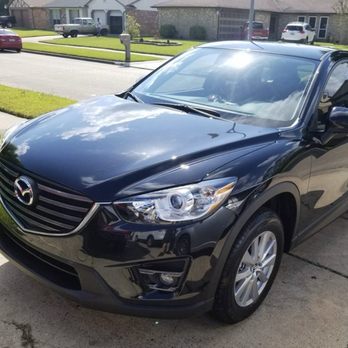
Shout out to Alfredo for getting me a last minute service appointment for my Mazda while driving across the country. While waiting I also wanted to take a look at a bigger model and Lorenzo was helpful in showing me the vehicle and completing the test drive ultimately I decided to keep my car but all in all one of the best dealership experiences I've ever had. To top it all off my very dirty black Mazda was returned sparkly and fresh. Thanks team Mazda! read more


2 years ago

3 years ago
3 years ago


6 years ago
Business owner information
Katie S.
That's great to hear, Sandra! We really appreciate your kind words…
3 years ago

5 years ago

5 years ago

6 years ago
Business owner information
Katie S.
Good morning Randy. We are so happy that you had a great experience…
4 years ago

5 years ago
Business owner information
Katie S.
Thank you, A.J. We appreciate your recommendation and the time you…

5 years ago

5 years ago

6 years ago
Business owner information
Katie S.
Thank you for sharing your experience with us, Bob! We know that…

5 years ago

8 years ago
4 years ago

6 years ago
Business owner information
Katie S.
We were more than happy to help you get into your own car, Chuck!…

9 years ago
Business owner information
Katie S.
Thank you for taking the time to share your experience with us,…
4 years ago
Page 1 of 4
More info about Russell & Smith Mazda

Ask the Community - Russell & Smith Mazda
Review Highlights - Russell & Smith Mazda
You might also consider






Why does Yelp recommend reviews?
39 reviews that are not currently recommended
The reviews below are not factored into the business's overall star rating.
4 months ago

10 years ago
10 years ago
9 years ago
4 years ago
11 years ago
11 years ago
15 years ago
3 years ago

9 years ago
11 years ago
11 years ago
3 months ago

8 years ago
15 years ago
10 years ago

8 years ago
11 years ago
14 years ago
11 years ago


