Get pricing & availability
You can now request a quote from this business directly from Yelp
Services - Minute Men Professional Movers
In-state moving
Out-of-state moving
Minute Men Professional Movers Photos




You might also consider


More like Minute Men Professional Movers
Recommended Reviews - Minute Men Professional Movers
Start your review...
Reviews With Photos


We were so happy with the guys we had help move our heavy granite counter tops and cabinets!!! They were able to help us that day too!!! Very highly recommended.the 2 movers were super nice too.


10 months ago
1 year ago
2 years ago
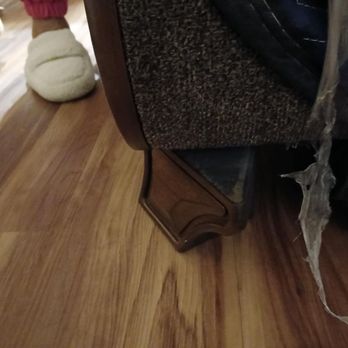
First off the truck they used was to small, half of my stuff they left behind because there wasn't enough room for it, They broke the legs on my couch, they broke my queen slay bed frame they broke two standing lamps, they crammed everything in one room they disregarded the boxes being labeled where to put them they complained the entire time while moving my items saying we have to much stuff! They knew that it was a two bedroom apartment being moved. They we're shouting at my sister very disrespectfuly making her cry and upset her deeply, my sister is a senior citizen and disabled they didn't care about that at all THIS JUST HAPPENED 10/24/24 Craig and Steve are the names of the movers. There excuse for using such a small truck was because they were being paid by a organization for the disabled.MCIL is the organization. No apologies at all for what they did to our stuff. read more


2 years ago
2 years ago
4 years ago
3 years ago

8 years ago
6 years ago

8 years ago

6 years ago

6 years ago

9 years ago

6 years ago
6 years ago
5 years ago

12 years ago

12 years ago

12 years ago
We were so happy with the guys we had help move our heavy granite counter tops and cabinets!!! They were able to help us that day too!!! Very highly recommended.the 2 movers were super nice too. read more


9 years ago
6 years ago

12 years ago
8 years ago
Worst communication!!!! This company damage my furniture and no response after I paid them. This company is not professional as they advertised. They were two hours late. Didn't wrap my furniture as they promised. They damaged almost every piece of my bedroom furniture. Instead of carry my furniture in, they rolling in. I told one of the guy not to rolled the furniture in and he said it was too heavy. They didn't complete move all my stuff in. Only making one trip. I didn't receive any receipt or contract after I paid them in cash. I requested for it and he said I have to call the owner for a copy because I paid in cash. I reported and send photos of the damaged items to the owner an hours after. The owner told me he will get back to me. A week after, I text him again and he call me back after one week. He said he doesn't know what is going because he didn't talk to his worker yet. He will call me back and find out more from the worker. Another week went by and the owner still didn't call me back or responded to my text. I would said get your money to a more professional company instead of minutes men professional LLC. Once they get your money and run from the damage they made. If you have cheap furniture and don't care then use them but if you have expensive furniture like mine then us someone else. read more


9 years ago

8 years ago


11 years ago
6 years ago

13 years ago
Business owner information

Craig S.
This was over the Labor Day weekend and we were early do to a…
13 years ago
Business owner information
Craig S.
I usually speak to every customer after the job to make sure they are…
7 years ago
7 years ago
7 years ago
11 years ago
9 years ago

13 years ago

12 years ago

12 years ago

12 years ago
Page 1 of 2
More info about Minute Men Professional Movers
Ask the Community - Minute Men Professional Movers
Review Highlights - Minute Men Professional Movers
You might also consider









Why does Yelp recommend reviews?
26 reviews that are not currently recommended
The reviews below are not factored into the business's overall star rating.
8 years ago
13 years ago
8 years ago

11 years ago
13 years ago
8 years ago
12 years ago

10 years ago
8 years ago
11 years ago

7 years ago
12 years ago
8 years ago
13 years ago
11 years ago
8 years ago

3 years ago
12 years ago

12 years ago
6 years ago



