
Madera Photos








MADERA ATMOSPHERE

You might also consider


More like Madera
Recommended Reviews - Madera
Start your review...

Reviews With Photos
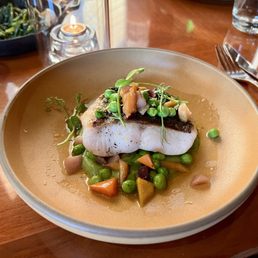

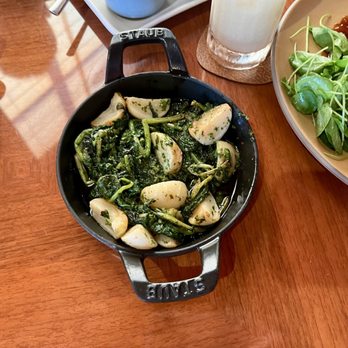
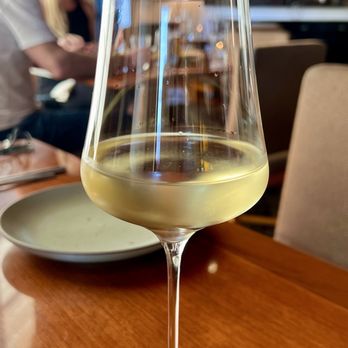
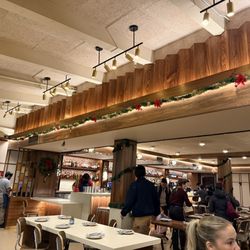
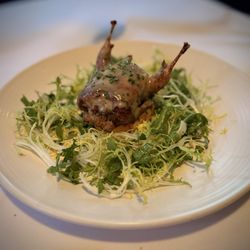
We came here for dinner recently for a family celebration. Madera is part of the Rosewood Hotel at Sand Hill, which is an ultra luxury hotel just on the hills behind the Stanford University campus. The location is truly stunning and the views behind the restaurant and the adjacent bar is beautiful during golden hour, since we came for dinner. The decor is very open air which fits the summer and has a grand feel in the restaurant. The adjacent bar had a sleek dark interior and a very elegant bar. The service was excellent. Our server explained everything very clearly. He checked on allergies at the beginning, explained their drinks offerings both alcoholic and non-alcoholic, and shared his food recommendations. The other staff were also very good. They refilled waters regularly and the food came out without that long of a wait. Also, they refolded all the napkins if you left your table which was a very nice touch. For drinks, I had a glass of Sauvignon Blanc that really complemented my seafood dish and the appetizers we ordered. The food was very good. It started off strong with the bread and the amazing creamy butter that had just enough of saltiness without being overwhelming. The Di Stefano Buratta, which was recommended to us, was also very good especially the peaches. We also had the Buttermilk Fried Quail which was good and came with a generous amount of caviar. For those curious, it tasted like a really smooth seasoned fried chicken. For our entrees, we had several dishes, including the Half Moon Bay Halibut, Farallon Islands Black Cod, and the Prime Ribs only available on the weekend for dinner. We also ordered two sides: roasted potatoes and sauteed spinach. The Halibut and Cod were all excellent. I had the cod and it was soft and creamy and the sauce really helped balance the taste. The only minor shortfalls were the Prime Rib having too much sauce that it was soggy and the spinach somewhat overtaking the daikon taste. For dessert, we all had Brokaw Farm Passion Fruit. It is a bit sour, so this is a warning for those who only like sweet desserts. It is also fairly large and can be shared by two people. One of our party also ordered a Green Sencha tea, which they thought was a slight miss. Overall, most of the food were really good, the staff were wonderful, and the environment is very beautiful. This is a great special occasion dining destination for locals and a convenient place for guests staying at the Rosewood Hotel to dine.


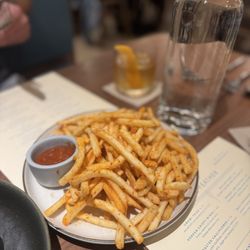
Had a happy hour here after the spa. The interior bar area is a bit boring and not highlighting the elegance, especially after placing a TV there showing soccer matches. I feel like the classic British gentlemen's club ambiance was ruined. However, seating outside is another story. It's calm and peaceful, with lots of space and warm and comfortable. There are also shawls and blankets on the sofas for the night. Cocktails were ok, we tried Spritz District and La Dama Rosa, and Citrus & Shadow. Citrus and Shadow tasted the best, probably because it's low ABV and hence bringing out more sweetness. We ordered truffle fries, a cheese plate, and a hummus dip with bread to share. The food tasted good. The truffle fries have shredded truffles on the top, not the kind with sprinkled truffles. I also like the cheese plate, especially the blue cheese, good sumptuous amount. The fruit slices were peaches and plums and pears, I almost thought they were apples. They all tasted fresh. Service was also good. The way the waitress brought out the drinks gave us enough room to enjoy ourselves without reaching over to receive the beverages. The view is nice and tranquil, truly reminding us that this is a retreat.


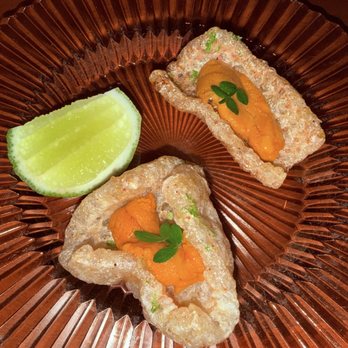
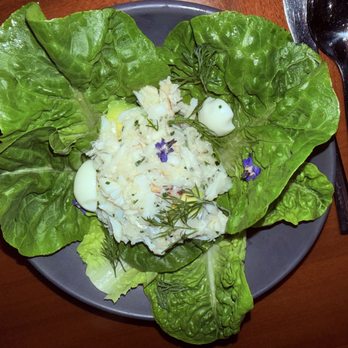
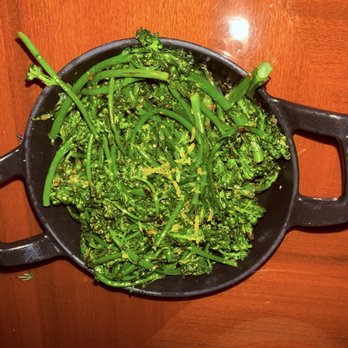
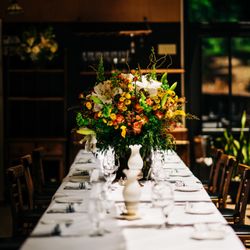
Located in the Rosewood Sand Hill Hotel, this former Michelin 1 star remains a classic choice for fine dining, and is of course the most convenient one if you're a hotel guest. The elegant, understated interior is complemented by accommodating service and a well-executed if not particularly distinctive menu. Our party of 2's picks-- Chilled Seafood: Santa Barbara Uni. Chicharron. Kinome. Lime. Starters: Endive & Watercress Salad. Point Reyes Blue Cheese. Apple. Hartley Walnut. Dungeness Crab Louie Salad. Avocado. Dill. Little Gem. Quail Egg. Mains: Root Down Farm Chicken. Boonville Espelette. Calypso Bean. Tuscan Kale. Rosemary Jus. Brandt Ranch Filet Peppercorn Sauce. Fries. Sides: Grilled Broccoli Di Chicco.


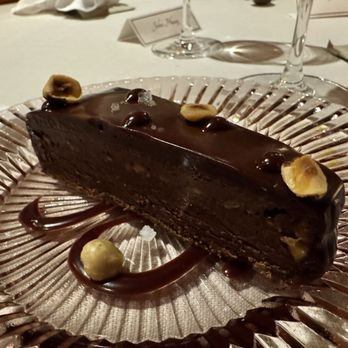
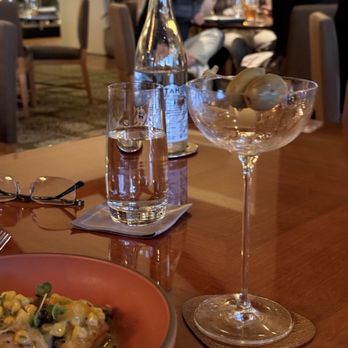
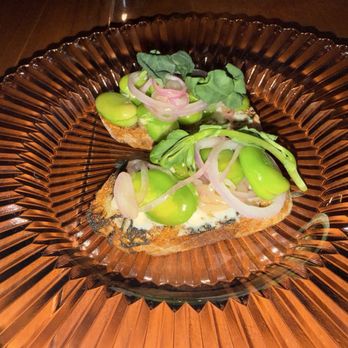
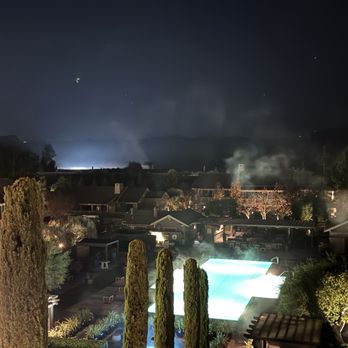
He surprised me with a dinner at Madera Melo Park for our anniversary -- it's a beautiful spot, especially sitting outside with views of the pool and mountains, and the sunsets. We really wanted to live this place. Unfortunately we did not. the food was not up to par. The uni chicharrón dish was sad and stale and poorly plated, the fava bean toast was more of crostini the beet salad was just okay. The fish dish was more like dessert so sweet I was very unhappy. prices felt steep for what we got. Service was lacking too. The ribeye steak, however, was excellent and our server redeemed himself with a delicate hazelnut chocolate dessert that was amazing. Pretty place, but overall too overhyped and overpriced. I'd return only for the steak and dessert.
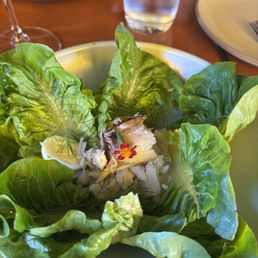
Disappointing Service Experience / Birthday Brunch While we enjoyed the food, the service we received fell significantly short of the reputation and caliber of this type of establishment. A wasp landed on one of our plates. While a staff member removed the insect, the place setting was never replaced until we requested a new set. Our starters were served completely out of order, arriving at the table only after our main entrees had already been delivered. Our server failed to ask about dietary restrictions or allergies until late in the meal. This occurred only after I proactively informed her of my severe oyster allergy.


Came here on a quiet Saturday night. It's a beautiful place inside the hotel. The service was professional and very knowledgeable about the menu. Got the ribeye and my wife got the halibut, it took about 30-40 minutes before we got our food after ordering. No idea why it took that long because no reason was given. My steak was cooked perfectly although the portion wasn't very big. It was delicious, though. The halibut was tasty but slightly overcooked, it was dry. Got a dessert that was different and tasty, made with fruit. Overall a nice evening but the food was a little lacking for the price.


We had a very lovely afternoon tea experience at Madera. The hotel location is excellent, with a great view of the Santa Cruz mountains, and the atmosphere was great! The tables were low to help with a relaxing atmosphere, and there was plenty of space so the room did not feel cramped. Service was excellent and the staff were very welcoming and attentive! The food quality was excellent. They had a decent number of tea choices for the afternoon tea set, and we went for our favourite Earl Grey and Jasmine teas, respectively. The tea was of a high quality but they did not offer any milk or sugar upfront, which was a bit surprising. They started with the sandwiches, which were really well made. The flavours were good and not too intense, and varied as well, starting from a fresh cucumber sandwich, to smoked salmon, to dungeness crab, to coronation chicken. The pastries which were served next were amazing as well. Each one was crafted carefully and complemented very well with the tea. They were on the slightly sweeter side, but were still very good and aesthetic nonetheless. The only criticism is the price. The afternoon tea experience has a base cost of $108 per person. Given that this serves only a single tea, with 4 bites of sandwiches, 6 pastries, and 2 scones each, we thought that it was a little too steep. Definitely a great experience to enjoy, but not worth the price tag.


We had a wonderful experience at Madera Restaurant. The atmosphere was romantic and elegant -- perfect for a special evening. The service was attentive and truly excellent from start to finish. Every dish was delicious and cooked to perfection, and the cheesecake was absolutely heavenly, served with dried fruit that made it even more memorable. We also loved the thoughtful touch of writing "Happy Anniversary" on our dessert plate and surprising us with a Polaroid photo to take home. Overall, Madera is definitely a great place for a special occasion. Highly recommended!


It has been raining quite a bit in San Francisco lately so decided to take a quick break and go out for some afternoon tea with a friend at the Rosewood Sand Hill Hotel. If you are living in the city it is about 30 minutes to one hour drive away depending on traffic. My friend and I made a reservation a few days prior, for their Lunar New Year afternoon tea service. In traditional fashion, we were served some tea sandwiches followed by pastries created in collaboration with Dandelion Chocolate, a local chocolatier based in the city. The pastries ranged from signatures like their petite s'mores to moon cakes filled with red bean filling, appropriate for the occasion. Overall, it was a good experience. I do feel like it is often challenging to find exceptional high tea establishments in the states - compared to the UK or Asia.


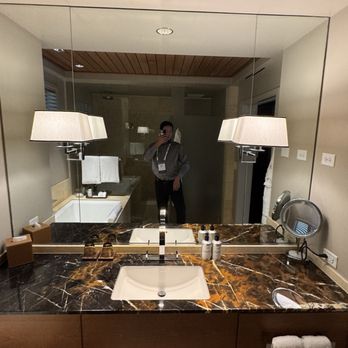
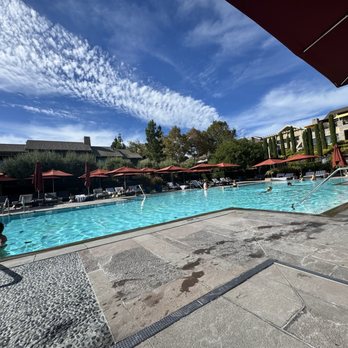
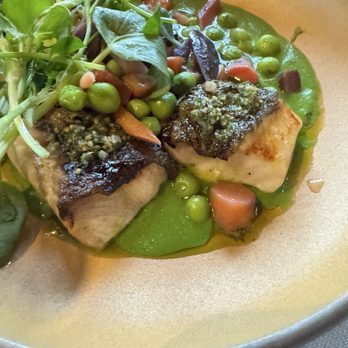
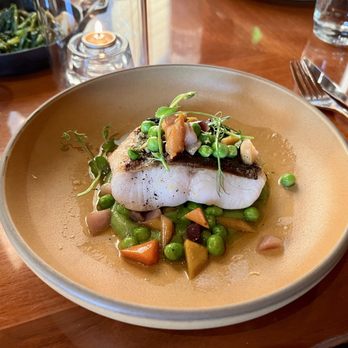
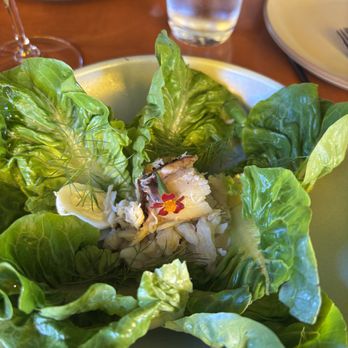
Madera is located at the Rosewood Sand Hill Hotel, which averages $1100-2800 per a night...so if you can afford to stay here you must be winning at life, and Madera's prices won't scare you. These prices definitely scared me, but thankfully I was here for a work conference so everything was free for me. Service was friendly all around. I had wonderful delicious multi course family style dinner...here goes: Dirty Girl Farm Butter Lettuce $23 + Dungeness Crab $24 = $47 Salad! My most expensive salad ever, but the better lettuce was fresh, green and vibrant, along with avocado and radish slices. Cute quail eggs. The fresh sweet Crab meat was generously covered all over the salad, yum! Farallon Islands Black Cod $44 Melt in my mouth warm buttery fresh cod that was perfectly roasted with lovely puree of Iacopi Farm English Peas ,Carrot, Mint, and Meyer Lemon. Brandt Ranch Filet $58 Beefy, tender, juicy, and succulent filet mignon cook perfectly in a peppercorn sauce. Sautéed Fifth Crow Farm Bloomsdale Spinach $14...pretty good for spinach, and great fiber, vitamins and bowel movements. Roasted Zuckerman Farm Potato $14...nothing too fancy, but nice roasted buttery potatoes. Dandelion Camino Verde Chocolate & Hazelnut Cake $16...tastes exactly as its described, decadent and delicious! If you factor in the 3 glasses of wine and Old Fashioned, and Sparkling Water, plus tax and tip, and a 5% surcharge, this was likely a $350ish meal I consumed...thankfully I didn't have to pay! read more




20 days ago

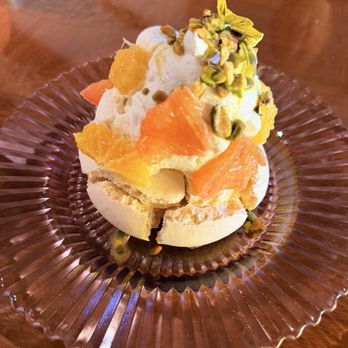
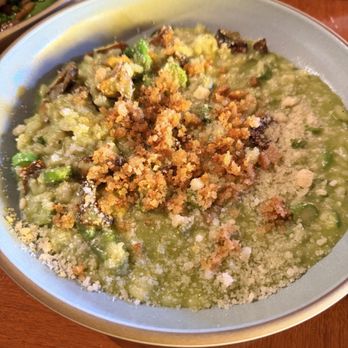
Every dish we had gives off a fresh vibe --- tastes good and feels good to eat. I love the Salmon Crudo for the appetizer. I like that they used Calamansi for the citrus component. Everything on the plate looks put together with delicate hands and intention. Each bite contains elements of a good bite, both taste and texture. I also enjoyed the banana bread with espresso butter. I forgot to take a photo, but it's giving me more chocolate forward taste than the banana, which I enjoyed. For our main food, we tried the Asparagus Risotto and the Cod. The Risotto was flavorful. The asparagus, mushroom, and toasted bread all worked together in flavor and texture. The serving size is also a good portion either for individual or sharing. The Black Cod was cooked well. The skin is charred and crispy, while the meat is so soft. The purée goes well with the fish. For dessert, we tried the Brokaw Farm Passion Fruit and I would totally recommend it. It's nice to find unique desserts at different places. The dessert has sweet, salty, crunchy, cold, bitter, and sour all together. And doesn't feel heavy. It's just light and vibrant. The cocktails were also both delicious. Overall, nothing negative to say with everything we tried. The service feels like a mellow pace which matches the vibe of the restaurant. They clean the table in between courses. It is also open kitchen so you can watch them cooking and prepping some of the dishes. The ambiance is nice for a weekend of relaxing while eating good food. There are a lot of diners, from families, to friends, to couples. There's patio dining with a nice greenery view. The price was a bit on the higher side, but compared to similar restaurant setting, and the food, it's pretty justifiable. read more




We came here for dinner recently for a family celebration. Madera is part of the Rosewood Hotel at Sand Hill, which is an ultra luxury hotel just on the hills behind the Stanford University campus. The location is truly stunning and the views behind the restaurant and the adjacent bar is beautiful during golden hour, since we came for dinner. The decor is very open air which fits the summer and has a grand feel in the restaurant. The adjacent bar had a sleek dark interior and a very elegant bar. The service was excellent. Our server explained everything very clearly. He checked on allergies at the beginning, explained their drinks offerings both alcoholic and non-alcoholic, and shared his food recommendations. The other staff were also very good. They refilled waters regularly and the food came out without that long of a wait. Also, they refolded all the napkins if you left your table which was a very nice touch. For drinks, I had a glass of Sauvignon Blanc that really complemented my seafood dish and the appetizers we ordered. The food was very good. It started off strong with the bread and the amazing creamy butter that had just enough of saltiness without being overwhelming. The Di Stefano Buratta, which was recommended to us, was also very good especially the peaches. We also had the Buttermilk Fried Quail which was good and came with a generous amount of caviar. For those curious, it tasted like a really smooth seasoned fried chicken. For our entrees, we had several dishes, including the Half Moon Bay Halibut, Farallon Islands Black Cod, and the Prime Ribs only available on the weekend for dinner. We also ordered two sides: roasted potatoes and sauteed spinach. The Halibut and Cod were all excellent. I had the cod and it was soft and creamy and the sauce really helped balance the taste. The only minor shortfalls were the Prime Rib having too much sauce that it was soggy and the spinach somewhat overtaking the daikon taste. For dessert, we all had Brokaw Farm Passion Fruit. It is a bit sour, so this is a warning for those who only like sweet desserts. It is also fairly large and can be shared by two people. One of our party also ordered a Green Sencha tea, which they thought was a slight miss. Overall, most of the food were really good, the staff were wonderful, and the environment is very beautiful. This is a great special occasion dining destination for locals and a convenient place for guests staying at the Rosewood Hotel to dine. read more




Had a happy hour here after the spa. The interior bar area is a bit boring and not highlighting the elegance, especially after placing a TV there showing soccer matches. I feel like the classic British gentlemen's club ambiance was ruined. However, seating outside is another story. It's calm and peaceful, with lots of space and warm and comfortable. There are also shawls and blankets on the sofas for the night. Cocktails were ok, we tried Spritz District and La Dama Rosa, and Citrus & Shadow. Citrus and Shadow tasted the best, probably because it's low ABV and hence bringing out more sweetness. We ordered truffle fries, a cheese plate, and a hummus dip with bread to share. The food tasted good. The truffle fries have shredded truffles on the top, not the kind with sprinkled truffles. I also like the cheese plate, especially the blue cheese, good sumptuous amount. The fruit slices were peaches and plums and pears, I almost thought they were apples. They all tasted fresh. Service was also good. The way the waitress brought out the drinks gave us enough room to enjoy ourselves without reaching over to receive the beverages. The view is nice and tranquil, truly reminding us that this is a retreat. read more


Located in the Rosewood Sand Hill Hotel, this former Michelin 1 star remains a classic choice for fine dining, and is of course the most convenient one if you're a hotel guest. The elegant, understated interior is complemented by accommodating service and a well-executed if not particularly distinctive menu. Our party of 2's picks-- Chilled Seafood: Santa Barbara Uni. Chicharron. Kinome. Lime. Starters: Endive & Watercress Salad. Point Reyes Blue Cheese. Apple. Hartley Walnut. Dungeness Crab Louie Salad. Avocado. Dill. Little Gem. Quail Egg. Mains: Root Down Farm Chicken. Boonville Espelette. Calypso Bean. Tuscan Kale. Rosemary Jus. Brandt Ranch Filet Peppercorn Sauce. Fries. Sides: Grilled Broccoli Di Chicco. read more




4 months ago
He surprised me with a dinner at Madera Melo Park for our anniversary -- it's a beautiful spot, especially sitting outside with views of the pool and mountains, and the sunsets. We really wanted to live this place. Unfortunately we did not. the food was not up to par. The uni chicharrón dish was sad and stale and poorly plated, the fava bean toast was more of crostini the beet salad was just okay. The fish dish was more like dessert so sweet I was very unhappy. prices felt steep for what we got. Service was lacking too. The ribeye steak, however, was excellent and our server redeemed himself with a delicate hazelnut chocolate dessert that was amazing. Pretty place, but overall too overhyped and overpriced. I'd return only for the steak and dessert. read more





11 days ago
2 months ago
Disappointing Service Experience / Birthday Brunch While we enjoyed the food, the service we received fell significantly short of the reputation and caliber of this type of establishment. A wasp landed on one of our plates. While a staff member removed the insect, the place setting was never replaced until we requested a new set. Our starters were served completely out of order, arriving at the table only after our main entrees had already been delivered. Our server failed to ask about dietary restrictions or allergies until late in the meal. This occurred only after I proactively informed her of my severe oyster allergy. read more

7 months ago
1 month ago

Came here on a quiet Saturday night. It's a beautiful place inside the hotel. The service was professional and very knowledgeable about the menu. Got the ribeye and my wife got the halibut, it took about 30-40 minutes before we got our food after ordering. No idea why it took that long because no reason was given. My steak was cooked perfectly although the portion wasn't very big. It was delicious, though. The halibut was tasty but slightly overcooked, it was dry. Got a dessert that was different and tasty, made with fruit. Overall a nice evening but the food was a little lacking for the price. read more


We had a very lovely afternoon tea experience at Madera. The hotel location is excellent, with a great view of the Santa Cruz mountains, and the atmosphere was great! The tables were low to help with a relaxing atmosphere, and there was plenty of space so the room did not feel cramped. Service was excellent and the staff were very welcoming and attentive! The food quality was excellent. They had a decent number of tea choices for the afternoon tea set, and we went for our favourite Earl Grey and Jasmine teas, respectively. The tea was of a high quality but they did not offer any milk or sugar upfront, which was a bit surprising. They started with the sandwiches, which were really well made. The flavours were good and not too intense, and varied as well, starting from a fresh cucumber sandwich, to smoked salmon, to dungeness crab, to coronation chicken. The pastries which were served next were amazing as well. Each one was crafted carefully and complemented very well with the tea. They were on the slightly sweeter side, but were still very good and aesthetic nonetheless. The only criticism is the price. The afternoon tea experience has a base cost of $108 per person. Given that this serves only a single tea, with 4 bites of sandwiches, 6 pastries, and 2 scones each, we thought that it was a little too steep. Definitely a great experience to enjoy, but not worth the price tag. read more


4 months ago
20 days ago

4 months ago

10 months ago
We had a wonderful experience at Madera Restaurant. The atmosphere was romantic and elegant -- perfect for a special evening. The service was attentive and truly excellent from start to finish. Every dish was delicious and cooked to perfection, and the cheesecake was absolutely heavenly, served with dried fruit that made it even more memorable. We also loved the thoughtful touch of writing "Happy Anniversary" on our dessert plate and surprising us with a Polaroid photo to take home. Overall, Madera is definitely a great place for a special occasion. Highly recommended! read more


2 years ago
It has been raining quite a bit in San Francisco lately so decided to take a quick break and go out for some afternoon tea with a friend at the Rosewood Sand Hill Hotel. If you are living in the city it is about 30 minutes to one hour drive away depending on traffic. My friend and I made a reservation a few days prior, for their Lunar New Year afternoon tea service. In traditional fashion, we were served some tea sandwiches followed by pastries created in collaboration with Dandelion Chocolate, a local chocolatier based in the city. The pastries ranged from signatures like their petite s'mores to moon cakes filled with red bean filling, appropriate for the occasion. Overall, it was a good experience. I do feel like it is often challenging to find exceptional high tea establishments in the states - compared to the UK or Asia. read more
2 months ago
1 month ago




2 months ago
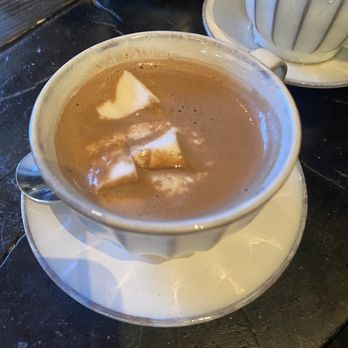
This review is for the $120 (extra $ for the hot chocolate) High Tea experience. The High Tea area is located next to the bar and restaurant, by the fireplace and large windows that open out to the terrace. I actually really enjoyed myself! The only big downside was the price point, and the service at the start. My friend and I were seated for quite a while and watched everyone else get served around us. After about 15 minutes, we had to wave down a waiter just to ask for water and to get things started, even though we already had a reservation. One of the things I love most about high tea in general is how service oriented it usually is, with attention to detail, thoughtful menu explanations, and that extra touch of hospitality. Since this is part of a fancy hotel rather than a small boutique tearoom, it did feel a bit more "corporate fancy" than "cozy and personal." The scene itself was something else! Around us were wedding guests lounging and ordering small bites, and nearby was a group of stylish women, maybe in their late 40s, with impeccable posture, chic outfits, enjoying their tea. I felt like I had wandered into the Menlo Park edition of Gossip Girl. Just your average citizen, happily soaking in views of botox and Birkin bags! As for the food and drinks, wonderful! The hot chocolate was rich and comforting, the desserts were delightful, and the clotted cream with scones was to die for. When our waiter finally made it over, he put on a lovely show flaming our little marshmallow chocolate treat, which added a nice theatrical touch to the experience. Overall, it was a really lovely afternoon with great people watching, a charming atmosphere, and delicious treats. The only thing that needs improvement is the service, which feels like an easy fix. Cheers! read more



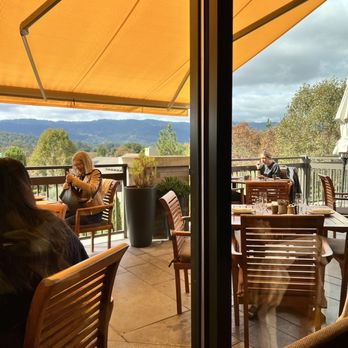
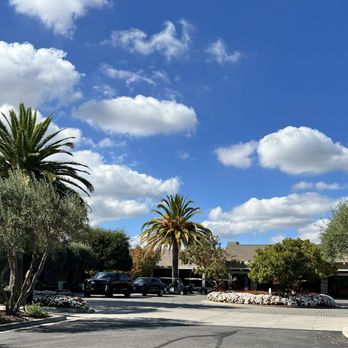
If you are looking for a out of the ordinary Country Club type of eatery, then Madera might be your place. You have a choice of indoor or terrace dining. The views from the terrace is over the swimming pool below with the Santa Cruz Mountains in the background. There is ample parking and a roundabout drop off. There is a sense of exclusivity as you enter but not snobby in any sense. Service is impeccable and friendly. Quality of the food is very good but presentation is poor. Specially, for the cost. I have seen much better plating for far less of the cost of their menu items. Thus, the 4 Star Rating. Not a fan of their bottled organic ketchup too. Maybe, because I prefer a little sugar in my ketchup to offset the tartness !? Portions are also on the smaller side so don't think on the dish will filling you up if you are really hungry. You might want to order an appetizer or two. Would I go back ? Absolutely ! But, my reason would be more for the Country Club feel and relaxation. Kudos for the quality food, service, and privacy ! Value and plating are subpar which I hope improves because I do like this place. Note: Some items are not on the online menu so I'm assuming it is subject to change or it might be the dinner menu. Went there for lunch only. read more




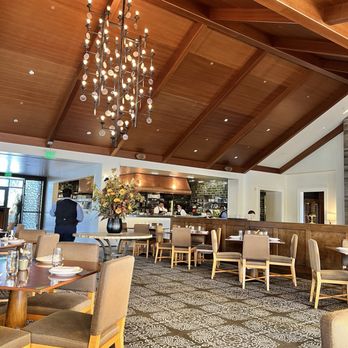

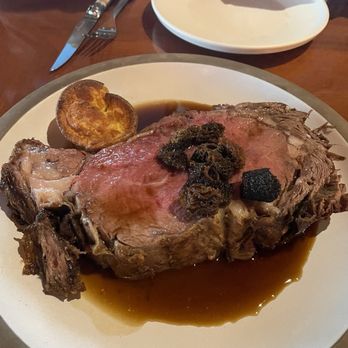
Great food, elegant restaurant! The restaurant is on the first floor of the Rosewood hotel. Went on a Sunday night and there are a lot empty tables - great for having a group convo! Everything is delicious - Sunday roast is $80 that comes with bread, salad, and a large slice of meat. Definitely more than enough for 1 person. The meat is so tender and flavorful! Scallop crudo is very fresh, and surprisingly goes well with passionfruit (?) sauce. The sweet-sour tastes opens up appetite and taste palette. Summer risotto tastes super good as well, and very filling. It was just a little over $100 pp post tax and tip. With this quality of food and environment, definitely not bad at all! read more

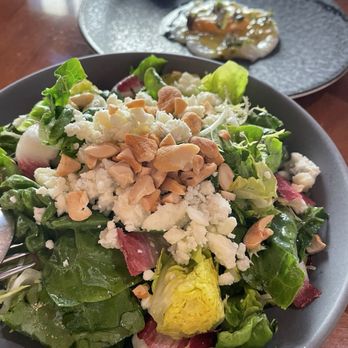

1 year ago
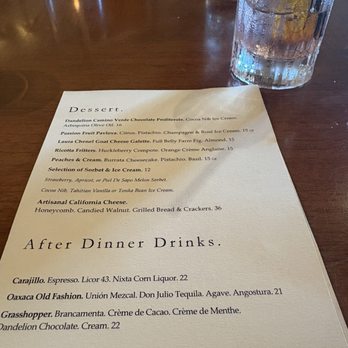
Ordered the aperol spritz mocktail and roasted fig per our waitress' recommendation . So so good. The views are amazing but it was unfortunately super hot out today so we opted to sit inside . We got the Muhammara to share and it was just the best BITE- that added bit of pomegranate walnut and mint was just unlike anything else. Such a great spot. We already decided we will be staying at the Rosewood resort soon just to enjoy the chill atmosphere and come back here lol read more



6 months ago

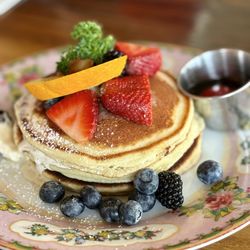
Good spot for breakfast and brunch! The views and interior are nice. The place is very spacious and kid-friendly. The eggs were cooked well. We especially liked the very aromatic salad on the side with the omelette! The pancakes were average. The price for s beverages is high (like bubbles or mimosa). read more
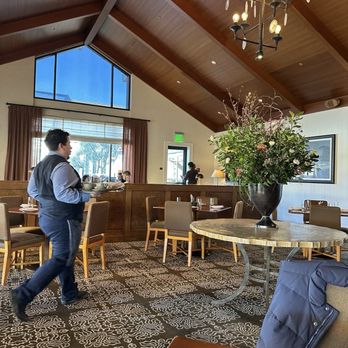
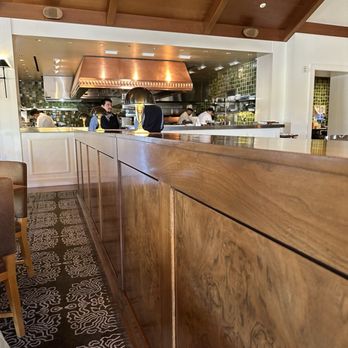

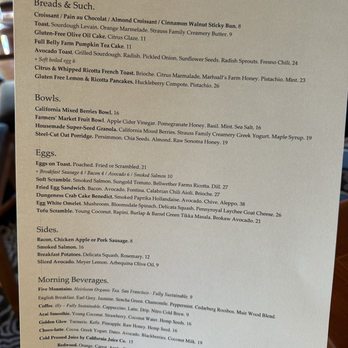

4 months ago

2 years ago
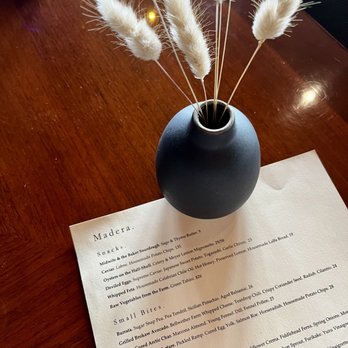
Ever had a meal so good you're still thinking about it days later? That's exactly how I feel about my dinner at Madera at Rosewood Sand Hill--every bite was unforgettable. From start to finish, everything was perfection. If you love great food in a beautiful setting, this place is a must-visit. Here's what we enjoyed: SNACKS Sunchoke Hummus - The sumac lemon chive flatbread was the perfect pairing. Gougère with Caviar & Chive Crème Fraîche - A little fancy, a lot delicious. SMALL BITES Tuna Crudo - So fresh and bright, with just the right balance of flavors. Dungeness Crab Tartine - Light, delicate, and packed with flavor. Honey Nut Squash Custard - Creamy, cozy, and the buffalo mozzarella added the perfect touch. Duck & Pistachio Pâté en Croûte - A little sweet, a little savory, and totally satisfying. Farm Egg Ravioli - Brown butter and truffle? Say no more. ENTRÉES Northern Halibut - Perfectly cooked, with a flavorful cioppino broth. Brandt Prime Filet - Tender, juicy, and that peppercorn sauce was next level. SIDES Swiss Chard - Rich and buttery with a little crunch from the almonds. Every dish was beautifully presented and full of flavor, making this one of those meals I'll be talking about for a long time. The ambiance was warm and elegant, making it the perfect spot for a special night out or just treating yourself. read more


2 years ago
I came here for afternoon tea and thoroughly enjoyed it! It definitely was on the pricy side so be aware of that. Of the sandwiches, I think my favorite was the smoked salmon. The scone was really delicious with the clotted cream. The cacao fruit jelly was delicious, a little citrusy, but the color left a little to be desired. Of the desserts I loved the chocolate cannele and of course their signature smore. Dandelion chocolate is always so delicious, so you have to get a cup of their drinking chocolate too! This place feels very tucked away even though it's right off of 280. The view is nice but can get really windy outside. I'd probably come back here for a special occasion. read more


Yesterday was Thanksgiving and the four of us were fortunate to join the good staff at Madera for dinner. Publicized as a four course menu ($198 each, not including taxes, gratuity, 5% Fair Wage tax) the menu we actually ate was actually different than posted. I don't know why ( they ran out?) but it was still excellent. One nit, when seated the server noticed us the meal was "family style." For the price being charged and the fact we were dressed up none of us wanted to be dishing out our own food. We asked politely if the Chef would be kind enough to serve each course. Server says, "I'll ask"--- nothing happens for a while and then course 1 arrives. Awesome. Classy way to operate. We enjoyed every course and at our own pace. Had a Grenache from Santa Inez that went well with the turkey offering and sides. Food was epic, pictures included. Restaurant was full and ran like a Swiss Watch. Was lovely and will do again. One nice last touch-- when we arrived they told us they would seat us at the quoted reservation time. We went in the lounge to wait the 10 minutes--15 min went by and no big deal especially on a holiday-- and server comes in and says the table still isn't clear. And, we'd like to but you a cocktail while you're waiting. Pretty cool huh? After dropping off the drinks he showed up 10 minutes later and said table was ready. Amazing way to start a great evening. To be clear the total for four was $1200. Not chump change but I guarantee it was worth it. read more


5 months ago

5 stars for gluten free tea. 4 for regular tea. The seating is casual-- low chairs and couches at low tables. That's not horrible but it was awkward at times and became uncomfortable. My food is veeeerrrrrry far away and I have to get up and down. The savory sandos were excellent. The fillings were all delicious. The scones were quite dry and crumbly. They came with clotted cream and an interesting compote. Sweets: I didn't really love any of them but neither were they horrible. They all looked pretty but the taste was such I only finished one. Also, some items had wet frosting and as there are no forks or serving utensils it was an unpleasant and messy experience to move it to plate. Then it needed the teaspoon to assist with eating which again is odd to have the one utensil doing all jobs. Tea: a small variety but good enough. They are served in a glass pot with removable tea strainer. They also give extra hot water to brew yourself more which we liked Each pot came partially filled with water but still it was more than could be poured into our rather small teacups so there is an issue with tea leaves becoming bitter. This was especially a problem with the jasmine. We removed the strainer as soon as it was served but still too bitter for a second brew. They serve honey, which is fine, and we asked for sugar. They have many dairy and non dairy milk choices The gluten free version was one of the best in the Bay. The desserts actually looked better than the regular tea offerings. The service was careful about keeping the gluten and gluten free separate Our servers were nice and tried hard. Bathrooms are upscale and clean-- 2 genders only Parking easy and free I don't think I'd go out of my way to come again but if I lived on the peninsula and needed gf I'd go again. read more


One word: meh. The food was alright, seems like most people come here for the ambiance. The service was also kind of lacking which was disappointing from a restaurant at this price point. Our server was pretty slow and did not ask about our party's food allergies which could have been bad if we didn't remember to ask. The best dish here is definitely the grilled octopus and smashed potatoes. I'd honestly skip the rest of the menu. All of the dishes we ordered were cooked almost perfectly, but unfortunately under seasoned. So the NY strip, pork chop, and fish were all lacking flavor. The broccolini was pretty greasy too. Overall, a quite mediocre experience. I probably wouldn't come back but I guess it was worth trying. read more


5 months ago

3 years ago
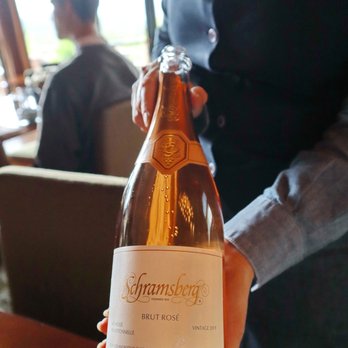
Date of Visit: 5/6/2023 This is my third visit to Madera located in the Rosewood Sand Hill Resort in Menlo Park. Just off Hwy 280, the resort is like a hidden oasis just away from the city. Madera was awarded with Michelin star in the year 2010-2014 and 2017-2021. They just lost a star in the most recent Michelin Guide. The waitress serve two glasses of the Brut Rosé from Schramsberg after we sat down as a welcome drink. Bramble $21 We ordered a cocktail with Junipero Gin as base, and with Lemon and Crème de mûre. Superbowl $25 with Salmon +$24 We got a bowls for brunch. The superbowl has wild rice, baby deep greens, avocado, Persian Cucumber, Daikon Sprout, Furikake, Yuzu Vinaigrette. We add a piece of grilled salmon to go with the bowl. Root Down Farms Roasted Half Chicken $39 I got the roasted half chicken with spring mushroom, and on top with Natural Jus Vinaigrette. read more




Page 1 of 26
More info about Madera
Madera Reviews in Other Languages
Ask the Community - Madera
Can you substitute the fish and meat options on the current menu for veterinarians who don't eat seafood either?
Not sure what being a veterinarian has to do with this question, but they will substitute. You may want to let them know beforehand when you make your reservation, so that the server is in the know.
Do you still serve bone marrow?
Right now, we don't feature the bone marrow on the menu. However, we have a some other delicious meat dishes and hopefully, we will be able to add the bone marrow back to the menu soon!
Is it acceptable to bring two toddlers to brunch?
I think it is fine assuming they behave themselves. This is not exactly a family restaurant or hotel...the Ritz and Four Seasons quite frankly do a much better job at that. With that said, if they are decently behaved, then I think it is absolutely…
You might also consider

















Why does Yelp recommend reviews?
43 reviews that are not currently recommended
The reviews below are not factored into the business's overall star rating.

4 months ago
2 years ago

2 years ago

8 years ago

6 months ago

15 years ago

6 years ago
15 years ago

14 years ago

9 years ago

2 years ago

9 years ago

17 years ago
11 years ago
10 years ago

14 years ago
15 years ago
16 years ago

14 years ago


