
Luce Photos


Business Info


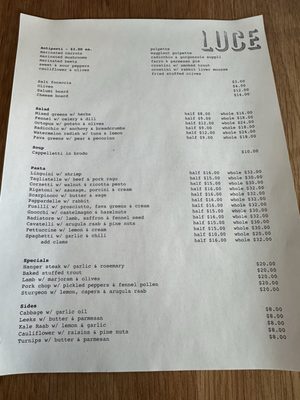
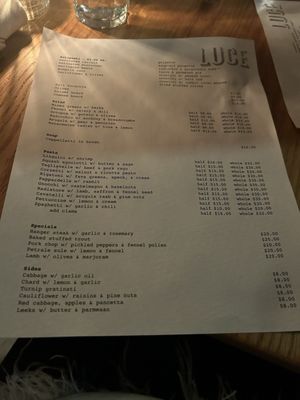


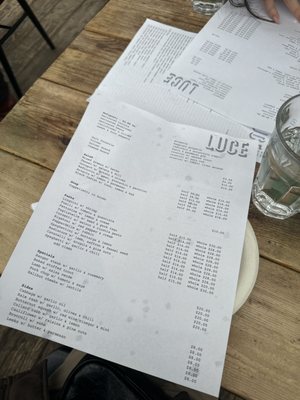
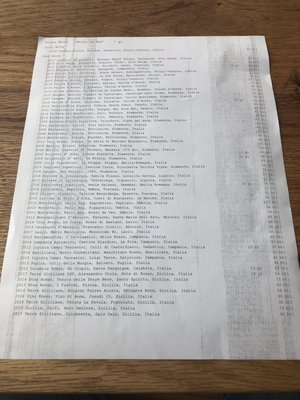
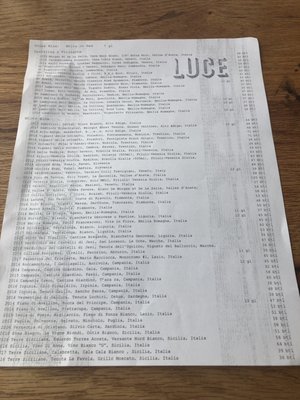
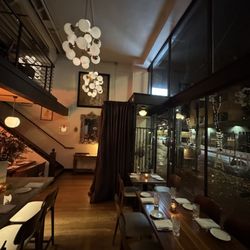
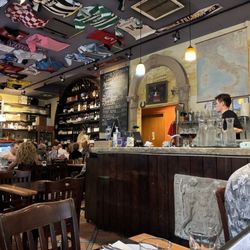
LUCE ATMOSPHERE


You might also consider


More like Luce
Recommended Reviews - Luce
Start your review...

Reviews With Photos
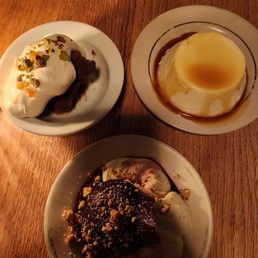

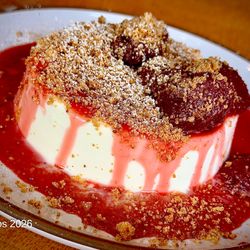
Luce has been on the "to visit" list for quite some time. Glad that I finally had the chance to experience this great spot! It is a cute corner restaurant on Burnside. We lucked out with timing and didn't have to wait for a table. Because of its popularity and limited seating, you can expect to wait for a bit. Highly recommend going right next door for a pre-dinner drink while you wait. We were warmly greeted by Monica then served by Andrew. Everyone was very kind and welcoming. Andrew made great food and drink recommendations! We tried a bit of everything. Had the mushrooms, salad, tagliatelle, and fettuccine. The fettuccine was one of the best pastas I've ever had. So light / delicate. The sauce was amazing! We then enjoyed a few different desserts. The pana cotta was incredible one of the best I've ever had! We will absolutely be back. Highly recommend!


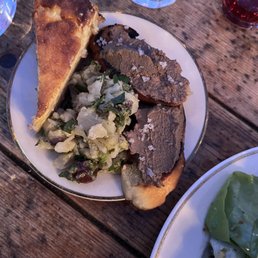
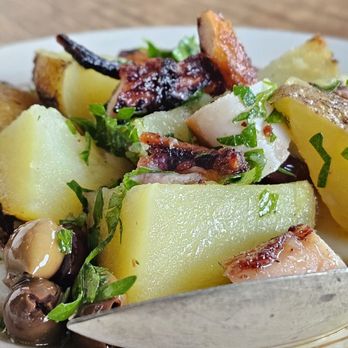
This is an extremely solid Italian place with quick service, fresh pasta, incredible trout, and the best warm octopus salad I've had in Portland so far. I don't think they take reservations, but walking in on a Sunday afternoon at 4ish, we were seated immediately. Portioning was perfect. The quality for this price point was what makes me give this 4.7 stars. I would love to come back to try the olive oil cake!


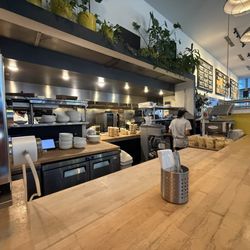
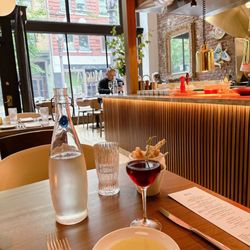
Some of the coziest and cutest restaurant I've been to in a minute. The inside is so welcoming with light colors and open kitchen. The wooden chairs and small tables added to the charm as well. We went right when they open to avoid the long line and it's totally the move. Staffs were very friendly and attentive. Their menu is large and diverse for a small spot with many options for Antipasta, Salads, and Pastas. The best part is that you can get half portion for most things to try more! Game changing move. The two of us split the Octopus Salad with Potatoes and Olives to start. Love how succulent yet well-charred the octopus pieces were. The potatoes and olives worked surprisingly well with the seafood. For pastas we got the Walnut Pesto and Lamb Saffron. Both were delicious with the Walnut Pesto being the most unique one out of the two. Crunchy walnut bits complement the rich sauce well. The lamb pieces were tasty and tender in the other one though. Can't go wrong with either or any of their options honestly. We also got a side of the Cauliflower with Raisins ans Pine Nuts. Loved this dish. Great texture and flavors. Wish we had room for dessert. Next time! Really can't ding anything. Great quality, price, and portion. We're stuffed on just a couple half portions. This is an excellent Italian spot that won't break your bank.


THE BIG: Nice, small, and quaint Italian pasta shop in the Laurelhurst neighborhood of Portland. Very small interior but the tables are turned pretty quickly. Street parking available. THE BLACK AND WHITE: My wife and two friends came here on a Saturday night without a reservation. We put our name down and had to wait 2 hours to get a table. Fortunately there was a wine bar next door that we took time to catch up. We ordered the Spaghetti, radiatrottii, paperdelle, crozotti, tagliatelle, carrots, arugula, and fennel. My favorite was the paperdelle. Something about big flat pastas always gets me. It does get hot inside because of the amount of people they fit. Hopefully they'll get AC soon. THE FINAL BAMBOO: So so good, we spent around $110 for all the dishes. Granted, they were small plates but they packed great flavors.


The pasta here is so good! I had been here once over a decade ago and remembering the food being really good. I'm astonished that I hadn't been back because I've been missing out. We came in on a Saturday around 5pm and were quoted about an hour wait for 5 people, so we went next door to their wine bar for some snacks. By the time it was dinner, we skipped right to the pastas. We got the clam linguini, fettuccini, and a stuff pasta in red sauce. We also got the trout, baked butternut squash, octopus olive potato salad, and the pickled carrots and beets. Wow. The octopus dish was phenomenal. Everybody loved it. The fettuccini was the favorite of the pastas but everything was perfectly cooked al dente. The restaurant itself is tiny, so come early if you do want to eat here. The tables are close together and it can also be cold in the winter with the huge windows - so take note to dress warm if you get cold!


Excellent small Italian restaurant. Cozy, warm, excellent choices in pasta with "secondi" like hangar steak and lamb shanks. We had the polpette and crostini with smoked trout. Then, Cavatelli with arugula and pine nuts- sublime. Also spaghetti with clams - spicy and great texture on the homemade pasta. Combined with a beautiful Chianti. Well done. No reservations, so arrive early!


Wait is looong but the pasta is well worth it . We came at 7pm on a Saturday night and didn't get seated until about 9p. We spent time at the bar next door while we waiting. If it's hot outside, it's very hot inside the restaurant with only a few seats and tables. Everything is hand made and fresh. For 4 people we ordered 2 half salads, an app, and about 5 half entrees. I would have ordered more of it want so late. The pasta was SO delicious. My favorites were the ratitorie with lamb and the spaghetti with garlic. Overall highly recommend, but expect a long wait.


I'd been wanting to try Luce for a bit, had heard good things from friends about the pasta. Popped in during the week & ordered a bit of everything based on staff recommendations. Salt focaccia & olives to start, the arugula & Parm salad, a half order of the rabbit Pappardelle, the seasonal stuffed trout & a side of the roasted squash. The highlight for me was the trout, it was light & flaky, well seasoned & cooked perfectly. Would definitely order it again! The Pappardelle was just ok, not as flavorful as I'd hoped and very little sauce/rabbit. The pros of the dining room setup are that it provides a small & intimate feel, tables are spaced out just enough that you don't feel on top of anyone else. Cute decor & very cozy feel. The only con to note, no AC (?)...it was 89 degrees out this particular evening & it was very warm inside. For me, a warm environment is just tough. Windows on both sides of the space make for great people-watching, but don't do much for keeping things cool. My table was located next to a small fridge or cooler which also seemed to be giving off a fair amount of heat. I'm curious about the other pasta dishes, the snap pea pesto dish sounded delicious...will have to try it next time.


I had the BEST MEAL EVER here when we visited Portland over Labor Day weekend, and am embarrassed that I'm just now sharing! The food is simple, elegant and absolutely delicious. (I had the stuffed trout. Amazing.) The staff is friendly and makes time feel spacious. The wine bar where you wait next door makes everything easy and their unusual wine collection is fun to explore. Worth the trip just to dine at Luce.
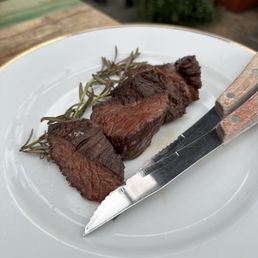

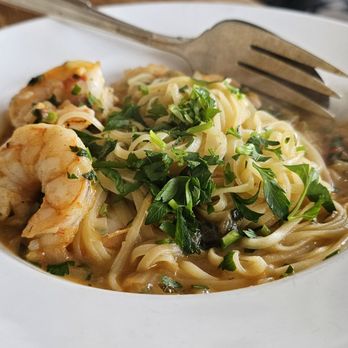
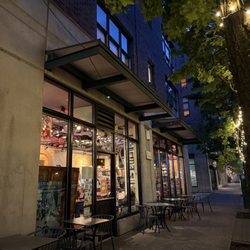
I came here a while ago, but totally forgot to write a review about how great this spot was! I came in during dinner with a girl friend and the place was packed. I highly recommend booking a reservation if you can. We ended up waiting for a while, and eventually got sat outside (there's covers and a heater). Service was friendly and attentive, despite us being outside. Something that I really appreciated about the menu here is that all of the salads and pastas come in both half and whole portions. As someone with a smaller appetite as times (and someone who likes to try many things on the menu), I really appreciated the option for a smaller size. My friend and I got the octopus with potatoes and olives to start, which was delicious. And for mains, we got the Tagliatelle w/ Beef and Ragu as well as the Linguini with shrimp--and later the hanger steak as we also really wanted to try that. Everything was phenomenal. I would love to come in again and dine inside, as it seemed so cozy!


So so so good. I was craving Italian and Luce hit all the spots. Thank you to Zach for his recommendations and requested surprise perfect wine pairings. We sat outside on a beautiful night. Next to us was a darling dog and a regular with panache who's affect suggested a story. A story that peppered our conversation and connection with our server/culinary guide for the evening. I suggest the farro pie, with pickled carrots (Zach's, idea, obv), the red lettuce, anchovies and breadcrumb salad. Followed by a couple of pastas-the rabbit and pappardelle (our choice) and something perfect with pesto (again. Zach for the win). He surprised us with a sticker, of our neighbor with his dog upon his departure and it was then we knew, we had fallen in love, if only for an evening. Mussels? Muscles? Who knows after that, it was all a blur of pleasure and some 1994 Marsala. We've run away to Tuscany. I don't know what happened. But I'm happy. And Luce helped. Go. Change your life. Get a sticker. Eat some good food. Life is short. Live it up


5 days ago

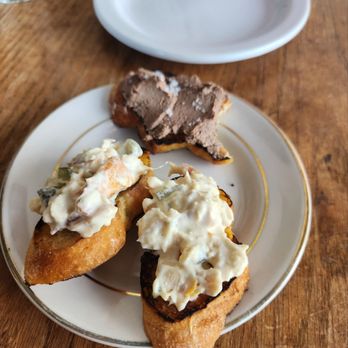
Came here on a Wednesday night with friends so we got to try a little bit of everything! What stood out: - The cabbage was heavenly. I had no intention of ordering it but the server highly recommended it - I get why he did!! Such rich flavor and the char was perfect. - crostini with rabbit liver mousse. I would order this every time - staff was so friendly, kind, and empathetic for the long wait - half portion option! I really wish more places did this What wasn't as ideal: - the rabbit parpadelle pasta was fine. Not bad by any means but not amazing. Flavor was almost bland and the pasta itself was a bit mushy - portion sizes (hangar steak and crostini) are tiny for the price, we left hungry - hazelnut cake and focaccia was underwhelming All in all - a good dinner out, just expect a very long 1 hour wait (even on a weekday night). read more


7 months ago
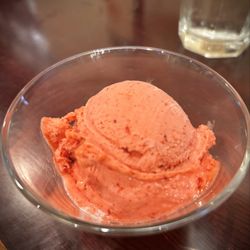
Luce has been on the "to visit" list for quite some time. Glad that I finally had the chance to experience this great spot! It is a cute corner restaurant on Burnside. We lucked out with timing and didn't have to wait for a table. Because of its popularity and limited seating, you can expect to wait for a bit. Highly recommend going right next door for a pre-dinner drink while you wait. We were warmly greeted by Monica then served by Andrew. Everyone was very kind and welcoming. Andrew made great food and drink recommendations! We tried a bit of everything. Had the mushrooms, salad, tagliatelle, and fettuccine. The fettuccine was one of the best pastas I've ever had. So light / delicate. The sauce was amazing! We then enjoyed a few different desserts. The pana cotta was incredible one of the best I've ever had! We will absolutely be back. Highly recommend! read more
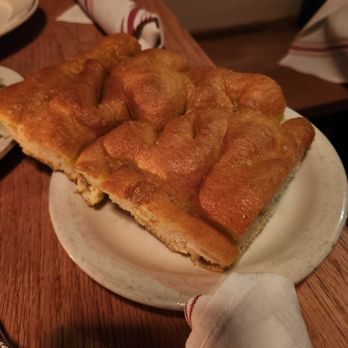


This is an extremely solid Italian place with quick service, fresh pasta, incredible trout, and the best warm octopus salad I've had in Portland so far. I don't think they take reservations, but walking in on a Sunday afternoon at 4ish, we were seated immediately. Portioning was perfect. The quality for this price point was what makes me give this 4.7 stars. I would love to come back to try the olive oil cake! read more


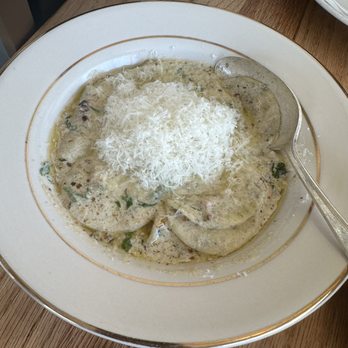
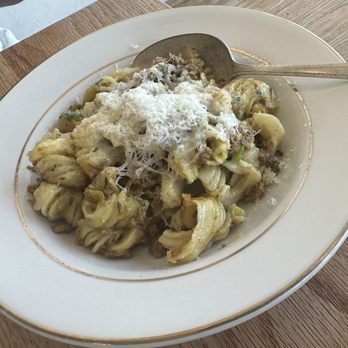
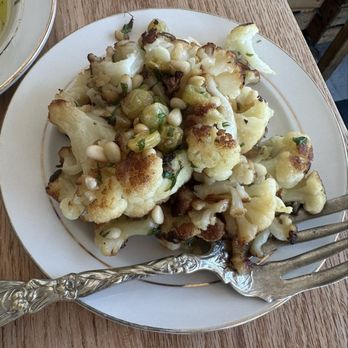
Some of the coziest and cutest restaurant I've been to in a minute. The inside is so welcoming with light colors and open kitchen. The wooden chairs and small tables added to the charm as well. We went right when they open to avoid the long line and it's totally the move. Staffs were very friendly and attentive. Their menu is large and diverse for a small spot with many options for Antipasta, Salads, and Pastas. The best part is that you can get half portion for most things to try more! Game changing move. The two of us split the Octopus Salad with Potatoes and Olives to start. Love how succulent yet well-charred the octopus pieces were. The potatoes and olives worked surprisingly well with the seafood. For pastas we got the Walnut Pesto and Lamb Saffron. Both were delicious with the Walnut Pesto being the most unique one out of the two. Crunchy walnut bits complement the rich sauce well. The lamb pieces were tasty and tender in the other one though. Can't go wrong with either or any of their options honestly. We also got a side of the Cauliflower with Raisins ans Pine Nuts. Loved this dish. Great texture and flavors. Wish we had room for dessert. Next time! Really can't ding anything. Great quality, price, and portion. We're stuffed on just a couple half portions. This is an excellent Italian spot that won't break your bank. read more


1 year ago
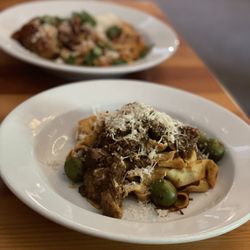
THE BIG: Nice, small, and quaint Italian pasta shop in the Laurelhurst neighborhood of Portland. Very small interior but the tables are turned pretty quickly. Street parking available. THE BLACK AND WHITE: My wife and two friends came here on a Saturday night without a reservation. We put our name down and had to wait 2 hours to get a table. Fortunately there was a wine bar next door that we took time to catch up. We ordered the Spaghetti, radiatrottii, paperdelle, crozotti, tagliatelle, carrots, arugula, and fennel. My favorite was the paperdelle. Something about big flat pastas always gets me. It does get hot inside because of the amount of people they fit. Hopefully they'll get AC soon. THE FINAL BAMBOO: So so good, we spent around $110 for all the dishes. Granted, they were small plates but they packed great flavors. read more
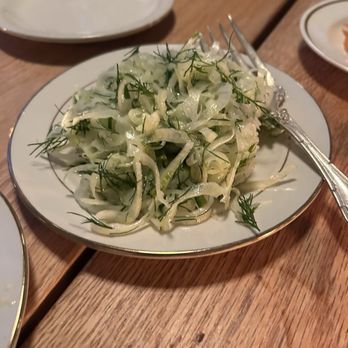


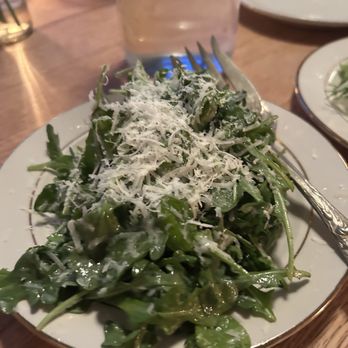

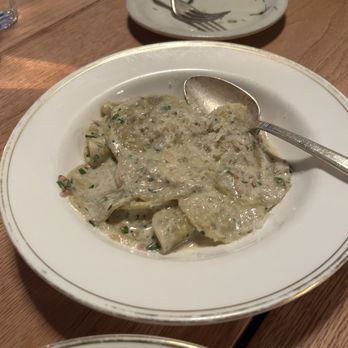


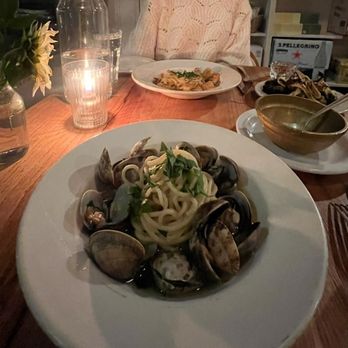
The pasta here is so good! I had been here once over a decade ago and remembering the food being really good. I'm astonished that I hadn't been back because I've been missing out. We came in on a Saturday around 5pm and were quoted about an hour wait for 5 people, so we went next door to their wine bar for some snacks. By the time it was dinner, we skipped right to the pastas. We got the clam linguini, fettuccini, and a stuff pasta in red sauce. We also got the trout, baked butternut squash, octopus olive potato salad, and the pickled carrots and beets. Wow. The octopus dish was phenomenal. Everybody loved it. The fettuccini was the favorite of the pastas but everything was perfectly cooked al dente. The restaurant itself is tiny, so come early if you do want to eat here. The tables are close together and it can also be cold in the winter with the huge windows - so take note to dress warm if you get cold! read more


2 months ago
2 months ago

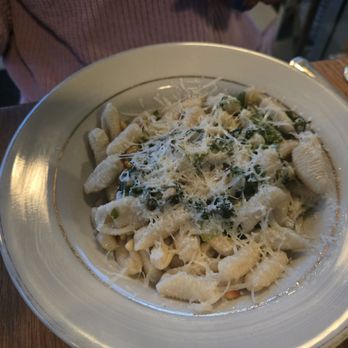
Excellent small Italian restaurant. Cozy, warm, excellent choices in pasta with "secondi" like hangar steak and lamb shanks. We had the polpette and crostini with smoked trout. Then, Cavatelli with arugula and pine nuts- sublime. Also spaghetti with clams - spicy and great texture on the homemade pasta. Combined with a beautiful Chianti. Well done. No reservations, so arrive early! read more



22 days ago

1 year ago
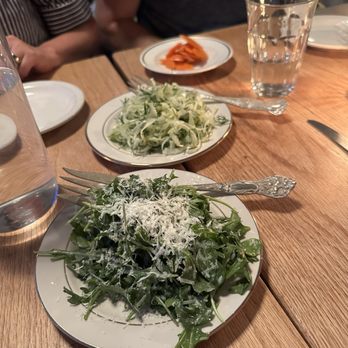
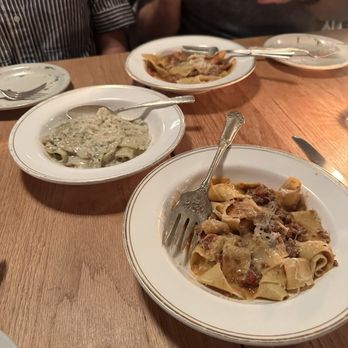
Wait is looong but the pasta is well worth it . We came at 7pm on a Saturday night and didn't get seated until about 9p. We spent time at the bar next door while we waiting. If it's hot outside, it's very hot inside the restaurant with only a few seats and tables. Everything is hand made and fresh. For 4 people we ordered 2 half salads, an app, and about 5 half entrees. I would have ordered more of it want so late. The pasta was SO delicious. My favorites were the ratitorie with lamb and the spaghetti with garlic. Overall highly recommend, but expect a long wait. read more
3 months ago


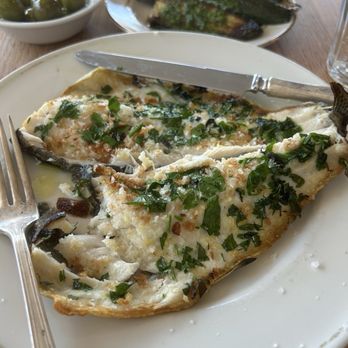
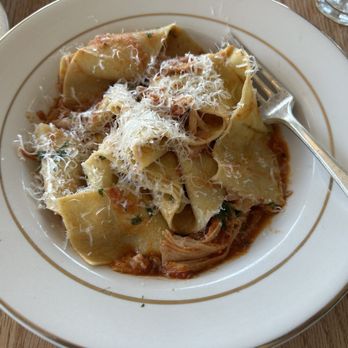
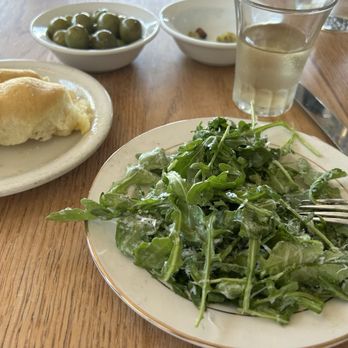
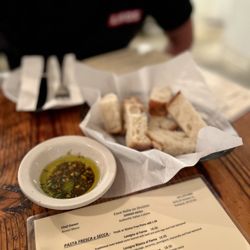
I'd been wanting to try Luce for a bit, had heard good things from friends about the pasta. Popped in during the week & ordered a bit of everything based on staff recommendations. Salt focaccia & olives to start, the arugula & Parm salad, a half order of the rabbit Pappardelle, the seasonal stuffed trout & a side of the roasted squash. The highlight for me was the trout, it was light & flaky, well seasoned & cooked perfectly. Would definitely order it again! The Pappardelle was just ok, not as flavorful as I'd hoped and very little sauce/rabbit. The pros of the dining room setup are that it provides a small & intimate feel, tables are spaced out just enough that you don't feel on top of anyone else. Cute decor & very cozy feel. The only con to note, no AC (?)...it was 89 degrees out this particular evening & it was very warm inside. For me, a warm environment is just tough. Windows on both sides of the space make for great people-watching, but don't do much for keeping things cool. My table was located next to a small fridge or cooler which also seemed to be giving off a fair amount of heat. I'm curious about the other pasta dishes, the snap pea pesto dish sounded delicious...will have to try it next time. read more

9 months ago
I had the BEST MEAL EVER here when we visited Portland over Labor Day weekend, and am embarrassed that I'm just now sharing! The food is simple, elegant and absolutely delicious. (I had the stuffed trout. Amazing.) The staff is friendly and makes time feel spacious. The wine bar where you wait next door makes everything easy and their unusual wine collection is fun to explore. Worth the trip just to dine at Luce. read more


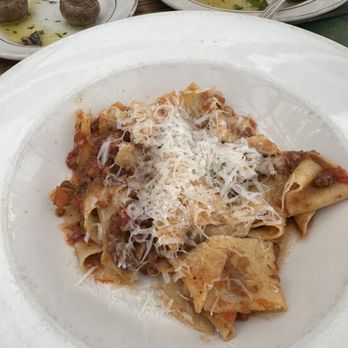
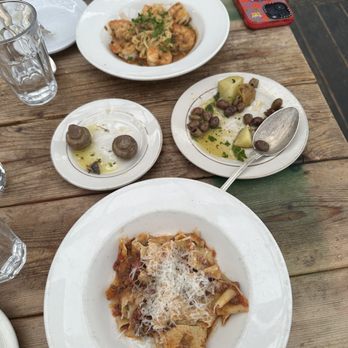
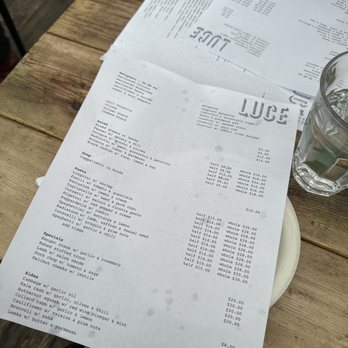
I came here a while ago, but totally forgot to write a review about how great this spot was! I came in during dinner with a girl friend and the place was packed. I highly recommend booking a reservation if you can. We ended up waiting for a while, and eventually got sat outside (there's covers and a heater). Service was friendly and attentive, despite us being outside. Something that I really appreciated about the menu here is that all of the salads and pastas come in both half and whole portions. As someone with a smaller appetite as times (and someone who likes to try many things on the menu), I really appreciated the option for a smaller size. My friend and I got the octopus with potatoes and olives to start, which was delicious. And for mains, we got the Tagliatelle w/ Beef and Ragu as well as the Linguini with shrimp--and later the hanger steak as we also really wanted to try that. Everything was phenomenal. I would love to come in again and dine inside, as it seemed so cozy! read more


4 months ago
2 months ago

1 year ago
So so so good. I was craving Italian and Luce hit all the spots. Thank you to Zach for his recommendations and requested surprise perfect wine pairings. We sat outside on a beautiful night. Next to us was a darling dog and a regular with panache who's affect suggested a story. A story that peppered our conversation and connection with our server/culinary guide for the evening. I suggest the farro pie, with pickled carrots (Zach's, idea, obv), the red lettuce, anchovies and breadcrumb salad. Followed by a couple of pastas-the rabbit and pappardelle (our choice) and something perfect with pesto (again. Zach for the win). He surprised us with a sticker, of our neighbor with his dog upon his departure and it was then we knew, we had fallen in love, if only for an evening. Mussels? Muscles? Who knows after that, it was all a blur of pleasure and some 1994 Marsala. We've run away to Tuscany. I don't know what happened. But I'm happy. And Luce helped. Go. Change your life. Get a sticker. Eat some good food. Life is short. Live it up read more



2 years ago
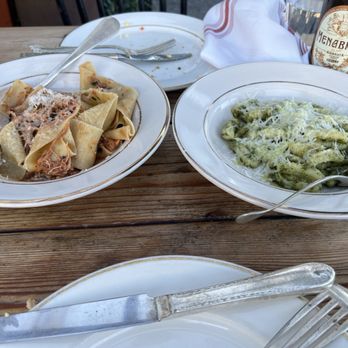
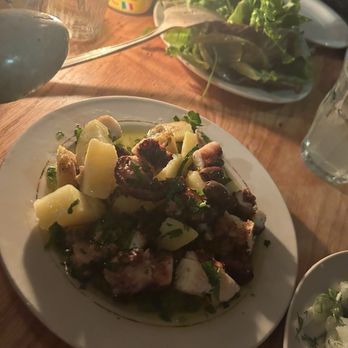
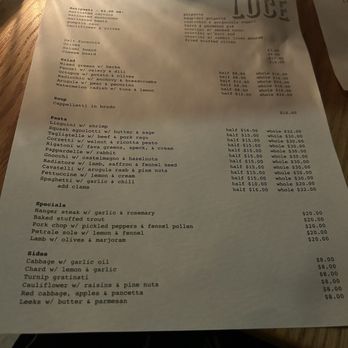
Have I been hiding under a rock?!? Finally I made it out to Luce The only downside for me is you can't make reservations! Which makes it driving far and kids an absolute nightmare but who cares I would do it again. Exquisite, not one complaint, start to finish. I would say this is by far the best is not the best Italian restaurant around here. What didn't we order? I would pass on the bread, too salty for me but my friends loved it Octopus and potatoes Fennel salad Green salad Wine list amazing My favorite dish, the broth omg 10000 It was so delicious I ordered two to go The mushroom, carrot marinated were not my jam The eggplant balls were interesting but I preferred all the salads and olives! The steak was amazing and perfectly cooked I ordered the shrimp linguine and oh boy it was def tasting like the sea, Everyone loved what they ordered for entrees We ordered all the desserts but our favorite was the orange cake. Wooooozier. This place is amazing, chefs kiss Service was outstanding Can't wait to come again read more





2 years ago

2 years ago
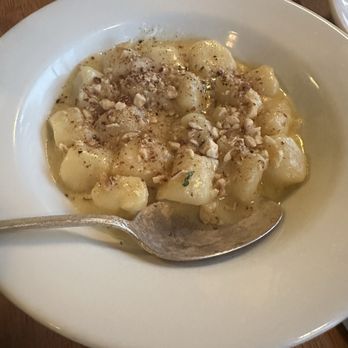
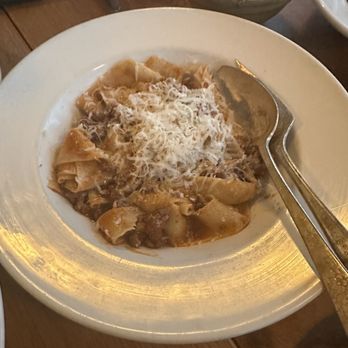
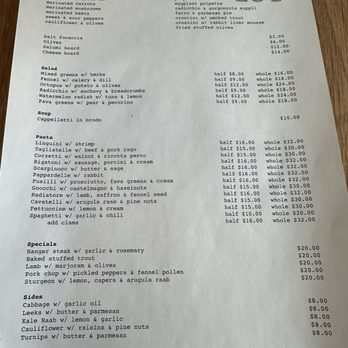
One of the best Italian restaurants in Portland. The space is small but intimate. There were no tables larger than four tops. I recommend getting there early, but they have a good waitlist system if you need to wait. The menu is extensive with a wide variety of pastas and antipasti. Many of the dishes can be ordered as half sizes in case you want to try more dishes. Some standouts included the crostini with rabbit liver mousse and the gnocchi. The staff were helpful and polite. We had a great experience. read more




2 years ago
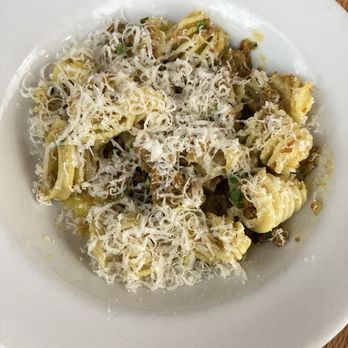
We got the cheese board, garlic scapes, and snap peas to share. There was a gorgonzola and a goat cheese, which paired together was amazing. This was the half portion of the radiatore pasta and it was a lot of food. I think the pasta shape was really good for soaking up the sauce and was cooked al dente. I think personally I might have picked the wrong pasta because I tasted a little too much fennel but overall it was good. All of the food was very reasonably priced. The restaurant itself was really cute and there was outdoor seating, which would be really pleasant during nice weather. read more


1 year ago

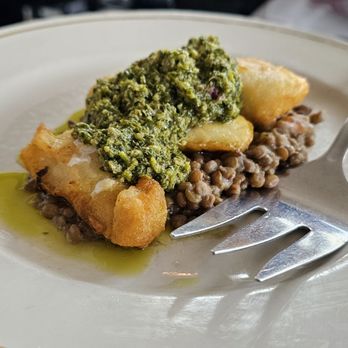
Cozy corner dinner off of Burnside, arguable the tightest tables around. Definitely not a group venue but perfect for two. Every table was seated which made a very lively room. The menu ~ small bites, nothing served in large quantity. Everything was seasoned well, tasty & satisfying if tasting multiple plates is your thing. Gotta sip on Italian beer to complete the ambience! Our waiter was perfetto ~ soft smile & inviting tone to his voice & posture. Attentive throughout the dinner. Showed true professionalism. Made the $$$ dinner. The restaurant could use an overall deep clean. The antiqued decor is cute, but too much grime all around and the walk to and in the bathroom is not pleasing. read more


8 months ago

1 year ago
4 months ago

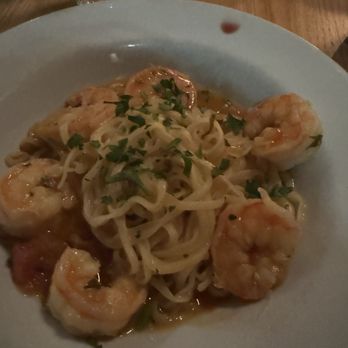
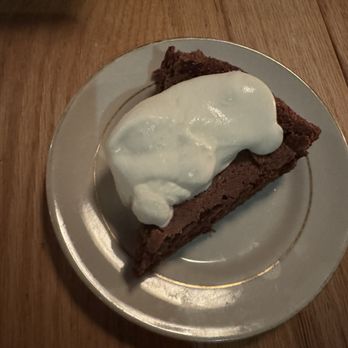
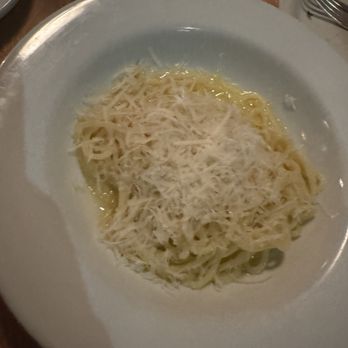
Amazing little spot and I see myself coming here again and again . From the food to the wine selection to the ambiance-everything was just perfect. We were immediately seated and attended to despite there being a line. The interiors are cozy and the dimly lit environment makes it a perfect date night spot. The menu is made of big and small portions and as a result you get to try a variety. We ordered a bottle of Le Vigne di Faraone Montepulciano to share amongst the three of us . The wine selection is extensive and focuses on bold Italian reds. One thing that I didn't really like was their choice of glassware for wine ,I believe what they used were Sospiros . The volume of the big glass allows ample headspace to collect aromas and with the glasses they provided It kind of brought down the experience a notch . I do understand that they are trying to make an authentic Italian experience but I also think it should depend on the type of wine being served . Not trying to be picky but just a suggestion for the restaurant . The wine was fantastic- light and dry and had a little earthy tones .For food we ordered - Focaccia Crostini with Rabbit Mousse Linguini with shrimp Spaghetti with Garlic & Hot Pepper Pappardelle with Rabbit Whole Flourless Chocolate Cake Food was superb and portion sizes just right . Service is alright , I wouldn't say they were bending over backwards to be friendly but answered all our questions . The staff was to the point and seemed to be in a hurry but that did translate into our food coming out fast as well. Pricing seemed fair for the quality and taste . read more



7 months ago

10 months ago
5 months ago


11 months ago
a cozy intimate space with incredible Italian food, simple and done well. staff were so kind and let my dad nerd out over wine which made him very happy. we did a walk in and was able to get a seat somewhat fast which is incredible for such a small restaurant. it was rainy day so this made for the perfect cozy dinner and we left very full and happy, definitely will be coming back! read more


1 year ago
Adored this spot! Felt super euro chic. Pasta dish was good and clams were fresh. Good quality ingredients and very friendly staff. Great ambiance and lighting, would be a great date night spot! read more
5 months ago

1 year ago
Page 1 of 11
More info about Luce
2140 E Burnside St
Portland, OR 97214
Buckman
Directions
(503) 236-7195
Call Now
Visit Website
http://www.luceportland.com/
Full menu
Hours
Payment methods
Food & Alcohol
Indoor Amenities
Outdoor Amenities
Other Amenities
More Info
Health Score
Ask the Community - Luce
You might also consider















Why does Yelp recommend reviews?
22 reviews that are not currently recommended
The reviews below are not factored into the business's overall star rating.

3 years ago
11 months ago

10 years ago

4 years ago

7 years ago

12 years ago

10 years ago

7 years ago
13 years ago

7 years ago

7 years ago
12 years ago
10 years ago
8 years ago

8 years ago

9 years ago

2 years ago
7 years ago

8 years ago

12 years ago


