LasikPlus
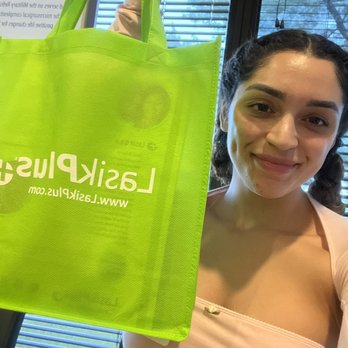
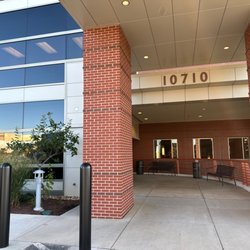
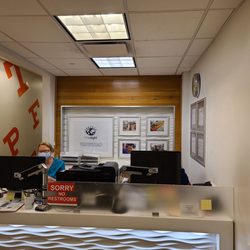
LasikPlus Photos



You might also consider


More like LasikPlus
Recommended Reviews - LasikPlus
Start your review...


Reviews With Photos


I came to Lasik Plus for my consultation. The staff are very nice and friendly especially Jada. She is very helpful and sweet.


My husband chose LasikPlus for his much awaited laser surgery and signed up for their free consultant. The appointment went by quickly and they told him he is "perfect" candidate for the surgery. The receptionist was nice and told us about different offer and helped us getting the optimum discount we can get. We immediately took the date for the same week on Thursday at 4pm and were told to arrive at 4 rather than coming early. However, on the day of the appointment the story was opposite. We waited in the lobby till 5 even for getting started. Then we filled some forms with the receptionist. We then waited again to be called by nurse who gave me the prescription and went over the different dosage for steroids and antibiotic that needed to be taken after the surgery. After probably 15 more minutes of waiting, my hubby was taken in the room near the surgery room where he was given local anesthetic and then waited again for 20 mins. Finally he was taken in the surgery room and the operation lasted for probably 5 mins. I can watch the whole thing on the screen in the lobby which was relieving in a way. After the surgery, Dr. Goel was very assuring and asked me if I had any concerns. Overall, the surgery went great and my husband is all recovered and have 20/22 vision in just week. My only concern was waiting in the lobby for 3 hours for a 5 minute operation. I wish they would have managed the schedule better. Nonethess, i would recommend this place because 1) the surgeon is very experienced and the surgery was very quick and effective. 2) They are willing to help in any way they can to ensure painful and best experience and recovery.

9 years ago

11 years ago

8 years ago

10 years ago
7 years ago

11 years ago

11 years ago
7 years ago
9 years ago
11 years ago


11 years ago
I researched a lot of LASIK doctors and found that Dr Goel was the most positive reviewed dr. So I made my consultation here at the Columbia office. I promise you even the staff made me feel comfortable and welcomed. I went to a few LASIK locations but found this to be the absolute best! I felt like they examined my eyes down to the T to make sure I would proceed with the best procedure for me. So I set my surgery date up and as the time was getting close they prepared me. Dr. Goel informed me of EVERYTHING I would feel, smell and even hear. He told me everything I needed to know about my recovery as well. The procedure was painless and quick. I had PRK done to my eyes. The first 3 days were a bit rocky but nothing the pain meds and eye drops couldn't ease. He and his staff even checked on my later on the day of my procedure as well as the next day. I'm now on day 8 and my contact bandages were removed 2 days ago. My eyes are getting clearer and clearer each day. I was fully aware they wouldn't be stable for a while but I can definitely say each day gets better! I would recommend this team to EVERYONE! They are literally awesome! read more


10 years ago

11 years ago

11 years ago

10 years ago

10 years ago
7 years ago

11 years ago

10 years ago
10 years ago
8 years ago
10 years ago

10 years ago
16 years ago
11 years ago
9 years ago
9 years ago
9 years ago
10 years ago
9 years ago
10 years ago
10 years ago
10 years ago
9 years ago
Page 2 of 2
More info about LasikPlus
10025 Governor Warfield Pkwy
Ste 103
Columbia, MD 21044
Directions
(844) 295-2020
Call Now
Visit Website
http://www.lasikplus.com
Hours
Payment methods
Other Amenities
Ask the Community - LasikPlus
Review Highlights - LasikPlus
You might also consider















Why does Yelp recommend reviews?
17 reviews that are not currently recommended
The reviews below are not factored into the business's overall star rating.
12 years ago
7 years ago
10 years ago
10 years ago
10 years ago
12 years ago
8 years ago

10 years ago
11 years ago
10 years ago
9 years ago
10 years ago
18 days ago
10 years ago
3 years ago
1 year ago

10 years ago


