Lacock Abbey Photos


Recommended Reviews - Lacock Abbey
Start your review...


Reviews With Photos


'Oh WOW, this is where Harry Potter was filmed'. Am I bothered....NO WAY. As a retired photographer I was more interested in the fact that Henry Fox Talbot, a British scientist, inventor and photography pioneer who invented the salted paper and calotype processes, forerunner of photographic processes of the later 19th and 20th centuries. Sorry, needed to get that fact off my chest. I was glad to see that very little was made by The National Trust about Harry Whatsit, leaving visitors to make up their own minds. Our first encounter, on entering was a magnificent museum dedicated to Fox Talbot and photography. Extremely interesting and informative. Well laid out with plenty of space to manoeuvre without getting in each others way. Following an hour or so in here we wandered the magnificent grounds to see the rock works and rose garden followed by the courtyard. This was under restoration while we were there but, at least, we saw where some of our entrance fee was going. The Abbey is magnificent from the outside. Wonderful architecture. Inside is even better. Wandering the cloisters brings shivers down the spine thinking of those in the past that have walked those paths. Walking around there are many Trust personnel with so much knowledge to pass on to those that are interested. The living area is beautiful, but that you will have to see for yourself to take in its splendour. Henry Fox Talbot had many guests of scientists and philosophers visiting. I would love to have heard some of those conversations around the dining table. The ultimate point of the visit for me was 'The Window'. The first negative print made by the great guy. May not mean a lot to some but because of this guy I was in employment for so many years. Thank you National Trust.


Lacock Abbey is where most of the castle footage was filmed for the first Harry Potter movie!!! Nice!!!!


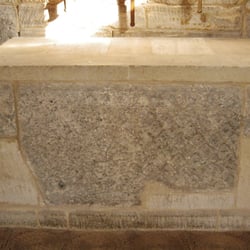
Time constraints meant I didn't have time to do the Abbey rooms. Maybe another time. Anyway, to be honest it's the cloisters I'd heard of, as they were used extensively in the first couple of Harry Potter films. The Abbey has actually not been an abbey for many years: it's now a stately home. It was founded as a nunnery in 1232, and when bought by Sir William Sharington in 1539 he preserved much of the original buildings. The cloisters are walks on three sides of a central grassed square. Very pretty! Several rooms are also accessible off them, including a parlour (originally the only place nuns in a silent order were allowed to talk, from the French Parlez), which strangely contains what looked to me like stone coffins. There's also a 'warming room' with cauldron and trough and some mysterious dark rooms off that. If you look carefully in the cloisters and in the Sacristy some medieval painting can still be seen, though it's not especially stunning. The rooms are all pretty much empty shells, but they have a wonderful atmosphere, have great potential for pictures, and there are some interesting notices around. You can learn about the woman who founded the Abbey, the children evacuated there during the war, and more. Entry is available as part of a package with the Fox Talbot Museum and Abbey Grounds (and the Abbey rooms if you have the extra time and money). I whistled round it all in an hour. 40 minutes or so was probably near enough for the Cloisters, but I could have done with more time for the lovely grounds and the museum. Though the Cloisters are advertised as accessible to wheelchairs, I did think some of the floors were pretty uneven and some rooms could only be entered via steps. They might be a problem for some chair users, and a trip hazard for those less steady on their feet.


Beautiful architecture and surrounding area. We were lucky enough to visit when there was a light layer of show and it just looked Apple magical. I recommend visiting outside peak times/holidays if possible as it's just a much nicer experience and is very relaxing to walk around. read more


Come and see where Harry Potter movies were filmed. Also to be noted this location was used for film productions of Wolfman, Pride and Prejudice, Cranford Chronicles and Emma. Lacock Abbey in the village of Lacock, Wiltshire, England, was founded in the early 13th century by Ela, Countess of Salisbury, as a nunnery of the Augustinian order. Later, it became a quirky country house of various architectural styles within its own woodland grounds. It was a home for the Talbot family, including William Henry Fox Talbot 19th century, famous for his contributions towards the invention of the photographic negative. His amazing achievements are celebrated in the Fox Talbot Museum on the ground floor and the gallery above holds special exhibitions throughout the year. Wander through the Medieval cloisters, and 16th century stable courtyard, explore the furnished rooms and discover the 18th century Gothic hall. read more


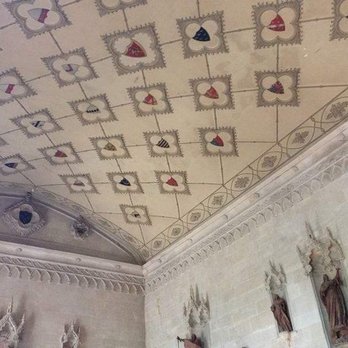


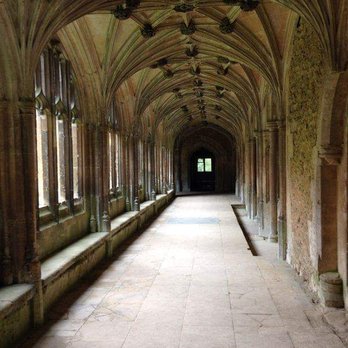


13 years ago
Staying near Bath, Lacock Abbey is just 30 minutes away. We spent one day in Bath and was looking to find other things to do. We ended up in Lacock from a suggestion from the B&B owner. Lacock is a small town that you can walk around quickly. It's a bit fake feeling and reminds me of an American Disney World style place. The Abbey is the most authentic part of the whole thing. I know... the place is authentic, but it doesn't feel that way. Maybe because of the huge number of tourists that come here, it feels a bit manufactured. The Abbey: You park (pay & Display) and walk to the abbey. It takes less than 5 minutes to walk to the abbey from the car park and there is not street parking, so go to the car park. The Abbey has a nice entrance with a museum and gift shop. We didn't really know what we were purchasing, but we got tickets to the Abbey and the rooms in the house. In retrospect, this was a mistake. We should have only purchased tickets for the abbey grounds. The Abbey grounds are pretty. The cloisters and other Abbey rooms are nice (empty but nice). The Abbey cloisters and open courtyard is gorgeous. We watched a group of obnoxious tourists (English 20-something girls) move the ropes and wander through the courtyard. I was disappointed that the person working there never said anything there. The individual rooms were nice but there wasn't much in there. There wasn't a guide, audio guide, or placards to tell you much about the rooms. The signage and information (or lack of it) was very disappointing. Two of the Harry Potter movies were filmed at this Abbey. Several of the teacher office's were rooms in the Abbey and the cloister courtyard was used for scenes with a big fountain. I'm not a Harry Potter fan so it was nice to see these but they didn't wow me. There was a nice board with photos showing some of the scenes shot in the Abbey. It looks like a good bit of time was spent filming here. We left the abbey and went into the house. What a mistake. The house was hot and boring. The rooms were preserved from the early 1900's. Boring! We ran through there and got out as soon as we could. Don't waste your time looking at artifacts from 100 years ago in an Abbey that has been standing for centuries. We felt like it was expensive for what we saw and the lack of information. The Fox Talbot museum in the visitor center was much better, but we wanted more explanation on the cloisters. Oh well, it was pretty. read more


'Oh WOW, this is where Harry Potter was filmed'. Am I bothered....NO WAY. As a retired photographer I was more interested in the fact that Henry Fox Talbot, a British scientist, inventor and photography pioneer who invented the salted paper and calotype processes, forerunner of photographic processes of the later 19th and 20th centuries. Sorry, needed to get that fact off my chest. I was glad to see that very little was made by The National Trust about Harry Whatsit, leaving visitors to make up their own minds. Our first encounter, on entering was a magnificent museum dedicated to Fox Talbot and photography. Extremely interesting and informative. Well laid out with plenty of space to manoeuvre without getting in each others way. Following an hour or so in here we wandered the magnificent grounds to see the rock works and rose garden followed by the courtyard. This was under restoration while we were there but, at least, we saw where some of our entrance fee was going. The Abbey is magnificent from the outside. Wonderful architecture. Inside is even better. Wandering the cloisters brings shivers down the spine thinking of those in the past that have walked those paths. Walking around there are many Trust personnel with so much knowledge to pass on to those that are interested. The living area is beautiful, but that you will have to see for yourself to take in its splendour. Henry Fox Talbot had many guests of scientists and philosophers visiting. I would love to have heard some of those conversations around the dining table. The ultimate point of the visit for me was 'The Window'. The first negative print made by the great guy. May not mean a lot to some but because of this guy I was in employment for so many years. Thank you National Trust. read more


18 years ago
Time constraints meant I didn't have time to do the Abbey rooms. Maybe another time. Anyway, to be honest it's the cloisters I'd heard of, as they were used extensively in the first couple of Harry Potter films. The Abbey has actually not been an abbey for many years: it's now a stately home. It was founded as a nunnery in 1232, and when bought by Sir William Sharington in 1539 he preserved much of the original buildings. The cloisters are walks on three sides of a central grassed square. Very pretty! Several rooms are also accessible off them, including a parlour (originally the only place nuns in a silent order were allowed to talk, from the French Parlez), which strangely contains what looked to me like stone coffins. There's also a 'warming room' with cauldron and trough and some mysterious dark rooms off that. If you look carefully in the cloisters and in the Sacristy some medieval painting can still be seen, though it's not especially stunning. The rooms are all pretty much empty shells, but they have a wonderful atmosphere, have great potential for pictures, and there are some interesting notices around. You can learn about the woman who founded the Abbey, the children evacuated there during the war, and more. Entry is available as part of a package with the Fox Talbot Museum and Abbey Grounds (and the Abbey rooms if you have the extra time and money). I whistled round it all in an hour. 40 minutes or so was probably near enough for the Cloisters, but I could have done with more time for the lovely grounds and the museum. Though the Cloisters are advertised as accessible to wheelchairs, I did think some of the floors were pretty uneven and some rooms could only be entered via steps. They might be a problem for some chair users, and a trip hazard for those less steady on their feet. read more


13 years ago
Lacock (the village) and the abbey will make you feel like you stepped back in time! Definitely a nice place to walk around and enjoy the preserved history of this town. The abby was alot bigger than expected and pretty well preserved. The countryside around it is breathtaking as well. The abby was a nunnary back in the 1200s and they have a book of the prayers of the nuns preserved in room. The abby gives you an idea of how people lived back in the day as you walk through all the rooms. The staff was very knowledgeable and super friendly. Its located a short walk from the village where you will find alot of homemade products from the small mom and pop shops. read more


12 years ago

18 years ago

18 years ago
18 years ago
18 years ago
More info about Lacock Abbey
Review Highlights - Lacock Abbey

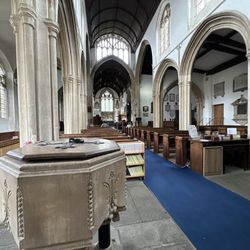
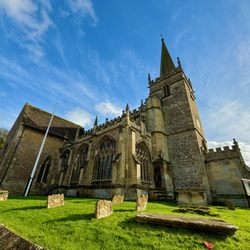















Why does Yelp recommend reviews?
1 review that is not currently recommended
The reviews below are not factored into the business's overall star rating.
17 years ago


