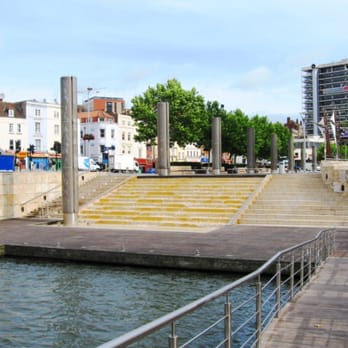
Bristol Harbour Photos


Recommended Reviews - Bristol Harbour
Start your review...



What a lovely walk about on a Sunday afternoon. My friends took me for a stroll all around the harbor while we chatted and enjoyed the weather (in November!). It's great how the city has preserved it's history as a port city but is also revitalizing new areas for better use and access by its citizens. Loved the rusty giant metal loading and unloading structures and the new Wapping Wharf. Great area for a hitting restaurants, pubs, enjoying the river, etc. read more


Bristol's Harbour defines the centre of this historic West Country city. It has been a major port since mediaeval times and, with its bars, shops, restaurants, museums and art galleries (not to mention hotels and waterside apartment blocks), it forms a vibrant heart to the city. History The docks have their history in quays built since Saxon times along the banks of the rivers Avon and Frome, which flow through the city and then via the famous Avon gorge to the sea. One of the most distinctive parts of the docks - reaching right into the heart of the city - is St Augustine's Reach, built between 1240 and 1247. Parts of the harbour walls still date from this time. The docks were the starting point for the Matthew, in which Cabot sailed to discover Newfoundland in 1497. (This leads to the claim that Cabot is the original discoverer of North America, as Columbus sailed into the Caribbean!) The major problem with the docks was always the huge tidal range of the river: the Severn, into which the Avon flows, has the second highest tidal range in the world, so at low tide the channel is reduced from a wide river to a muddy creek. This was rectified in 1804-9 by damming - at both ends - part of the channel to provide constant deep water, with lock gates to allow ships passage. The resultant dock is known as the "Floating Harbour", and encloses some 31 hectares of water, which meanders through the city, crossed by some 21 bridges. The docks reached their heyday in the 18th and early 19th centuries, and were extensively involved in the tobacco and slave trades. Undoubtedly, the most famous ship built here was the SS Great Britain, built by Brunel and launched in 1843. This iron-built screw-propeller ship is regarded by many as the first modern liner, and was brought back here for restoration in the 1970s and today sits resplendent in the dock in which it was built. The advent of longer ships and the problems of navigating the tidal Avon resulted in new docks being built at Portishead and Avonmouth on the Severn Estuary in the late 19th century. Trade gradually declined, although some coastal and dredging traffic survived until 1991. However, since the 1970s the emphasis has been on developing the docks for housing, leisure and offices, and today the harbours are busy with leisure craft and ferry taxis. Practicalities The most familiar part of the docks to many people is St Augustine's Wharf, which is lined with converted warehouses, now shops, bars, restaurants, and includes the Arnolfini Art Gallery. Further downstream on the south side, is the historic dock housing the SS Great Britain and the replica Matthew. Ferry Taxis operate from a number of landing stages along the length of the docks: there is a commuter service, a daily timetable - great for round trips for sightseeing - and they are also available for hire. See: http://www.bristolferry.com One of the best times to visit the docks is during the annual Bristol Harbour festival in July, when street entertainment and music performances are complimented by watery attractions of all kinds, including hundreds of ships (including tall ships) which visit the city for the festival. This year there are also special events to celebrate 200 years of the Floating harbour - see http://visitbristol.co.uk/site/floating-harbour-200 . read more

More info about Bristol Harbour














Why does Yelp recommend reviews?
1 review that is not currently recommended
The reviews below are not factored into the business's overall star rating.

8 years ago


