
Clifton Suspension Bridge Photos


Recommended Reviews - Clifton Suspension Bridge
Start your review...


Reviews With Photos


Clifton Bridge, Bristol's main attractions. Very nice, surrounded by greenery close to the centre. The town is so small you can easily get around on foot.


The Clifton Suspension Bridge is a beautiful landmark! And the view from up here is amazing! We went to Bristol for a spontaneous getaway, and didn't know much about the city - but we quickly found out about the bridge, and of course had to see it. And we were actually quite impressed about it - even though it looked smaller (walking on the bridge) than we thought! But it's kind of cozy! It opened in 1864 - designed by Isambard Kingdom Brunel. It is 75 meters above high water level! So walking over it and being afraid of heights is mental win!
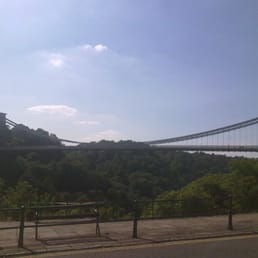

This is the first thing on my list of things to show family and friends who come visit me in Bristol. You could spend hours stood there marvelling at the engineering feat that is Clifton Suspension Bridge, but that's not all there is to do in the area. You can take a slide down the shiny steep rock overlooking the bridge. I first tried this when I visited Bristol on a Scout trip back in the mid 1990s and now I goad my friends into it laughing my head off as they coyly revert to their childhood and wwwhhheeeee down the shiny rock. Go on, give it a go. You know you want to. There's always an ice cream van over the other side to reward your efforts. While pedestrians can walk the bridge for free, motorists must have 50 pence in coins to hand - however, the bridge bosses are looking into the possibility of accepting cards in the not too distant future.


I must say, this is an absolutely cracking bridge. I'm no expert, but it's solid, goes in a straight line and it stretches all the way to both sides. I mean, if they'd just slung up, off the top of my head, one like the one out of Indiana Jones and the Temple of Doom, I'm prepared to guess that usage would fall by at least 50 per cent. If you hit this with a sword, even a really big one, all you'd get is a loud clang, none of that falling to your certain death inconvenience. I would add one caveat, it's only really that good if you want to get from the Clifton Village area to the Leigh Woods area. If not, you're probably better off walking/driving in a completely different direction altogether. It may not have starred in a wide range of award-winning films including The Big Lebowski and The Fisher King, but this still remains one of my favourite bridges of all time.


Slung gracefully across Avon Gorge, the Clifton Suspension Bridge is an icon of Bristol. After winning a competition by a wine merchant to design a bridge to connect Somerset and Clifton, Isembard Kingdom Brunel came up with his design. Beset by financial and political difficulties, the bridge wasn't completed until after the engineer's death. The result, a sparsely adorned suspension bridge differed in detail from Brunel's original design (he had envisioned egyptian pillars at each end of the bridge) but nonetheless became a symbol of Bristol. Phew, that reads like a tourist blurb. Do visit, though, the views are breathtaking and it is a beautiful piece of engineering. Going during the day makes for a dizzying experience, with tourists peering down on the muddy River Avon. At night, they have lights outlining the suspension cable and towers, very pretty.


Surely, Clifton Suspension Bridge must be one of the wonder's of England! Pictures do not do it justice. If you can, take a walk to Clifton Downs and head to the furthest point where you will find a viewing spot. Here (on a clear day) you can see Wales to your right and a stunning view over the Avon Gorge and down towards the bridge. There is also aways (regardless of weather) an ice cream van! Then follow the path round until you find a small clearing in the trees (you will probably need an Ordinance Survey Map for this). You will walk down a small steep path between a gorge which will take you to river level. Now you can walk along the river and under the bridge itself which is a really amazing view. Once past the bridge there is another small path on the other side of the road named 'The Zig-Zag'. Word of warning, not for the unfit, its very steep! Once at the top you will be right at the entrance to the bridge where you can walk across it. Another word of warning, you get a strong sense of vertigo as you peer over so if you are afraid of heights it may not be advised to look down. However the views towards Bristol are incredible and the same can be said about the views over the gorge. If you are feeling less than energetic, Bristol Packet Boats do a boat trip which goes underneath the bridge which I've heard is well worth the money. Definitely one of the best sights to be seen in Bristol!


I think it's fair to say the Suspension Bridge is the best Bristol has to offer. Whether you're from Bristol or not it acts a pretty decent reminder of what an incredibly beautiful & brilliant city Bristol is. So thank you Brunel. Now obviously if you are new to the city, get yourself on the bus (8 or 9) from the centre or a train to Clifton Down and come and check it out. It is the first point of call for anyone showing somebody the sights of Bristol. But I want to mention the green areas that surround the Clifton Suspension Bridge, where we had BBQ this weekend. Wow, looking down into the gorge and out across the country side was really amazing, a little breezy perhaps when the sun went down because you have no tall building to protect you, but it is only May and it will get warmer. Some of our Spanish friends were wearing a few jackets and blankets in a desperate attempt to stay warm. We are really lucky in this country to be able to use such public spaces to socialise, eat and drink (as our American friends pointed out) and as long as people pick up after themselves, long may it continue. This is a public space to be enjoyed by everyone, so the next time the sun is shining, grab a blanket to sit on, a BBQ or a picnic, a Frisbee or a football and go and spend the under Brunel's bridge.


I have visited this bridge twice. I find it quite something. It is prob the main character of Bristol. It goes over a river. It is only 50p to cross the bridge. It was designed by Brunel. A unique piece of architecural work here. Where you can see it, it is very difficult to get the whole bridge in a picture (or maybe I just have the wrong camera). A definite visit during the Autumn days, the trees and colours surrounding this bridge are amazing.


You can't visit bristol without seeing the suspension bridge, old mr Brunel's last legacy completed in his honour, it's a shame he never got a chance to see it in all it's splender. I would recomend both walking and driving accross the bridge. Firstly walk to spend the time appreciating the view of Bristol and beyond, beautiful in any season. Then drive your car (or get someone to drive you) accross for a mere 50p! For this small price you can get the feeling you're Robin Williams driving your 'flubber' powered car in the clouds! Anyway, enough of my bridge hero worship down to practicalities. A great way to appreciate the bridge is to follow the river from the city centre all the way to the foot of the bridge, there you will come accross a small opening with a steep staircase leading you all the way to the top and to a spectacular view of the bridge from the viewing platform (which gives you all the vital historical information). On crossing the bridge you will find that it's impossible to just rush accross, your eye will keep being drawn to knew sights and you will have the feeling of wanting to remember the view forever, from either side of the bridge, The Avon Gorge is a truely great sight, and old Isembard designed the finest structure from which to appreciate it in all its glory, a must see!


6 years ago

Worth a visit if you are in the area. The suspension bridge is quite majestic especially if you see it from the woods there. You can also travel across it by car for one pound, aswell as walk across it. The area around is located In Clifton which has beautiful houses and parks and walks around. There is an observation tower which also offers great views aswell as a cafe.. read more


3 years ago

6 years ago
Clifton Bridge, Bristol's main attractions. Very nice, surrounded by greenery close to the centre. The town is so small you can easily get around on foot. read more


The Clifton Suspension Bridge is a beautiful landmark! And the view from up here is amazing! We went to Bristol for a spontaneous getaway, and didn't know much about the city - but we quickly found out about the bridge, and of course had to see it. And we were actually quite impressed about it - even though it looked smaller (walking on the bridge) than we thought! But it's kind of cozy! It opened in 1864 - designed by Isambard Kingdom Brunel. It is 75 meters above high water level! So walking over it and being afraid of heights is mental win! read more


8 years ago

17 years ago
This is the first thing on my list of things to show family and friends who come visit me in Bristol. You could spend hours stood there marvelling at the engineering feat that is Clifton Suspension Bridge, but that's not all there is to do in the area. You can take a slide down the shiny steep rock overlooking the bridge. I first tried this when I visited Bristol on a Scout trip back in the mid 1990s and now I goad my friends into it laughing my head off as they coyly revert to their childhood and wwwhhheeeee down the shiny rock. Go on, give it a go. You know you want to. There's always an ice cream van over the other side to reward your efforts. While pedestrians can walk the bridge for free, motorists must have 50 pence in coins to hand - however, the bridge bosses are looking into the possibility of accepting cards in the not too distant future. read more
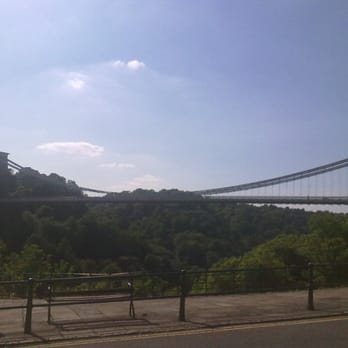

17 years ago
I must say, this is an absolutely cracking bridge. I'm no expert, but it's solid, goes in a straight line and it stretches all the way to both sides. I mean, if they'd just slung up, off the top of my head, one like the one out of Indiana Jones and the Temple of Doom, I'm prepared to guess that usage would fall by at least 50 per cent. If you hit this with a sword, even a really big one, all you'd get is a loud clang, none of that falling to your certain death inconvenience. I would add one caveat, it's only really that good if you want to get from the Clifton Village area to the Leigh Woods area. If not, you're probably better off walking/driving in a completely different direction altogether. It may not have starred in a wide range of award-winning films including The Big Lebowski and The Fisher King, but this still remains one of my favourite bridges of all time. read more


5 years ago

17 years ago
Slung gracefully across Avon Gorge, the Clifton Suspension Bridge is an icon of Bristol. After winning a competition by a wine merchant to design a bridge to connect Somerset and Clifton, Isembard Kingdom Brunel came up with his design. Beset by financial and political difficulties, the bridge wasn't completed until after the engineer's death. The result, a sparsely adorned suspension bridge differed in detail from Brunel's original design (he had envisioned egyptian pillars at each end of the bridge) but nonetheless became a symbol of Bristol. Phew, that reads like a tourist blurb. Do visit, though, the views are breathtaking and it is a beautiful piece of engineering. Going during the day makes for a dizzying experience, with tourists peering down on the muddy River Avon. At night, they have lights outlining the suspension cable and towers, very pretty. read more


17 years ago
Surely, Clifton Suspension Bridge must be one of the wonder's of England! Pictures do not do it justice. If you can, take a walk to Clifton Downs and head to the furthest point where you will find a viewing spot. Here (on a clear day) you can see Wales to your right and a stunning view over the Avon Gorge and down towards the bridge. There is also aways (regardless of weather) an ice cream van! Then follow the path round until you find a small clearing in the trees (you will probably need an Ordinance Survey Map for this). You will walk down a small steep path between a gorge which will take you to river level. Now you can walk along the river and under the bridge itself which is a really amazing view. Once past the bridge there is another small path on the other side of the road named 'The Zig-Zag'. Word of warning, not for the unfit, its very steep! Once at the top you will be right at the entrance to the bridge where you can walk across it. Another word of warning, you get a strong sense of vertigo as you peer over so if you are afraid of heights it may not be advised to look down. However the views towards Bristol are incredible and the same can be said about the views over the gorge. If you are feeling less than energetic, Bristol Packet Boats do a boat trip which goes underneath the bridge which I've heard is well worth the money. Definitely one of the best sights to be seen in Bristol! read more


16 years ago
I think it's fair to say the Suspension Bridge is the best Bristol has to offer. Whether you're from Bristol or not it acts a pretty decent reminder of what an incredibly beautiful & brilliant city Bristol is. So thank you Brunel. Now obviously if you are new to the city, get yourself on the bus (8 or 9) from the centre or a train to Clifton Down and come and check it out. It is the first point of call for anyone showing somebody the sights of Bristol. But I want to mention the green areas that surround the Clifton Suspension Bridge, where we had BBQ this weekend. Wow, looking down into the gorge and out across the country side was really amazing, a little breezy perhaps when the sun went down because you have no tall building to protect you, but it is only May and it will get warmer. Some of our Spanish friends were wearing a few jackets and blankets in a desperate attempt to stay warm. We are really lucky in this country to be able to use such public spaces to socialise, eat and drink (as our American friends pointed out) and as long as people pick up after themselves, long may it continue. This is a public space to be enjoyed by everyone, so the next time the sun is shining, grab a blanket to sit on, a BBQ or a picnic, a Frisbee or a football and go and spend the under Brunel's bridge. read more


5 years ago

18 years ago
I have visited this bridge twice. I find it quite something. It is prob the main character of Bristol. It goes over a river. It is only 50p to cross the bridge. It was designed by Brunel. A unique piece of architecural work here. Where you can see it, it is very difficult to get the whole bridge in a picture (or maybe I just have the wrong camera). A definite visit during the Autumn days, the trees and colours surrounding this bridge are amazing. read more


6 years ago

17 years ago
You can't visit bristol without seeing the suspension bridge, old mr Brunel's last legacy completed in his honour, it's a shame he never got a chance to see it in all it's splender. I would recomend both walking and driving accross the bridge. Firstly walk to spend the time appreciating the view of Bristol and beyond, beautiful in any season. Then drive your car (or get someone to drive you) accross for a mere 50p! For this small price you can get the feeling you're Robin Williams driving your 'flubber' powered car in the clouds! Anyway, enough of my bridge hero worship down to practicalities. A great way to appreciate the bridge is to follow the river from the city centre all the way to the foot of the bridge, there you will come accross a small opening with a steep staircase leading you all the way to the top and to a spectacular view of the bridge from the viewing platform (which gives you all the vital historical information). On crossing the bridge you will find that it's impossible to just rush accross, your eye will keep being drawn to knew sights and you will have the feeling of wanting to remember the view forever, from either side of the bridge, The Avon Gorge is a truely great sight, and old Isembard designed the finest structure from which to appreciate it in all its glory, a must see! read more


I love bridges and this is a pretty cool one! It's £1 for the toll of you're driving across it but free for pedestrians and cyclists. It has a walk way in either side of the bridge, offering amazing views of the valley and gorge. The bridge was well maintained and the cables are very impressive. I'd recommend a visit to the visitors centre too! read more


6 years ago


12 years ago

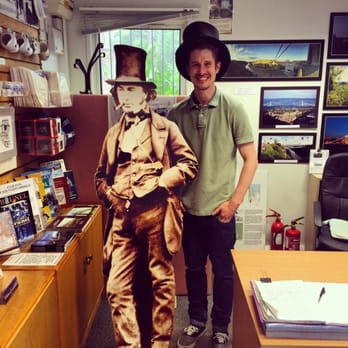
I have wanted to come and see this bridge for a while, mainly because the guy that built and designed the famous landmark is my favourite historian (for people that don't know it's Isambard kingdom Brunel) It was a fair old walk from the coach drop off point and the walk was mainly up hill ( good exercise lol) but once you get there all that walking is def worth it! To think this bridge is 150 years old! And Brunel only entered the competition to design the bridge because he was in Bristol having a bit of relaxation time away from London after his tunnel accident. The views you get when your on the bridge are breathe taking! The whole design of the bridge just makes your mind boggle especially when you think most of it was built by hand! If you ever go down to Bristol it's a place you have to stop off at even if it's for a short stop. At the one end of the bridge there is a little visitors centre with a polite older gentleman that let me have my picture taken with a actual size Brunel cut out and even let me wear the replica Brunel hat! I didn't pull it off as well as the great man did but fun all the same :).The visitor centre has loads of pictures of the bridge being built and a interesting timeline of the whole thing, totally worth a little look around to educate yourself about the bridge a little more. read more



16 years ago

11 years ago

16 years ago
Don't look down! Or jump. Or run. Or sneeze. Any slight jolt will send the bridge swaying. With all the cars that endlessly drive over the bridge, it is a miracle that the bridge stays up. The miracle of Brunel and master building. The walk through Clifton and over the bridge is somwething everybody should do when in Bristol. Be careful on windy days though - i can't remember how many times my skirt has flown up and given the drivers-by more than they bargained for. read more


17 years ago

17 years ago
Isambard Kingdom Brunel did a lot for this great city, but nothing compares to the awe inspiring genius that is the Clifton Suspension bridge. This is his masterpiece and one he sadly never saw completed in his lifetime. When I first moved to Bristol a few years a go I had only ever seen it in pictures and on the television, and up until that time I guess I thought "it's just a bridge, big deal". The first time I actually saw it as I drove into the centre for the very first time, I was taken aback by the majestic beauty of it perched high over the city. It truly is something to behold and a true marvel of Victorian engineering. Rumour has it Brunel also wanted two giant gold Phoenix's sat on each end facing one another, but could never raise the money to pay for it. That would have been unbelievably awesome. Instead it's still just awesome. read more


16 years ago

16 years ago

16 years ago

16 years ago

18 years ago

15 years ago

19 years ago

18 years ago

18 years ago

16 years ago

Page 1 of 2
More info about Clifton Suspension Bridge
Clifton Suspension Bridge Reviews in Other Languages
Review Highlights - Clifton Suspension Bridge















Why does Yelp recommend reviews?
8 reviews that are not currently recommended
The reviews below are not factored into the business's overall star rating.
16 years ago

15 years ago

5 years ago
15 years ago
8 years ago
18 years ago
16 years ago
11 years ago


