Key Biscayne Photos



You might also consider


More like Key Biscayne
Recommended Reviews - Key Biscayne
Start your review...


Reviews With Photos


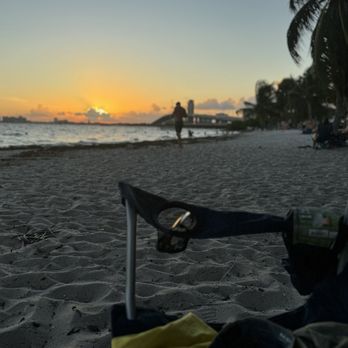
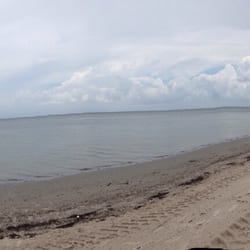
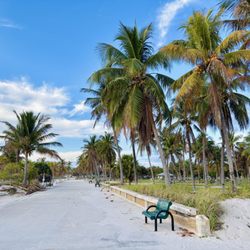
I love Key Biscayne. It's walking distance from my home in Brickell the roads so many runs have gone up to the bridge to see amazing sunsets. The beaches are nice and there's a dog beach. Parking by the beaches. There's a toll to enter waved for residents. I highly recommend Bill Baggs state park which is gorgeous.


4 years ago
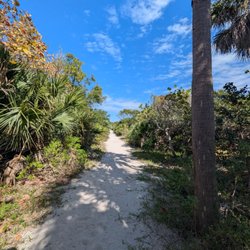
Fabulous relaxing time here in Key Biscayne! State Park is naturally beautiful with vistas that will soothe you. Fishing, picnicking, light house is breathtaking. Walk for miles. read more


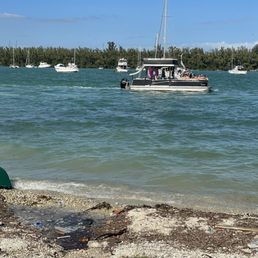
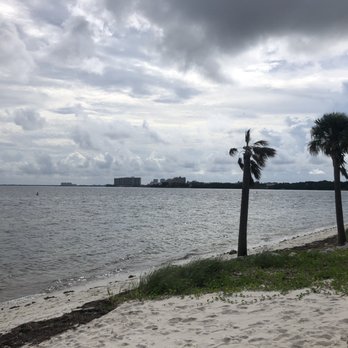
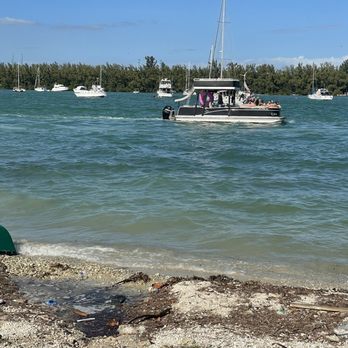
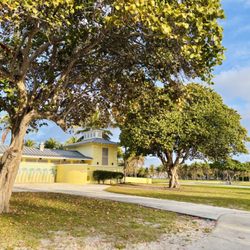
What a great place to spend a fun day and evening! The beaches are top notch being clean and with clear water, along with very little seaweed. The roads are easy to navigate and have clear signs indicating where various attractions are. There are lots of plazas with beautiful cafes, stores, restaurants, and shops. At the end is a nice state park where you can also spend the day. read more


2 years ago

I love Key Biscayne. It's walking distance from my home in Brickell the roads so many runs have gone up to the bridge to see amazing sunsets. The beaches are nice and there's a dog beach. Parking by the beaches. There's a toll to enter waved for residents. I highly recommend Bill Baggs state park which is gorgeous. read more





2 years ago
More info about Key Biscayne
Key Biscayne, FL 33149
Directions
Hours
Outdoor Amenities
Ask the Community - Key Biscayne
You might also consider

















Why does Yelp recommend reviews?
3 reviews that are not currently recommended
The reviews below are not factored into the business's overall star rating.

2 months ago

1 year ago

6 years ago


