
Ice Box Canyon Photos


You might also consider


More like Ice Box Canyon
Recommended Reviews - Ice Box Canyon
Start your review...


Reviews With Photos
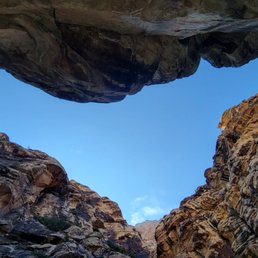

This review is for the Ice Box Canyon Trail which was a ~2.1 mile round trip that took ~2 hours to complete. If you have an America The Beautiful annual pass, it will cost $2 to enter. The first third of the hike was straightforward walk towards the canyon. The remaining two thirds of the hike was strenuous and difficult as you scramble over boulders. At the end of the canyon was a small trickling waterfall! The bouldering section of the trail was difficult to follow and could lead to many detours. Short video of the hike for those interested! https://youtu.be/jYjVXO69IDY


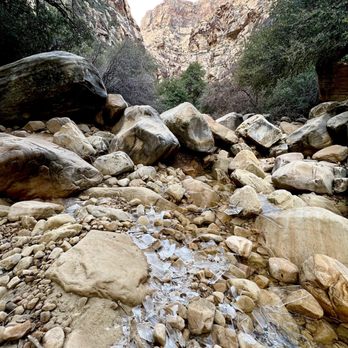
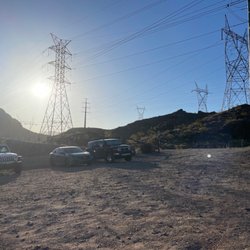
My sister and I came here on a Saturday morning. We got here around 8am due to limited parking. fYI there is a restroom near the parking area. That was a plus! According to All Trails this is a 2.3 mile hike round trip. Not too bad at all but expect some climbing up a few boulders. As we started hiking, the trails were easy to follow. There were signs to get to the Ice Box Canyon, which was very helpful. We met a few people on the way and was told to hug the left. So we went ahead and did that for the most part. It was an amazing hike! There are different terrains; incline, decline, climbing, and flat ground. We definitely had to climb up boulders and slide down the boulders because of our short legs, but we didn't mind it. We were lucky to see water and the waterfall at the end of the hike because of the winter season! We had to skip over rocks in the water as well, which made it more adventurous! I can see why they named this hike the Ice Box Canyon because as you get to the top, it got colder! If you can climb up to the very top. It's super cool! I will definitely be back here again!


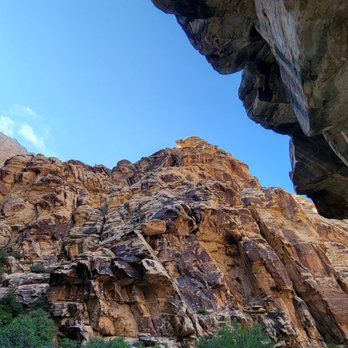
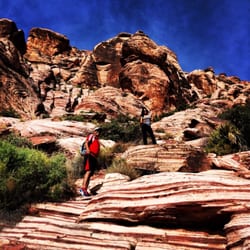
This trail starts off well marked and has great views of the valley and lots of greenery around. As you continue to go deeper, the markers disappear and you're climbing many boulders. We relied as looking at footprints or others hiking along with us to know where to go. There are various ways to get to the end destination depending on what rocks you climb over. You can tell it's the end by realizing you can't really safely climb anymore. Sometimes there will be water or a waterfall but going in April 2021, it was dried up. As you're hiking, we were also able to see some beautiful blooming trees with vibrant magenta flowers that really stood out compared to the rocks. The rocks along the way are also a really neat gradient colors of peach, pink, and purples! This trail really made you feel immersed in nature! It took us about 2-2.5 hours to complete.


This hike was revamped. The old Ice box was very boring the first 15mins but they fixed the trail up with some rocks and lots of plants to make it more interesting and not just plan rocks in the middle of the desert. Once you're in the canyon it gets even better. I still love the Boulder route to make it more interesting and a good workout at the same time. This new route is definitely shorter and a lot easier if you're looking for a steady hike.


This was a fun filled day. A great part of our trip to Vegas. We did this in December. We only stopped at the first area of red rock canyon and the icebox. We chose the difficult trail. We happy we did it. The spring was active at the time. So that makes it worth it. Just remember it's a small stream if you're used to 'waterfalls' It's a 2.5 mile hike. It's colder as it get higher and later in the day. It takes about an hour each way. The only problem we had, we got lost on the way back. They need to have more signage in certain areas. We ended up so far off track that we had to do an army crawl up a pretty steep hill to get back on the trail. We were lucky enough we started earlier in the day. It took us an extra 30 minutes to get back because of it.


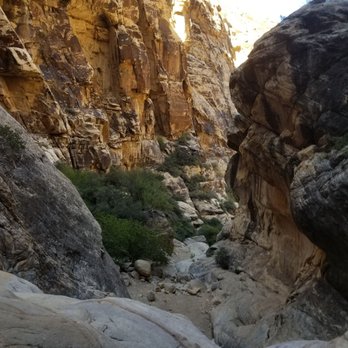
I had a lot of fun on this hike. Its marked as "difficult" and is 2.5 miles. I lost the trail for a bit before finding my way back so according to my pedometer, I went a little more than 4 miles. If you go in midday, the first part of the hike (probably 3/4 of a mile if you stay on trail) is in brutal sunlight so be prepared. It is much cooler in the canyon itself. Bring a backpack and lots of water. You will need your hands to climb over some of the boulders. Please wear shoes with very good traction or some of the climbing will be dangerous. There was some water in the upper pools when I went yesterday. But it us very difficult to get up to pool-- re: wear good shoes. All in all, very fun. Interesting sights. Saw lots of butterflies up near the water.


Super fun trail with a bit of rock climbing. The views were unreal and parking wasn't too much of an issue. The scenic drive is beautiful before getting to the hike. Would recommend getting a reservation prior and wearing hiking books since there's some water elements and lots of slipping. Reservations for this trail cost around $20 if you don't have a state park pass.


My son and I hiked this together with him as the guide since it was my first time. We've gotten into hiking more, finally taking advantage of having Red Rock so close to where we live. This was definitely a more challenging hike than the White Rock Loop one. It's rated as difficult on the signs and I will heartily agree that we got a good workout in the 3 hours we were out there. TIPS: - Bring hydration and snacks. This is supposed to be a 2.5 mile hike, but if you get a little off the trail like we did (by accident), then you can add some extra time and distance to your route. Camelbaks are what we use, but any light backpack would be good so your hands are free--you will need them for more than carrying a water bottle. - There was some scrambling and climbing involved, so be prepared to pull yourself up onto rocks, through smaller spaces, under branches, etc. - It wasn't too hot or cold during our hike, but I can tell that a jacket would be recommended in the cooler months for use in the canyon. - There's a bathroom at the parking lot, so use it before you set off. - Bring a camera and a sense of adventure. Cell phones don't work out here, so let someone know where you are! Be safe and happy hiking!


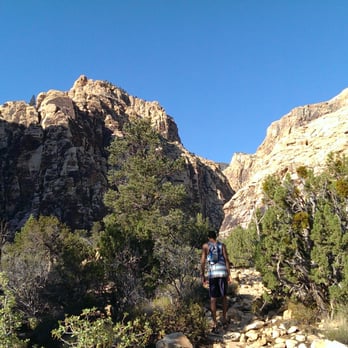
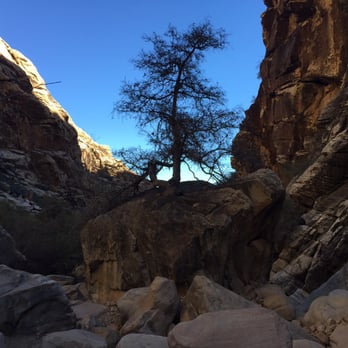
I hiked this trail at red Rock Canyon today. It's a 2.5 mile round trip hike with some boulder scrambling. From the parking lot, hike into the wash, cross the wash, and then walk up the stone steps. Follow the trail along Ice Box Canyon until you reach a down section into the wash below. This part of the hike is just about a mile in length. After dropping down into the wash, turn right and follow the wash as it winds through the canyon. This will entail some rock and boulder scrambling. If any of the boulders are too big to climb up, the trail will have a walk around to the left or right of the wash. Sometimes you have to back track and go the other way, but this is the fun of hiking in a bouldering area. From the entry into the wash, it's about 1/4 mile of rock scrambling to the end of the trail. You'll know you're almost there when you see a tall, dead ponderosa pine leaning to the left. The waterfall - usually dry as it was today - is just past this dead ponderosa. When you get to the base of the waterfall, this is a good place to have a snack and chat for awhile before hiking back to your car. Directions to trailhead: Go west on Charleston Boulevard until you get to the Red Rock Canyon entrance. From the fee booth (entrance fee $7), take the Scenic Drive just past mile marker 8. The Ice Box Canyon Trailhead is on your right and is well marked. I have posted some photos with this review. Enjoy!


What a fun adventure right in my Las Vegas backyard. The hike is ranked moderate but I would say that some areas are way more advanced. This could also have something to do with me recovering from back surgery but still. The other itself is rocky but relatively flat most of the way. A few steep rock climbs are along the way so I would recommend you bring someone with you, especially if you're a novice. It's a bit dry this time of year so head out earlier if you're looking to see some waterfall magic. The views are beautiful and the rocks are fun to climb. Enjoy friends!


Beautiful hike. Go in morning or sunset so the majority of the hike will be shaded. Afternoon= horrible time. You will be hot and miserable. Definitely not easy, lots of boulders to climb over/around. The end was well worth the journey!


I have been wanting to hike this Ice box Canyon and was finally able to do so today. You will park at the Icebox Canyon trailhead, just past Willow Spring on the loop road. Approaches start on a good trail leading south from the parking lot. This trail is about only three miles round trip and has very little elevation gain. Imo, an easy moderate hike. It starts out as a regular trail on the valley floor, then descends in to a wash that heads deep into the canyon. There are quite a lot of hikers here as it's a popular hike esp in the hot months. In the wash there are many small boulders that you must be climbed over or around. They do make a great introduction to scrambling! At the back of the canyon we saw a couple of permanent pools and a seasonal waterfall. We saw some teenagers get into the cold pools. Sad to see lots of graffiti.

This is a great hike for most levels! I consider myself athletic with a thicker build, and I don't hike normally - this was a good level for me, equivalent to a workout. But also there were tougher routes within this hike a more experienced hiker would have had fun with. I went with an avid hiker and she suggested AM or PM (not midday) since the temperatures are more bearable then. Another perk of this hike is that it is between 2 mountains - providing consistent shady options to hike on. The hike took us a little under 2hrs without much "sightseeing." Other groups before us took 4-5hrs of varying levels, and vary amounts of sitting and sightseeing. I would definitely suggest a firm shoe/hiking boot. My arches hurt for an hour or so after the hike due to all the stone hopping. But was walking fine that same an couple hours later :)


My local friend took me on this amazing hike when temps were hovering 100 degrees. The canyon is mostly shaded and there was nice scrambling to the top. Not much water due to the lack of rain, but I didn't know what was at the end of the trail and I was absolutely amazed when I found out. Spectacular and so unexpected. Trailhead has limited partaking and when we left there were people waiting. Please come and create your own adventure. read more


7 months ago
Nice hike with a partially shaded trail that ends up with some rock scrambling. Be prepared to walk over a lot of rocks on this hike (that is basically the challenge of it). When it rains, there is a waterfall in the back of the canyon that is lovely. Otherwise, its still pretty with dramatic rocks and some nice views. The parking lot is small, so plan accordingly to get a parking spot before your hike. Sometimes it's a challenge. read more


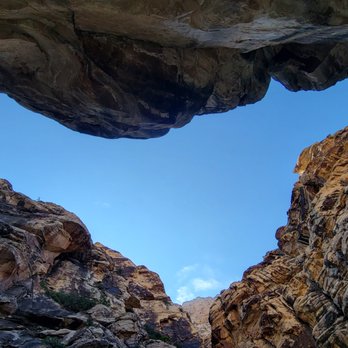
This review is for the Ice Box Canyon Trail which was a ~2.1 mile round trip that took ~2 hours to complete. If you have an America The Beautiful annual pass, it will cost $2 to enter. The first third of the hike was straightforward walk towards the canyon. The remaining two thirds of the hike was strenuous and difficult as you scramble over boulders. At the end of the canyon was a small trickling waterfall! The bouldering section of the trail was difficult to follow and could lead to many detours. Short video of the hike for those interested! https://youtu.be/jYjVXO69IDY read more


4 years ago
My sister and I came here on a Saturday morning. We got here around 8am due to limited parking. fYI there is a restroom near the parking area. That was a plus! According to All Trails this is a 2.3 mile hike round trip. Not too bad at all but expect some climbing up a few boulders. As we started hiking, the trails were easy to follow. There were signs to get to the Ice Box Canyon, which was very helpful. We met a few people on the way and was told to hug the left. So we went ahead and did that for the most part. It was an amazing hike! There are different terrains; incline, decline, climbing, and flat ground. We definitely had to climb up boulders and slide down the boulders because of our short legs, but we didn't mind it. We were lucky to see water and the waterfall at the end of the hike because of the winter season! We had to skip over rocks in the water as well, which made it more adventurous! I can see why they named this hike the Ice Box Canyon because as you get to the top, it got colder! If you can climb up to the very top. It's super cool! I will definitely be back here again! read more




5 years ago
This trail starts off well marked and has great views of the valley and lots of greenery around. As you continue to go deeper, the markers disappear and you're climbing many boulders. We relied as looking at footprints or others hiking along with us to know where to go. There are various ways to get to the end destination depending on what rocks you climb over. You can tell it's the end by realizing you can't really safely climb anymore. Sometimes there will be water or a waterfall but going in April 2021, it was dried up. As you're hiking, we were also able to see some beautiful blooming trees with vibrant magenta flowers that really stood out compared to the rocks. The rocks along the way are also a really neat gradient colors of peach, pink, and purples! This trail really made you feel immersed in nature! It took us about 2-2.5 hours to complete. read more


This hike was revamped. The old Ice box was very boring the first 15mins but they fixed the trail up with some rocks and lots of plants to make it more interesting and not just plan rocks in the middle of the desert. Once you're in the canyon it gets even better. I still love the Boulder route to make it more interesting and a good workout at the same time. This new route is definitely shorter and a lot easier if you're looking for a steady hike. read more


This was a fun filled day. A great part of our trip to Vegas. We did this in December. We only stopped at the first area of red rock canyon and the icebox. We chose the difficult trail. We happy we did it. The spring was active at the time. So that makes it worth it. Just remember it's a small stream if you're used to 'waterfalls' It's a 2.5 mile hike. It's colder as it get higher and later in the day. It takes about an hour each way. The only problem we had, we got lost on the way back. They need to have more signage in certain areas. We ended up so far off track that we had to do an army crawl up a pretty steep hill to get back on the trail. We were lucky enough we started earlier in the day. It took us an extra 30 minutes to get back because of it. read more


8 years ago
I had a lot of fun on this hike. Its marked as "difficult" and is 2.5 miles. I lost the trail for a bit before finding my way back so according to my pedometer, I went a little more than 4 miles. If you go in midday, the first part of the hike (probably 3/4 of a mile if you stay on trail) is in brutal sunlight so be prepared. It is much cooler in the canyon itself. Bring a backpack and lots of water. You will need your hands to climb over some of the boulders. Please wear shoes with very good traction or some of the climbing will be dangerous. There was some water in the upper pools when I went yesterday. But it us very difficult to get up to pool-- re: wear good shoes. All in all, very fun. Interesting sights. Saw lots of butterflies up near the water. read more




4 years ago
Super fun trail with a bit of rock climbing. The views were unreal and parking wasn't too much of an issue. The scenic drive is beautiful before getting to the hike. Would recommend getting a reservation prior and wearing hiking books since there's some water elements and lots of slipping. Reservations for this trail cost around $20 if you don't have a state park pass. read more


My son and I hiked this together with him as the guide since it was my first time. We've gotten into hiking more, finally taking advantage of having Red Rock so close to where we live. This was definitely a more challenging hike than the White Rock Loop one. It's rated as difficult on the signs and I will heartily agree that we got a good workout in the 3 hours we were out there. TIPS: - Bring hydration and snacks. This is supposed to be a 2.5 mile hike, but if you get a little off the trail like we did (by accident), then you can add some extra time and distance to your route. Camelbaks are what we use, but any light backpack would be good so your hands are free--you will need them for more than carrying a water bottle. - There was some scrambling and climbing involved, so be prepared to pull yourself up onto rocks, through smaller spaces, under branches, etc. - It wasn't too hot or cold during our hike, but I can tell that a jacket would be recommended in the cooler months for use in the canyon. - There's a bathroom at the parking lot, so use it before you set off. - Bring a camera and a sense of adventure. Cell phones don't work out here, so let someone know where you are! Be safe and happy hiking! read more



I hiked this trail at red Rock Canyon today. It's a 2.5 mile round trip hike with some boulder scrambling. From the parking lot, hike into the wash, cross the wash, and then walk up the stone steps. Follow the trail along Ice Box Canyon until you reach a down section into the wash below. This part of the hike is just about a mile in length. After dropping down into the wash, turn right and follow the wash as it winds through the canyon. This will entail some rock and boulder scrambling. If any of the boulders are too big to climb up, the trail will have a walk around to the left or right of the wash. Sometimes you have to back track and go the other way, but this is the fun of hiking in a bouldering area. From the entry into the wash, it's about 1/4 mile of rock scrambling to the end of the trail. You'll know you're almost there when you see a tall, dead ponderosa pine leaning to the left. The waterfall - usually dry as it was today - is just past this dead ponderosa. When you get to the base of the waterfall, this is a good place to have a snack and chat for awhile before hiking back to your car. Directions to trailhead: Go west on Charleston Boulevard until you get to the Red Rock Canyon entrance. From the fee booth (entrance fee $7), take the Scenic Drive just past mile marker 8. The Ice Box Canyon Trailhead is on your right and is well marked. I have posted some photos with this review. Enjoy! read more


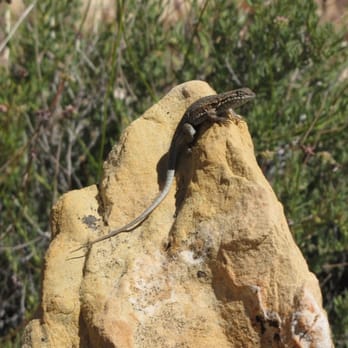


What a fun adventure right in my Las Vegas backyard. The hike is ranked moderate but I would say that some areas are way more advanced. This could also have something to do with me recovering from back surgery but still. The other itself is rocky but relatively flat most of the way. A few steep rock climbs are along the way so I would recommend you bring someone with you, especially if you're a novice. It's a bit dry this time of year so head out earlier if you're looking to see some waterfall magic. The views are beautiful and the rocks are fun to climb. Enjoy friends! read more






9 years ago
Beautiful hike. Go in morning or sunset so the majority of the hike will be shaded. Afternoon= horrible time. You will be hot and miserable. Definitely not easy, lots of boulders to climb over/around. The end was well worth the journey! read more


I have been wanting to hike this Ice box Canyon and was finally able to do so today. You will park at the Icebox Canyon trailhead, just past Willow Spring on the loop road. Approaches start on a good trail leading south from the parking lot. This trail is about only three miles round trip and has very little elevation gain. Imo, an easy moderate hike. It starts out as a regular trail on the valley floor, then descends in to a wash that heads deep into the canyon. There are quite a lot of hikers here as it's a popular hike esp in the hot months. In the wash there are many small boulders that you must be climbed over or around. They do make a great introduction to scrambling! At the back of the canyon we saw a couple of permanent pools and a seasonal waterfall. We saw some teenagers get into the cold pools. Sad to see lots of graffiti. read more



9 years ago

5 years ago
This is a great hike for most levels! I consider myself athletic with a thicker build, and I don't hike normally - this was a good level for me, equivalent to a workout. But also there were tougher routes within this hike a more experienced hiker would have had fun with. I went with an avid hiker and she suggested AM or PM (not midday) since the temperatures are more bearable then. Another perk of this hike is that it is between 2 mountains - providing consistent shady options to hike on. The hike took us a little under 2hrs without much "sightseeing." Other groups before us took 4-5hrs of varying levels, and vary amounts of sitting and sightseeing. I would definitely suggest a firm shoe/hiking boot. My arches hurt for an hour or so after the hike due to all the stone hopping. But was walking fine that same an couple hours later :) read more


9 years ago

9 years ago
Love this hike! This is the only hike I've done at Red Rock and I love it so much it's the only one I ever do. There's nothing like jumping and climbing on rocks to make me feel like a kid again. You don't have to be in the best shape to get through it as well, just be prepared for some elevation. I recommend checking the weather before heading out and layering up just in case because most of the hike is shaded (which can get pretty chilly). Bring water and a protein bar to get through the hike. Also if you wear any expensive rings or anything you might want to leave them home because you'll find yourself using your hands to climb on rocks during the hike and your jewelry can get scratched. read more


13 years ago
I love how the trail is shady and not arduous at all! It's laid back and is great for beginners. I hiked it in the beginning of February and the weather was nice enough so there was no sun beating down on me to make me sweat. The views were also amazing. Even if you get off trail, which I believe could happen often due to the variety of paths and no markings, the hike will still be nice and scenic. I definitely recommend this for anyone looking for something easy and not sweaty. You should bring a light backpack with Gatorade and a sandwich for a picnic at the waterfall at the end of the hike. Since there is a bit of boulder scrambling involved you don't want to bring a bulky bag or the wrong type of shoes (this is REALLY important. You need shoes with traction). The rocks are also really cold which can numb your hands while climbing them so I suggest bringing a pair of gloves. read more


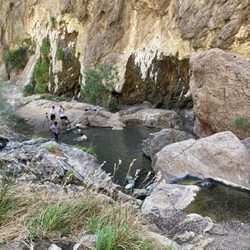
Hiked this yesterday with two girlfriends and a german shepard. As everyone's already stated, it's 2.5 miles (but it really does feel longer than that), the paper guide they give you says it's difficult (but it says moderate online), and it does require some rock scrambling. The turnoff is around mile 8 on the scenic loop. Through the canyon, there are parts where you're literally just walking on rocks. Make sure to wear sturdy shoes and as always, bring water. You cross open desert before hitting the canyon. You do get some shade on this trail once you hit the canyon. There were a couple parts in the trail we had to lift up our dog or take alternative routes around instead of going straight through, but the hike was doable with a dog. We saw other large and small dogs on the trail as well as young children. It is one of the more difficult hikes at Red Rock due to the scrambling aspect, but it's fun. Since it's April now, there was just a trickle of water at the end of the hike (see the picture I posted). If you can make it up to the very top, there's a little pool of water that's pretty as well. I can imagine it being gorgeous if you hike it during the time of year when there's an actual waterfall at the end. Overall, it's a pretty good workout since you're on uneven terrain most of the time with a pretty destination at the end (or more like mid-way point since you have to go back). The hike took us about 2 hours. read more


9 years ago
We love hiking here it's exciting those big rocks to climb. There are easy routes if you can't manage to go through big rocks. It's stunning big rocks & the view when your reach the falls. The last fall is very steep to climb.. my bf & I just climbed up through the last fall without any harness. We just had a good grabbed with those rocks, but I would recommend someone has to go first with a sturdy rope and when that first person reach the last fall the second person can easily climb up and more safer coz it has something to hold on to if you would want to see the fall & decided to soak in the little "suna".. Coming down is kinda easy, but scary. My bf & I just slide down, but be very careful coz it's very steep & slippery. Kids recommendation hike if you take the easy routes. read more


10 years ago
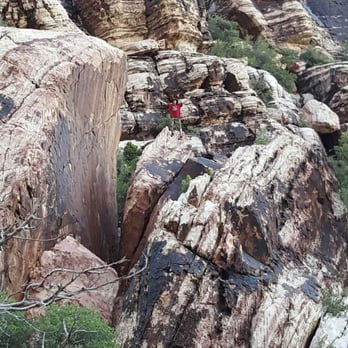
I'm giving it 5 stars because I have nothing negative to say about the hike. It's rated diffucult but I wouldn't actually consider it anymore than a moderate hike. Towards the end near the last few pools and falls you will get to do some more physical and vertical climbing. But still nothing close too strenuous. We went June 1st. We ran into a couple of groups on the way and some hikers at the end of the trail. There was a stream down the hill from the trail. As well as a few little pools along the way. There was alot of beautiful plant life and we saw a decent amount of geckos/birds and rabbits aswell. There's a few places where you can choose to do some climbing along the walls of the canyon or an occasional large boulder. At the very end of the hike if you head west/northwest you'll find multiple trails mostly covered in brush leading to a corner in the canyon. You can also just look up and follow the direction of the canyon as if you were going further in. Once you hit a dead end, there is a spot with a rope attached to a boulder lodged into the rocks. It's very sturdy, I climbed on top of the Boulder but didn't want to gamble climbing any further as I'm a novice climber. It deffinitely was possible and I bet it would've lead to some amazing sights. I recommend continuing down the canyon if you're an avid climber! read more






12 years ago
This hike kicked my butt! I would consider it a moderate hike, some parts are difficult. Perry, my bestie Diana, and I got to the trailhead by about 11am on Sunday, the park was super crowded ! Once we got on the trail it was just starting to get busy and there were a lot of people and dogs (some on and some off leash) - beware of poop! At some points on the trail it got packed, but that gave us a chance to step aside and take little breaks. Be prepared to wait in some spots that are narrow. There were some groups of people that brought music blasting in their backpacks - kinda dumb and unnecessary overall it was a peaceful and fun hike! ! The initial climb was pretty easy, once you turn down into the shade area the boulders get bigger and there is water, making it a little slippery. There are several options around certain spots, the focus is on staying safe and getting to the waterfall at the end. It is approx 2.5 miles one way, but it is one of the coolest places to hike in Red Rock. Definitely worth the effort! read more


9 years ago
My daughter brought me here for the first time to hike and it was a great trail. We finished it in approx. 2 hours and 15 minutes. Most of the trail is pretty easy going, but there are some areas with larger boulders that can be a challenge for new hikers, like me. read more


5 years ago

12 years ago
Hiking this trial during Presidents Day weekend was nice because the weather was great and not to mention it was free! The trail starts off with gravel and then makes its way to bigger rocks. Although this is a "moderate" hike, I wouldn't recommend it for very small children that can't withstand walking for a few hours. Not to mention, there is some climbing involved and very scary moments. Once you reach the "water fall" I climbed some steep rocks and found a pond of water! My only complaint would have to be that it isn't really marked off. When I went there were volunteers gathering large rocks to help make one trail, but other than that it was a bit confusing if you don't remember your surroundings. I would recommend packing a bag of water and snacks because I noticed that some people had nothing on them. Remember people: you need to replenish your body with nutrients while hiking so that you don't wear yourself out. read more



9 years ago

10 years ago
I don't recommend this hike for beginner hikers. They'll be crying and whining the entire way. It's all uphill heading in. Lots of large boulders to climb to make your way back to the falls. Ensure you have proper footwear (not converse or flip flops). With that said I throughly enjoyed this hike. Technical enough to keep it interesting (especially with a dog) but short enough so you're not at it all day. Will be going back after a rainfall for sure. read more


9 years ago
This hike was first on my list to tackle for Red Rock trails. We had a party of 5, and brought 4 medium-large sized dogs as well, which they all did fabuously!! So definitely dog friendly. We went on a Sunday afternoon, with the weather about 80 degrees and the trail was packed with people. It's pretty spread out, so not too noticeable if you're keeping steady pace. Make sure you bring a ton of water, as a good section of the trail is in direct sunlight before hitting the canyon. The waterfall area is small but beautiful, likewise to the surroundings moutains in the canyon. The views aren't spectacular, but the hike is short (about 3 hours total) so totally worth it. Bring some snacks and sit by the water for a bit!! The trail requires quite a bit of walking on sharp rocks - so I recommend decent shoes. Also, don't forget sunscreen! read more


Moderate!? Ummmm, sure. I guess? I wouldn't know how they rate trails as I am fairly new to this out door activity. Well let's just say I was a young child when my grandma would take us up through the trails in Colorado. So this was pretty strenuous for us. But being the biggest noobs around we actually did it! Even our 6 yr old accomplished it with no crying or whining. He thinks he is a master hiker. He says he is ready for anything! We had heard this would be the perfect time to do this hike due to the weather we have had. We were right! More water than most people had seen there before. Which made it slightly more difficult to hike through without slipping and soaking your feet. I think we all had wet feet at one point during the trek. You don't realize how deep the canyon actually is until you get to the end. A couple of us in our group had done this trail in the past, luckily, because when we actually made it into the canyon we thought it was the end. We all looked at each other with quizzical looks and decided to continue on. Now mind you we had our 6 yr old with us, so I expected at any moment we would be turning around. But we made it to the end and all the way back. I highly recommend this trail, especially around this time of year. We started our hike early morning at 8AM which I also recommend if you can get up that early, because by the time we were coming back down, it was a steady flow of people hiking through. It was chilly, so a light jacket is best because once you come back down it got much warmer. I look forward to many more hikes in Red Rock as we are just beginning and I hope to get a chance to do this one again before it gets too hot out. read more
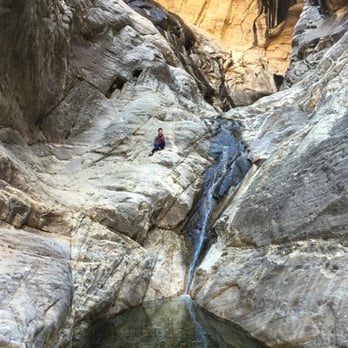


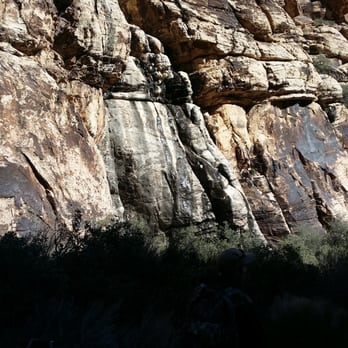


One of the better hikes at red rock. I went in June on a day w/ highs of 103. I was told Ice Box is a good hike for a hot day. Which... is somewhat true but since about half of the hike is in direct sunlight and not in the 'ice box canyon,' I would say pick a day that's not a high of 103... :D It's pretty toasty until you're 'IN, IN' the canyon which is shaded and yes, significantly cooler. Also, by the time June hits, the waterfall has dried up. Check it out early Spring during ice melt. I'm sure there will be water there. This is not quite a challenging as Turtle Head but there's quite a bit of scrambling so it's more difficult and a bit longer than say Calico Tanks. Some heavy vegetation in some areas so you'll need to get low and duck under brush and things. There were quite a few kids when we went so it's manageable. I would say this is an easy-moderate hike--leaning toward easy. There are a couple different ways you can head into the canyon but they will all lead to the the same place. I'm convinced one is more shaded than the other. You'll eventually reach a huge, fallen tree. Just past this tree is the dried up waterfall (hopefully actually waterfall when you go). Relax, have a snack, drink some water and then turn back around. IMO, the trek out is easier than the trek in. read more


14 years ago

10 years ago
Probably my favorite hike in Red Rock. Not too long, not very strenuous. At a moderate pace it takes about 2.5-3 hours! There's not always a waterfall but if you go within the week after we get rain the falls will be amazing. Aside from the normal hike my favorite part of this trail is the hidden waterfall into the left canyon. Sort of strenuous with a lot of rock climbing but at the end lies the biggest waterfall in Las Vegas. read more


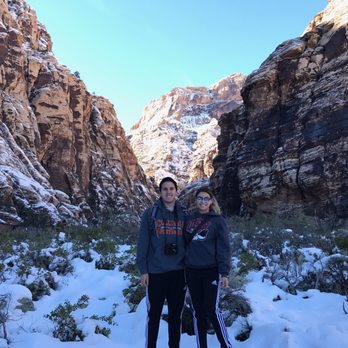


16 years ago


13 years ago

Page 1 of 2
More info about Ice Box Canyon
Ask the Community - Ice Box Canyon
Review Highlights - Ice Box Canyon
You might also consider




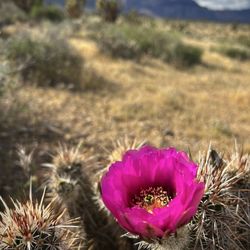
















Why does Yelp recommend reviews?
1 review that is not currently recommended
The reviews below are not factored into the business's overall star rating.

14 years ago


