
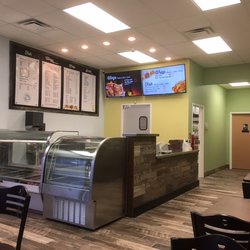
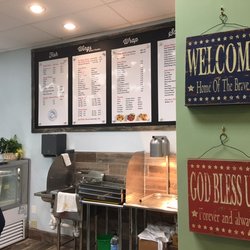
Erdman Seafood & Chicken Photos

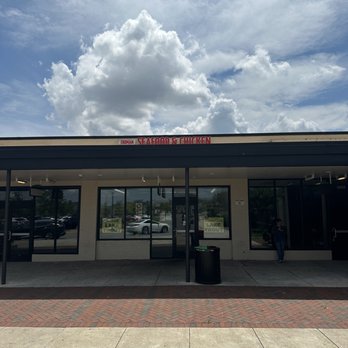


Business Info
ERDMAN SEAFOOD & CHICKEN ATMOSPHERE

You might also consider


More like Erdman Seafood & Chicken
Recommended Reviews - Erdman Seafood & Chicken
Start your review...

Reviews With Photos


I hadn't had a chicken box in several years so I decided today I'd get one. Erdman Seafood & Chicken is about 2 minutes from my house and has good reviews. Soon as I walked in they were busy, but the line was moving fast. I ordered my 4 wings chicken box and it was ready for pickup in under 5 minutes. Soon as I tasted the chicken I understood why some people say this is their favorite chicken box. The seasoning is slightly different from my usual chicken box place, but very good. I'll definitely be back the next time I'm craving a chicken box or wanna try something else on the menu.
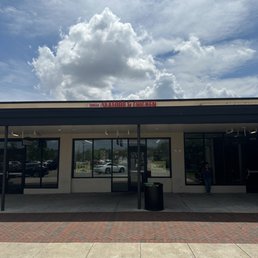

The food is amazing and for a fair price. I had the 2piece bone in lake trout and yes it was well worth the wait for it nice a crispy and golden


I order a cheesesteak with extra cheese and my goodness that thang was thangin!! The half and half or fries weren't the best so i gave them a 4.

3 months ago
When I tell you, this is the last place that you should go I really mean it. Normally when I go in there, I get a nice fresh chicken box fried hard like I like it but today they did a turbo job. This chicken is salty and these western fries is soggy. They need to do better be consistent across the board and maybe get a cashier that speaks English so that you won't be standing and looking in a days when somebody asked for their order. She literally made me stand there while she wasn't doing nothing but counting tickets. read more
2 years ago
1 year ago

I hadn't had a chicken box in several years so I decided today I'd get one. Erdman Seafood & Chicken is about 2 minutes from my house and has good reviews. Soon as I walked in they were busy, but the line was moving fast. I ordered my 4 wings chicken box and it was ready for pickup in under 5 minutes. Soon as I tasted the chicken I understood why some people say this is their favorite chicken box. The seasoning is slightly different from my usual chicken box place, but very good. I'll definitely be back the next time I'm craving a chicken box or wanna try something else on the menu. read more


3 years ago
The food is amazing and for a fair price. I had the 2piece bone in lake trout and yes it was well worth the wait for it nice a crispy and golden read more

2 years ago

3 years ago

7 years ago

5 years ago
I order a cheesesteak with extra cheese and my goodness that thang was thangin!! The half and half or fries weren't the best so i gave them a 4. read more


3 years ago
2 years ago

4 years ago
5 years ago




7 years ago
7 years ago

8 years ago
12 years ago
11 years ago
9 years ago
More info about Erdman Seafood & Chicken
3913 Erdman Ave
Baltimore, MD 21213
Belair-Edison
Directions
(410) 675-1906
Call Now
Hours
Payment methods
Food & Alcohol
Indoor Amenities
Outdoor Amenities
Other Amenities
More Info
Health Score
Ask the Community - Erdman Seafood & Chicken
Review Highlights - Erdman Seafood & Chicken
You might also consider









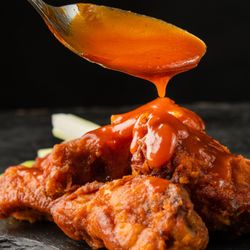





















Why does Yelp recommend reviews?
6 reviews that are not currently recommended
The reviews below are not factored into the business's overall star rating.
2 years ago
2 years ago

3 years ago
2 years ago

11 years ago

16 years ago


