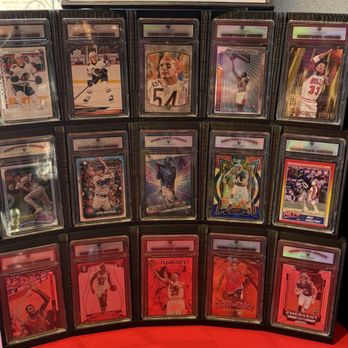
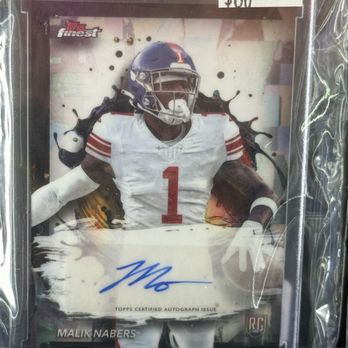
The sports card industry has exploded in popularity over the past few years, turning what was once a casual hobby into a serious marketplace. With that growth, big names have entered the space, including Tom Brady. While his success in football brings credibility and attention, it also raises expectations for any business connected to his name. When those expectations aren't met, the disappointment can feel even stronger.
One of the biggest issues that can damage a customer's experience is a lack of transparency. In retail, especially when expensive collectibles are involved, customers expect clear information about what they're buying and the policies that come with it. A major frustration arises when a store has a strict "no returns" policy but does not clearly disclose it before a purchase is made. Even if the policy exists for valid reasons, failing to communicate it upfront can leave customers feeling misled.
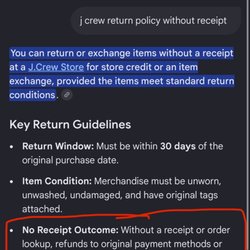
In the trading card world, return policies can be complicated. Card values change quickly, and condition is everything. Because of this, many shops limit or completely avoid returns to protect themselves from fraud or abuse. However, having a policy and clearly explaining it are two very different things. If a customer only finds out about a "no returns" rule after they try to return an item, the issue becomes less about the policy itself and more about the lack of honesty in communication.
The involvement of a celebrity like Tom Brady makes this problem more noticeable. Customers often assume that a business tied to such a well-known and respected figure will operate at a higher standard. They expect professionalism, fairness, and a smooth experience. When something as basic as a return policy isn't clearly shared, it creates a gap between what customers expect and what they actually experience.
That gap is where frustration grows. A customer who spends a significant amount of money on a card only to realize they can't return it--without being warned beforehand--is likely to feel upset. This kind of experience can damage trust, and trust is everything in a market where purchases can be expensive and sometimes risky.
In a competitive industry, customers have plenty of other options. If one store feels unclear or unfair, people can easily take their business elsewhere. That's why communication is so important. Clearly stating policies, whether through signs, receipts, or staff explanations, can prevent misunderstandings and build confidence.
In the end, a business succeeds not just because of its name, but because of how it treats its customers. A "no returns" policy might be understandable in the card industry, but not disclosing it upfront creates unnecessary problems. For a high-profile brand, that kind of mistake can stand out even more. Transparency isn't just a small detail--it's the foundation of trust, and without it, even the most hyped businesses can leave customers disappointed. read more